MIAMI--(BUSINESS WIRE)--Dec 5, 2025--
TheOther, a premium matcha brand sourcing ceremonial-grade, first harvest matcha from Uji, Japan, today announced its flagship Master’s Blend is now available at TheOther.com.Master’s Blend retails for $42.99 for 25 grams (12 servings) and $84.99 for 80 grams (40 servings), offering a smooth, umami-forward matcha blend that boasts a superior amino acid profile, rich in L-theanine and a balanced flavor profile to help you through the day.
This press release features multimedia. View the full release here: https://www.businesswire.com/news/home/20251205802165/en/
Download product and campaign images [ HERE ]
“At TheOther, our mission is to redefine a daily ritual while introducing a high-quality product to the American consumer,” said Michael Lillelund, Co-Founder and President of TheOther. “Matcha has long been celebrated for its clarity, focus, and wellness benefits. With Master’s Blend, we’re launching a product that delivers exceptional taste, and an everyday ritual that feels luxurious, without sacrificing on integrity or transparency or craftsmanship.”
INTRODUCING MASTER’S BLEND
Created in partnership with a fifth generation master tea blender from Uji, the Master’s Blend brings together first-harvest leaves selected for their vibrant color, rich amino acid profile, and natural balance of umami and sweetness with exceptionally low bitterness.
“During our visits to Uji, we set out to create a matcha blend that truly meets people where they are whether they’re just beginning their matcha journey or have been committed to the craft for years,” said Harish Koneru, Co-Founder and CEO of TheOther. “Our goal was to develop a blend rich in umami, expertly balanced, and endlessly enjoyable, so that as your appreciation for matcha evolves, it continues to meet your needs.”
TheOther was built on a simple philosophy: no cutting corners, ever. The brand reflects a fusion of Japanese heritage and Scandinavian-inspired simplicity, expressed through clean design, refined sourcing, and a modern approach to wellness. The Master’s Blend represents the pinnacle of this sourcing, offering a smooth, full-bodied ceremonial matcha designed for both traditional preparation and contemporary drinking rituals, while reflecting the brand’s commitment to craftsmanship.
Guided by a tone of cool, quiet confidence and minimalist clarity, TheOther speaks to a discerning audience of health-conscious professionals, creatives, and design-minded individuals who value craftsmanship, mental clarity, and intentional living. The brand’s visual language and product design reflect a fusion of Japanese craftsmanship and Scandinavian-inspired simplicity, emphasizing mindful details and a holistic, sunrise-to-sunset lifestyle.
A FOUNDING TEAM LIKE NO OTHER
Behind the brand is an intergenerational leadership duo shaping the future of lifestyle-driven wellness. Headquartered in Miami with team members also based in Dubai and Italy, TheOther is building an international presence that blends fashion, wellness, and lifestyle. The brand is developing one of Miami’s only matcha-first flagship cafés in early 2026, designed as a calm, design-forward space where consumers can experience TheOther’s matcha through contemporary menu creations developed in close collaboration with esteemed Japanese chefs.
Michael Lillelund is a tastemaker at the intersection of fashion, luxury and wellness. From co-founding 42°RAW, one of Europe’s first plant-based café concepts, to investing early in 818 Tequila, now one of America’s fastest-growing spirits, Michael has a track record of spotting cultural shifts before they happen. As a US partner at Shamballa Jewels and founder of Shamballa Eyewear, he helped position the house as a global name in luxury, while building lasting relationships with icons like Jay-Z, Cavalli, the Kardashians and Valentino. Named a World Economic Forum Global Shaper at just 26, Michael continues to bring a bold, culture-driven vision to every venture he touches.
Harish Koneru leads his family office, where he oversees strategic investments and real estate development with a forward-thinking, global approach. Earlier in his career, he worked with the Techstars Space Accelerator in partnership with Jet Propulsion Laboratory where he supported ten startups in refining their financial projections and fundraising strategies. His family office later acquired Renoon, a pioneering sustainable fashion tech company. There, Harish retooled the product to strengthen its scalability and drive innovation. Shortly after this he began development on a 500+ home real estate project in Texas. His track record demonstrates an ability to turn vision into execution.
ABOUT THEOTHER
TheOther is a premium matcha brand offering ceremonial-grade first harvest matcha, sourced directly from Uji, Japan. With a mission to bring a new, no-nonsense approach to matcha, TheOther blends deep Japanese tea tradition with modern sensibilities, delivering matcha “like no other” through e-commerce and soon at its Miami flagship cafe. TheOther is now available online at TheOther.com, with a Miami café opening in early 2026.

TheOther Introduces Master’s Blend: A New Ceremonial-Grade Matcha to Redefine Your Daily Ritual
DUBAI, United Arab Emirates (AP) — Iran’s Supreme Leader Ayatollah Mojtaba Khamenei said Thursday that the leverage of closing the Strait of Hormuz should be used and that Iran’s attacks on Gulf Arab neighbors will continue.
His first statement since his appointment was read on state television by a news anchor. Khamenei did not appear on camera, and an Israeli assessment indicates he was wounded in the war’s opening salvo.
He vowed to avenge those killed in the war, including in a strike on a school. He said Iran would “obtain compensation” from its enemy, referring to the United States. If it refuses, Iran will “take from its assets” or destroy them to the same extent, he said.
Iran's unrelenting attacks on shipping traffic and energy infrastructure in the Persian Gulf pushed oil back above $100 a barrel on Thursday, as American and Israeli strikes pounded the Islamic Republic with no sign of an end to the war in sight.
Iran is trying to inflict enough global economic pain to pressure the United States and Israel to halt their bombardment, which started the war on Feb. 28. Iran's president said its attacks would continue until Iran gets security guarantees against another assault, indicating that even a ceasefire or U.S. declaration of victory might not halt the conflict.
U.S. President Donald Trump has meanwhile promised to “finish the job,” even though he claimed Iran is “virtually destroyed.”
Iran-backed Hezbollah militants meanwhile launched some 200 rockets from Lebanon at northern Israel while sirens rang out and loud booms from the interception of Iranian missiles could be heard in other areas. Israel launched another wave of attacks on Tehran and in Lebanon, where 11 people were killed.
The U.N. refugee agency said up to 3.2 million people in Iran have been displaced by the ongoing war. It said most have fled from Tehran and other major cities toward the north of the country or rural areas. It says at least 759,000 people have been internally displaced in Lebanon.
Iranian President Masoud Pezeshkian suggested online Thursday that for the war to end, the world would need to recognize Iran’s “legitimate rights,” pay reparations and offer guarantees against future attacks.
In addition to attacking energy infrastructure around the region, Iran has a stranglehold on the Strait of Hormuz, the waterway leading from the Persian Gulf toward the Indian Ocean through which a fifth of the world's oil is transported.
Amid speculation that the U.S. might target Kharg Island in the Persian Gulf, Iran’s main oil terminal, Iran's parliamentary speaker Mohammad Bagher Qalibaf threatened in a social media post that any attempt to take Iranian islands would “make the Persian Gulf run with the blood of invaders.”
With traffic in the strait effectively stopped, the price of Brent crude oil, the international standard, rose another 9% to more than $100 a barrel, up some 38% over what it cost when the war started. Prices have swung back and forth in recent days, at one point surging to around $120 a barrel.
It was a sleepless night for many Israelis as Hezbollah launched some 200 rockets at the country’s north and deeper into Israel, according to the Israeli military.
“The noise was extraordinary, it was really scary,” said Naama Porat, a resident of the rural community of Klil, some 15 kilometers (9 miles) from the Lebanese border. As the sound of explosions and interceptions rang out, she dashed with her son to a shelter and spent the night there.
No serious injuries were reported, but the extent of the fire shook residents of the north, who have repeatedly been told by their leaders that Hezbollah was dealt a devastating blow in 2024 during its last war with Israel.
“They have stocks of weapons and it just doesn’t end. We don’t know how much and what to expect,” Porat said.
Israeli Defense Minister Israel Katz warned Lebanon that if its government does not prevent Hezbollah from attacking, Israel “will take the territory and do it ourselves.”
Israel, meantime, hit a car in a seaside area of Lebanon's capital where dozens of displaced people have been sheltering, killing eight and wounding 31, the Lebanese Health Ministry said. The Israeli military said it was “not aware” of a strike at that location.
The Israeli military said it struck a nuclear facility in Iran in recent days. Israel had destroyed the “Taleghan 2” site in an airstrike in October 2024. Earlier this year satellite photos raised concerns that Iran was working to restore the facility.
The U.S. and Israel say that destroying whatever remains of Iran's nuclear program is one of the central aims of the war. They have long suspected Iran seeks nuclear weapons, while the Islamic Republic says its nuclear program is peaceful.
In Tehran, security force checkpoints came under attack for the first time on Wednesday night, the semiofficial Fars news agency reported. At least 10 people were killed in the suspected drone assaults.
Israel and the U.S. military did not immediately respond to requests for comment over whether they were behind the attacks.
Iran’s latest attacks on its Gulf neighbors flouted a U.N. Security Council resolution approved Wednesday.
Early Thursday, a container ship was hit with a projectile off the coast of Dubai, sparking a small fire, according to British military’s United Kingdom Maritime Trade Operations Center. It said the crew were safe.
An Iranian attack sparked a major fire on Muharraq Island, home to Bahrain's international airport. Kuwait authorities said an Iranian drone smashed into a residential building, wounding two people, and that a drone attack on Kuwait International Airport had caused damage but no casualties.
The UAE said it had activated air defenses twice to protect the futuristic city of Dubai from attacks, and firefighters extinguished a blaze at a tower after a drone hit.
Saudi Arabia, meanwhile, said it shot down a drone targeting the diplomatic quarter in its capital, Riyadh, and other drones in the east, including at least one trying to target its Shaybah oil field.
Following an attack on Iraq's Basra port Wednesday that killed at least one person, officials said Thursday that operations were halted at all the country's oil terminals.
In the UAE, Citibank said it would close all but one of its branches due to an Iranian threat — not yet realized — to target financial institutions in the region.
Melzer reported from Mitzpe Hila, Israel and Rising from Bangkok. Associated Press writer Sally Abou AlJoud in Beirut contributed to this report.
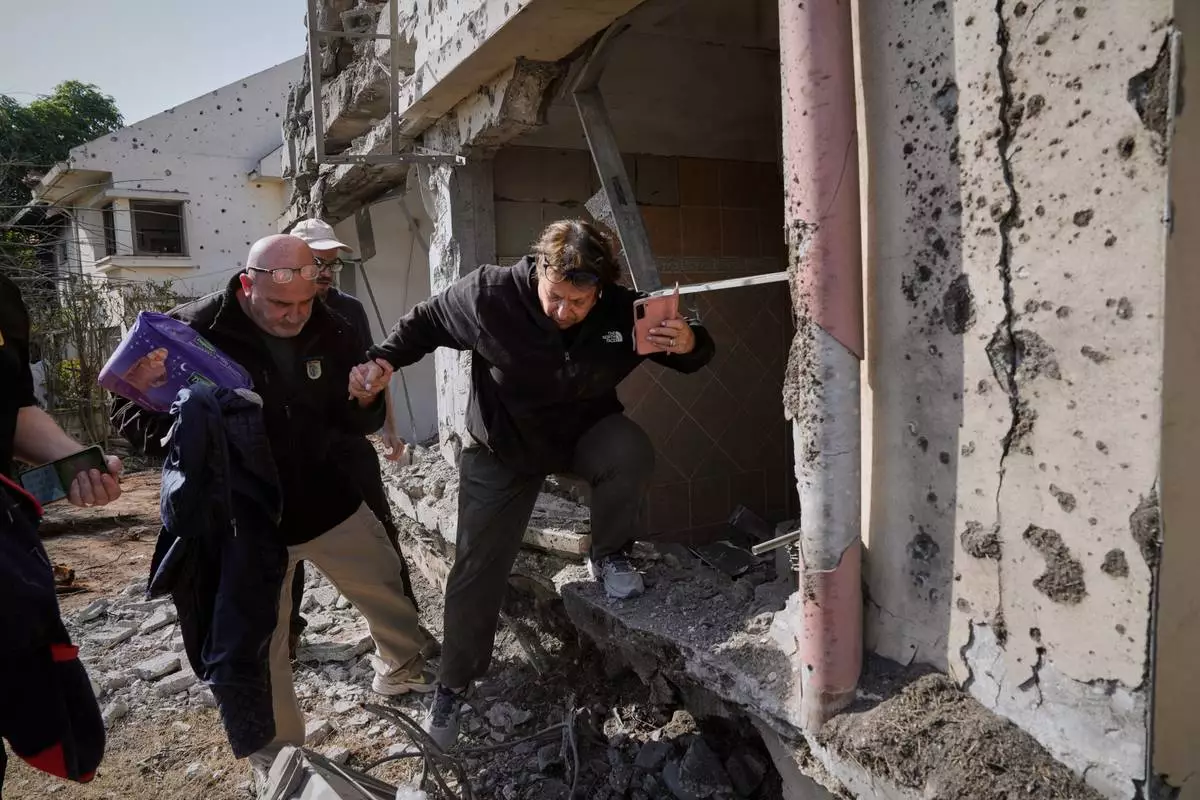
A woman gathers belongings from her family's home after it was damaged by a projectile launched from Lebanon, in Haniel, central Israel, Thursday, March 12, 2026. (AP Photo/Baz Ratner)
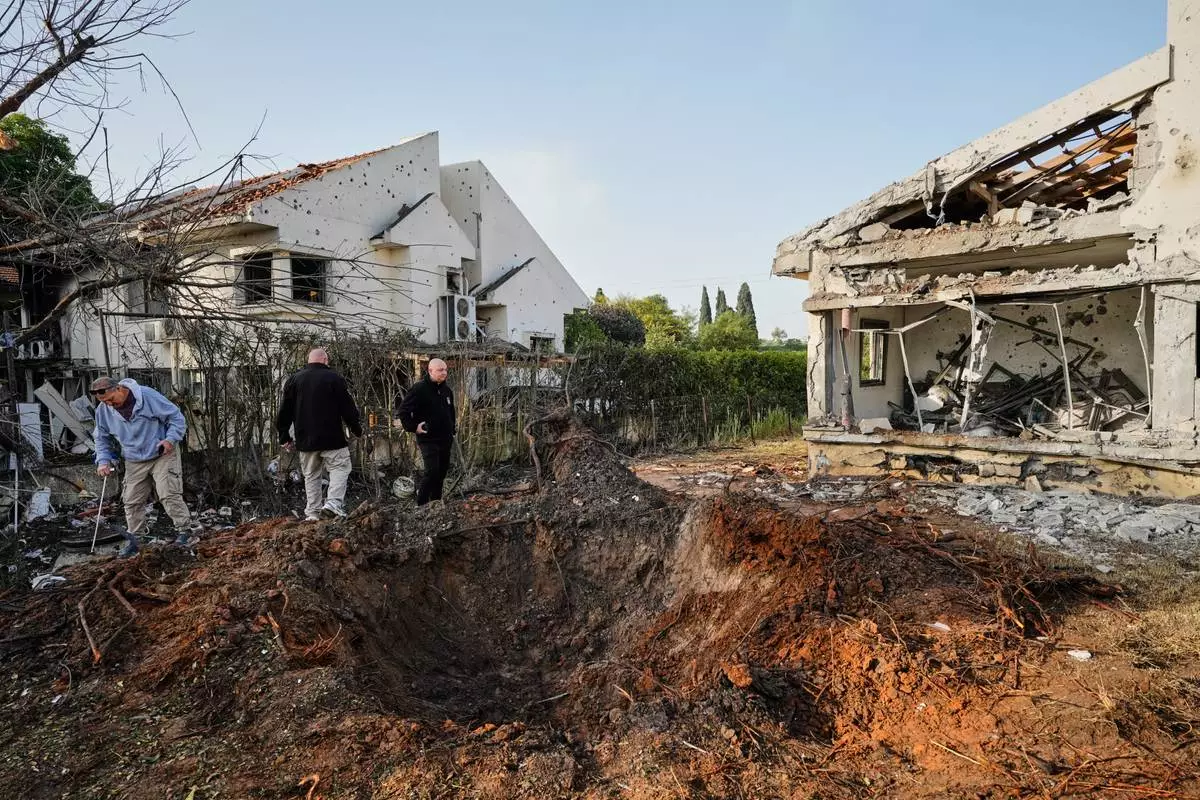
People inspect homes damaged by a projectile launched from Lebanon, in Haniel central Israel, Thursday, March 12, 2026. (AP Photo/Baz Ratner)
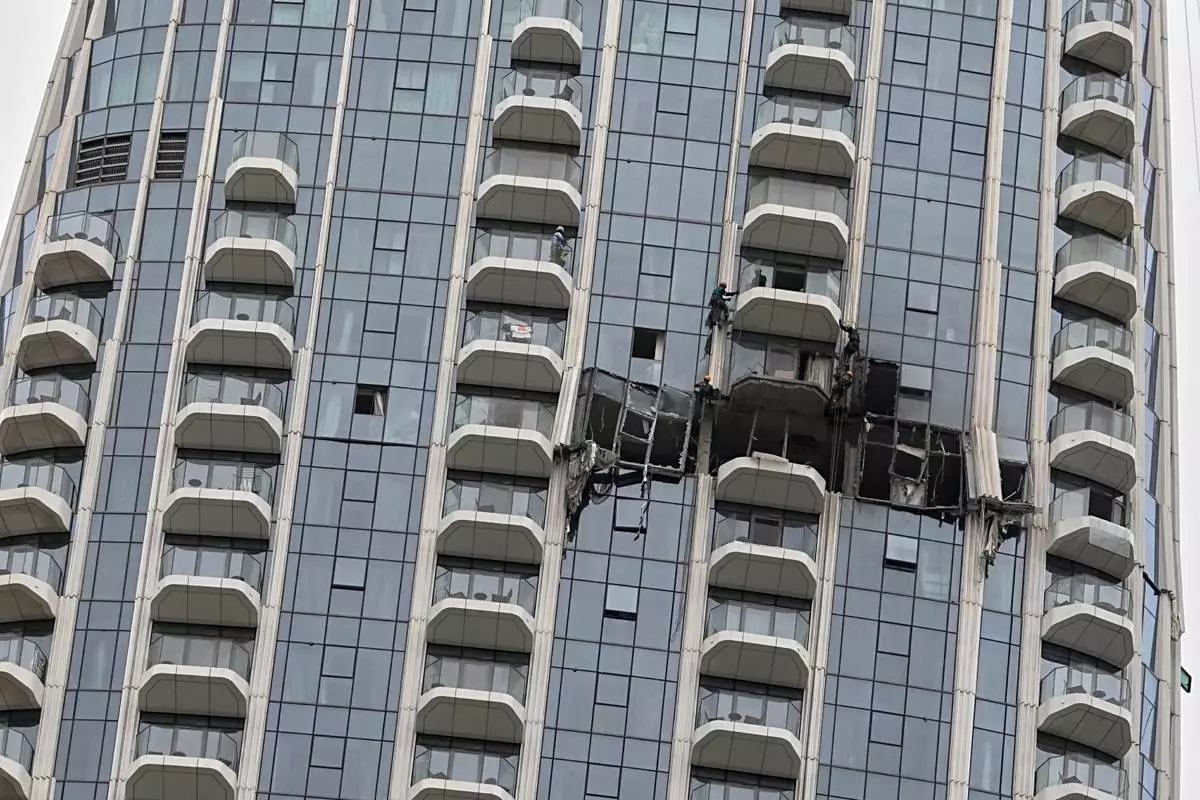
Workers inspect damage caused by a drone strike overnight at the Address Creek Harbour hotel in Dubai, United Arab Emirates, March 12, 2026. (AP Photo/Fatima Shbair)
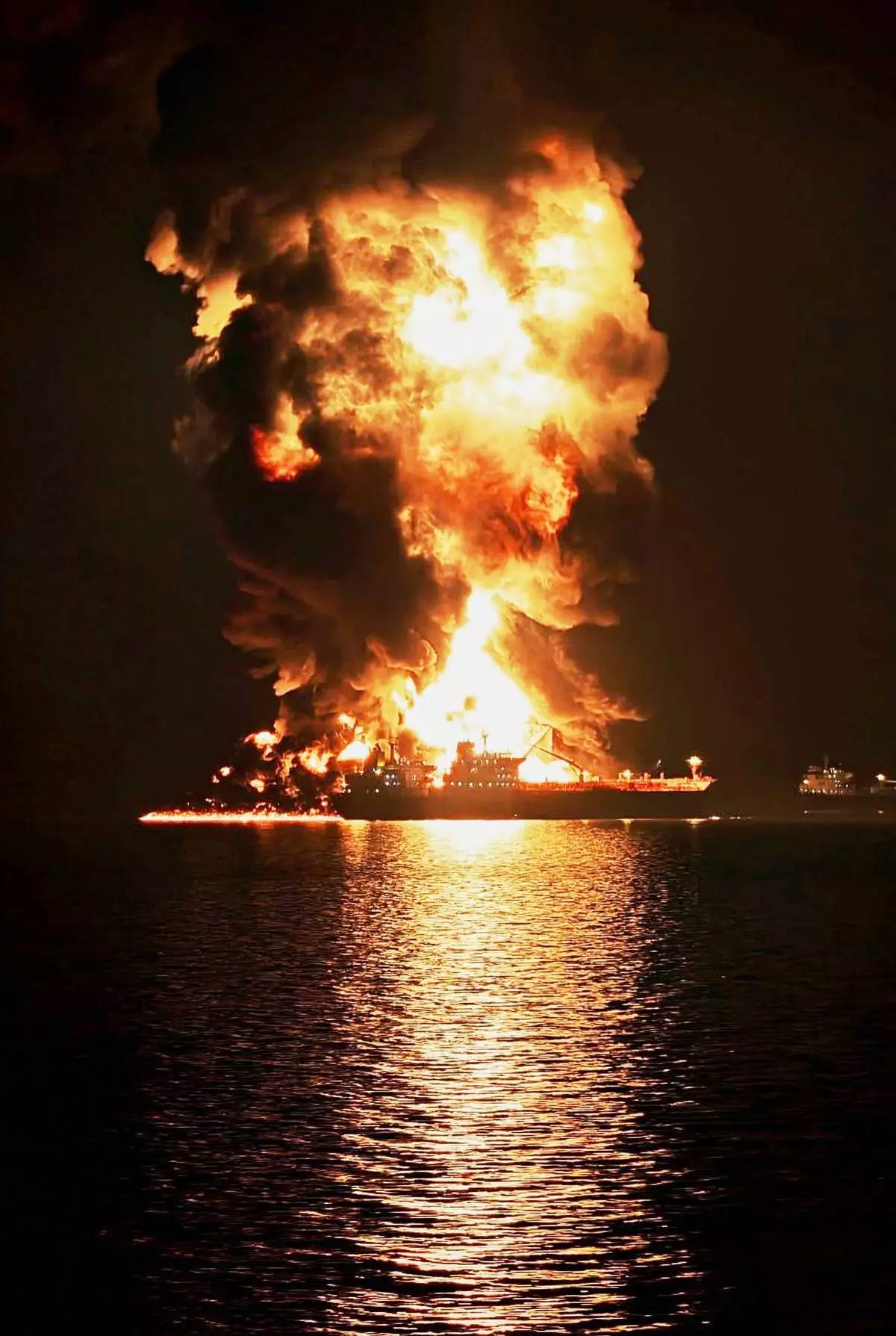
An oil tanker burns after being hit by an Iranian strike in the ship-to-ship transfer zone at Khor al-Zubair port near Basra, Iraq, late Wednesday, March 11, 2026. (AP Photo)
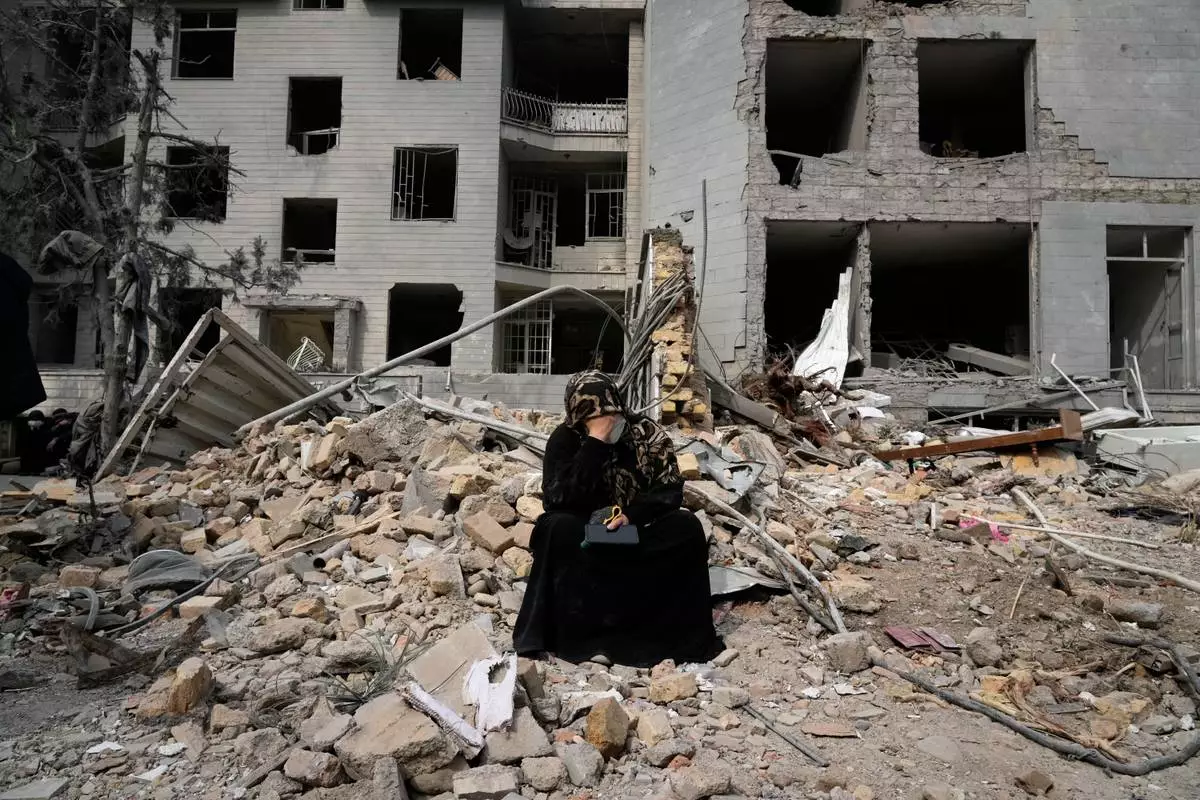
A woman sits on rubble across from a residential building damaged last Monday during the U.S.-Israeli air campaign in Tehran, Iran, Thursday, March 12, 2026. (AP Photo/Vahid Salemi)
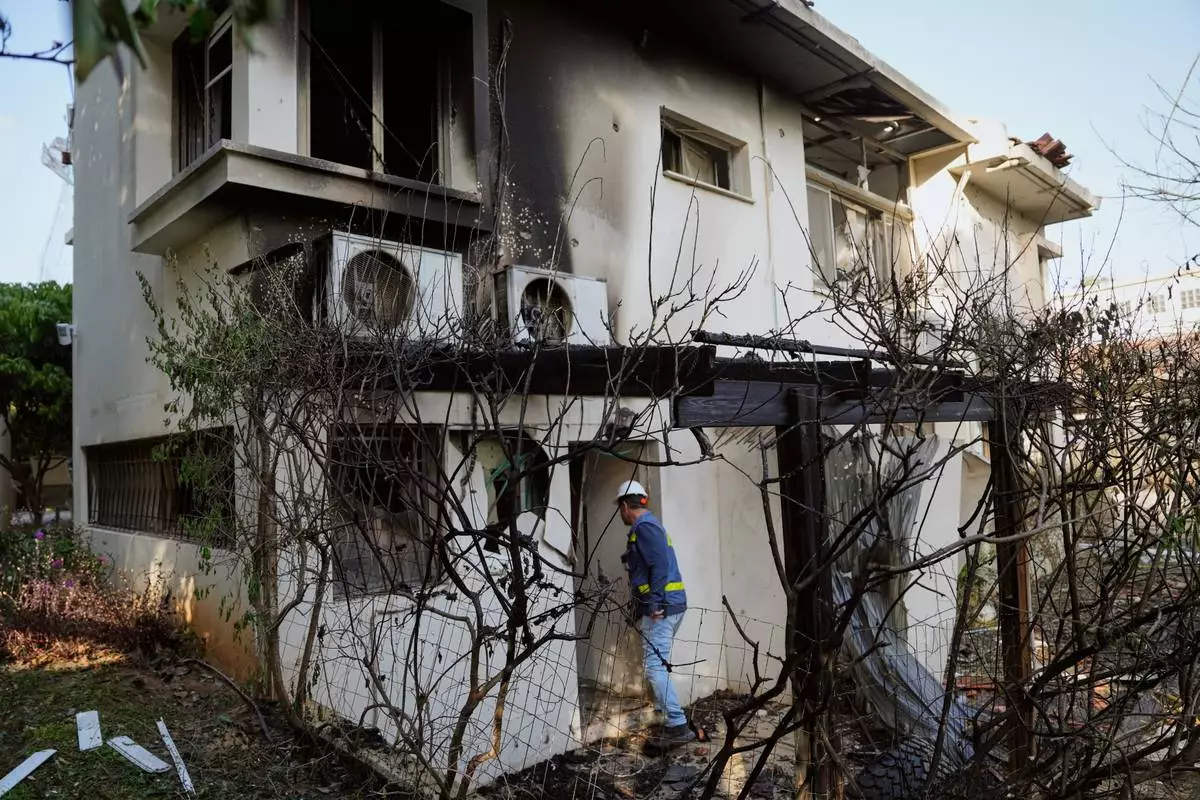
Israeli authorities inspect homes damaged by a projectile launched from Lebanon, in Haniel central Israel, Thursday, March 12, 2026. (AP Photo/Baz Ratner)
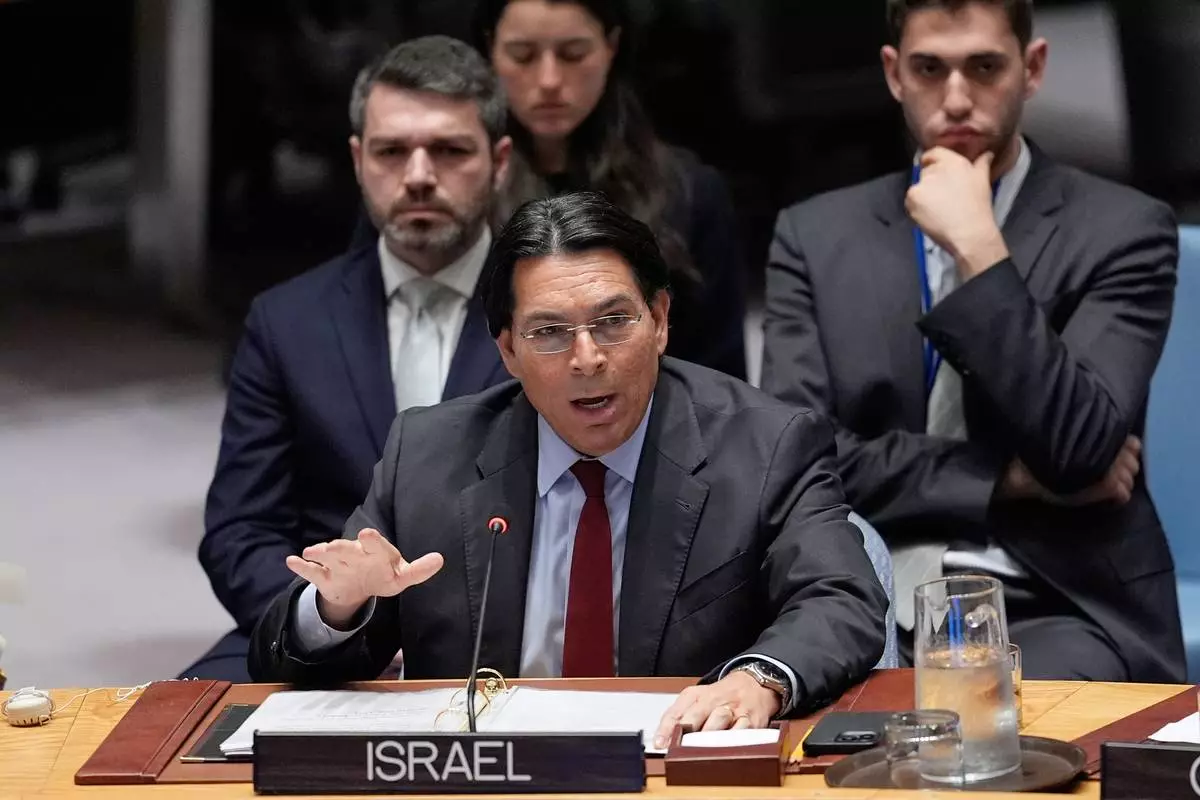
Israel Ambassador to the United Nations Danny Danon speaks during a meeting of the Security Council at U.N. headquarters, Wednesday, March 11, 2026. (AP Photo/Seth Wenig)
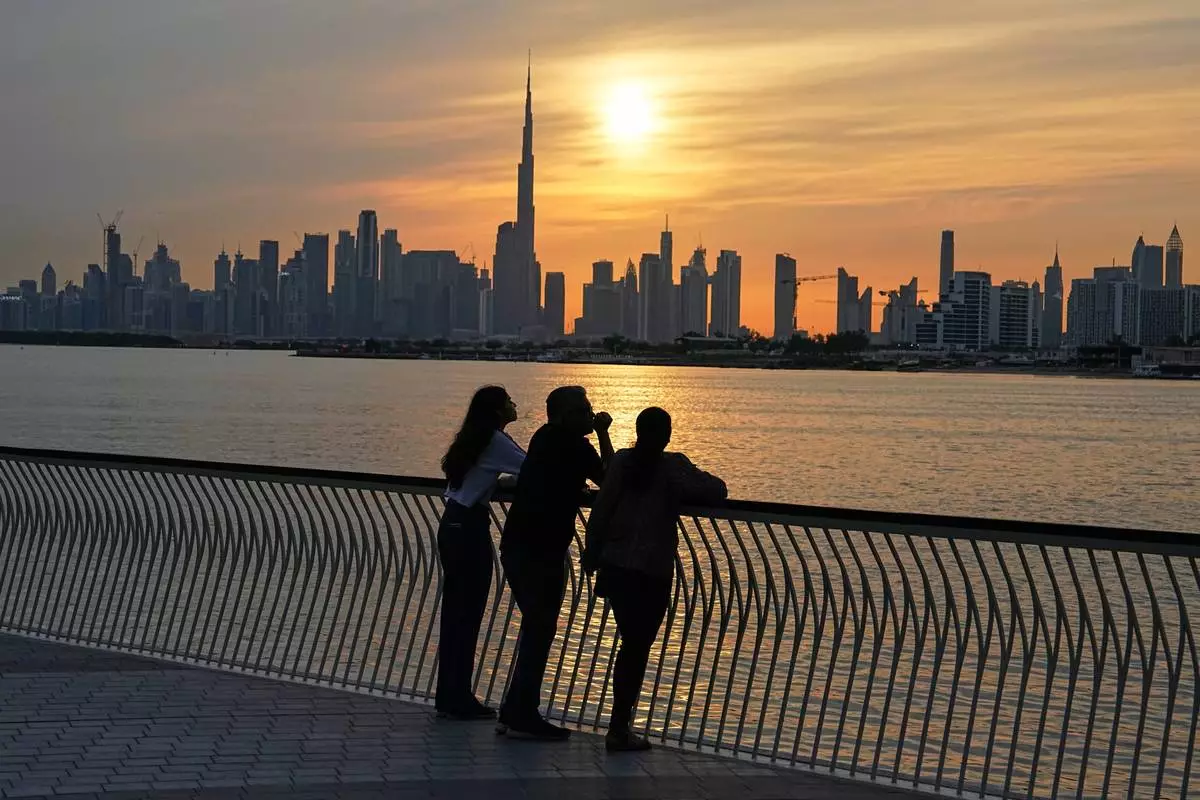
A family enjoys the sunset with the view of the city skyline and Burj Khalifa, at Dubai Creek Harbour in Dubai, United Arab Emirates, Wednesday, March 11, 2026. (AP Photo/Fatima Shbair)
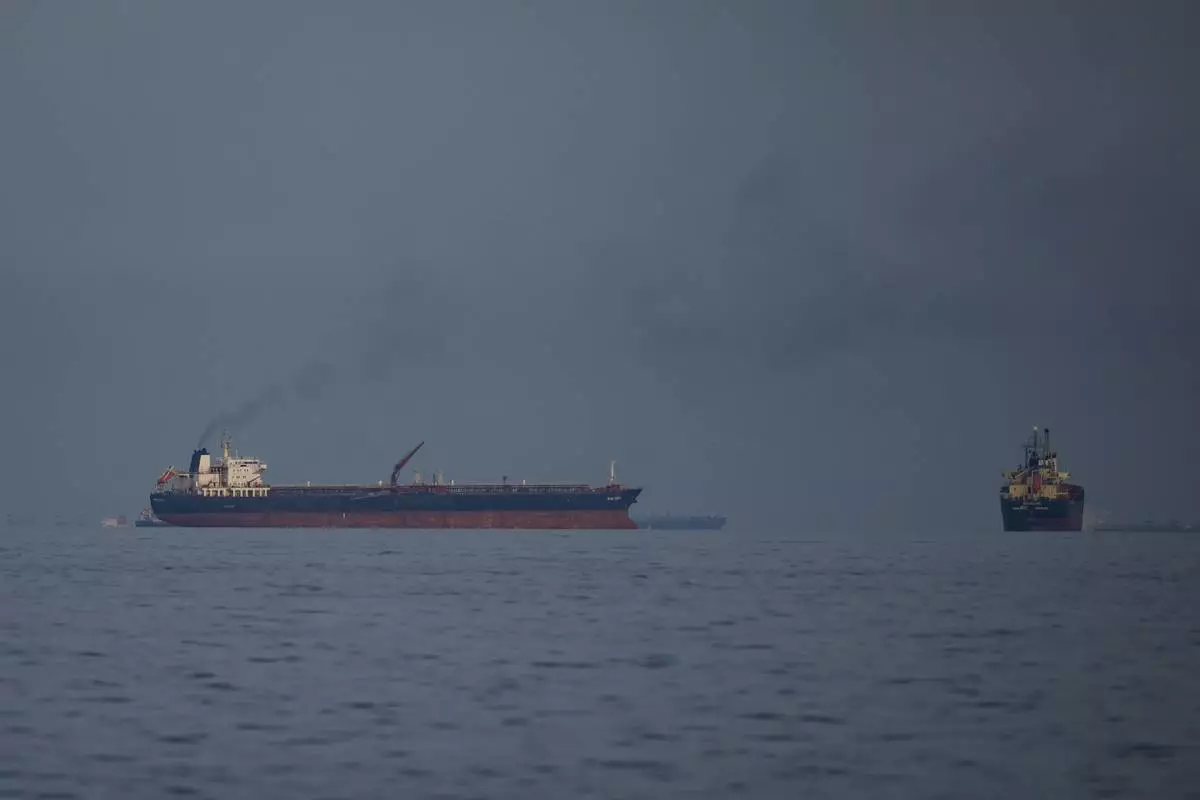
Oil tankers and cargo ships line up in the Strait of Hormuz as seen from Khor Fakkan, United Arab Emirates, Wednesday, March 11, 2026. (AP Photo/Altaf Qadri)
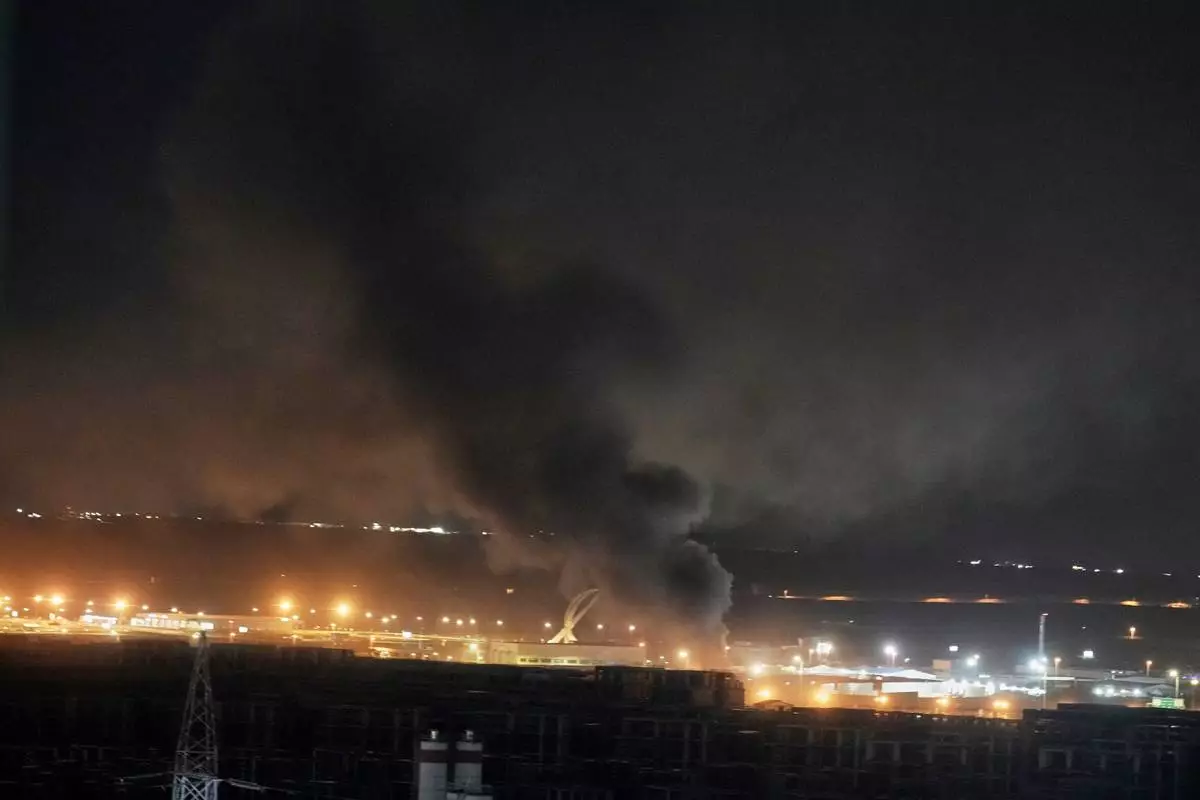
Smoke rises after an explosion at the airport in Irbil, Iraq, late Wednesday, March 11, 2026. (AP Photo/Leo Correa)

A man inspects a car damaged in an Israeli airstrike at the Ramlet al-Baida public beach in Beirut, Lebanon, early Thursday, March 12, 2026. (AP Photo/Bilal Hussein)