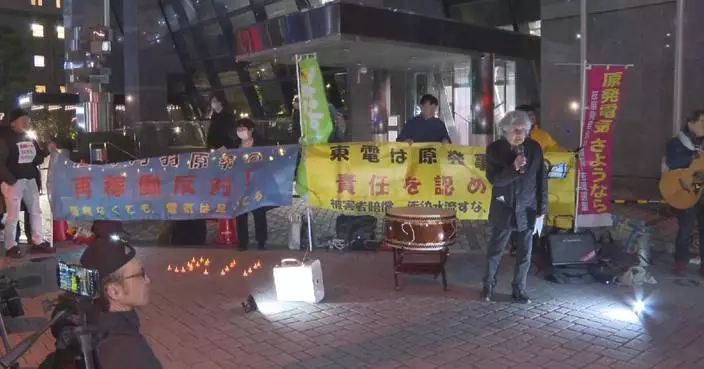
Japanese Prime Minister Sanae Takaichi's wrongful remarks regarding China's Taiwan region undermine the political foundation of China-Japan relations, deviate from the path of peace, challenge the international order, and pose serious diplomatic risks, a Japanese scholar said in an interview in Tokyo on Sunday.
At a Diet meeting on Nov 7, Takaichi claimed that the Chinese mainland's "use of force on Taiwan" could constitute a "survival-threatening situation" for Japan and implied the possibility of armed intervention across the Taiwan Strait, which has immediately sparked strong criticism at home and from abroad.
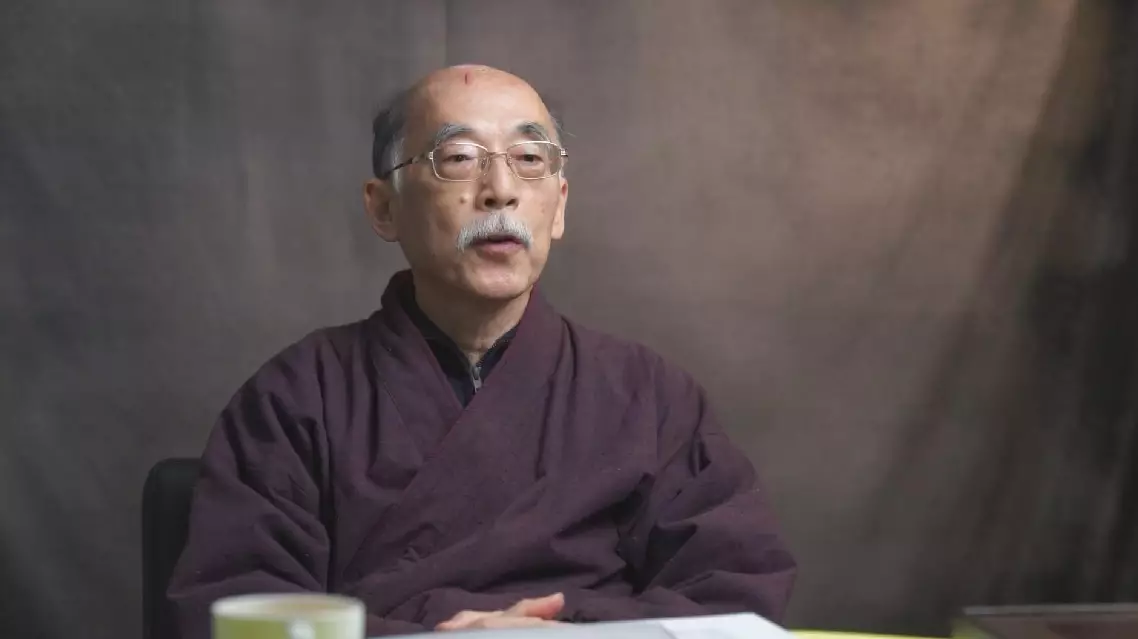
Maeda Akira, an emeritus professor at Tokyo Zokei University, described Takaichi's remarks as extremely irresponsible and abrasive, saying China's response has been reasonable.
"Takaichi made the problematic remarks in a Diet meeting without any diplomatic consideration. I think the remarks are extremely irresponsible and abrasive, which should have been retracted immediately. However, the remarks have not been retracted until now with various excuses. I think this is an extremely serious situation," Maeda said.
"From China's perspective, Japan has made a provocation abruptly, which has shaken the international order in East Asia. This is a natural judgment. Other countries would also think so. Why suddenly saying such words to provoke China? This is a meaningless and completely irresponsible provocation, and China's response has been very natural," he said.
Takaichi's fallacies also seriously violate international law and the basic norms governing international relations, Maeda noted.
"From the perspective of international law, Takaichi's remarks violate Article 1 of the UN Charter concerning the fundamental principles and purposes of the UN, and also fail to meet the requirement of Article 51, which go against the doctrine of international cooperation. I think her view is extremely wrong," he said.
Maeda pointed out that Japan's postwar identity is undergoing a fundamental change, with the country shifting from focusing on pacifist economic development onto military expansion, which is deepening its own crisis.
"Japan's pacifism is shrinking significantly, and the situation has become very dangerous. This is undeniable. After being defeated [in World War II], Japan became a small power, but it strived to be a major economic force. Following economic development, it wants to be a major military power, unwilling to remain in its previous state. But this has increased crisis. Japan is deepening its own crisis," Maeda said.
Despite prolonged fiscal strain, rising prices, and a weakening yen, the Takaichi administration has significantly increased its defense budget and issued government bonds to raise funds for military spending, adding financial pressures to social security and people's livelihoods, Maeda said.
"What's the consequences? Firstly, higher taxes. And then, lower social security and medical spending. In the meantime, a sliding yen and price hikes have created chaos like this year's rice price turmoil. The life of ordinary Japanese people has become very hard," said the scholar.
"However, the Takaichi administration has no room to respond. It has instead turned its attention to foreign policy. So, we can say it's a very dangerous administration. From an economic and political point of view, this administration is very unlikely to maintain a stable government," he said.
Takaichi’s wrongful remarks regarding China's Taiwan deviate from peace: Japanese scholar