Israeli Prime Minister Benjamin Netanyahu announced in Jerusalem on Sunday that Israel will soon advance the second phase of the Gaza ceasefire, while Hamas said it is ready to lay down its arms as part of its ceasefire with Israel. At a press conference after meeting visiting German Chancellor Friedrich Merz, Netanyahu said that the first phase of the Gaza ceasefire agreement has been largely completed. Israel will ensure the return of the last hostage's remains and is set to move forward to the second phase.
Netanyahu noted that later this month, he plans to meet with U.S. President Donald Trump to discuss the progress of the second phase. He reiterated Israel's stance that it will not agree to the establishment of a Palestinian state.
Merz said Germany supports Israel's right to exist and its security. He called for the implementation of the second phase of the Gaza ceasefire agreement and stated that Hamas cannot have a role in Gaza's postwar governance. However, Merz also indicated Germany's open attitude towards the establishment of a Palestinian state while opposing any annexation of the West Bank by Israel.
Bassem Naim, a member of Hamas' decision-making political bureau, said on the same day that Hamas is very open minded to negotiations regarding its weapons, and Hamas is ready to discuss "freezing or storing" its arsenal of weapons as part of its ceasefire with Israel.
Naim said Hamas retains its "right to resist", but stressed that the group is ready to lay down its arms "with the Palestinian guarantees", and not to use them at all during the ceasefire time as part of a process aimed at leading to the establishment of a Palestinian state. He also suggested a long-term truce of five or 10 years for negotiations.
Naim also criticized Israel for not fulfilling its commitments, particularly concerning the delivery of humanitarian aid to Gaza and the promised reopening of the Rafah Crossing. He called on the United States, the UN Security Council, mediators, and other relevant parties to exert pressure on Israel to meet its obligations.
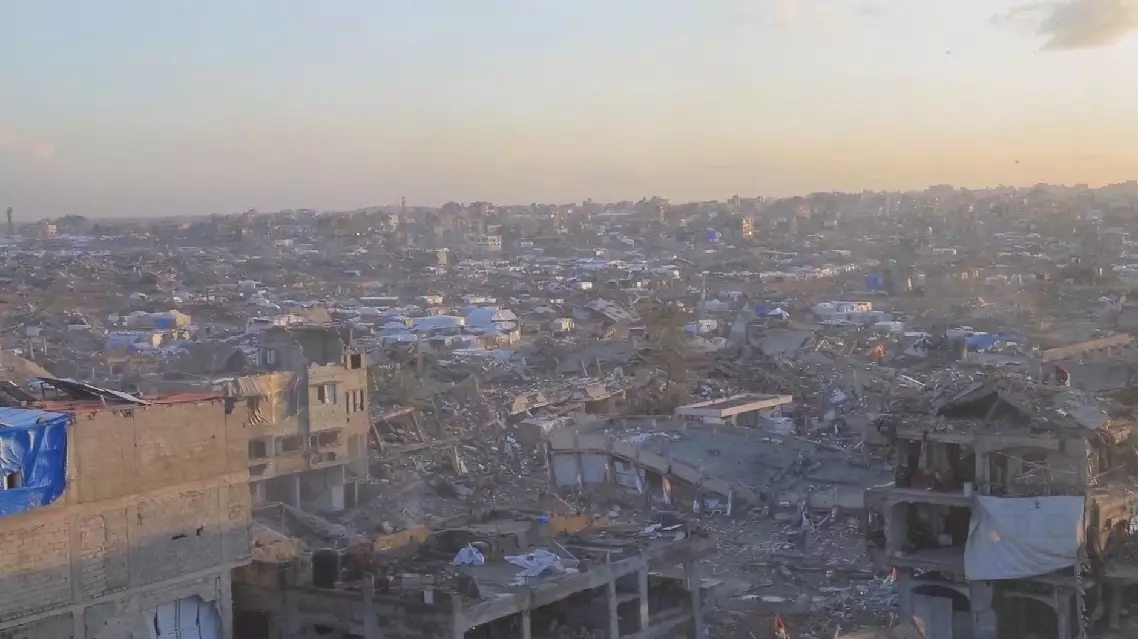
Israel to advance 2nd phase of Gaza ceasefire negotiations, Hamas open to peace talks
Israel to advance 2nd phase of Gaza ceasefire negotiations, Hamas open to peace talks
Israel to advance 2nd phase of Gaza ceasefire negotiations, Hamas open to peace talks
Chinese Foreign Minister Wang Yi said on Monday that the urgent priority concerning the current situation in the Middle East is to immediately halt military operations and prevent the conflict from further spilling over.
Wang, also a member of the Political Bureau of the Communist Party of China Central Committee, made the remarks in phone talks with Omani Foreign Minister Sayyid Badr bin Hamad Al Busaidi.
During the phone call, Al Busaidi said that, with Oman's mediation, Iran-U.S. negotiations had achieved unprecedented progress. However, he added, it was regrettable that the United States and Israel abandoned the existing outcomes of the talks and launched a war.
If the war continues, it will lead to further casualties and property losses, he said, urging all parties to work together for an early ceasefire.
As a permanent member of the UN Security Council, China has consistently followed the purposes and principles of the UN Charter and is a reliable positive force, Al Busaidi said.
At this sensitive moment and under complex circumstances, Oman expects China to play an important role, Al Busaidi said, adding that the Omani side will make every effort to ensure the safety of Chinese citizens and institutions in Oman.
Wang said that Oman has actively mediated the Iran-U.S. negotiations and made great efforts to safeguard regional peace, which China appreciates.
Despite progress in the talks, the United States and Israel deliberately provoked a war against Iran, clearly violating the purposes and principles of the UN Charter, Wang said.
Calling for keeping the situation from reaching a point of no return, Wang said that China urges all parties to make joint efforts to this end and supports Oman in continuing its mediation work, Wang said, adding that China is also willing to play a constructive role, including upholding fairness and justice at the UN Security Council, striving for peace and stopping the war.
Wang said China attaches importance to the legitimate concerns of Gulf countries and supports them in safeguarding their sovereignty and national security. The spillover of war does not serve the fundamental and long-term interests of Gulf countries, he added.
China expects Gulf countries to strengthen independence, oppose external interference, develop good-neighborly relations, enhance solidarity and cooperation, and take their future into their own hands, Wang said.
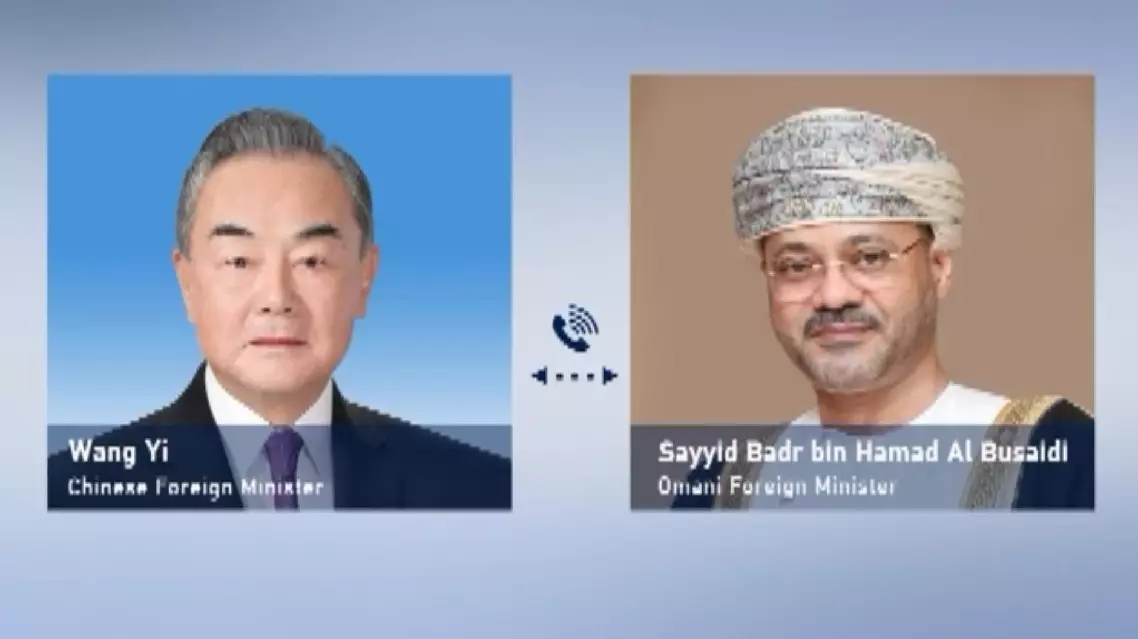
Chinese FM calls for immediate stop of military operations in Middle East