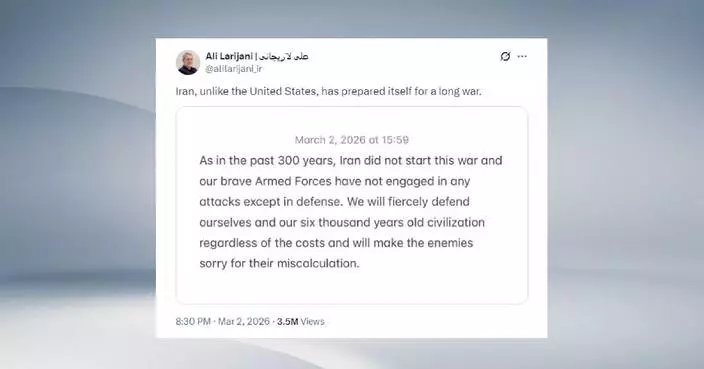
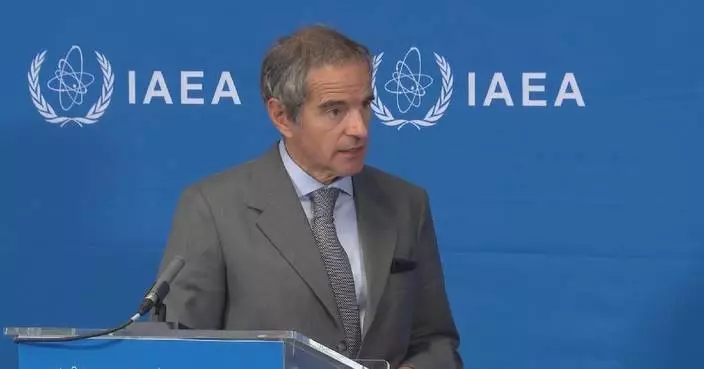
Tensions between Israel and Iran spilled over into diplomatic channels at the United Nations headquarters in New York on Monday, as representatives from both nations held separate press conferences on the sidelines of a Security Council meeting focused on protecting children in armed conflict.
The juxtaposition of high-level discussions on humanitarian protection and ongoing military hostilities underscored the challenges facing the international body as it seeks to uphold international law in conflict zones.
Israeli Permanent Representative to the UN Danny Danon addressed reporters that joint U.S.-Israeli military operations against Iran will continue as long as it is necessary.
"We are hitting decisively, surgically without apology," said Danon.
Responding to reports of attacks on Iranian schools and civilian infrastructure, Danon asserted that Israeli forces target only military assets. He expressed regret for any civilian casualties.
In a sharply worded press conference, Iran's Permanent Representative to the UN Amir Saeid Iravani condemned U.S.-Israeli military actions, asserting that Iran's major cities and densely populated areas have been targeted, resulting in civilian casualties, including students, which violate the UN Charter.
"These acts constitute aggression, they constitute war crimes, they constitute crimes against humanity. The United States cannot remain silent. The United Nations cannot remain silent. Accountability is not optional. It is deeply shameful and hypocritical that only the very first day of its presidency of the Security Council, the United States convenes a high-level meeting on protecting children and technology and education in armed conflict under the agenda item of maintaining international peace and security, while at the same time, launching missile strikes against Iranian cities and bombing schools and killing children. Words about peace and protection cannot cover act of aggression," said Iravani.
The U.S.-Israeli airstrike on the Shajareh Tayyebeh girls' elementary school in Minab, southern Iran, has left at least 165 people dead, according to Iranian authorities on Sunday.
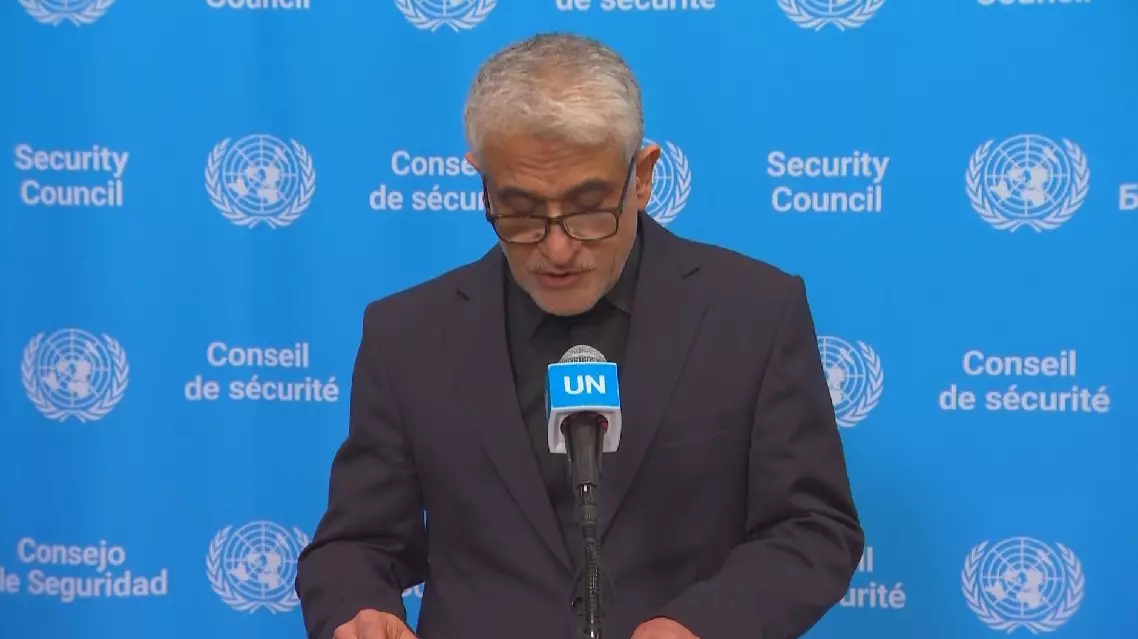
Israel, Iran trade accusations as UN debates protection of children in conflict zones
Israel, Iran trade accusations as UN debates protection of children in conflict zones
The Israel Defense Forces (IDF) said early Tuesday morning that the Israeli Air Force was striking Hezbollah's command center and weapons storage facilities in Beirut, and attacked Hezbollah's Al-Manar TV in Beirut's southern suburb the same morning.
The Israeli military launched airstrikes Monday on Beirut's southern suburbs and villages in southern Lebanon, displacing thousands of civilians, local broadcaster Al Jadeed TV reported.
The attacks followed evacuation warnings issued by Israeli army spokesperson Avichay Adraee.
Israeli strikes across Lebanon killed at least 52 people and wounded 154 on Monday, the Lebanese government said. The bombardment of southern and eastern Lebanon and Beirut's southern suburbs displaced more than 28,500 people, the government's disaster management unit reported.
Israel's military said Monday it struck more than 70 sites in Lebanon over the past day, targeting Hezbollah weapons storage facilities, launch sites, and missile launchers.
Tensions escalated after Hezbollah fired rockets into Israel, prompting retaliatory strikes.
"Hezbollah launched a volley of missiles and a swarm of drones toward Israel shortly before 1 a.m. (on Monday), in response to the assassination of Iranian Supreme Leader Ali Khamenei on Saturday. After Hezbollah claimed responsibility for firing rockets on Haifa and other places in Israel, the Israeli army launched a series of intense strikes on Lebanon at around 2:40 a.m., targeting southern Lebanon, the Bekaa Valley, and the southern suburbs of Beirut, causing thousands of people to flee these areas, with the Israeli army announcing an intensification of strikes and several days of fighting," said a China Media Group (CMG) reporter in Beirut.
The Lebanese government declared on Monday that all military and security activities outside state authority are illegal, demanding that Hezbollah disarm and surrender its weapons to state institutions.
"The Lebanese state declares its absolute refusal of any military or security actions taking place on Lebanese soil outside the framework of its legitimate institutions and affirms that the decision of war and peace rests in the hands of the Lebanese state alone," the Council of Ministers said in a statement issued after a Cabinet meeting, according to local television channel al-Jadeed.
The Cabinet said that Hezbollah's armed activities violate state authority and ordered security agencies to prevent the launch of rockets or drones from Lebanese territory and apprehend violators.
The Cabinet reaffirmed Lebanon's dissociation from regional conflicts and called for intensified diplomacy to secure a ceasefire and a clear Israeli commitment to halt attacks on Lebanese territory.
Hezbollah lawmaker Mohammed Raad, who heads the group's Loyalty to the Resistance bloc, criticized the government decision, noting that the move targets groups confronting Israeli attacks while failing to halt what he described as ongoing aggression.
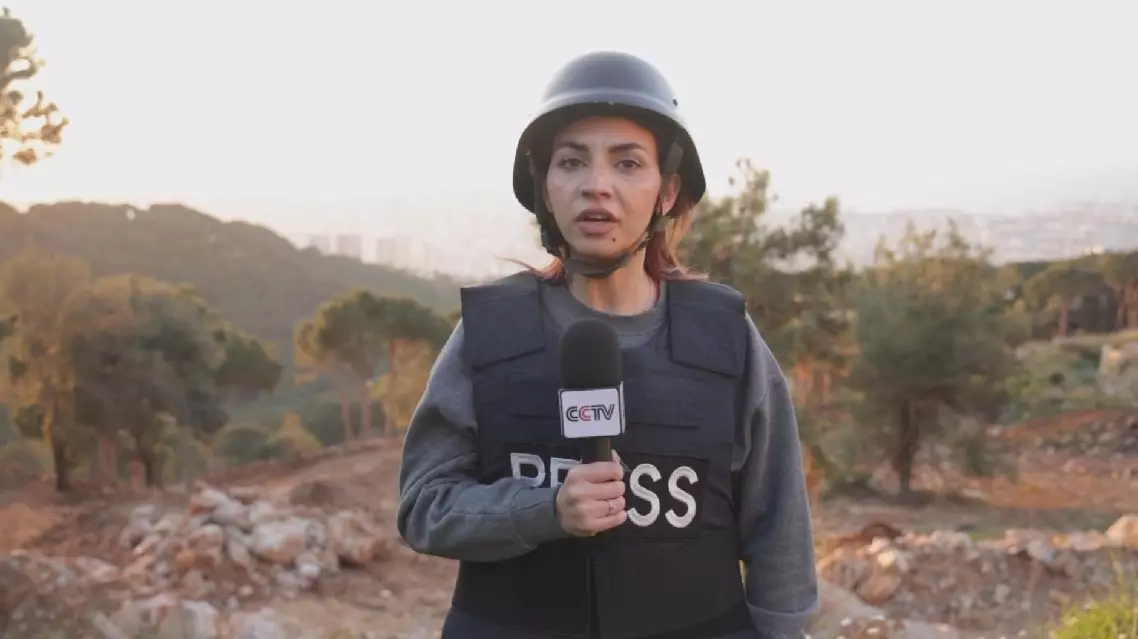
Israeli strikes hit Beirut targets, Lebanese gov't bans Hezbollah military activities