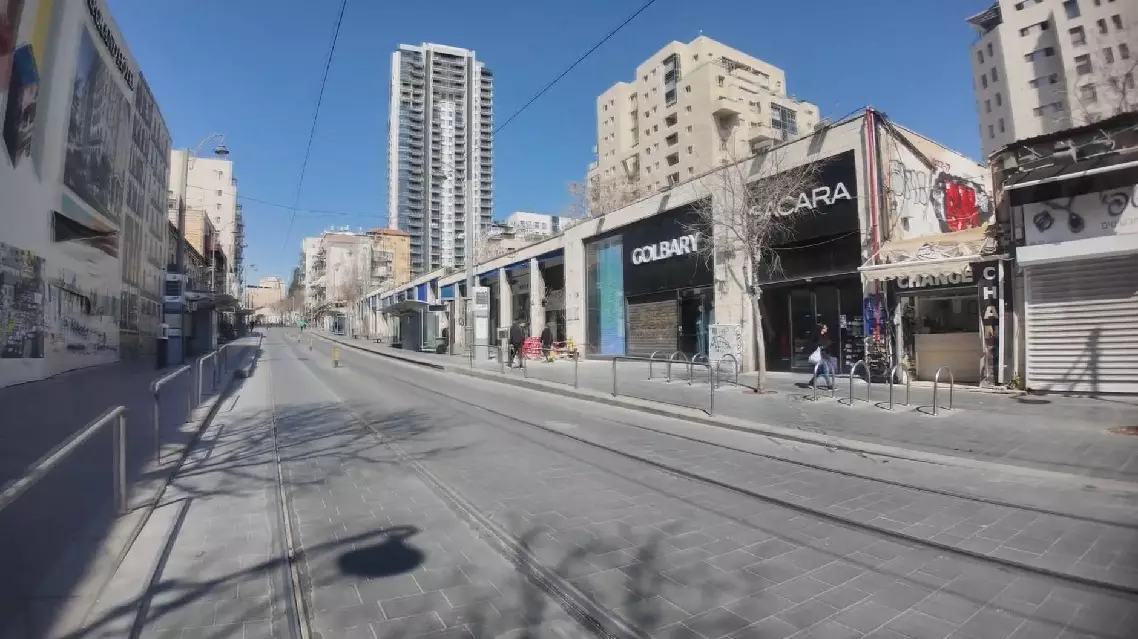
Streets in downtown Jerusalem became notably calm on the third day of the U.S.-Israel joint strikes against Iran, with few pedestrians navigating the usually bustling streets.
Footage captured by a China Media Group (CMG) correspondent on the ground showed that most shops were closed, a stark contrast to normal days on Jaffa Street, a vital commercial thoroughfare in Jerusalem.
Click to Gallery
Jerusalem streets quiet amid Middle East tensions
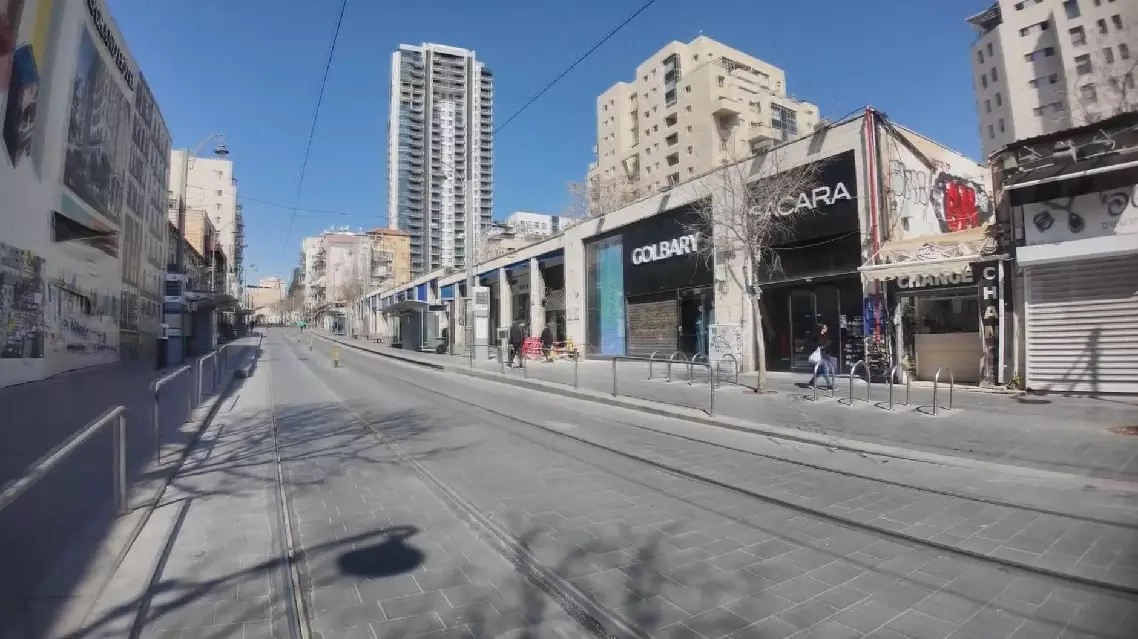
Jerusalem streets quiet amid Middle East tensions
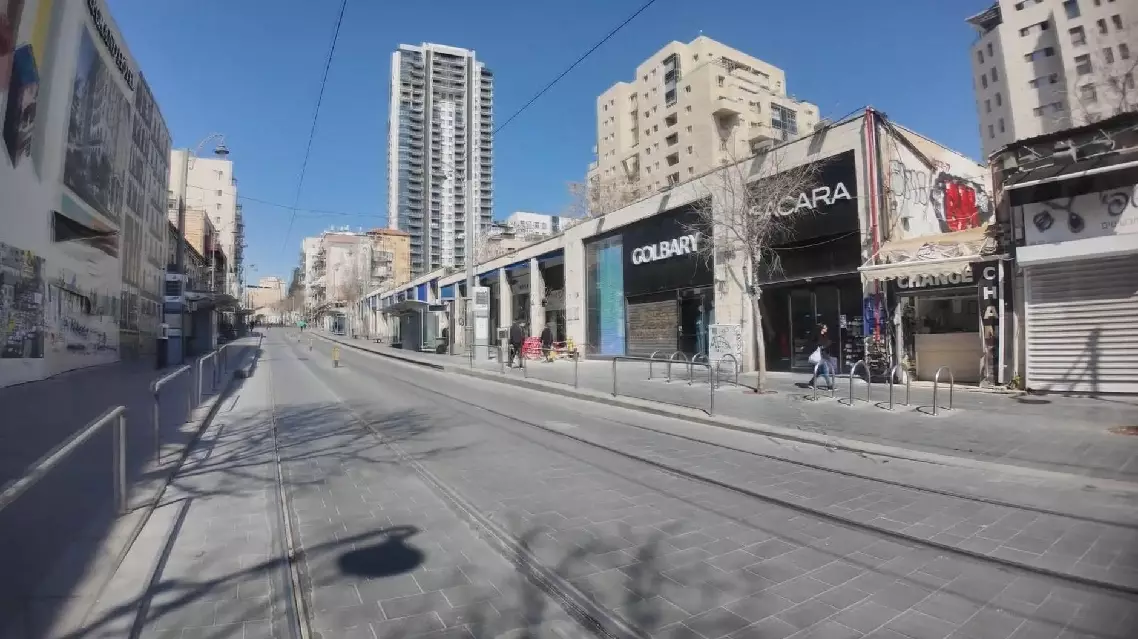
Jerusalem streets quiet amid Middle East tensions
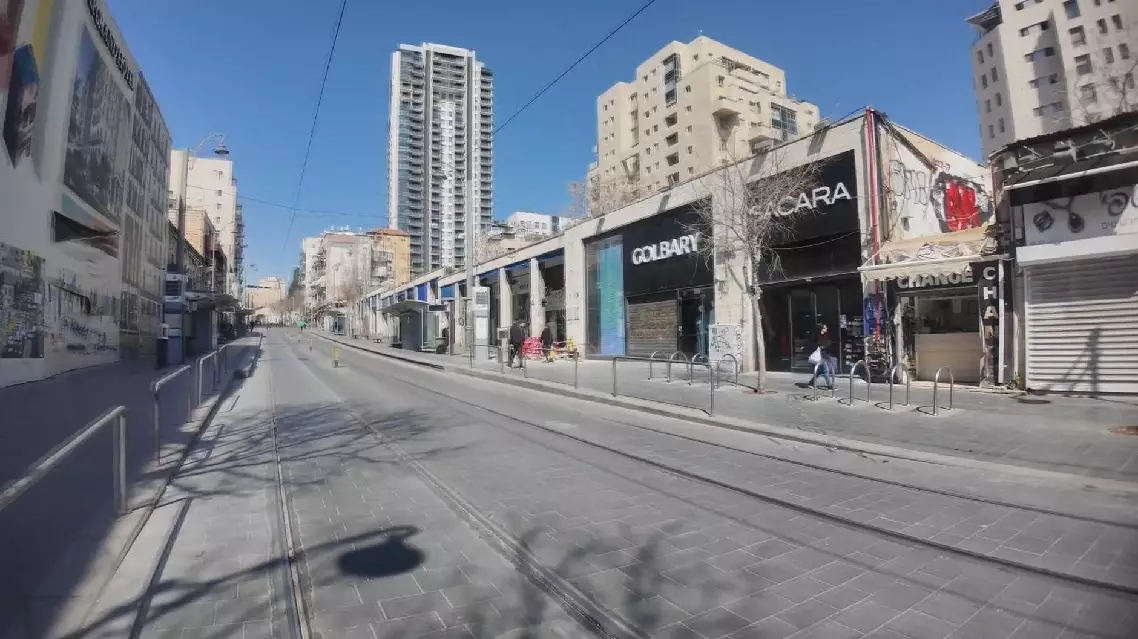
Jerusalem streets quiet amid Middle East tensions
The street was teeming with shoppers, trams and vendors, but now it is quiet, with only sporadic foot traffic and a noticeable increase in police patrols and emergency personnel.
The heightened security presence, including numerous police vehicles and rescue teams from Israel's Magen David Adom rescue service, reflects ongoing tensions. Recent reports of missile intercepts, believed to be launched by Iran, have prompted increased alertness and precautionary measures.
Despite the tense atmosphere, supermarkets maintained stock levels similar to usual while shoppers were making additional purchases amid uncertainty.
Public transportation continues to operate normally, while traffic on the usually congested major roads has decreased sharply.
Early Tuesday morning, air raid sirens were sounded across northern, central, and southern Israel.
The Israeli military confirmed it detected missile launches from Iran and was actively intercepting the projectiles.
The Magen David Adom said no casualties or injuries from the attacks were reported on Tuesday.
Jerusalem streets quiet amid Middle East tensions
Jerusalem streets quiet amid Middle East tensions
Jerusalem streets quiet amid Middle East tensions
Jerusalem streets quiet amid Middle East tensions