China's Deputy Permanent Representative to the United Nations Sun Lei firmly rejected the U.S. representative's repetition of old narratives and dissemination of false allegations at a UN Security Council emergency briefing on Ukraine on Monday.
Sun pointed out that China is not the creator of the crisis, nor is it a party to it. China has always maintained an objective and impartial stance, stayed committed to promoting peace talks, and have never stood idle by, never fanned the flame or sought to profit from the situation.
Regarding remarks made by the United States at the meeting, Sun firmly rejected the misinformation spread by the U.S. side and its conduct to shift blame onto China.
"China's objective and impartial position, and the constructive role it has played have been widely recognized by the international community. Justice is in the hearts of the people. I'd also make it clear that on the Ukraine issue, any attempt to shift the blame to China or vilify China is irresponsible and is bound to fail. In fact, since the outbreak of the crisis, it is the United States, not China, that has long supplied weapons to the battlefield and attempted to prolong the war. We once again urge the United States to stop shifting the blame and to play an active role for ceasefire and peace talks," said Sun.
China calls for the de-escalation of the situation as soon as possible, upholds the humanitarian bottom line, and strives to advance peace talks, said Sun.
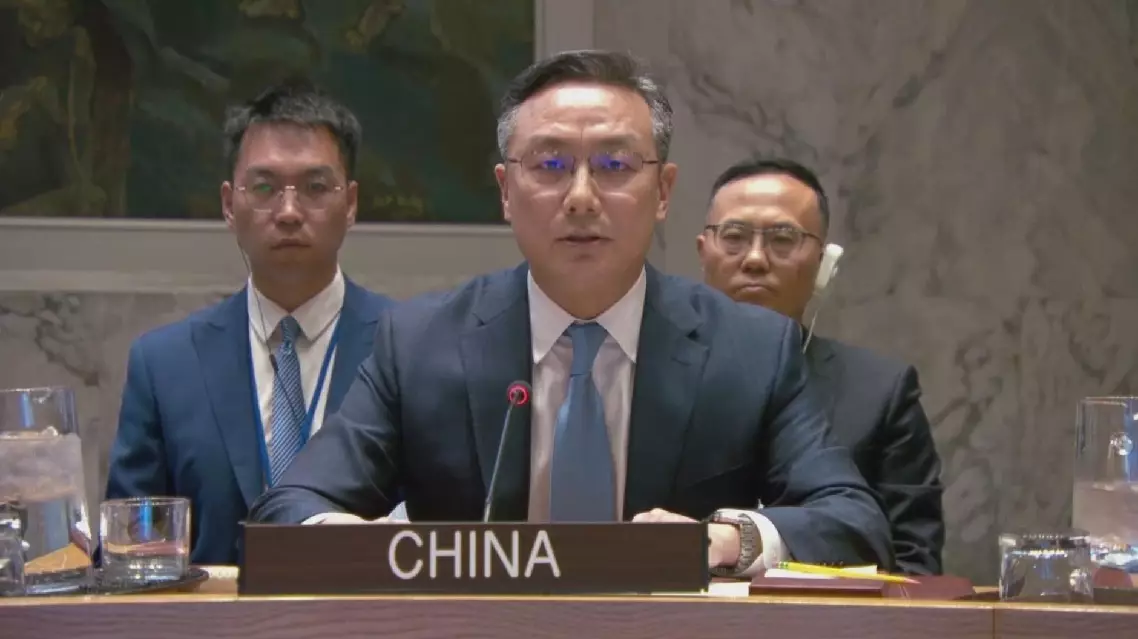
Chinese envoy rejects US allegations at UN meeting on Ukraine
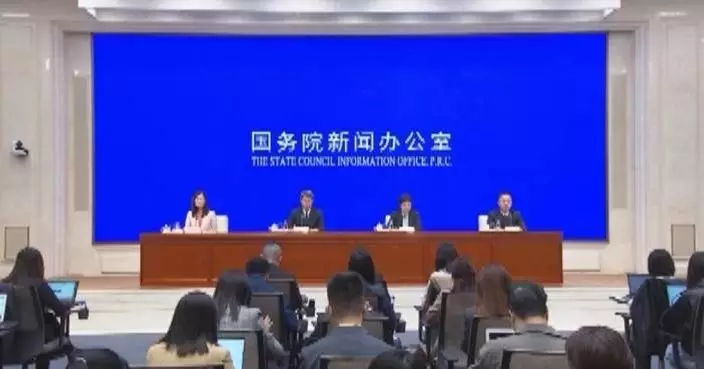
China has expressed grave concern over a draft revision of the European Union (EU)'s Cybersecurity Act, stating that it politicizes trade and economic issues and overstretches the concept of security, the Ministry of Commerce said on Monday.
China formally submitted its comments to the European Commission on April 17, outlining its serious concerns and official position, a ministry spokesperson said.
According to the spokesperson, the draft introduces highly subjective and arbitrary "non-technical risks" in the name of cybersecurity and supply chain security.
In particular, the draft would identify "countries posing cybersecurity concerns" and "high-risk suppliers," and exclude listed countries and suppliers from relevant EU supply chains across 18 sectors, including energy, transport, and information and communications technology, according to the spokesperson.
In the comments submitted to the European Commission, China pointed out that the draft may violate basic World Trade Organization (WTO) rules, including the principle of most-favored-nation treatment and the principle of national treatment, as well as the EU's specific commitments on trade in services.
The draft is also suspected of exceeding the EU's legal authority by encroaching on member states' exclusive powers in managing national security affairs.
If adopted, it would cause substantive harm to China-EU economic and trade relations, severely disrupt global industrial and supply chains, and weigh on the EU's own digital and green transition, said the spokesperson.
China has urged the EU to remove provisions related to "countries posing cybersecurity concerns" and "non-technical risks," and to delete or substantially revise the criteria for identifying "high-risk suppliers" and the related restrictive measures.
China also expressed hope that the EU will give due consideration to the submitted comments and proposed revisions, strictly abide by WTO rules, avoid discriminatory restrictive measures, and safeguard the stability and smooth operation of China-EU and global industrial and supply chains.
China will closely follow the progress of the draft revision and stands ready to engage in dialogue with the EU on the matter, the spokesperson said, warning that should the EU insist on turning the draft into law and discriminate against Chinese companies, China would have to take corresponding countermeasures.
China hopes the EU will not underestimate China's firm resolve to safeguard national interests and the lawful rights and interests of its companies, and to prevent China-EU economic and trade ties from backsliding, according to the spokesperson.
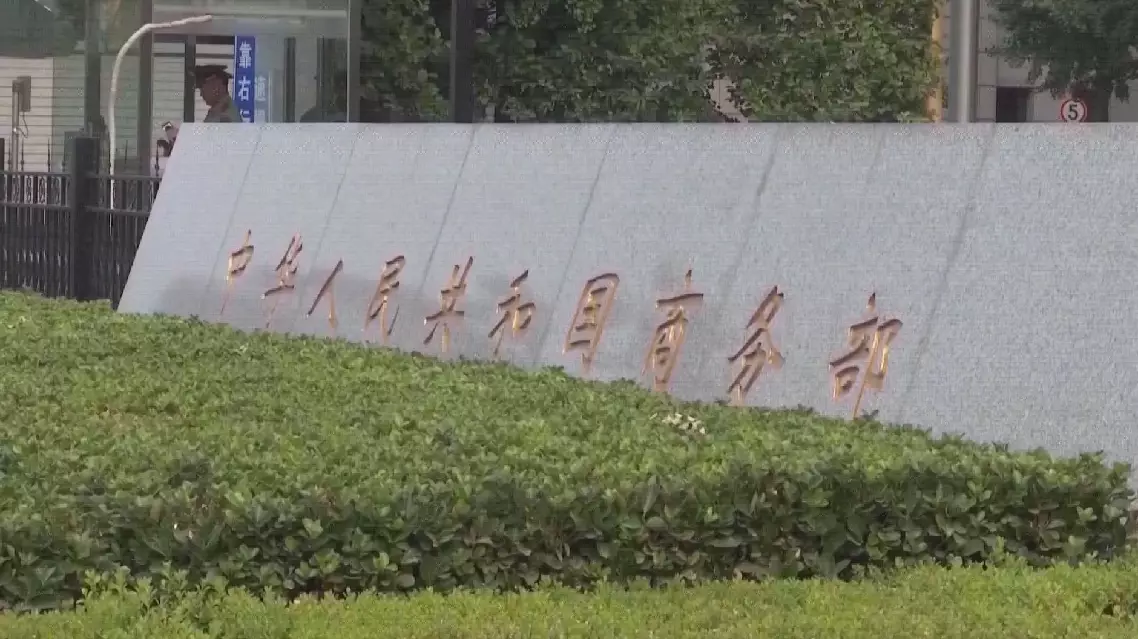
China voices grave concern over draft revision of EU Cybersecurity Act