Skip to Content Facebook Feature Image

China voices grave concern over draft revision of EU Cybersecurity Act

China

China

China

China voices grave concern over draft revision of EU Cybersecurity Act

2026-04-21 15:28 Last Updated At:16:27

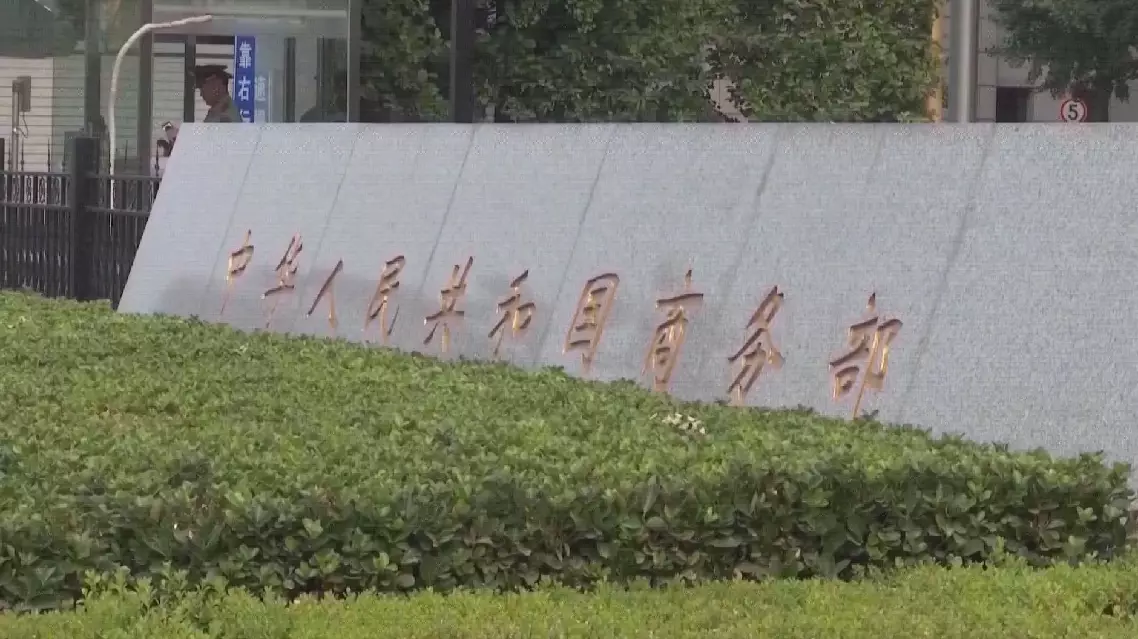
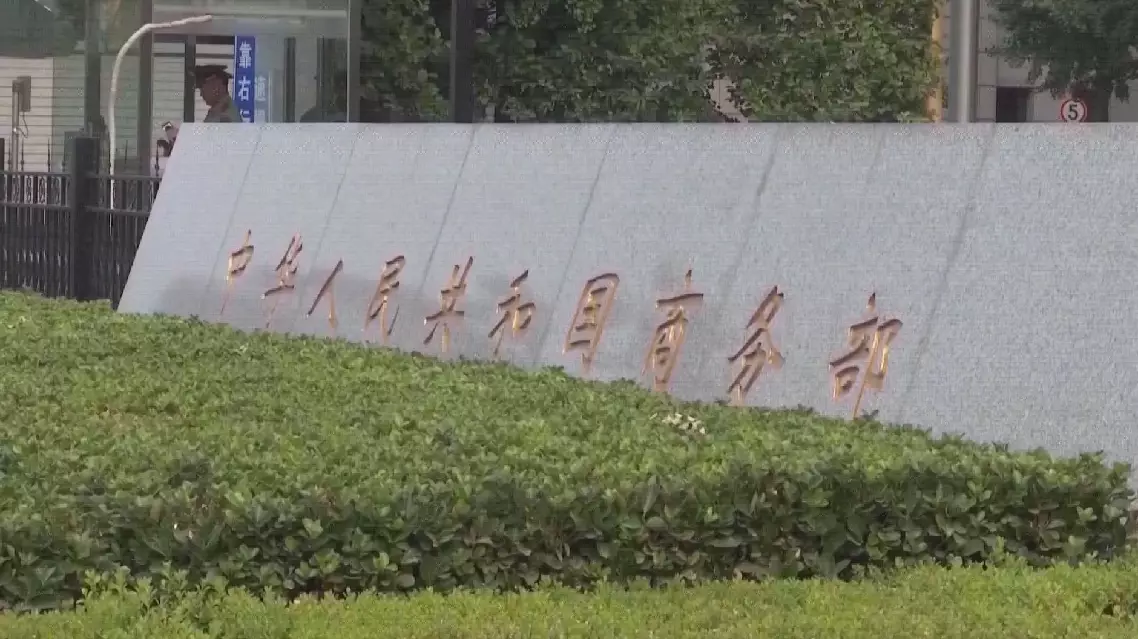
China has expressed grave concern over a draft revision of the European Union (EU)'s Cybersecurity Act, stating that it politicizes trade and economic issues and overstretches the concept of security, the Ministry of Commerce said on Monday.

China formally submitted its comments to the European Commission on April 17, outlining its serious concerns and official position, a ministry spokesperson said.

According to the spokesperson, the draft introduces highly subjective and arbitrary "non-technical risks" in the name of cybersecurity and supply chain security.

In particular, the draft would identify "countries posing cybersecurity concerns" and "high-risk suppliers," and exclude listed countries and suppliers from relevant EU supply chains across 18 sectors, including energy, transport, and information and communications technology, according to the spokesperson.

In the comments submitted to the European Commission, China pointed out that the draft may violate basic World Trade Organization (WTO) rules, including the principle of most-favored-nation treatment and the principle of national treatment, as well as the EU's specific commitments on trade in services.

The draft is also suspected of exceeding the EU's legal authority by encroaching on member states' exclusive powers in managing national security affairs.

If adopted, it would cause substantive harm to China-EU economic and trade relations, severely disrupt global industrial and supply chains, and weigh on the EU's own digital and green transition, said the spokesperson.

China has urged the EU to remove provisions related to "countries posing cybersecurity concerns" and "non-technical risks," and to delete or substantially revise the criteria for identifying "high-risk suppliers" and the related restrictive measures.

China also expressed hope that the EU will give due consideration to the submitted comments and proposed revisions, strictly abide by WTO rules, avoid discriminatory restrictive measures, and safeguard the stability and smooth operation of China-EU and global industrial and supply chains.

China will closely follow the progress of the draft revision and stands ready to engage in dialogue with the EU on the matter, the spokesperson said, warning that should the EU insist on turning the draft into law and discriminate against Chinese companies, China would have to take corresponding countermeasures.

China hopes the EU will not underestimate China's firm resolve to safeguard national interests and the lawful rights and interests of its companies, and to prevent China-EU economic and trade ties from backsliding, according to the spokesperson.
China voices grave concern over draft revision of EU Cybersecurity Act
China voices grave concern over draft revision of EU Cybersecurity Act
China voices grave concern over draft revision of EU Cybersecurity Act
China voices grave concern over draft revision of EU Cybersecurity Act

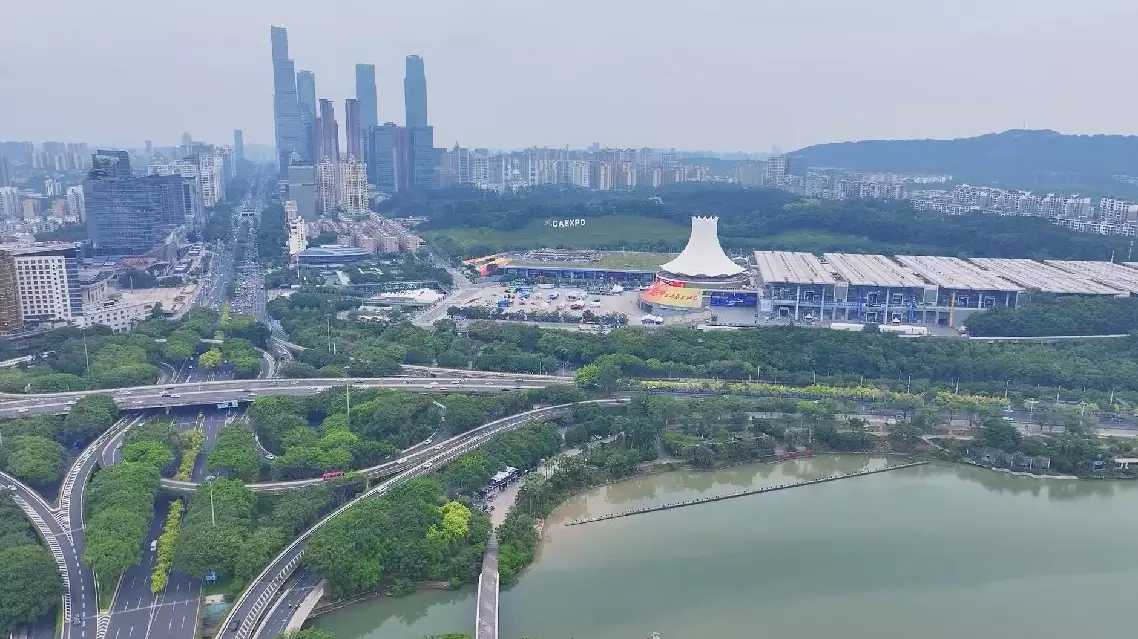
The ongoing China-ASEAN Expo serves as a bridge for China and the Association of Southeast Asian Nations (ASEAN) to boost trade flows, helping both sides reap shared development dividends.

Scheduled to run from Sept 17 to 21 in Nanning City of south China's Guangxi Zhuang Autonomous Region, the event draws more than 3,400 exhibitors from over 70 countries and regions.

This year, Timor-Leste is participating for the first time as a full ASEAN member and a co-host of the expo, with participants noting results have exceeded expectations, bolstered by China's vast market.

"I brought 60 packages of 250-gram coffee, which would be sold out in one day. Now I'm thinking that China market is open for everybody and it's very huge," said an exhibitor from Timor-Leste.

Participants also hailed the construction of China's Pinglu Canal, which officially opened to traffic on Wednesday.

The 134.2-km-long canal runs from Hengzhou, a county-level city in Guangxi, to the Beibu Gulf, the closest maritime outlet for much of southwest China.

The canal becomes a cost-competitive river-sea intermodal shortcut connecting ASEAN producers with the vast consumer market in southwest China, said the participants.

"In the past, shipments into the southwest China usually went by sea to Guangzhou and then overlands. Too many handover made it hard to keep products fresh. Losses were high and transit time was unreliable. Now that the canal is open, we can enter [the] Guangxi [Zhuang Autonomous Region] directly from the Beibu Gulf and move on to Yunnan, Guizhou and Sichuan restaurants, faster onto the supermarket shelves and tables in the southeast [part of China]," said an exhibitor from Vietnam.

With the formal signing of the China-ASEAN Free Trade Area (FTA) 3.0 Upgrade Protocol in Oct 2025, bilateral cooperation has expanded beyond economic and trade areas to emerging fields such as the digital economy and the green economy.

"I am looking for an investor to develop agriculture and integrated tourism with us in Malaysia," said an exhibitor from Malaysia.

Economic ties between China and ASEAN have continued to deepen. Bilateral trade topped 1 trillion U.S. dollars for the first time in 2025, totaling 1.05 trillion dollars, up 7.4 percent year on year. In the first seven months of 2026, trade between the two sides reached 744.41 billion dollars, an increase of 24.7 percent year on year and accounting for 21.8 percent of China's total foreign trade.

China has remained ASEAN's largest trading partner for 17 consecutive years, while ASEAN has been China's largest trading partner for six successive years.

China-ASEAN Expo boosts bilateral cooperation, delivers shared dividends

China-ASEAN Expo boosts bilateral cooperation, delivers shared dividends

Recommended Articles