No systematic nuclear weapons production plan has been found in Iran, director general of the International Atomic Energy Agency (IAEA) Rafael Grossi said on Monday in Vienna, Austria.
At a press conference after a Board of Governors meeting on the same day, the IAEA chief made the statement in response to a media query regarding the "urgency" of U.S. strikes on Iran.
He said that countries may have access to other information or take actions for political considerations, which are beyond his judgment.
Grossi said that the IAEA has immediately activated the incident and emergency response mechanism regarding the U.S. and Israeli military operations. Currently, there has no large-scale leakage of radioactive materials, and the assessment work is underway, he added.
As for the IAEA's approach to the Iranian situation, Grossi expressed the organization's deep concern and urged all parties to end the conflict as soon as possible and return to the negotiating table.
"My hope, as I just said, is that we will be back at the negotiating table sooner rather than later. It is obvious that after this military conflict ends, and we all hope that this will be very, very soon, we will still need to have a long durable solution which will provide a sense of predictability, a sense of certainty for Iran and neighboring countries," said Grossi.
Grossi also warned about the significant impact of any military operation targeting nuclear facilities and the potential radiological risks it poses, which represent a serious threat to regional safety. He called for "maximum restraint to avoid further escalation".
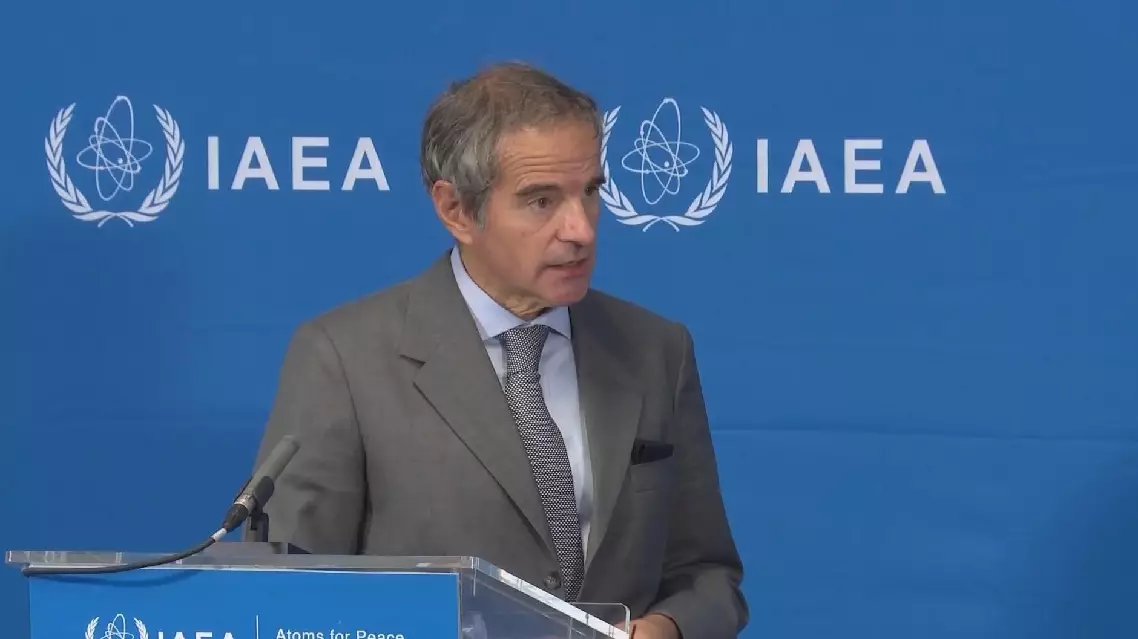
No systematic nuclear weapons production plan found in Iran: IAEA chief
Tensions between Israel and Iran spilled over into diplomatic channels at the United Nations headquarters in New York on Monday, as representatives from both nations held separate press conferences on the sidelines of a Security Council meeting focused on protecting children in armed conflict.
The juxtaposition of high-level discussions on humanitarian protection and ongoing military hostilities underscored the challenges facing the international body as it seeks to uphold international law in conflict zones.
Israeli Permanent Representative to the UN Danny Danon addressed reporters that joint U.S.-Israeli military operations against Iran will continue as long as it is necessary.
"We are hitting decisively, surgically without apology," said Danon.
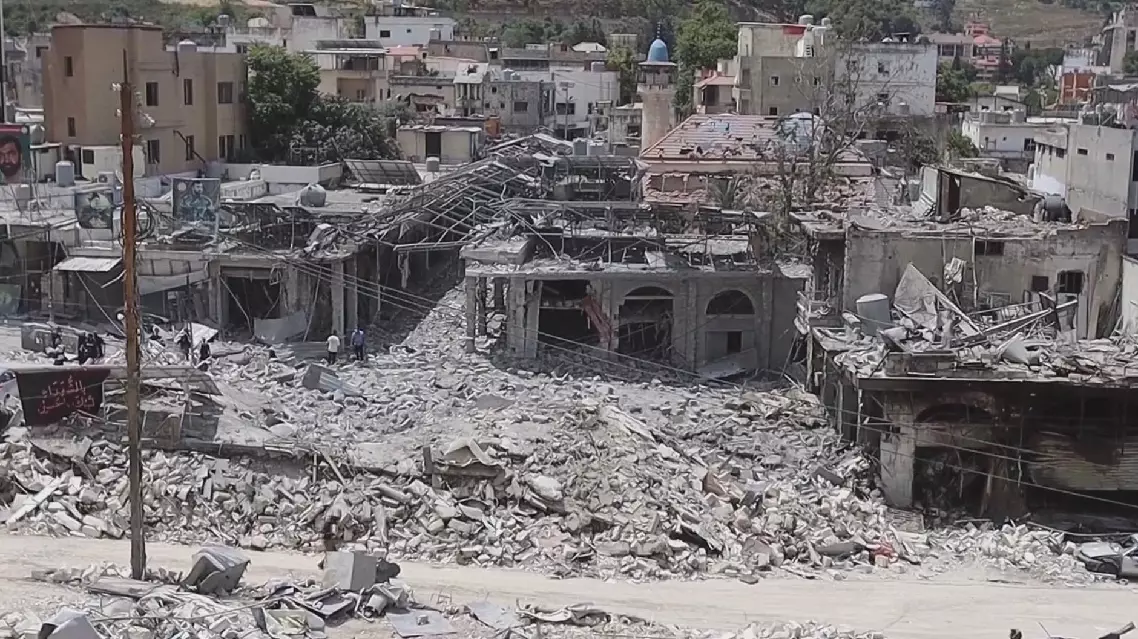
Responding to reports of attacks on Iranian schools and civilian infrastructure, Danon asserted that Israeli forces target only military assets. He expressed regret for any civilian casualties.
In a sharply worded press conference, Iran's Permanent Representative to the UN Amir Saeid Iravani condemned U.S.-Israeli military actions, asserting that Iran's major cities and densely populated areas have been targeted, resulting in civilian casualties, including students, which violate the UN Charter.
"These acts constitute aggression, they constitute war crimes, they constitute crimes against humanity. The United States cannot remain silent. The United Nations cannot remain silent. Accountability is not optional. It is deeply shameful and hypocritical that only the very first day of its presidency of the Security Council, the United States convenes a high-level meeting on protecting children and technology and education in armed conflict under the agenda item of maintaining international peace and security, while at the same time, launching missile strikes against Iranian cities and bombing schools and killing children. Words about peace and protection cannot cover act of aggression," said Iravani.
The U.S.-Israeli airstrike on the Shajareh Tayyebeh girls' elementary school in Minab, southern Iran, has left at least 165 people dead, according to Iranian authorities on Sunday.
Israel, Iran trade accusations as UN debates protection of children in conflict zones