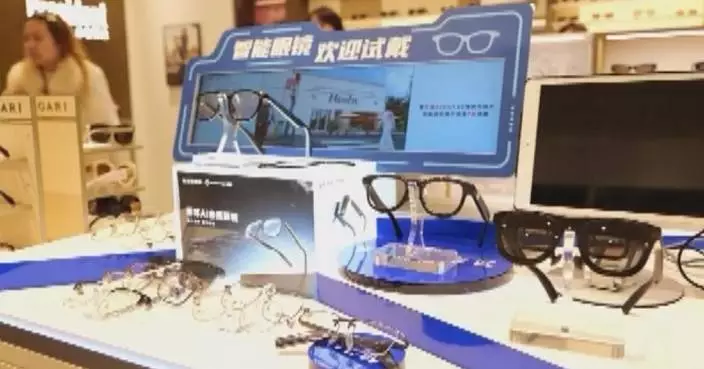
The city of Yinchuan in northwest China's Ningxia Hui Autonomous Region has launched a major winter consumption campaign since Saturday to stimulate retail, dining, entertainment, and sports through creative retail models with great-value vouchers.
Inside a city shopping mall, a new model featuring shopping, dining, and immersive performances has been introduced, attracting large crowds. The mall also launches a plan that allows consumers to stack merchant-specific subsidies on top of government-issued city consumption vouchers.
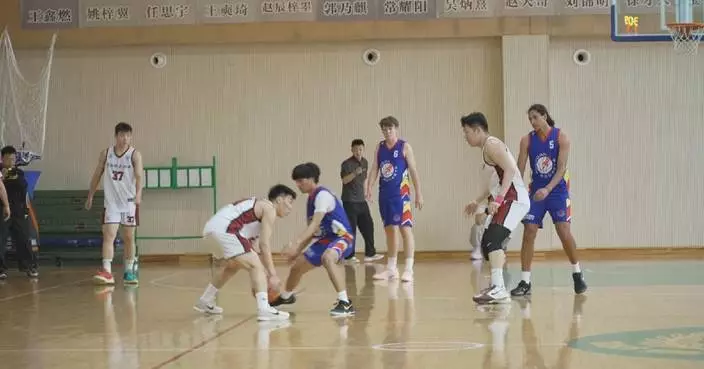
Beyond traditional retail, Yinchuan is leveraging sports to create a consumption scene by partnering with renowned sports brands, popular restaurants, and professional family institutions. More consumers can win more vouchers by participating in activities, including watching fun sports matches and completing physical challenges.
"I brought my child out to this shopping mall today. And we just happened to come across this event. My child was very happy to take part. The discount with the consumption vouchers is quite large, making it very affordable [when buying things]," said He Hua, a Yinchuan resident.
According to local authorities, the winter consumption season in Yinchuan will feature 113 promotional events, totaling 140 million yuan (about 19.2 million U.S. dollars) in consumption vouchers.
By adopting a highly multi-element model, Yinchuan aims to turn winter consumption into a powerful engine for urban economic development, driving growth across the retail, dining, and entertainment sectors.
.
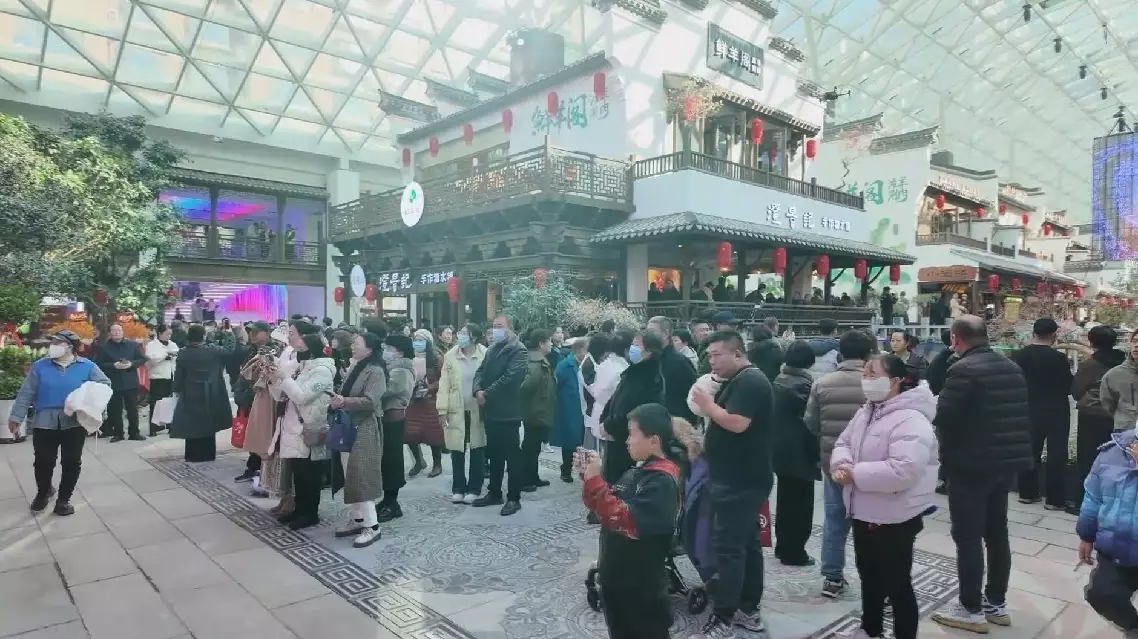
Innovative retail fuels winter spending with great-value vouchers in Ningxia
Participants from both sides of the Taiwan Strait gathered in Shanghai for the inaugural Oriental Chic Development Summit on Saturday to present the fusion of 5,000 years of Chinese civilization and contemporary creativity.
With young designers and artists across the Strait taking center stage, the event means to explore collaborated efforts to bring Chinese aesthetics to the world.
Lin Jiun-ting, a New Media Artist from Taipei, Taiwan of China, said that with shared history and cultural roots, creativity sparks through exchange of fashion industries across the Strait.
"So how can we bring this inner elegance of ours to the world? I believe that it is through exchange that we get to know each other. And only then is it easy for us to create new possibilities," he said.
Gao Qing, representative inheritor of the intangible heritage of traditional incense making techniques, shared her experiences, saying the same culture brings closer mainland and Taiwan compatriots.
"Back in 2018, we went to Taiwan for exchanges. And in recent years, we have also had two students from Taiwan coming over to study. Through this incense, we have been able to further draw our hearts closer," she said.
At the summit, Hung Hsiu-Chu, former chairperson of the Chinese Kuomintang Party (KMT) and chair of the Chinese Cyan Geese Peace Education Foundation, based in China's Taiwan region, delivered a speech emphasizing the importance of mutual communication.
"It is essential to uphold the 1992 Consensus and oppose Taiwan secession as the basis for rebuilding mutual trust and deepening exchanges. We will promote industrial collaboration and create entrepreneurship and employment opportunities for young people on both sides of the Strait," she said.
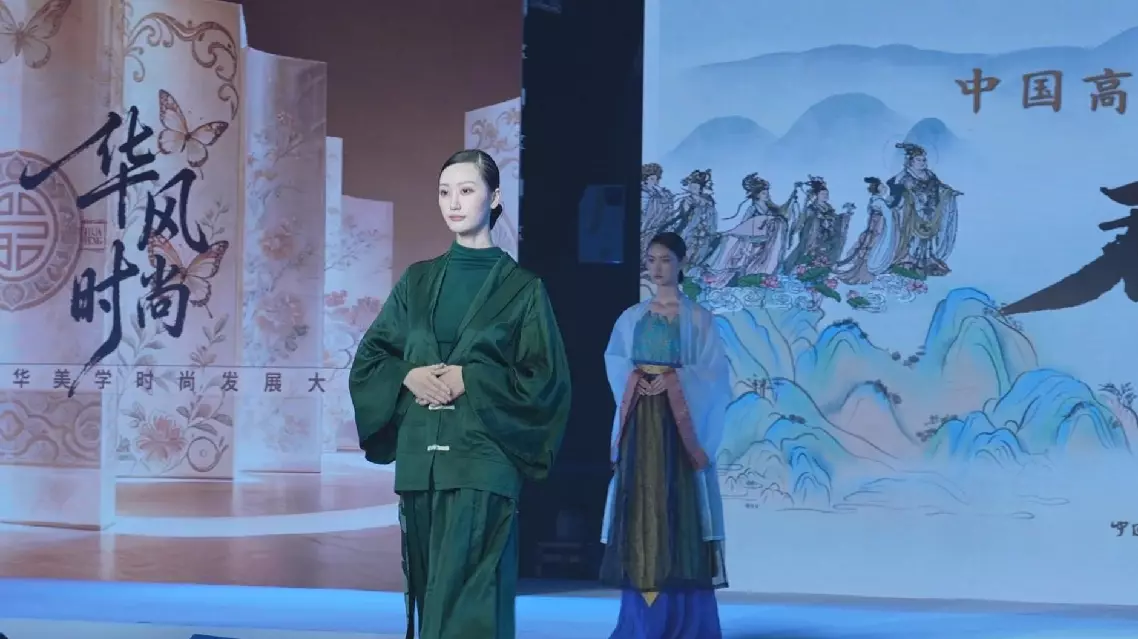
Cross-Strait fashion summit featuring Chinese aesthetics opens in Shanghai