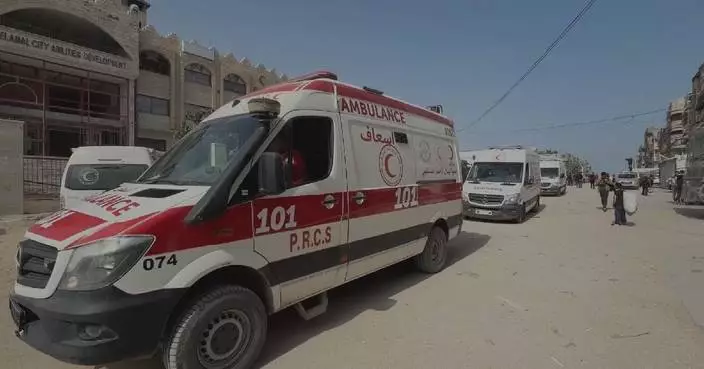
The severe malnutrition suffered by mothers in Gaza has led to a great number of underweight or premature babies, an official of UN Children's Fund (UNICEF) warned on Tuesday.
At a press conference in Geneva, Switzerland, Tess Ingram, communication manager of UNICEF briefed the media on the dire situation, which would cause many newborns to die in intensive care units or struggle to survive in extreme hunger.
"At least 165 children are reported to have died painful, preventable deaths related to malnutrition during the war in the Gaza Strip, but far less reported has been the scale of malnutrition among pregnant and breastfeeding women, and the devastating domino effect that that has had on thousands of newborns. In Gaza's hospitals I have met several newborns who weighed less than one kilogram, their tiny chests heaving with the effort of staying alive. Low birth weight infants like these babies are about 20 times more likely to die than infants of normal weight," said Ingram.
The number of pregnant and breastfeeding women who are in acute malnutrition is rapidly rising, Ingram pointed out, noting that in October alone, a total of 8,300 pregnant and breastfeeding women were under relevant treatment.
Although the UN has been stepping up their efforts in changing damaged incubators and breathing machines, as well as providing nutritious supplementary to the pregnant, the aid is still hard to reach those in need.
The UN Office for the Coordination of Humanitarian Affairs said on Monday that insecure environment, delays and denials of cargo at the crossings still seriously hinder the transportation of urgently needed materials.
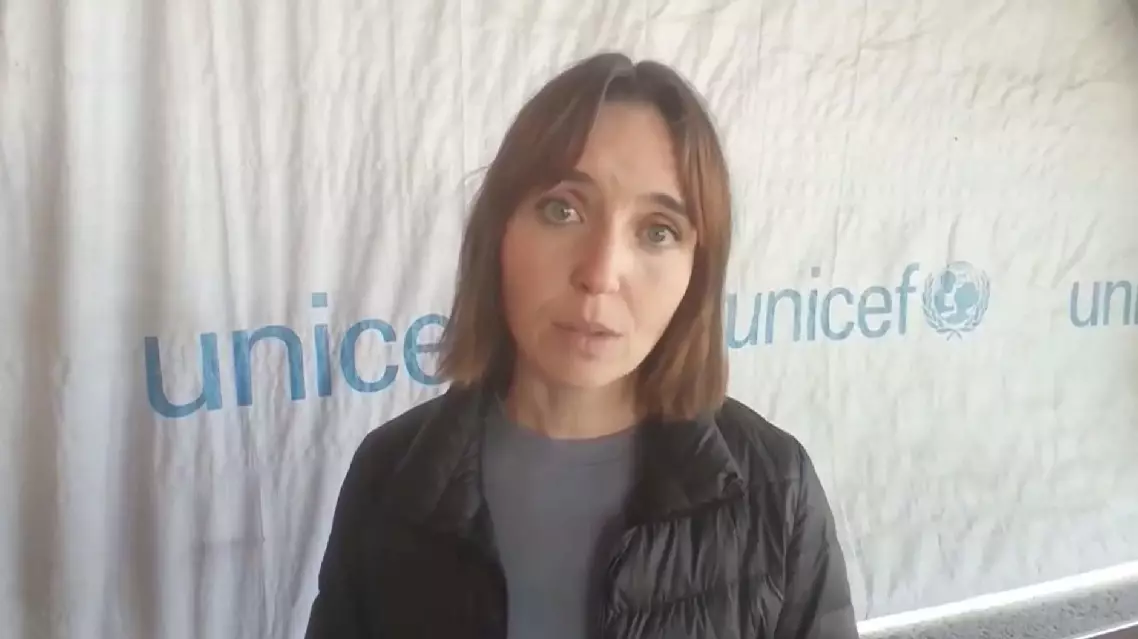
Maternal malnutrition in Gaza severely impacts newborns: UNICEF
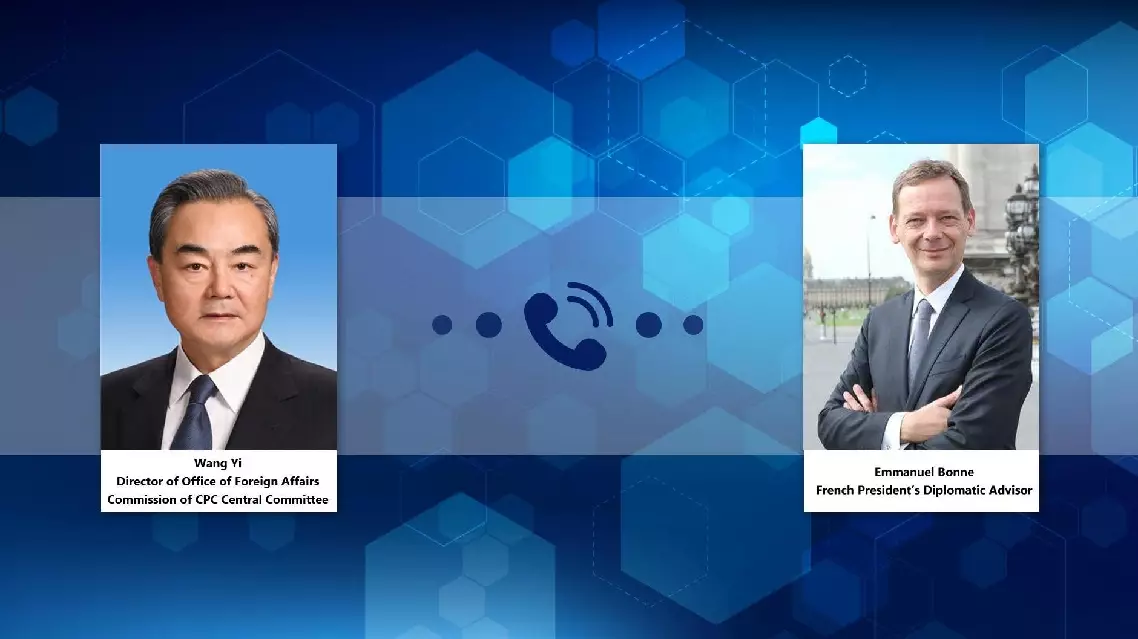
China's top diplomat Wang Yi said on Friday that one of the top priorities at present is to contain the spread of the conflict and prevent further involvement of other countries.
Wang, also a member of the Political Bureau of the Communist Party of China Central Committee and director of the Office of the Central Commission for Foreign Affairs, made the remarks in a phone conversation with Emmanuel Bonne, diplomatic adviser to the French president, at the latter's request.
Wang elaborated on China's position, saying that the current situation in the Middle East is still deteriorating, with the conflict continuing to spread. This has not only undermined the stability of global energy supply but also led to a severe humanitarian crisis.
Resorting to force will not solve the problem, and an unjust war should not be allowed to continue, he said.
In the face of the critical situation, China and France, as permanent members of the UN Security Council, should strengthen strategic communication and coordination, firmly uphold the UN Charter and international law, and prevent the world from regressing to the "law of the jungle," Wang said.
He added that the other two top priorities are for the international community to speak with one voice in calling for an immediate ceasefire and to intensify efforts to advance peace talks, and for the United Nations and the UN Security Council to play their due role in facilitating the early restoration of peace and stability in the region.
Despite the difficulties, dialogue and negotiation remain the right path out of the crisis, Wang said, adding that China and France should work together toward this end.
For his part, Bonne shared his perspectives on the current situation in the Middle East, including developments in Iran and Lebanon.
He said that France and China, as major countries, both support the United Nations, abide by international law, and advocate resolving differences through dialogue.
He said that the two countries should work together to explore solutions and contribute to easing tensions and resuming negotiations.
France is willing to enhance communication and cooperation with China to push for the early achievement of peace and stability in the Middle East, he added.
China's top diplomat urges efforts to prevent escalation in Mideast conflict