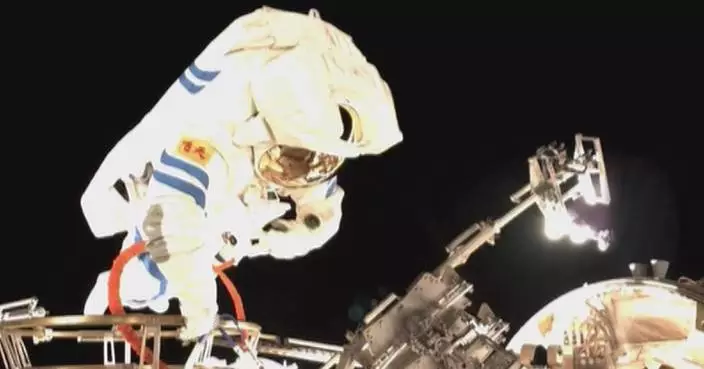
China on Wednesday launched a Lijian-1, also known as Kinetica-1 Y11, carrier rocket with nine satellites, including one from the United Arab Emirates (UAE), onboard.
The rocket blasted off at 12:03 (Beijing Time) from the Dongfeng commercial space innovation pilot zone near the Jiuquan Satellite Launch Center in northwest China. It successfully sent the satellites into their planned orbits.
This marked the 11th flight mission of China's Lijian-1 carrier rocket.
The UAE-led satellite, named 813, is designed for observing soil, the climate and the environment.
The launch also deployed China's first remote-sensing satellite in the power industry, coded Jixing High-Resolution 07D01. With a spatial resolution better than 0.5 meters, this satellite enables precise monitoring of the structural conditions of power grid equipment, such as transmission lines and pylons.
The satellite can perform continuous east-west strip observations, covering over 200 kilometers of transmission corridor in a single pass, according to the State Grid Electric Power Engineering Research Institute, one of its designers.
Compared to current satellite systems, this new satellite is expected to enhance surveying precision for transmission projects and line inspections by more than fivefold.
The satellite supports diverse applications, from managing ultra-high voltage (UHV) projects and assessing environmental impacts in transmission networks, to inspecting critical power corridors, issuing disaster warnings and evaluating post-disaster damage.
Also among the launch payload were two remote-sensing satellites dedicated to water resource monitoring, urban management, and digital transformation of a district in Hefei, capital city of east China's Anhui Province.
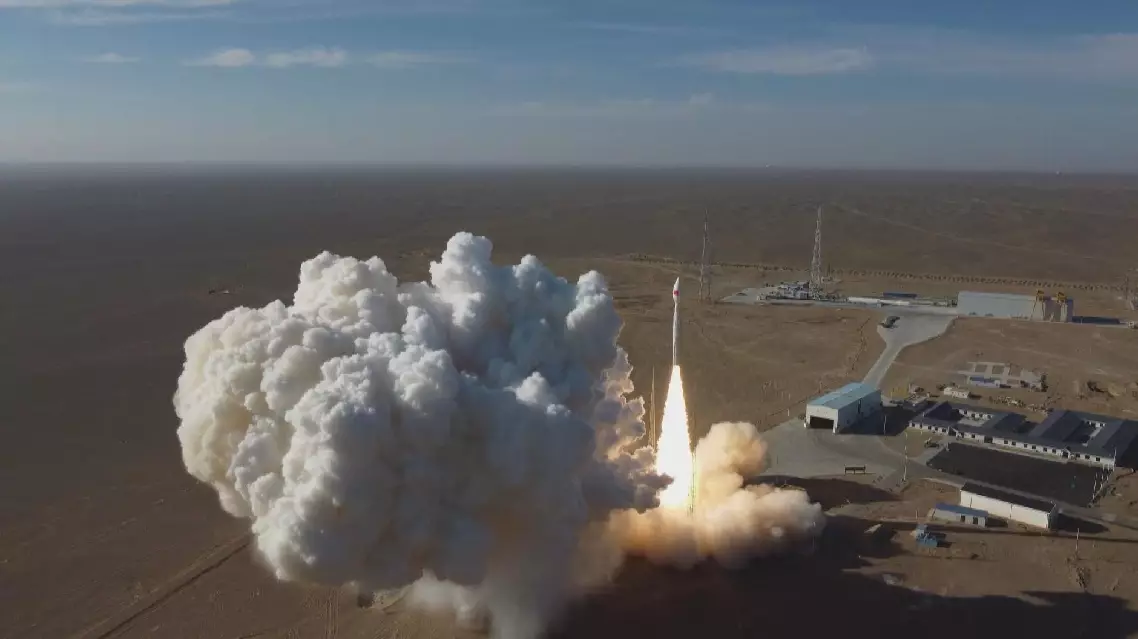
China launches Lijian-1 rocket, sending 9 satellites into orbit
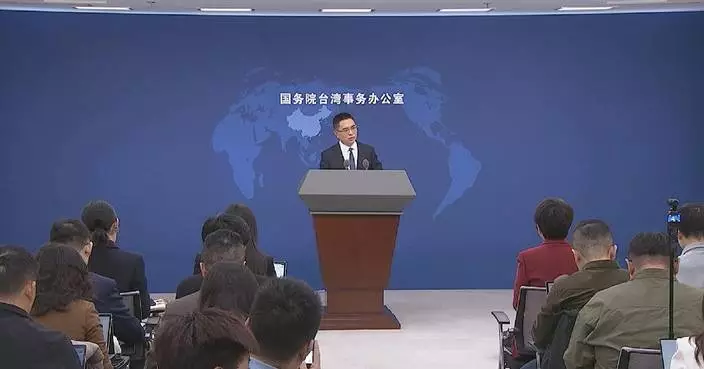
Taiwan leader Lai Ching-te's move of ingratiation towards Japan is contemptible and meaningless, said Chen Binhua, spokesman for the Taiwan Affairs Office of the State Council, at a regular press conference in Beijing on Wednesday.
At a plenary session of the House of Councillors on Dec. 3, Japanese Prime Minister Sanae Takaichi said that "the Japanese government's basic position regarding Taiwan remains as stated in the 1972 China-Japan Joint Statement, and there has been no change to this position."
"The [Chinese] Ministry of Foreign Affairs has stated its solemn position on this. Here I want to stress again that the Taiwan question is purely China's internal affair that brooks no external interference. Japanese Prime Minister Sanae Takaichi blatantly made erroneous remarks on Taiwan at the Diet. Her remarks grossly interfered in China's internal affairs. In face of doubts and criticisms from China and the international community, Takaichi's perfunctory response of 'no change in Taiwan-related position' is unacceptable as a response to China. The Japanese side must reflect on its wrongdoing and retract the erroneous remarks immediately," said Chen.
"With his evil aim of seeking secession, Lai Ching-te pandered to Takaichi's erroneous remarks in a complete loss of stance of the Chinese nation. His move of ingratiation towards Japan is contemptible and meaningless," the spokesman said.
Takaichi had previously claimed during a Diet meeting on Nov. 7 that the Chinese central authorities' "use of force on Taiwan" could constitute a "survival-threatening situation" for Japan, which immediately drew strong criticism at home and abroad.
Lai showed support for Takaichi on Nov 20 by posting a photo of himself eating Japanese cuisine on social media. Netizens in Taiwan satirized that Lai's supportive gesture for the Japanese leader ended up in vain.
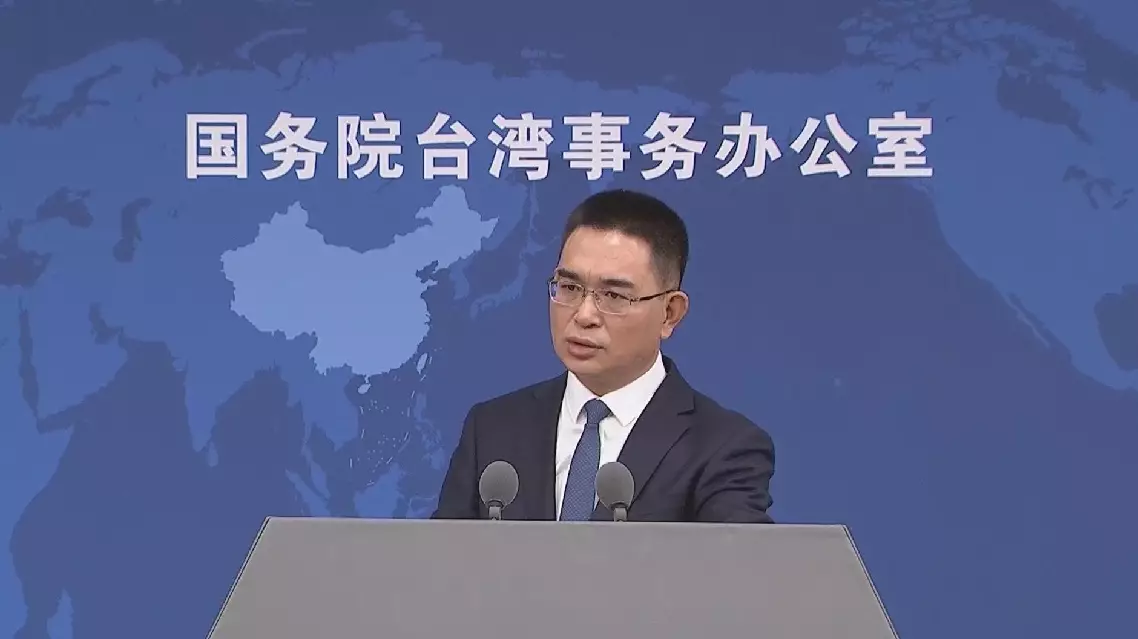
Lai Ching-te's move of ingratiation towards Japan contemptible, meaningless: spokesman