A series of amusing video clips have shown giant pandas enjoying all manners of winter time fun, from rolling down snow-coated slopes to chomping away on carrots amid a bout of snowfall.
The footage, recently released by the China Panda Conservation and Research Center (CCRCGP), shows the leisurely daily lives of the giant pandas as they enjoy themselves despite the cooler temperatures taking hold.
In one clip, giant panda Yanhui is seen frolicking around in the snow, with the nine-year-old sliding down a snow-covered slope as if she was a slalom skier, gathering quite some speed as she rather unceremoniously tumbles down the hill.
Other pandas prefer a more chilled vibe, however, with the seven-year-old Linglang much less interested in such shenanigans, as she was instead filmed calmly munching on a carrot in the snow.
Another clip shows captures another panda named Sulin gracefully sipping on some water from a pool in her enclosure. Sulin was born at the San Diego Zoo in the United States in 2005 before coming to China in 2010.
The footage offers a rare glimpse into the simple, joyful moments of these beloved creatures.
The CCRCGP is a world-leading institution dedicated to the breeding and conservation of the giant panda. The center has established the world's largest captive population of giant pandas and pioneered research on captive breeding and training for rewilding.
The center also holds the largest global platform for promoting international cooperation and exchanges on Panda reservation, involving 18 zoos from 16 countries and regions around the world, 39 domestic animal breeding institutions, and over 10 scientific research institutes.

Adorable giant pandas seen enjoying winter weather across China
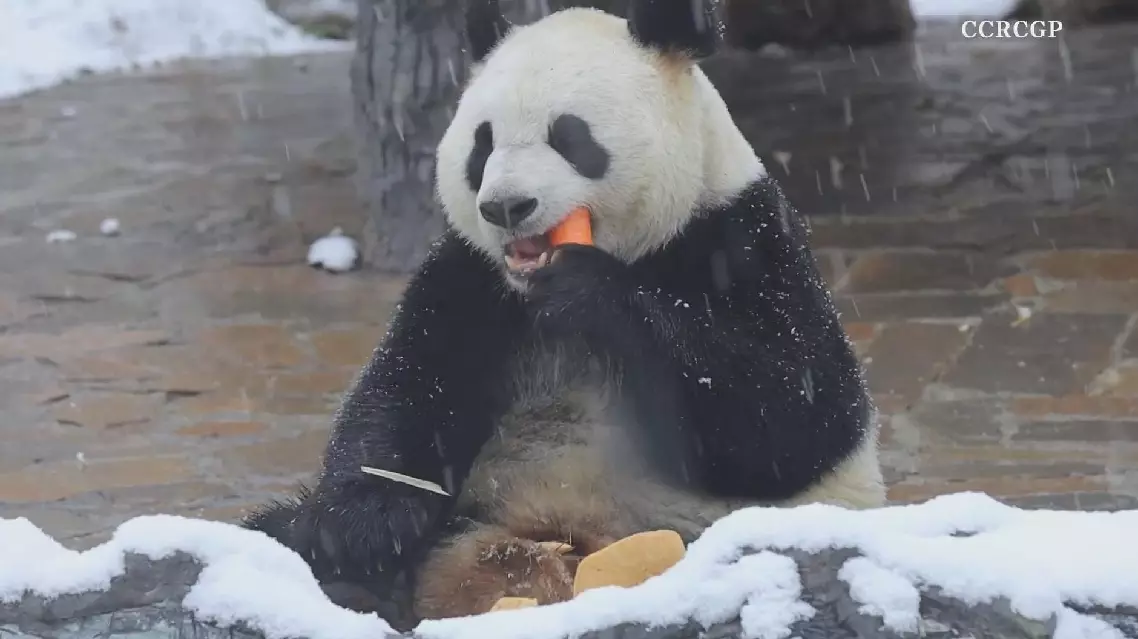
Giant pandas enjoy leisure time at China’s giant panda research center
Farmers in India, a major agricultural producer and fertilizer importer, are raising concerns over fertilizer availability ahead of the planting season, as the escalating Middle East conflict and disruptions to shipping through the Strait of Hormuz put global supplies at risk.
The Middle East serves as both a vital energy hub and a major global fertilizer supplier, yet the ongoing U.S.-Israeli war with Iran has heightened risks of disruption to international supplies.
Chand Singh Yadav, a farmer in Haryana, a northern Indian state, said poor crop yields would be disastrous for the country and called on the government to ensure adequate supplies of fertilizers, agrochemicals and seeds to prevent a food crisis. "Without fertilizers, our crops will not grow well, and this would be disastrous for the entire country. If farmers cannot grow crops, people will not be able to buy food in the market. We urge the government to improve the supply system for fertilizers, agrochemicals and seeds to prevent the country and society as a whole from sliding into a food crisis," he said.
The Indian government is stepping up subsidies for farmers and optimizing fertilizer distribution and allocation to stabilize the supply. Prices have remained broadly stable, but demand is expected to surge ahead of the planting season, potentially exacerbating supply pressures.
"The current situation is worrying for us farmers. Spring sowing has not yet started, and the rainy season has not arrived. Fertilizer prices are temporarily stable, but in two months, demand for agricultural fertilizers will become pressing. Without fertilizers, it will be difficult to properly cultivate various types of crops. Urea and diammonium phosphate are especially critical. Crops can only grow normally when these fertilizers are applied. As these fertilizers are largely imported, if the conflict persists, supplies cannot be guaranteed," said Santosh Mishra, a farmer in India's eastern state of Odisha.
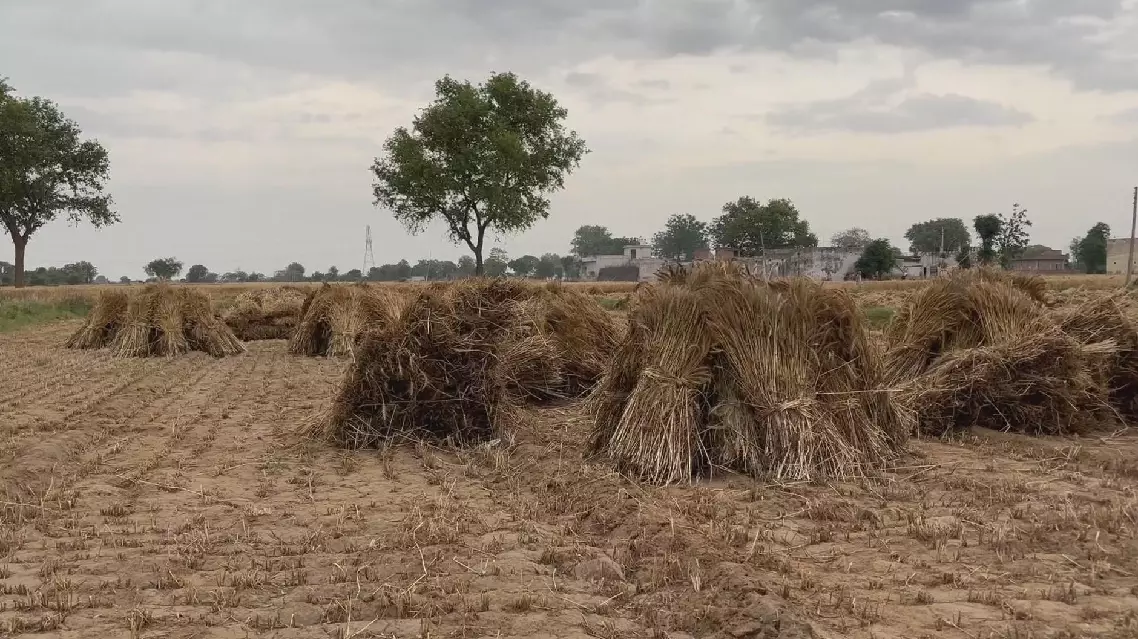
Escalating Middle East conflict strains India’s fertilizer supply