
Skip to Content Facebook Feature Image

Chief Executive Addresses Wang Fuk Court Fire Investigation and Victim Support Plans

HK

Chief Executive Addresses Wang Fuk Court Fire Investigation and Victim Support Plans
HK

HK

Chief Executive Addresses Wang Fuk Court Fire Investigation and Victim Support Plans

2025-12-12 19:59 Last Updated At:20:13

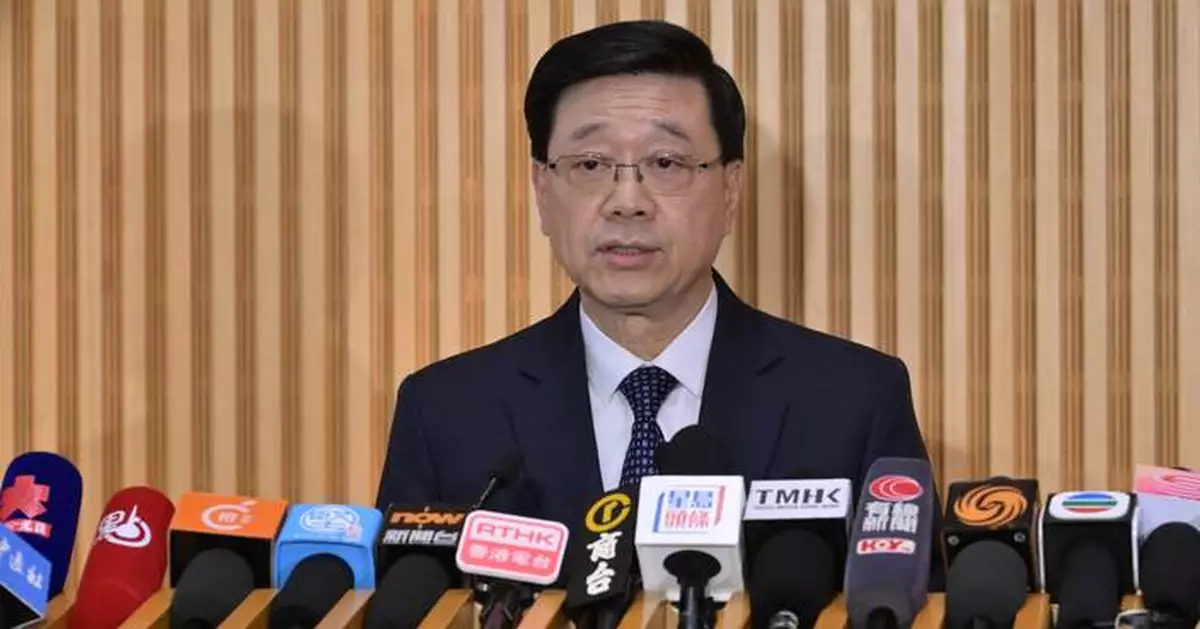
Remarks by CE on matters related to Wang Fuk Court fire in Tai Po at media session (with photo/video)

Following are the remarks by the Chief Executive, Mr John Lee, on matters related to the Wang Fuk Court fire in Tai Po at a media session today (December 12):

Reporter: Good afternoon, Mr Lee, some English questions. Firstly, would the Independent Committee have less investigative power to summon evidence and witnesses unlike a commission of inquiry, especially when the circumstances may not have officially been constituted as a crime yet? How would the Government intend to address this potential issue? With regard to your nine-month time frame as you mentioned, is this enough time? And do you foresee a possibility that you'll have to extend due to, as you mentioned, the complex and large-scale issues that the committee has to face? And the second question, on the potential redevelopment of Wang Fuk Court, what's the Government's plan and time frame on it so far? Does it have an idea where these funds will come from? And also, do you foresee a challenge in getting a consensus from the thousands of residents involved? Thank you.

Chief Executive: First of all, it is a mammoth task for the Independent Committee (Independent Committee Established in Relation to the Fire at Wang Fuk Court in Tai Po) to achieve examining two very big issues. The first is regarding the causes and circumstances that led to the fire, including the examination of fire service installations and equipment in the buildings, and the supervision and responsibility for their effective operation; whether the construction safety requirements, standards, supervision and day to day maintenance regime for the building maintenance and renovation works were adequate; regarding the building maintenance and renovation works, whether the prevailing list of materials meeting safety standards is comprehensive, and whether related verification and testing systems are effective; the roles and responsibilities of personnel with supervisory roles across all stages, including government offices, authorised professionals, contractors and others; and the liabilities arising from the aforementioned issues. For just this theme, under this topic, you can say the amount of issues to be examined is already a lot.

Then the Independent Committee will have to look at another very important issue, which is, regarding large-scale building maintenance and renovation works, to examine whether there are systemic problems such as undue connected interests, conflicts of roles, or improper collusion across all stages of the works; and whether bid-rigging corruption or irregularities were involved in the tendering process of these works. You can see this second issue is an issue that has been troubling a lot of Hong Kong people, because we all live in buildings, and we all, at some stage, will be doing large-scale renovation work, so it affects everybody. We have been seeing cases where a lot of problems have arisen. We should indicate that there are systemic problems, as I have highlighted in this second topic.

So you are right, nine months is a very challenging time indeed, but I want to solve the problem as quickly as possible. I want to give what I regard as a realistic time frame, provided the Independent Committee is given sufficient means to manoeuvre. While ensuring the examination is just, they can streamline the procedure and be given more flexibility, so that they can finish their work within the nine months. I also have given them a reserve power; that is, if the Independent Committee considers, while examining all these complicated issues, there may be one which they think, by exercising the power that is given to a statutory commission of inquiry, will help them complete their work, then I am very willing to consider a recommendation by the Independent Committee to seek appointing them as the commission of inquiry. This is the reserve power I will give to them. First, to tell everybody that we must co-operate and assist the Independent Committee to do its very important job, because when the Independent Committee wants to exercise statutory powers, they will be given according to the law and the procedure with the CE-in-Council, considering the recommendation and then deciding to appoint a commission of inquiry with the Independent Committee functioning as such. That will help the Independent Committee to finish all the different issues they want to address within the nine months.

I also have mentioned that the Independent Committee can always submit interim reports for issues that they believe have finished their work and let the Government take immediate action. I am very grateful to Mr Justice Lok, because he wants to really help Hong Kong as a whole to address and solve all these problems. He shares the same belief as I do, to ensure that we can do it as soon as possible. I must express my sincere gratitude to the three members of the Independent Committee. It is a big responsibility and challenging tasks within only nine months, but they all have the passion and the love for Hong Kong to be so courageous to take up this responsibility. I am really thankful to them. I take my hat off to them.

Regarding the long-term housing issues for the victims and the families who suffer in this Tai Po big fire, of course, I am very concerned about the arrangements that may be made possible to take care of their needs, but they have very divergent needs, obviously, because we have so many families, and each family may have their own thinking. There have been a lot of views about what we can do, and I have explained them in my opening. What is important is to listen to what they want. I think they may want things very differently, and whether we will be able to have different options for different families to choose is important, so collecting views from them is very important. Everybody has a very good heart, trying to help them, but I think it will be up to them to tell us what they want, even though there may be different wants and different needs. At the same time, they are still undergoing a difficult period of big transition. While I ask the Task Force (Task Force on Emergency Accommodation Arrangements) to collect views, I think they have to do it in a very tactful manner. We do not want to upset the families while they are at this difficult time. There may be a process for the Task Force to go through to talk to the families in a tactful and right way at the right moment of time as well. That may take a little bit of time, but as I have always asked my people to do, we always want to finish all these things as soon as possible, because the sooner we address all these issues and problems, the quicker we can recover our normal life. I do remember the important message given by Dr CC Lam (Chairman of the Advisory Committee on Mental Health, Dr Lam Ching-choi) when he talked about the importance of mental health and psychological health, which is we should try to come back to normal, day-to-day life as soon as possible. That will be helping not just society but, most importantly, helping the victims and helping their families to go through this difficult time. We will work on that.

(Please also refer to the Chinese portion of the remarks.)
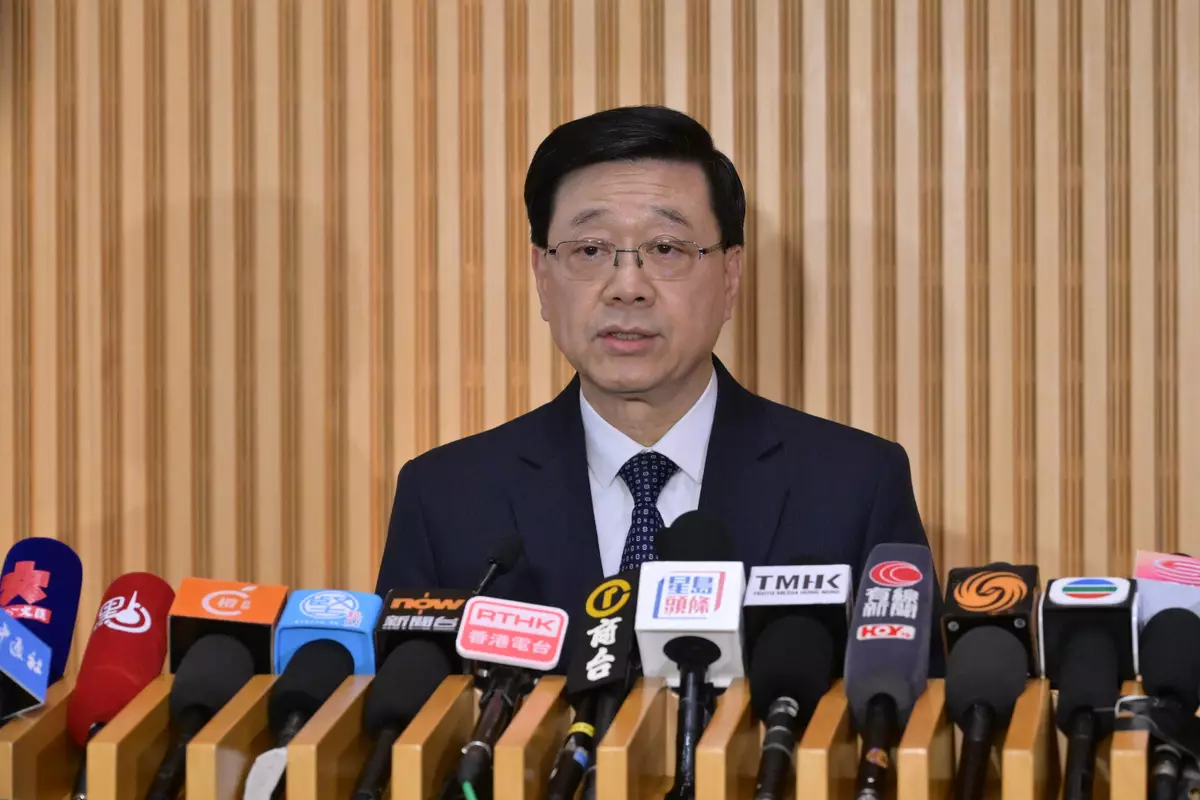
Remarks by CE on matters related to Wang Fuk Court fire in Tai Po at media session  Source: HKSAR Government Press Releases

Remarks by CE on matters related to Wang Fuk Court fire in Tai Po at media session Source: HKSAR Government Press Releases
FEHD releases fourth batch of gravidtrap indexes for Aedes albopictus in May

The Food and Environmental Hygiene Department (FEHD) today (May 21) released the fourth batch of gravidtrap indexes and density indexes for Aedes albopictus in May, covering 12 survey areas, as follows:

District

Survey Area

May 2026

First Phase Gravidtrap Index

First Phase Density Index

Eastern

Shau Kei Wan and Sai Wan Ho

9.1%

1.4

Islands

Tung Chung

2.0%

1.0

Kowloon City

Hung Hom and To Kwa Wan

6.7%

1.5

Tai Po

Tai Po East

2.2%

2.0

Tai Po West

15.5%

1.0

Tuen Mun

Tuen Mun South

9.1%

1.4

District

Survey Area

May 2026

Area Gravidtrap Index

Area Density Index

Central and Western

Kennedy Town and Shek Tong Tsui

16.8%

1.3

Eastern

Chai Wan

15.4%

1.0

North Point and Quarry Bay

18.9%

1.4

Southern

Aberdeen and Ap Lei Chau

20.8%

1.7

Sha Tin

Sha Tin Town Centre and Fo Tan

18.3%

1.4

Tsuen Wan

Tsuen Wan Town

6.9%

2.3

The fourth batch of gravidtrap indexes for Aedes albopictus in May includes First Phase Gravidtrap Indexes covering six survey areas and Area Gravidtrap Indexes covering six survey areas. Among which, six survey areas recorded gravidtrap indexes above 10 per cent, while Aberdeen and Ap Lei Chau in Southern District recorded a gravidtrap index above 20 per cent. Meanwhile, the gravidtrap indexes of six survey areas, namely Kennedy Town and Shek Tong Tsui in Central and Western District; North Point and Quarry Bay in Eastern District; Shau Kei Wan and Sai Wan Ho in Eastern District; Aberdeen and Ap Lei Chau in Southern District; Tai Po East in Tai Po District; and Tuen Mun South in Tuen Mun District, have recorded a decrease as compared to the indexes recorded in the last survey period, reflecting the progress of relevant mosquito control work.

With reference to the data from the past few years, the gravidtrap indexes start to rise from April or May every year. The actual timing and extent of the rise are affected by factors like weather conditions and rainfall. The average temperature and rainfall recorded in April this year were higher than those in the same period last year, creating favourable conditions for mosquito growth and breeding. As a result, the rise in gravidtrap indexes occurred earlier this year. With the increase in rainfall in May, the gravidtrap indexes are expected to rise further.

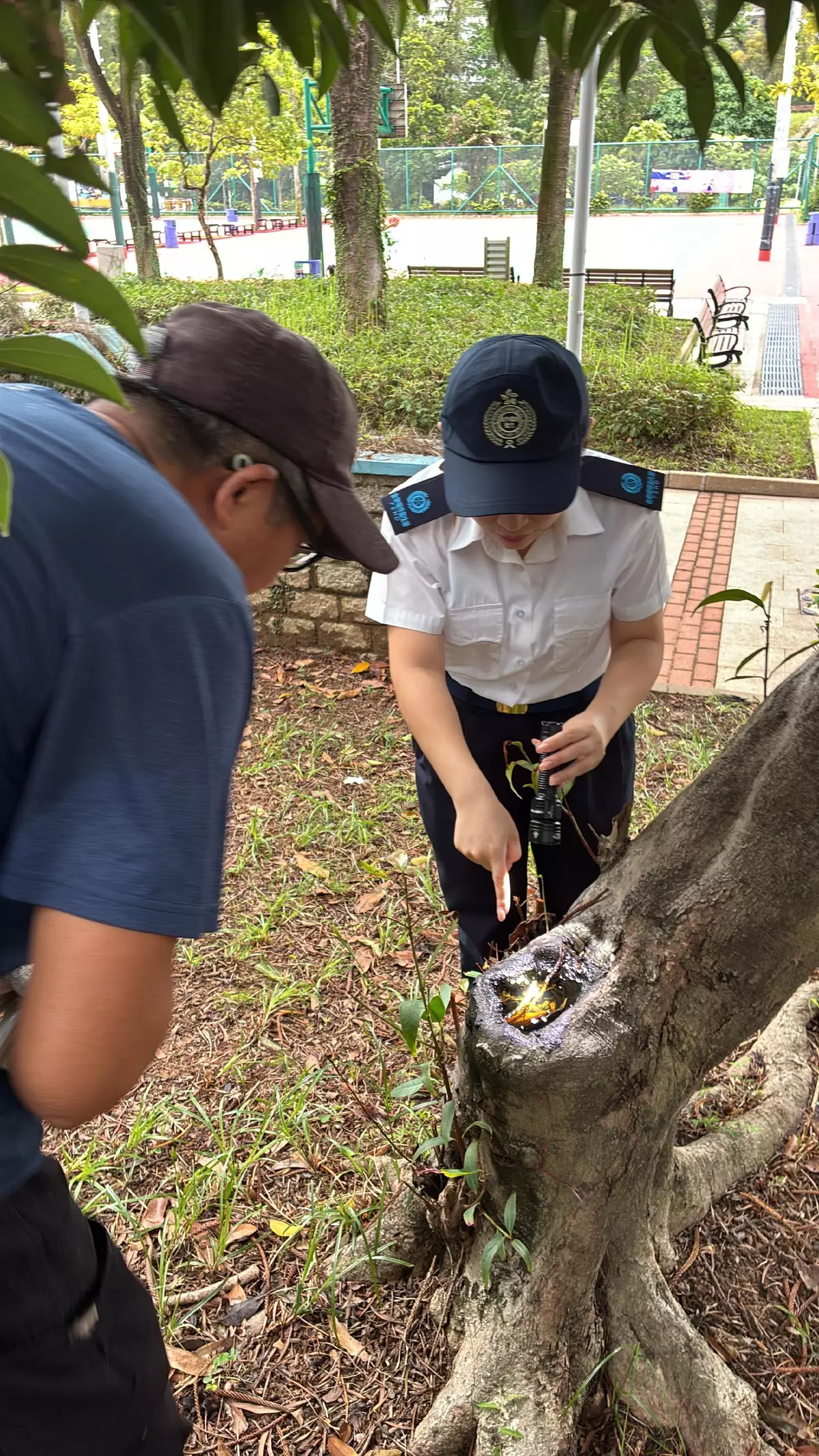
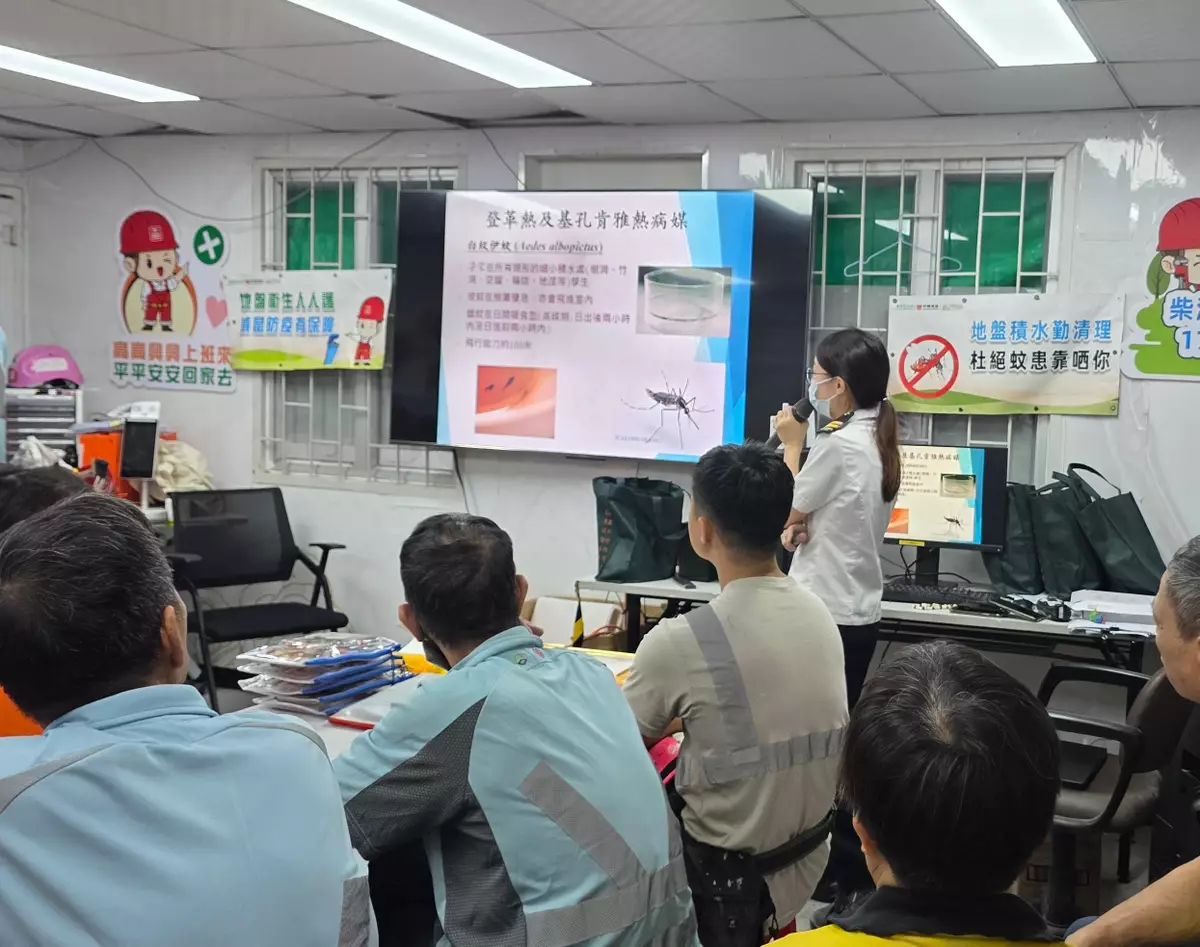
For survey areas which recorded indexes exceeding 10 per cent, in accordance with the mechanism implemented by the FEHD in response to the chikungunya fever (CF) situation (i.e. strengthening mosquito control work in areas with a gravidtrap index between 10 per cent and 20 per cent, instead of 20 per cent or above under the original mechanism), the FEHD is collaborating with relevant departments and stakeholders to identify locations with high mosquito infestations and carry out intensive and targeted mosquito control measures. The FEHD has initiated two prosecutions against the relevant construction site contractors following the discovery of mosquito breeding at construction sites in Tai Po District and Southern District. Moreover, following the discovery of stagnant water or stagnant water containers in a park, a construction site, a private housing estate, a clinic and a private premises in Tai Po District, Central and Western District, as well as Southern District, the FEHD has issued five statutory notices to the responsible persons-in-charge, requiring the clearance of such items within a specified timeframe. The FEHD, the relevant departments and stakeholders are following up on the mosquito control work, and will also organise exhibitions, distribute leaflets and posters, and notify residential estates that have subscribed to the gravidtrap Rapid Alert System, advising property management agents and residents to stay vigilant and work together in taking mosquito prevention and elimination measures. In addition, the FEHD will strengthen the monitoring of the gravidtrap index in the areas to review the effectiveness of the mosquito control work.

Public participation is crucial to the effective control of mosquito problems. The FEHD appeals to members of the public to continue to work together in strengthening personal mosquito control measures, including:

  • tidy up their premises and check for any accumulation of water inside the premises;
  • remove all unnecessary water collections and eliminate the sources;
  • check household items (those placed in outdoor and open areas in particular), such as refuse containers, vases, air conditioner drip trays, and laundry racks to prevent stagnant water;
  • change water in flower vases and scrub their inner surfaces thoroughly, and remove water in saucers under potted plants at least once a week;
  • properly cover all containers that hold water to prevent mosquitoes from accessing the water;
  • properly dispose of articles that can contain water, such as disposable meal boxes and empty cans; and
  • scrub drains and surface sewers with alkaline detergent at least once a week to remove any mosquito eggs.
  • Starting in August 2025, following the completion of the surveillance of individual survey areas, and once the latest gravidtrap index and the density index are available, the FEHD has been disseminating relevant information through press releases, its website and social media. It aims to allow members of the public to quickly grasp the mosquito infestation situation and strengthen mosquito control efforts, thereby reducing the risk of CF transmission.

    Following recommendations from the World Health Organization and taking into account the local situation in Hong Kong, the FEHD sets up gravidtraps in districts where mosquito-borne diseases have been recorded in the past, as well as in densely populated places such as housing estates, hospitals and schools to monitor the breeding and distribution of Aedes albopictus mosquitoes, which can transmit CF and dengue fever. At present, the FEHD has set up gravidtraps in 62 survey areas of the community, with a surveillance period of two weeks. During the surveillance period, the FEHD will collect the gravidtraps once a week. After the first week of surveillance, the FEHD will immediately examine the glue boards inside the retrieved gravidtraps for the presence of adult Aedine mosquitoes to compile the Gravidtrap Index (First Phase) and Density Index (First Phase). At the end of the second week of surveillance, the FEHD will instantly check the glue boards for the presence of adult Aedine mosquitoes. Data from the two weeks of surveillance will be combined to obtain the Area Gravidtrap Index and the Area Density Index. The gravidtrap and density indexes for Aedes albopictus in different survey areas, as well as information on mosquito prevention and control measures, are available on the department's webpage (www.fehd.gov.hk/english/pestcontrol/dengue_fever/Dengue_Fever_Gravidtrap_Index_Update.html#).

    FEHD releases fourth batch of gravidtrap indexes for Aedes albopictus in May  Source: HKSAR Government Press Releases
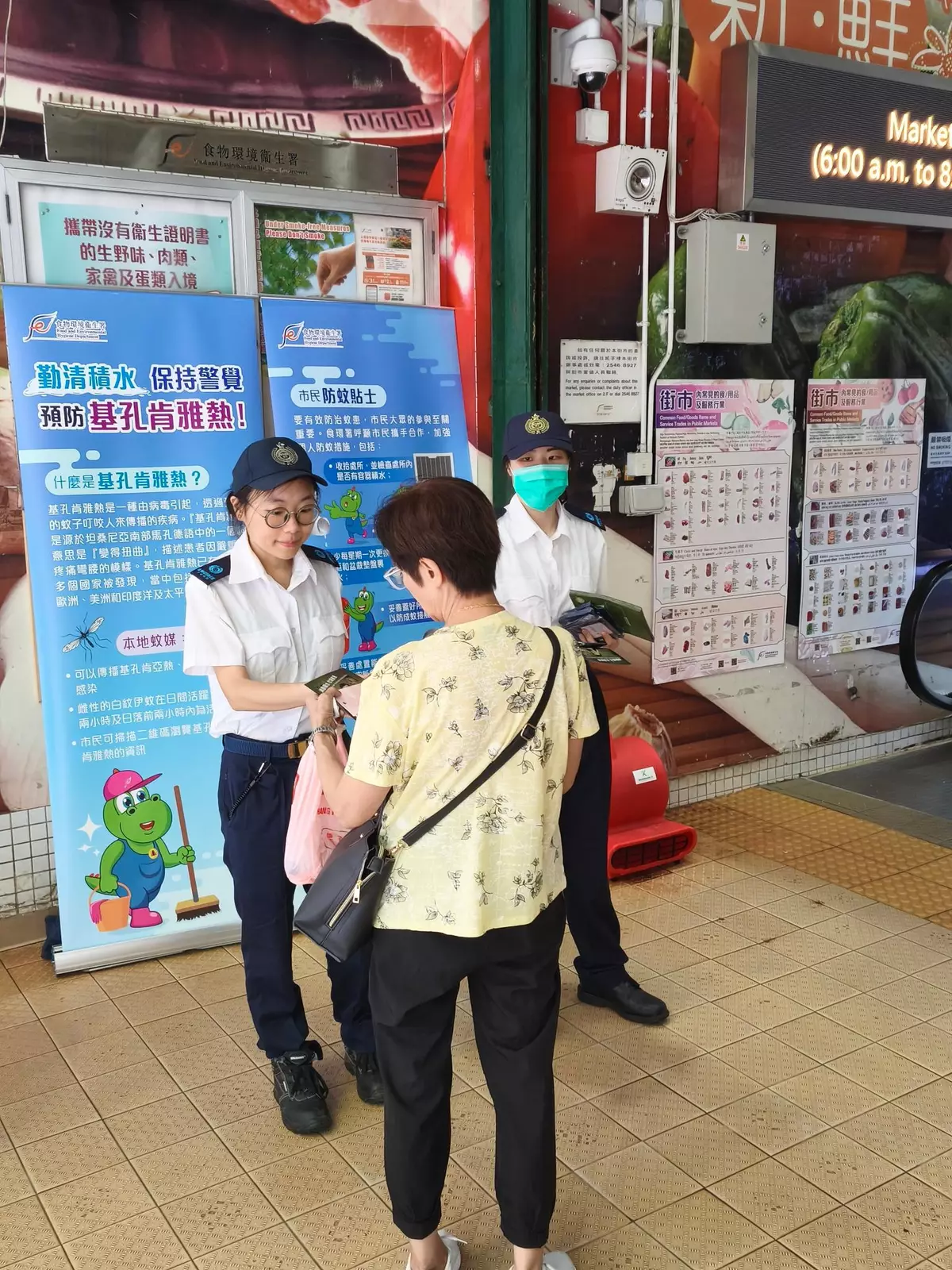
    FEHD releases fourth batch of gravidtrap indexes for Aedes albopictus in May Source: HKSAR Government Press Releases
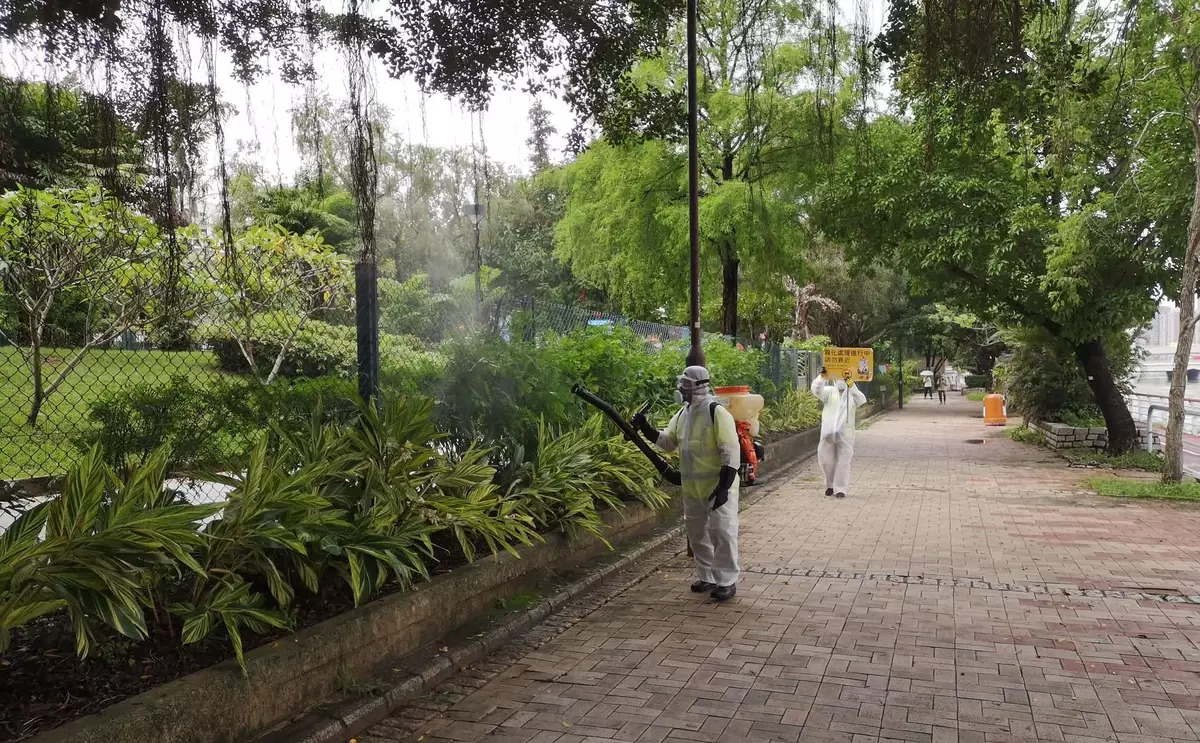
    FEHD releases fourth batch of gravidtrap indexes for Aedes albopictus in May  Source: HKSAR Government Press Releases
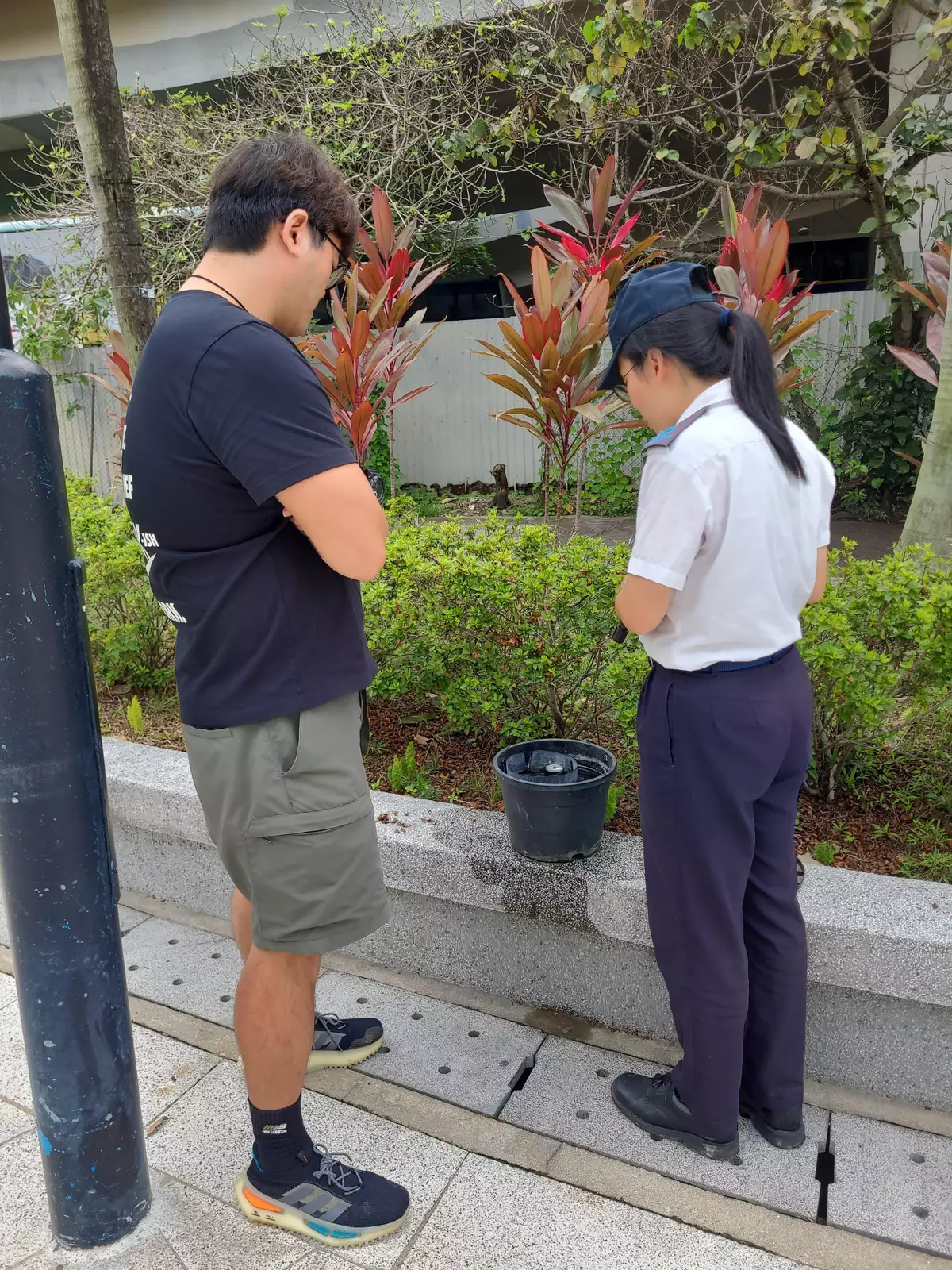
    FEHD releases fourth batch of gravidtrap indexes for Aedes albopictus in May Source: HKSAR Government Press Releases
    FEHD releases fourth batch of gravidtrap indexes for Aedes albopictus in May  Source: HKSAR Government Press Releases

    FEHD releases fourth batch of gravidtrap indexes for Aedes albopictus in May Source: HKSAR Government Press Releases

    FEHD releases fourth batch of gravidtrap indexes for Aedes albopictus in May  Source: HKSAR Government Press Releases

    FEHD releases fourth batch of gravidtrap indexes for Aedes albopictus in May Source: HKSAR Government Press Releases

    FEHD releases fourth batch of gravidtrap indexes for Aedes albopictus in May  Source: HKSAR Government Press Releases
    FEHD releases fourth batch of gravidtrap indexes for Aedes albopictus in May Source: HKSAR Government Press Releases
    Recommended Articles