PEDRO CAYUQUEO, Chile (AP) — The Mapuches, Chile’s biggest Indigenous group, have endured centuries of battle.
They resisted conquest first by the ancient Incas, then by the Spanish. They fought as the nascent Chilean state annexed their territories and as military dictator Gen. Augusto Pinochet devastated their communities by terminating collective property, allowing for the confiscation and sale of their lands to forestry companies.
Now the Mapuches, who make up roughly 12% of Chile’s 19 million people, fear a more violent chapter in their history is yet to come as the country prepares to elect its next president on Sunday in a contest expected to empower the far-right.
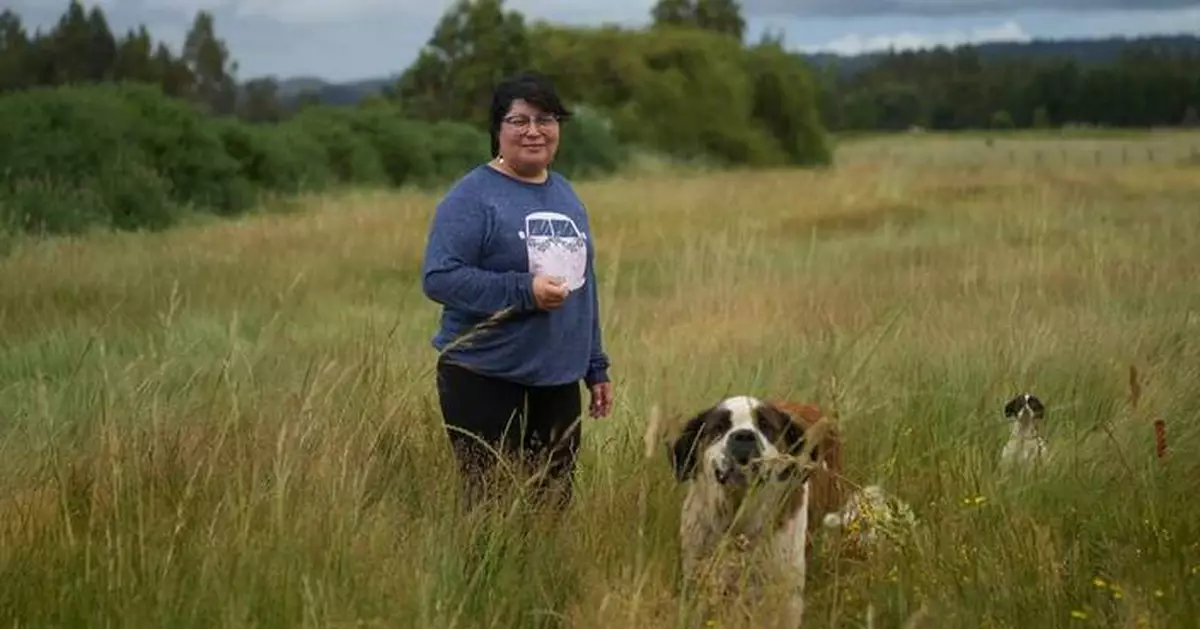
“It will get much worse with a far-right government,” Mapuche political scientist Karen Rivas Catalán, 37, told The Associated Press from her lush plot of land where chickens roam. “Our prisons will hold more Mapuches.”
The favorite to win Sunday is José Antonio Kast, an ultra-conservative former lawmaker who vows deport hundreds of thousands of immigrants without legal status and grant emergency crime-fighting powers to the military and police.
His rival, communist Jeannette Jara, who represents the governing coalition, also has adopted a law-and-order platform to woo voters.
A turning point for the Mapuches seemed to come in the 2019 social uprising, when Chilean protesters demanding change to the country’s market-led economy adopted the Mapuche flag and breathed new life into their cause. Left-wing President Gabriel Boric came to power vowing to remove troops from their land and replace the dictatorship-era constitution with one enshrining their rights.
But Boric soon redeployed the military. Armed Mapuche groups attacked security forces. The government extended a state of emergency. Voters rejected the proposed constitution that would have ushered in radical social change.
The Mapuche conflict simmering in the rolling hills and verdant forests of the southern region of Araucanía is one of the more delicate issues facing the next president of Chile.
But unlike in past presidential elections, possible solutions to the unrest have barely been mentioned in a campaign focused on voters’ fears about organized crime and illegal migration to the exclusion of almost everything else.
When the Mapuches have come up, it has been in the context of plans for a harsh security crackdown.
The latest version of Kast's platform promised that his government would “use all constitutional, legal and administrative tools; all intelligence and technology; all force and resources to eradicate terrorism in the region."
Kast closed his campaign Thursday in Temuco, a southern city widely considered the capital of the Mapuche people. In a fiery speech delivered from behind bulletproof glass, Kast said the Araucanía region around Temuco was “battered by fear, by terror, by vandalism.”
“They are cowards who attack at night with their faces covered and forgive nothing, respect no one’s rights," Kast said of Mapuche militants who have carried out sabotage attacks against soldiers and forestry companies that they see as invading their ancestral lands.
“We are going to shut down that group," he added, receiving whoops and cheers.
For years, the region has been under the control of Chile's militarized police, which Mapuches accuse of using excessive force.
The group's mistrust toward the state has deepened in recent years with scandals including security forces killings civilians, such as the 2018 shooting of a young, unarmed Mapuche farmer.
In one dramatic case, a police intelligence unit came under investigation in connection with a scheme to fabricate evidence to falsely implicate Mapuches in terrorist activities in 2017. The trial against accused police officers is ongoing.
To Angelina Cayuqueo, 58, a Mapuche language teacher, this election feels existential.
She is consumed by a “terrible fear” that under a Kast government, her community could relive the traumas of the brutal Pinochet dictatorship.
“We're already afraid that things could happen as they did under Pinochet, because that's what they intend," she said, picking cherries on her land.
During Kast's two previous presidential bids, he repeatedly expressed a desire to change a land restitution law installed after Chile’s 1990 return to democracy that allows Mapuches to recover ancestral lands seized under the dictatorship.
At his latest rally, Kast criticized the program as a way "of expropriating land to give it to whoever's squatting on it.”
Although hundreds of thousands of hectares that had been turned over to non-Mapuche farmers and forestry companies during the dictatorship were returned to the Mapuche in the past decades, the program has done little to change the group’s marginalization and endemic poverty.
“To them it isn’t fair that we as Mapuche recover our lands,” Cayuqueo said. “They wish the Mapuche people didn't exist in history."
DeBre reported from Santiago, Chile.

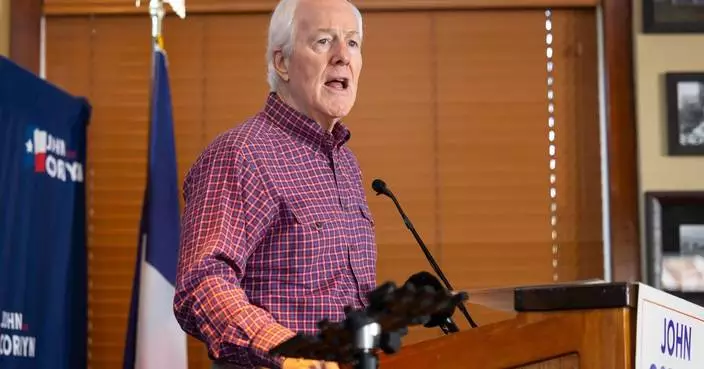
Presidential candidate Jose Antonio Kast, of the Republican Party, addresses supporters during a rally ahead of the presidential runoff election in Temuco, Chile, Thursday, Dec. 11, 2025. (AP Photo/Esteban Felix)
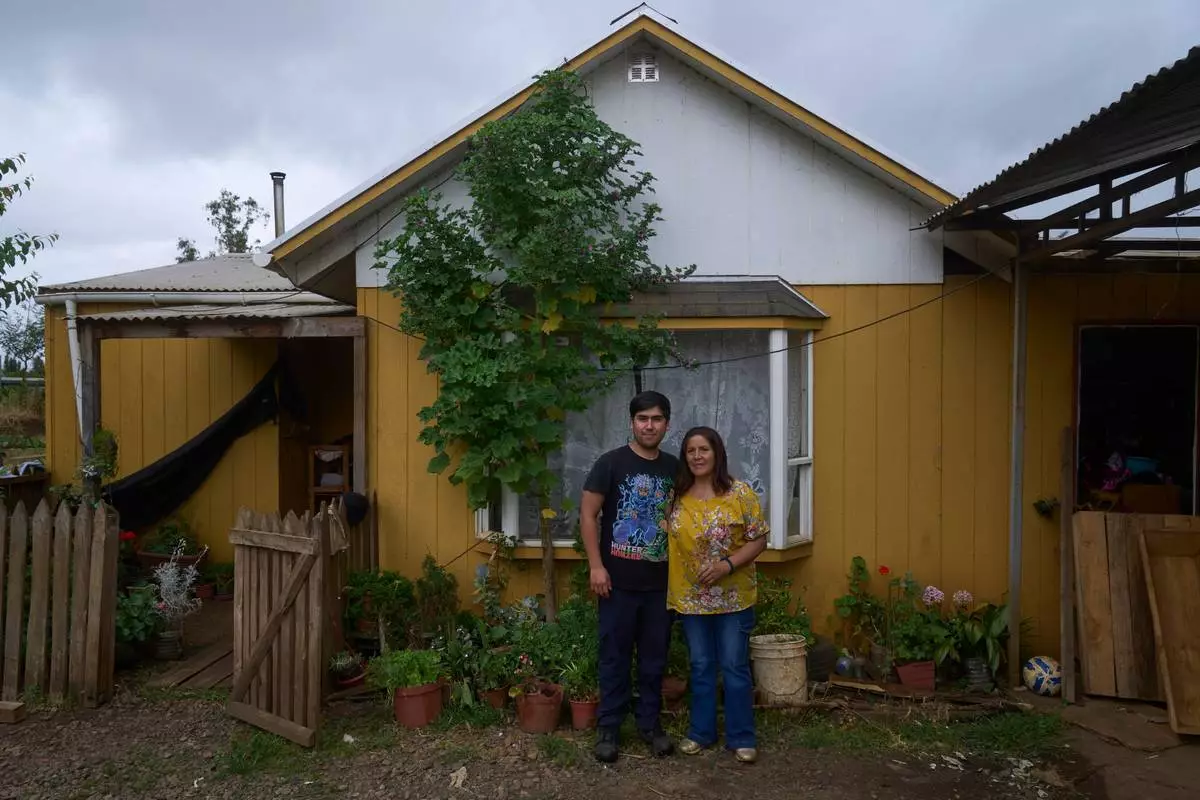
Angelina Cayuqueo, 58, a Mapuche language teacher poses with her son Vicente, 23, outside their home in Pedro Cayuqueo, Chile, Friday, Dec. 12, 2025. (AP Photo/Victor R. Caivano)

Karen Rivas, a Mapuche political scientist, poses outside of her home in Pedro Cayuqueo, Chile, Friday, Dec. 12, 2025. (AP Photo/Victor R. Caivano)
U.S. President Donald Trump said “someone from within” Iran’s government might be best suited to take power once the U.S.-Israeli war on the country ends.
His remarks came four days into a war that has killed hundreds, nearly all of them in Iran, as well as many of the country’s top leaders, including Supreme Leader Ayatollah Ali Khamenei.
Although Tehran has kept up its retaliatory missile and drone strikes against Israel and across the Gulf — disrupting travel and driving up oil prices — the pace of Iranian attacks appears to be slowing. However the conflict has also spread to Lebanon, where Iran-backed Hezbollah fired missiles at Israel, prompting Israeli strikes in Beirut and additional troop deployments to southern Lebanon.
The spiraling nature of the war has raised questions about when and how it would end, and the Trump administration has given various objectives.
Here is the latest:
In a tent camp in Gaza’s southern area of Khan Younis, Palestinians have been closely following news about the widening war and growing increasingly worried about its potential impact on their lives.
“We are fed up with wars and the horrors of wars,” Ibrahim Atta, who was displaced from Rafah, said on Tuesday.
Palestinians in the camp were preparing simple meals to break their fast during the second week of the holy month of Ramadan. Haunted by memories of scarcity last year during months of Israel’s blockade, many fear that border crossings could again close.
“This will affect us economically, and affect the crossings,” said Rami Abu Arida, who also was displaced from Rafah. “Food and water, how can they enter?”
The Israeli military spokesman Brig. Gen. Effie Defrin said Tuesday that Israel struck a building in Qom where clerics were expected to meet to discuss the selection of a new supreme leader. He said the army was still assessing whether anyone was hit.
“We’re not going to let this regime rehabilitate its command and control capabilities.,” he said.
Sen. Tim Kaine, D-Va., says there’s a “troubling pattern” of the Trump administration launching military operations — from Venezuela to Nigeria and to Iran — without involving Congress.
The Trump administration has made a habit of not seeking authorization, providing no advanced notice and then holding a classified hearing that restricts lawmakers’ ability to talk about it publicly, Kaine said Tuesday.
Kaine said he brought up his concerns during the administration’s closed-door briefing on Tuesday to senators on the military operation in Iran. He said his point was not refuted.
“It’s convinced many of us in the room that you’ve decided that you will never come to Congress,” Kaine told reporters at the Capitol after the briefing. “You don’t think you ever have to come to Congress for war authorization.”
The Pentagon has released the names of four of the six service members who have been killed in the Iran war, saying they died in a drone strike in Kuwait.
All four Army Reserve soldiers were killed Sunday when a drone hit a command center in Port Shuaiba, Kuwait. That was just a day after the U.S. and Israel launched its military campaign against Iran, which has launched retailatory strikes.
All were assigned to the 103rd Sustainment Command in Des Moines, lowa.
Killed were Capt. Cody A. Khork, 35, of Winter Haven, Florida; Sgt. 1st Class Noah L. Tietjens, 42, of Bellevue, Nebraska; Sgt. 1st Class Nicole M. Amor, 39, of White Bear Lake, Minnesota; and Sgt. Declan J. Coady, 20, of West Des Moines, lowa, who was posthumously promoted from specialist.
Qatar’s Ministry of Defense said early Wednesday that Iran launched two ballistic missiles against it and one hit Al-Udeid Qatari Base, though it didn’t cause casualties.
The other missile was intercepted by air defense, the ministry said.
Israel also said Iran had launched multiple missiles targeting the north of the country overnight with no reports of casualties there either.
Sen. Josh Hawley, R-MO, said after Tuesday’s closed-door briefing on the Iran operation that he would still vote ‘no’ on a war powers resolution, “unless they were to introduce ground troops.”
He added: “I didn’t hear in there any prediction of ground troops.”
“Personally, I would hope for a very swift conclusion, but I don’t know if that’s going to be the case,” he said.
Hawley said he learned more about the scope of the operation, which he said was “quite large” and “rapidly, rapidly evolving.”
“The briefers emphasized this, it’s really almost changing by the hour,” he said.
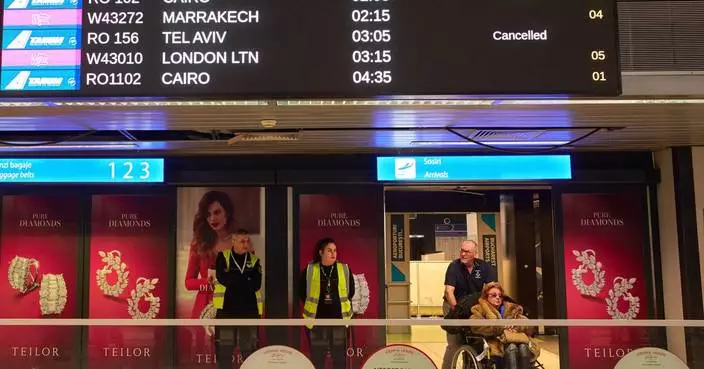
A commercial flight is planned from Dubai to Sydney to start repatriating 24,000 Australians stranded in the United Arab Emirates by the Iran war, Australia’s Foreign Minister Penny Wong says.
Wong said the flight was scheduled to leave Dubai on Wednesday.
“This is a consular crisis that dwarfs any that Australia has had to deal with in terms of numbers of people,” Wong told Australian Broadcasting Corp.
She and Australian Prime Minister Anthnony Albanese had spoken to United Arab Emirates Foreign Minister Sheikh Abdullah bin Zayed Al Nahyan, who is also the UAE’s deputy prime minister.
“The best way to get people out is to get commercial flights started. I asked if they could look at commercial flights restarting. Obviously it’s very unpredictable and I understand there is a flight scheduled from Dubai to Sydney. Obviously we would say to people on the ground you need to ensure you stay in contact with your airline in relation to that flight if you are on it. Flights have been cancelled and changed at short notice,” Wong said.
She did not identify the airline.
The death toll over the past two days in Lebanon has risen to 50, with 335 wounded, Lebanon’s Health Ministry said Tuesday evening.
On Monday, Hezbollah launched missiles toward Israel for the first time in more than a year, and Israel responded by bombarding southern Lebanon and the southern suburbs of Beirut with strikes. No casualties have been reported from the Hezbollah attacks in Israel.
It is not clear how many of those killed in Lebanon were civilians, but the health ministry said earlier Tuesday that they included seven children. Officials with Hezbollah and the Palestinian Islamic Jihad militant group were also killed.
The first government evacuation plane landed in Prague late Tuesday. The airbus that belongs to the Czech military has a capacity for some 40 passengers and was flying from Jordan.
Another two government planes are expected to arrive during the night. One of them will fly from Egypt to take home Czech nationals who traveled there by buses from Israel. The other one will transport people from Oman.
“It was perfect. We saw everything we wanted to in Jordan,” said Zdenek Viktorin, who was traveling with his family of four. He said that he didn’t expect the war could start during their stay. “When the politicians say one day that the talks are fine and the other day (the war) begins, that’s hard to comprehend.”
In neighboring Slovakia, the first two evacuation planes sent by the Slovak government to Jordan landed in the Slovak capital Bratislava on Tuesday with 127 people on board. The government plans at least 10 such flights from the Middle East.
“I’m sure we will be able to show that superiority in the next few days,” Israeli ambassador Danny Danon told reporters at the United Nations.
He cautioned, however, that while U.S.-Israeli attacks have degraded Iranian capabilities and it’s harder for them to launch missiles, “they put missiles underground, in caves, in secret locations.”
He said Israel has told its own citizens and people in the region, “give us some more time” to further degrade the Iranian military and achieve its objectives: “no nuclear weapons, no missile threat, no terror infrastructure.”
“It will not continue forever,“ Danon said.
The United Arab Emirates said Tuesday on X that it retains the right to self-defense, insisting that the Gulf monarchy is not part of the U.S.-Israel war against Iran and that it hasn’t authorized the use of its territories for attacks against Iran.
The UAE Defense Ministry also released a breakdown of its missile and drone interceptions. It said Iranian drones struck within its territory 57 times out of more than 800 detected, while only one of 186 ballistic missiles managed to hit. All eight Iranian cruise missiles were intercepted, the ministry said. It was not possible to independently very those figures.
Dozens of Venezuelan government supporters on Tuesday marched in the capital in solidarity with Iran and mourning Supreme Leader Ayatollah Ali Khamenei, who was killed on the first day of the war.
Demonstrators wore T-shirts with the photo of former Venezuelan President Nicolás Maduro, whom the U.S. military captured from the capital Caracas in a stunning operation two months ago.
Two women at the head of the demonstration carried photos of Khamenei and of late Ayatollah Ruhollah Khomeini, who orchestrated Iran’s 1979 Islamic revolution and ruled as supreme leader for a decade.
“We are here to give our support to the Iranian diplomatic representation in Caracas,” Yoser Quijada, an engineer, said. “We are here with our presence telling them that the people of Venezuela, the heart of the Venezuelan people, is together with the heart of the Iranian people.”
The secretary of state insisted that Trump made the decision to attack Iran because this past weekend presented what he called a unique opportunity for the mission to be successful.
“The president is determined we were not going to get hit first. It’s that simple,” Rubio said ahead of a closed-door briefing for lawmakers.
Secretary of State Marco Rubio speaks to reporters as he arrives for an intelligence briefing with top lawmakers on Iran, at the Capitol in Washington, Monday, Mar. 2, 2026. (AP Photo/J. Scott Applewhite)
Secretary of State Marco Rubio speaks to reporters as he arrives for an intelligence briefing with top lawmakers on Iran, at the Capitol in Washington, Monday, Mar. 2, 2026. (AP Photo/J. Scott Applewhite)
Rubio was revisiting his remarks from a day earlier that have generated fierce blowback. At the time, he said Trump believed Israel was determined to act and wanted the U.S. to go first with a pre-emptive strike on Iran to prevent any retaliation on American bases and operations in the region.
“We are not going to put American troops in harm’s way,” he said.
Amid the administration’s shifting reasons for the war with Iran, Rubio also returned to Trump’s initial rationale. “There is no way in the world that this terroristic regime was going to get nuclear weapons, not under Donald Trump’s watch,” he said.
An Iranian drone slammed into a parking lot outside the U.S. consulate in Dubai, sparking a small fire, according to U.S. Secretary of State Marco Rubio.
Although the pace of Iranian missile and drone strikes has slowed, Tuesday’s near-miss shows that Iran is still able to get munitions past American interceptors.
Rubio told reporters at the U.S. Capitol that all of the consulate personnel in Dubai had been accounted for.
“We began drawing down personnel from our diplomatic facilities in advance of this,” Rubio said.
Before-and-after images published by the Colorado-based satellite company Vantor on Tuesday showed the domed roof of Iran’s presidential complex destroyed, aligning with Israel’s earlier claims of an overnight strike.
Numerous munitions were dropped on what Israel’s military said was among the most heavily secured sites in Tehran. Iranian officials and state media have not yet acknowledged the damage or reported casualties from the strike.
In a statement Tuesday, U.N. humanitarian chief Tom Fletcher warned about the impact the ongoing conflict in the Middle East is having on civilians in nearly a dozen countries in the region just days after U.S. and Israel began to attack Iran.
“First, civilians are paying the price across the region. Civilians must be protected - full stop. Yet strikes are hitting homes, hospitals, and schools,” Fletcher said. “Civilians and civilian infrastructure have been under attack in Iran, Lebanon, Syria, the Occupied Palestinian Territory, Israel, the United Arab Emirates, Bahrain, Qatar, Kuwait, Saudi Arabia and beyond.”
Fletcher added that while contingency plans across Iran and other nearby countries have been activated, the already limited presence by international organizations inside the Islamic Republic have made aid workers’ challenges much greater. Beyond the countries now involved in the wider regional conflict, Fletcher said the impacts on the civilians will worsen already dire humanitarian situations in places like Afghanistan and the occupied Palestinian territories.
Trump said on social media he ordered the United States’ development finance arm to provide political risk insurance for tankers carrying oil and other goods through the Persian Gulf “at a very reasonable price.”
Political risk insurance is a type of coverage intended to protect firms against financial losses caused by unstable political conditions, government actions, or violence.
He said that, if necessary, the U.S. Navy would escort oil tankers through the Strait of Hormuz. About a fifth of the world’s oil passes through the strait. The disruption to that traffic caused by the war has pushed oil prices higher.
The Navy has at least eight destroyers and three smaller littoral combat ships in the region. These ships have previously been used to escort merchant shipping in the region and in the Red Sea.
Israel’s military says it destroyed what it calls Iran’s secret nuclear headquarters, and claims Iran moved work into hidden bunkers, known as Minzadehei.
On Tuesday, an Israeli military spokesman said the site supported research tied to a key component for nuclear weapons. Israel does not say Iran enriched uranium there.
There was no immediate public comment from the U.S. or Iran about the site Israel named.
Israel says Iran tried to rebuild and hide parts of its program after last year’s strikes. The United States said as recently as last week that those strikes destroyed Iran’s nuclear program.
U.S. officials also accuse Iran of trying to restart parts of the program but do not say Iran was restarting enrichment.
Turkish Foreign Minister Hakan Fidan on Tuesday accused Iran of attacking Gulf neighbors that had worked to prevent war, calling it a strategy of “If I go, I will take the region with me.”
He called Iran’s strikes on countries mediating between Tehran and Washington an “incredibly flawed strategy” and warned the conflict could widen if Gulf states retaliate.
In an interview with state broadcaster TRT, Fidan said Gulf states, including Qatar, had pushed for diplomacy until the last hour before the U.S.-Israeli war began Saturday.
“I believe that if the Iranians had better understood the pressure President Trump was facing and given him something in advance, the pressure from Israel might not have been so effective,” he said.
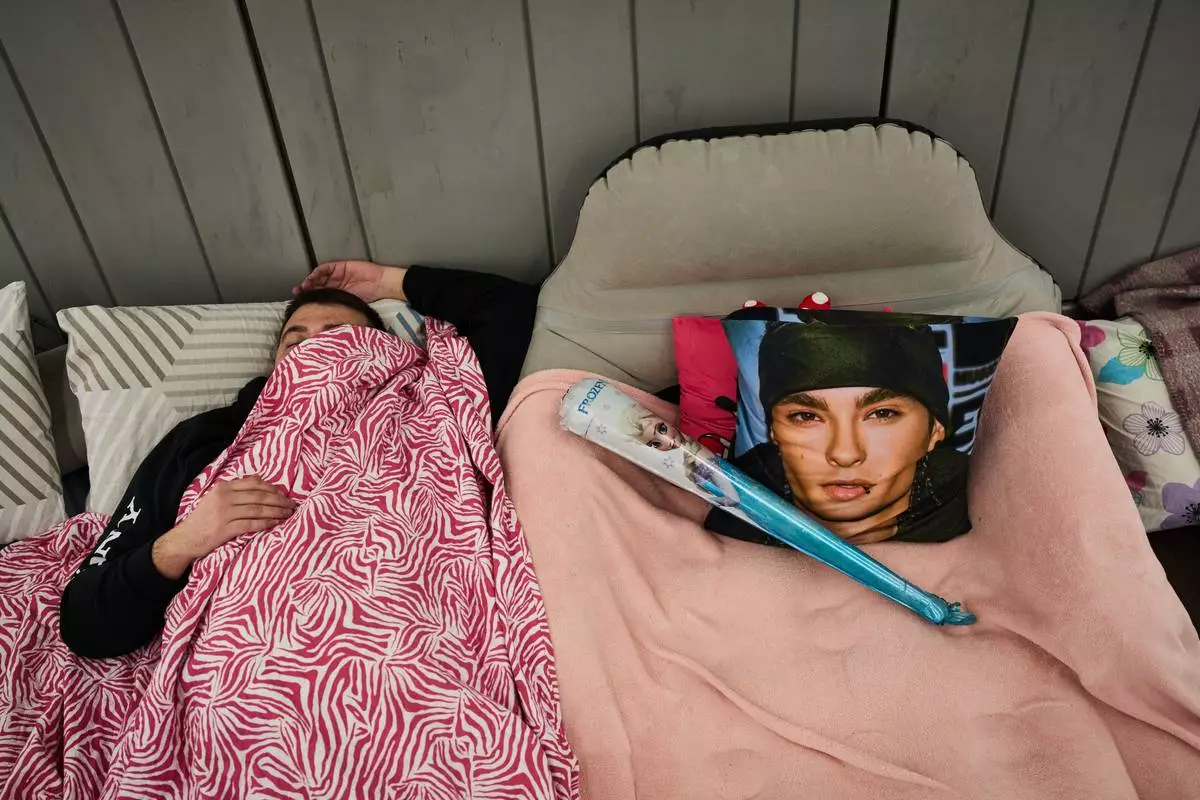
A man takes shelter in an underground metro station as a precaution against possible Iranian missile attacks, in Ramat Gan, Israel Monday, March 2, 2026. (AP Photo/Oded Balilty)
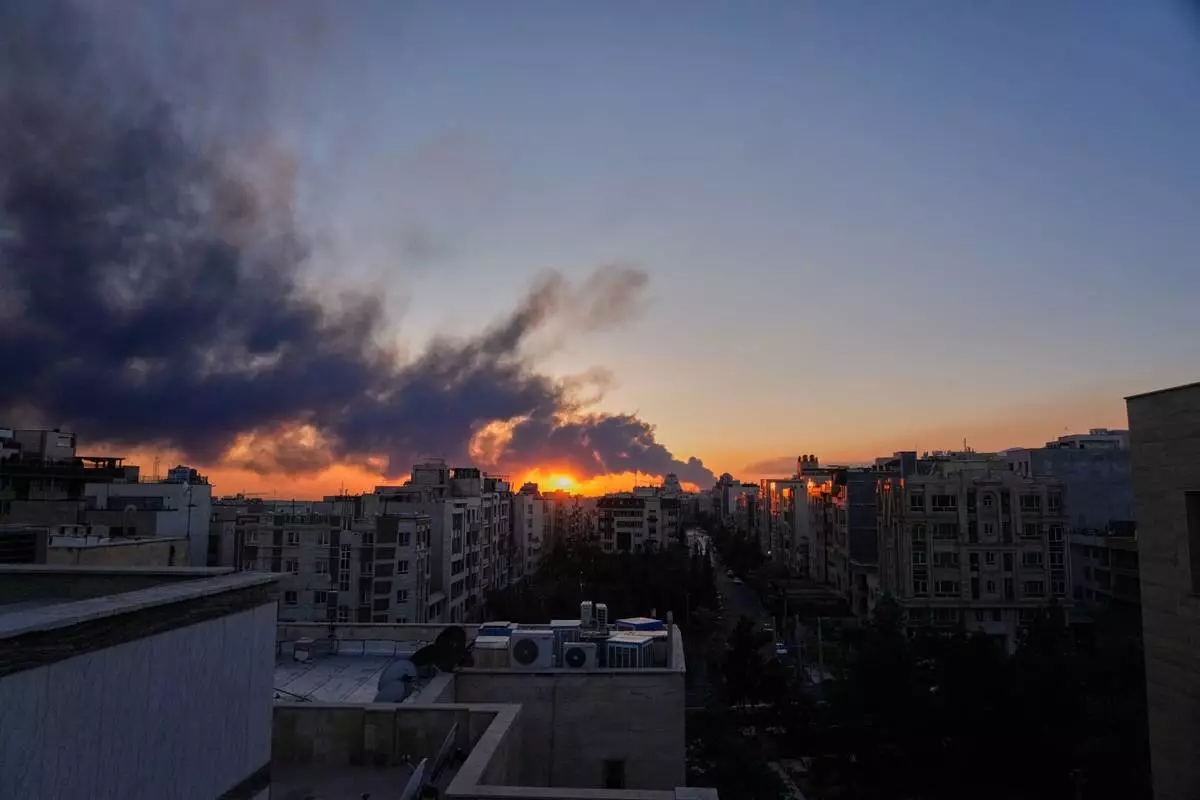
The sun sets behind a plume of smoke rising after a U.S.–Israeli military strike in Tehran, Iran, Tuesday, March 3, 2026. (AP Photo/Vahid Salemi)
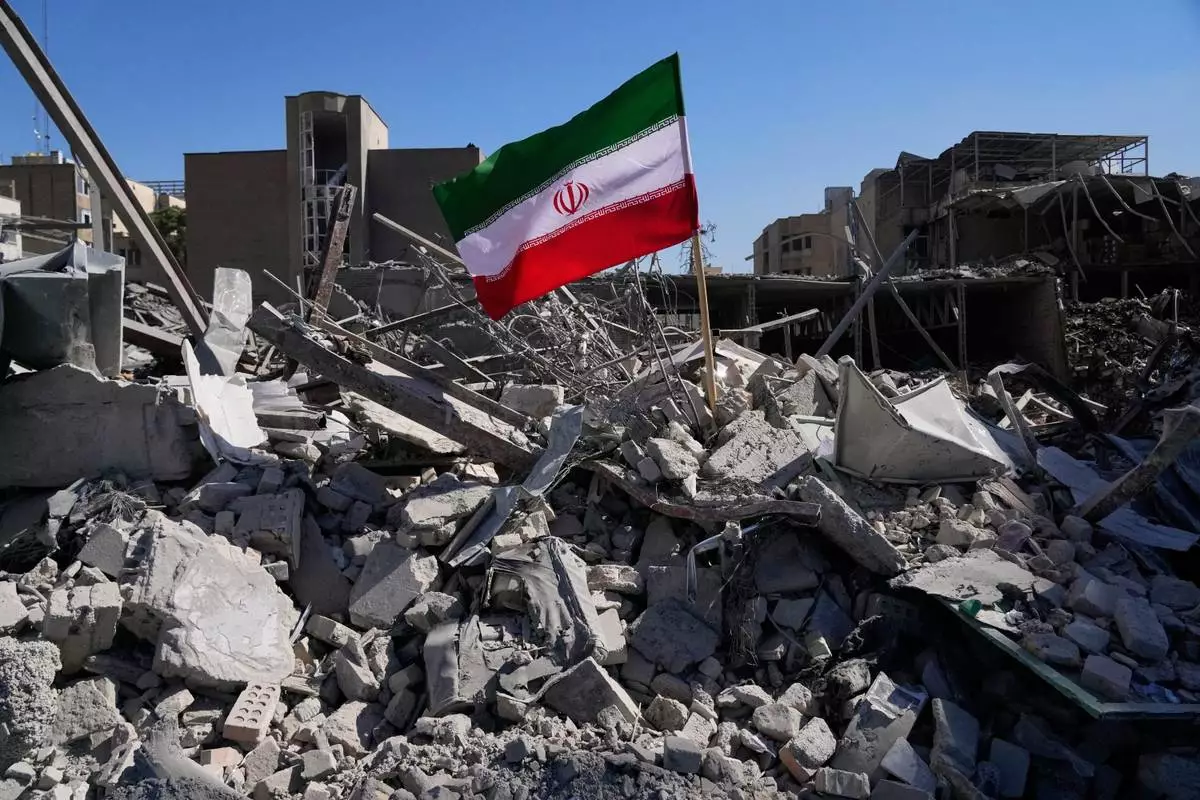
An Iranian flag is placed among the ruins of a police station struck Monday during the U.S.–Israeli military campaign in Tehran, Iran, Tuesday, March 3, 2026. (AP Photo/Vahid Salemi)
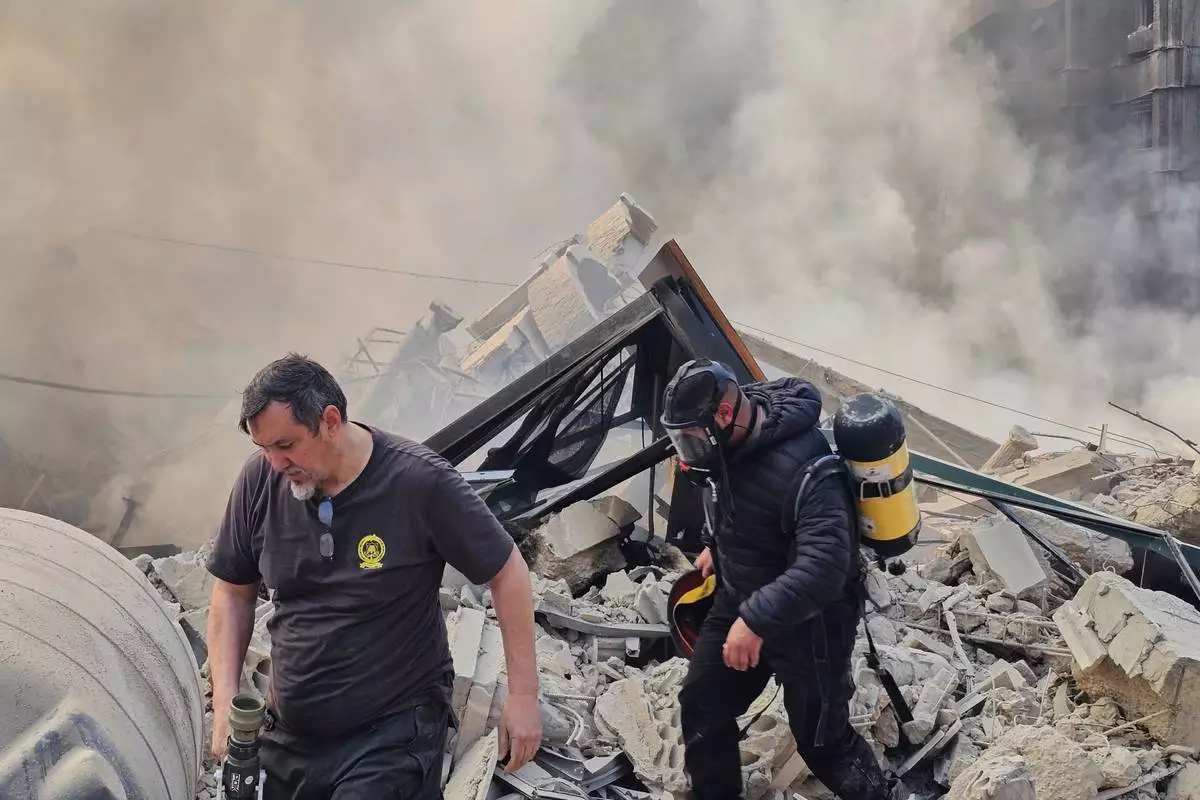
Firefighters inspect the rubble as smoke rises from a building hit by an Israeli airstrike in Dahiyeh, a southern suburb of Beirut, Lebanon, Tuesday, March 3, 2026. (AP Photo/Hassan Ammar)
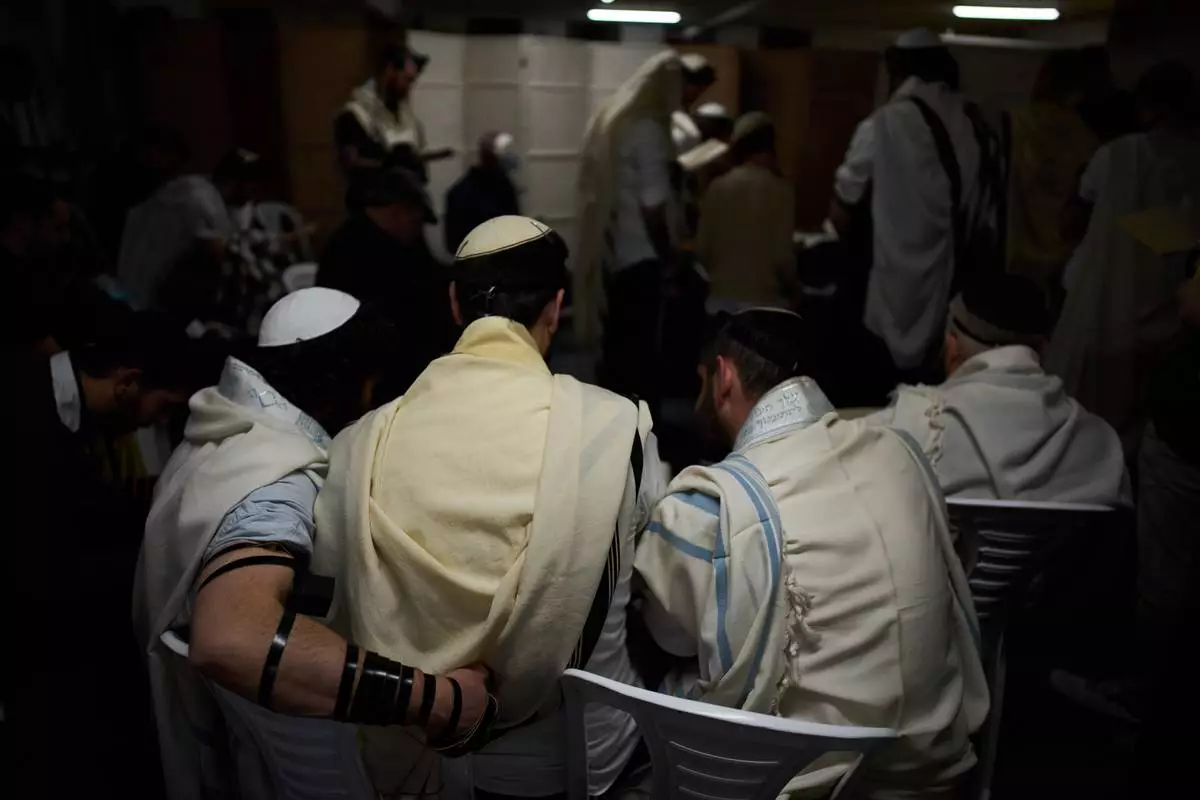
Jewish men covered in prayer shawls pray in an underground parking garage as a precaution against possible Iranian missile attacks, in Tel Aviv, Israel, Tuesday, March 3, 2026. (AP Photo/Oded Balilty)
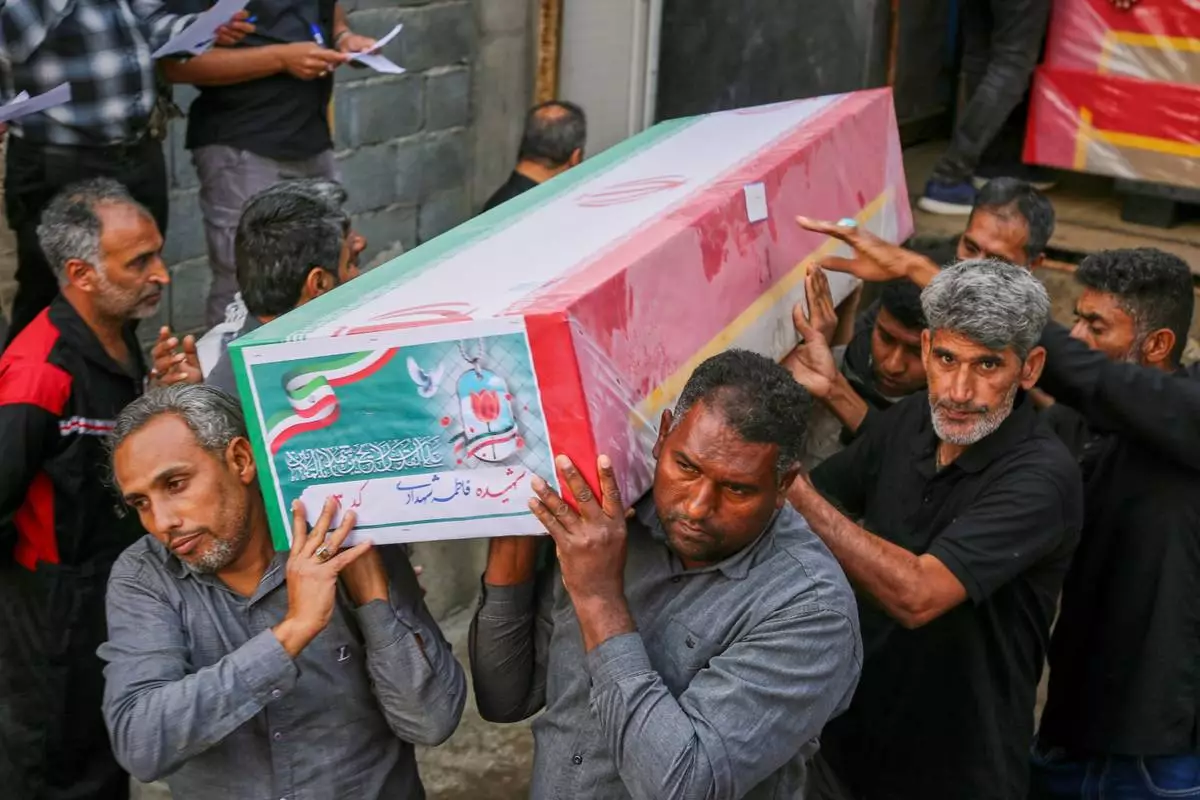
A coffin is carried during the funeral of mostly children killed in what Iranian officials said was an Israeli-U.S. strike Feb. 28 at a girls' elementary school in Minab, Iran, Tuesday, March 3, 2026. (Abbas Zakeri/Mehr News Agency via AP)
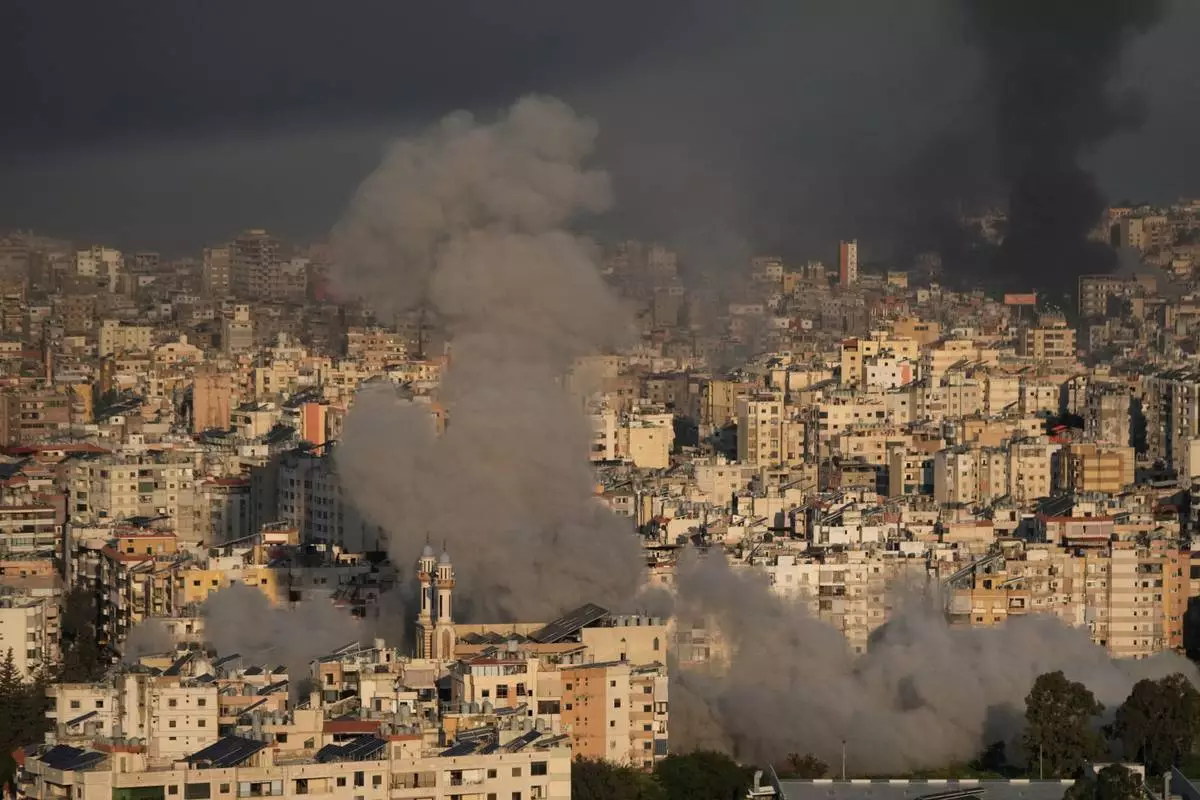
Smoke rises from Israeli airstrikes in Dahiyeh, a southern suburb of Beirut, Lebanon, Tuesday, March 3, 2026. (AP Photo/Hussein Malla)
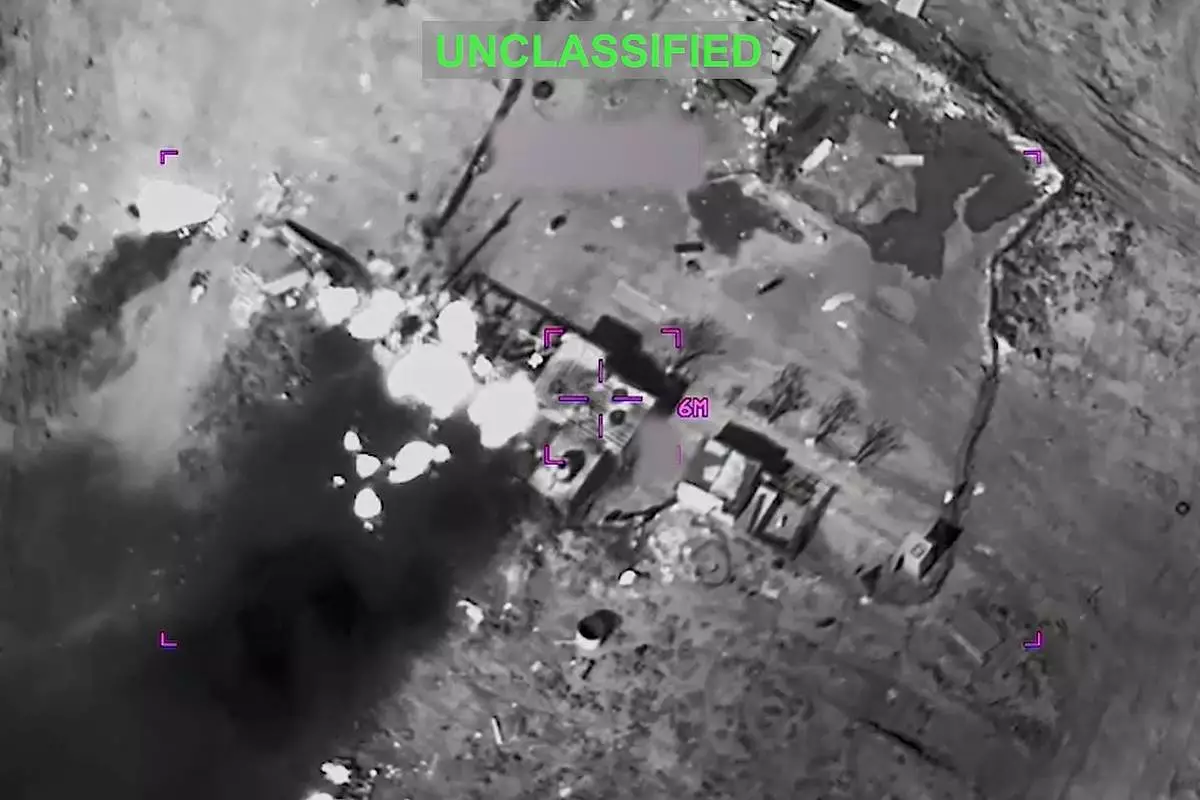
This partially redacted image from video provided by U.S. Central Command shows a complex of structures in Iran being struck by missiles fired by U.S. forces on Sunday, March 1, 2026. (U.S. Central Command via AP)
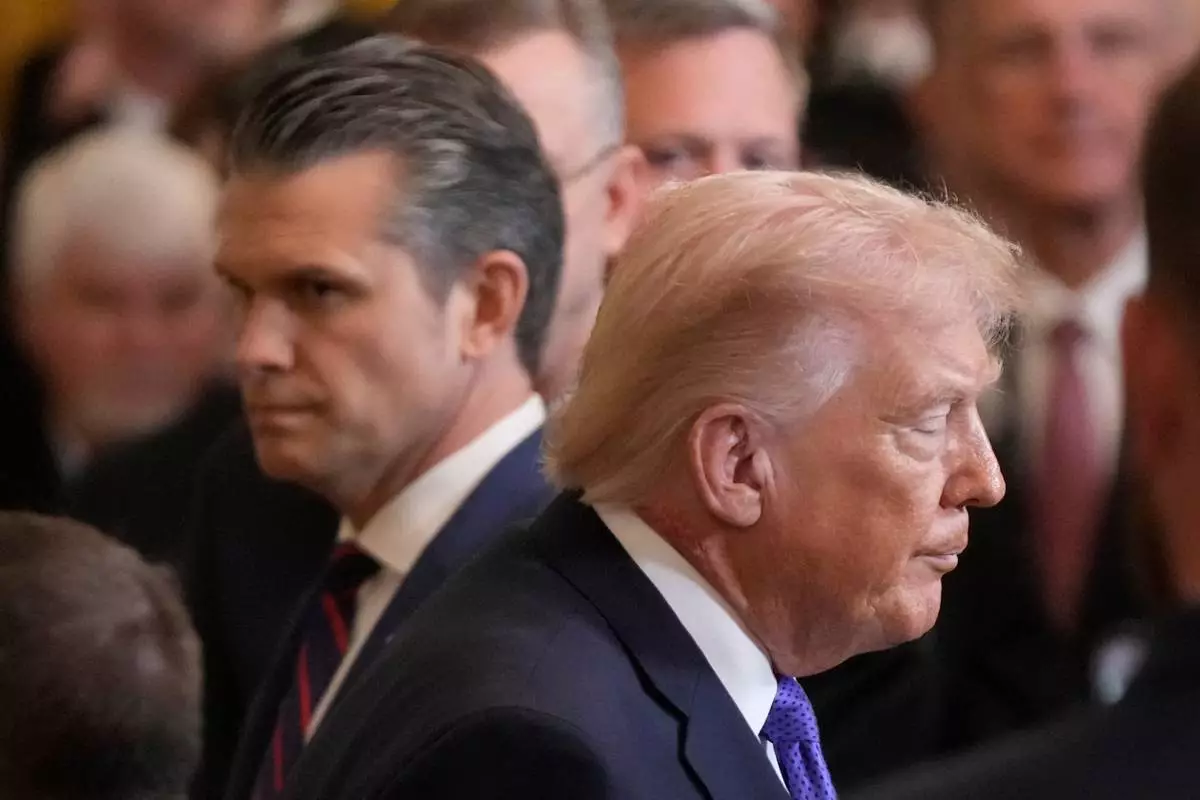
President Donald Trump walks past Defense Secretary Pete Hegseth as he exist the East Room of the White House following the Medal of Honor ceremony, Monday, March 2, 2026, in Washington. (AP Photo/Mark Schiefelbein)
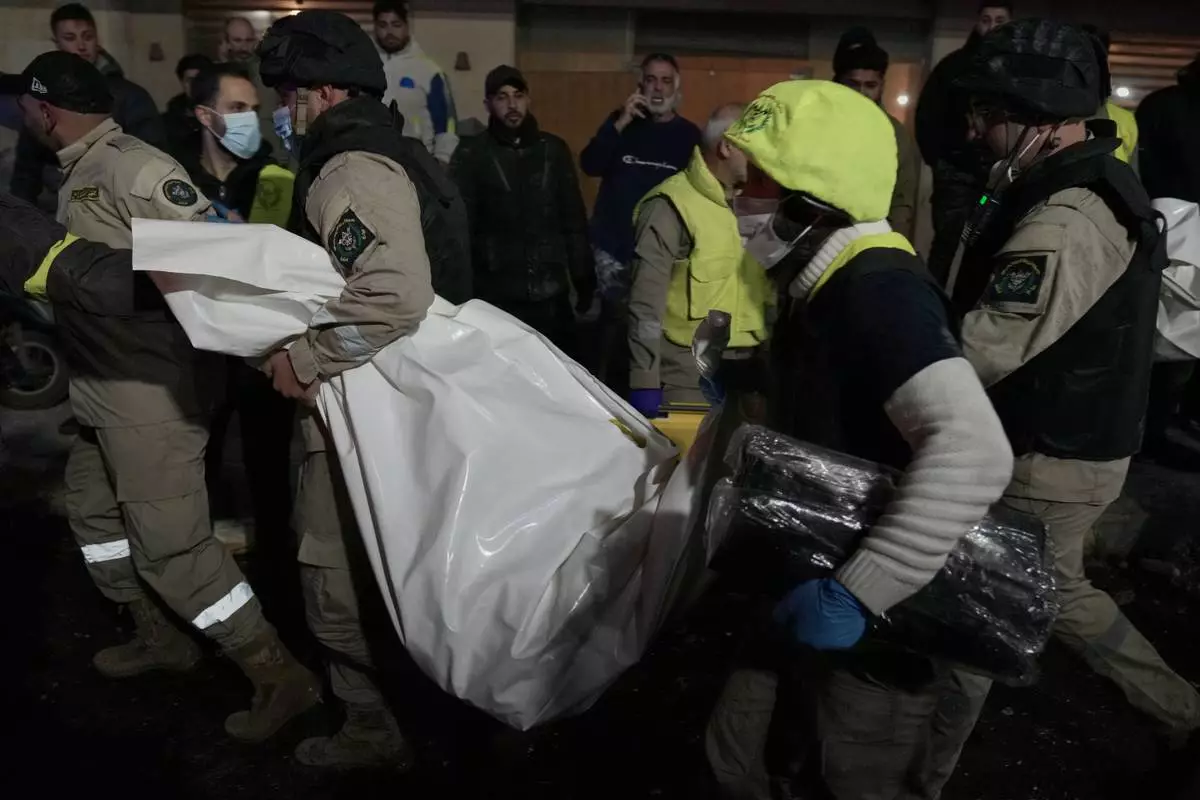
Rescue workers carry a dead body in a plastic bag from a building that was hit by Israeli strike, in Jnah neighborhood, south of Beirut, Lebanon, Monday, March 2, 2026. (AP Photo/Hussein Malla)
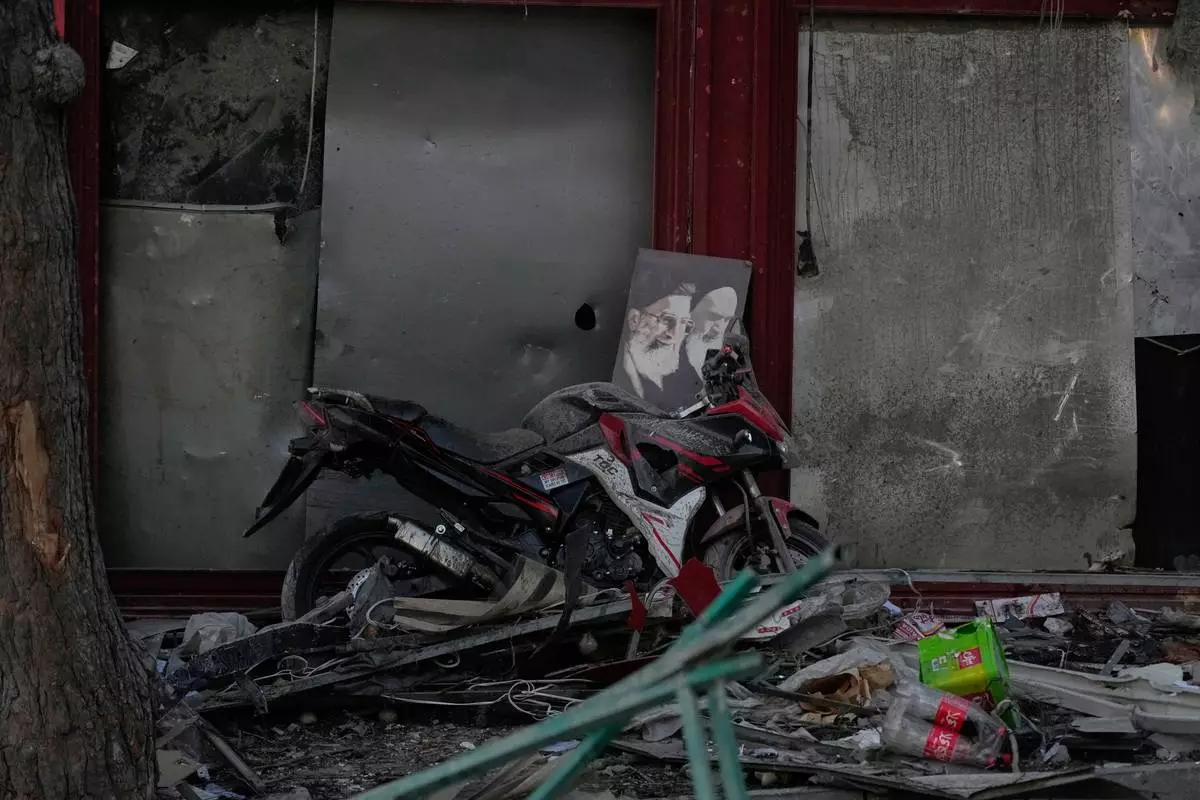
A poster of the late Supreme Leader Ayatollah Ali Khamenei, who was killed during the ongoing joint U.S.-Israeli military campaign, and the late Iranian Revolutionary founder Ayatollah Khomeini, right, lays on a motorcycle amid debris left by a strike in Tehran, Iran, Monday, March 2, 2026. (AP Photo/Vahid Salemi)
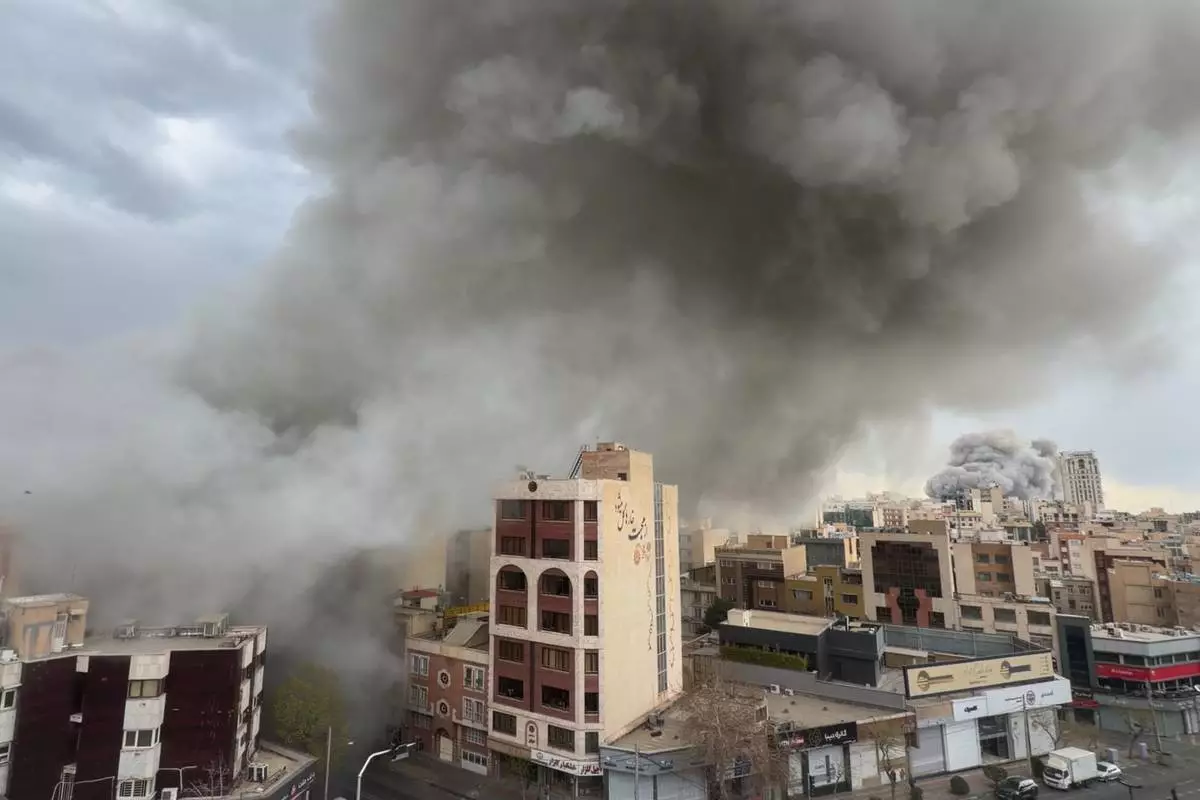
Plumes of smoke from two simultaneous strikes rise over Tehran, Iran, Monday, March 2, 2026. (AP Photo/Mohsen Ganji)