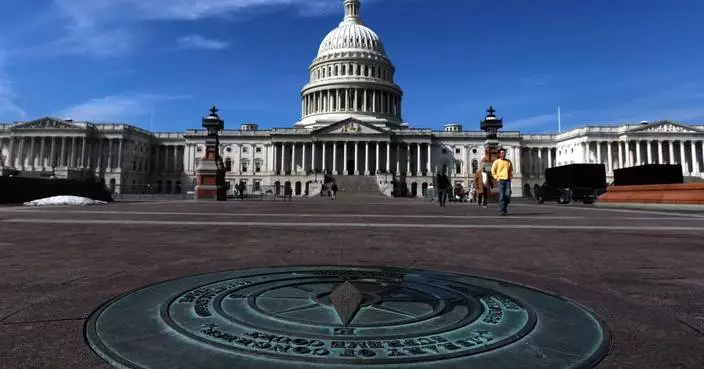
DALLAS (AP) — Texas Republican Sen. John Cornyn is trying to hold on for a fifth term in Tuesday's GOP primary, while Democrats will choose whether to send Rep. Jasmine Crockett or state Rep. James Talarico to a November general election where the party once again hopes it has a chance.
Texas is one of three states kicking off this year’s midterm elections, a slate of primaries that come as the U.S. and Israel are at war with Iran. The war, which began over the weekend, has killed at least six U.S. service members, spiraled into a regional confrontation as Iran retaliated and sent oil and natural gas prices soaring. President Donald Trump, who campaigned on an isolationist “America First” agenda and went to war without authorization from Congress, faces mounting questions over its rationale and an exit strategy.
Click to Gallery
James Talarico, a Texas Democratic primary candidate for U.S. Senate, speaks during an event at the University of Houston Monday, March 2, 2026, in Houston. (AP Photo/Ashley Landis)
Primary candidate for U.S. Senate Rep. Jasmine Crockett, D-Texas, responds to a question during a broadcast interview at a campaign stop in Dallas, Friday, Feb. 27, 2026. (AP Photo/Tony Gutierrez)
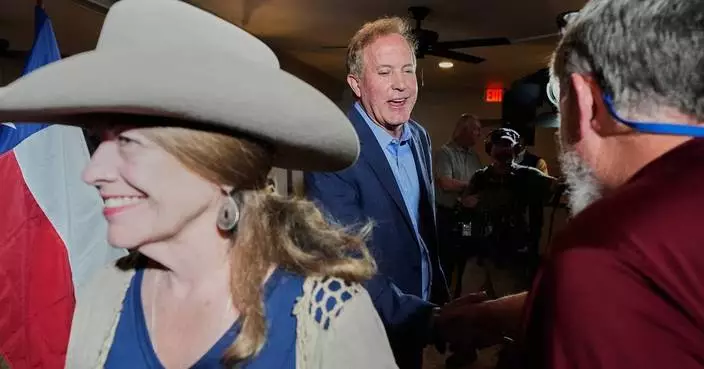
Texas Attorney General Ken Paxton, a Republican candidate for the U.S. Senate, addresses supporters during a campaign stop, Monday, March 2, 2026, in Waco, Texas. (AP Photo/Tony Gutierrez)
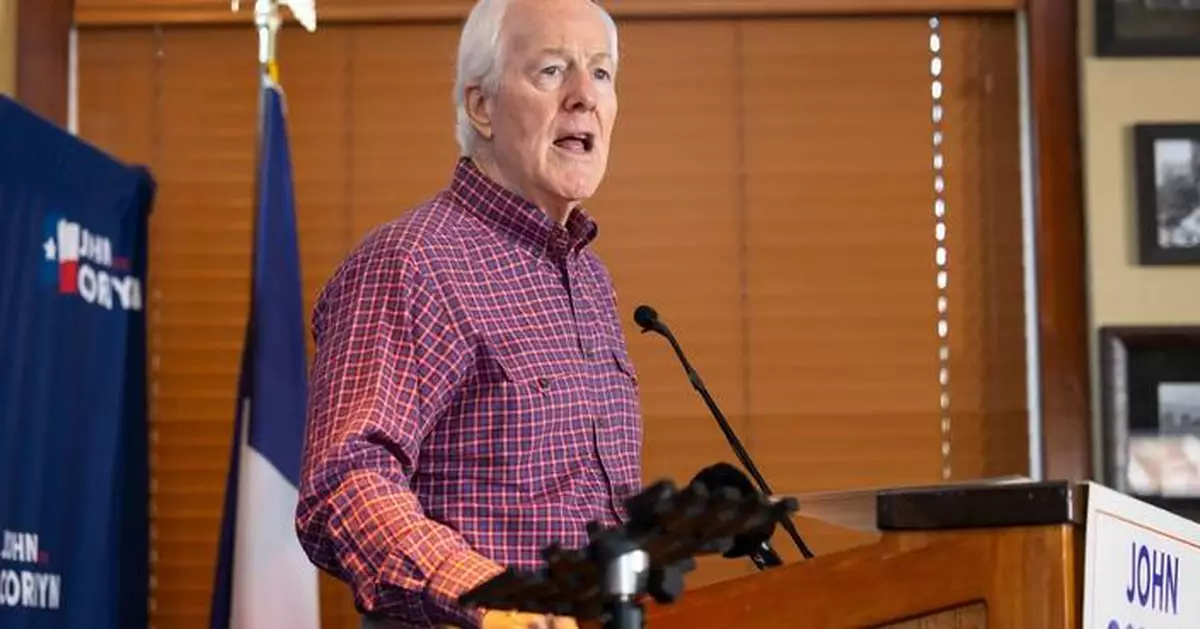
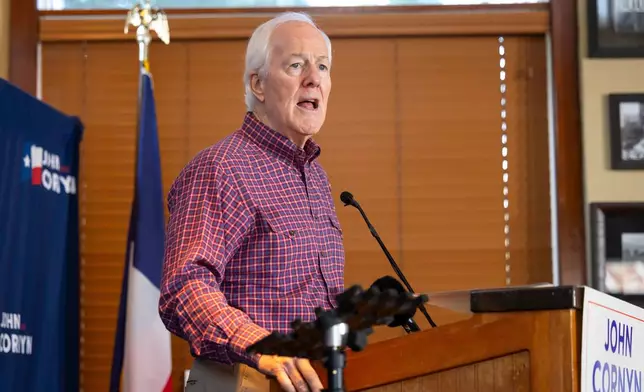
Sen. John Cornyn, R-Texas, speaks during a campaign stop in The Woodlands, Texas, Saturday, Feb. 28, 2026. (AP Photo/Annie Mulligan)
Tuesday also is the final day of voting in North Carolina and Arkansas in primaries that mark the start of the 2026 midterms, as Democrats look to break the GOP’s hold on Washington and derail Trump.
Cornyn faces a challenge from MAGA favorite Ken Paxton, the state’s attorney general, and Rep. Wesley Hunt in a contest that's expected to advance to a May runoff between the top two vote-getters. The three Republicans have campaigned on their ties to Trump, who has not endorsed in the race.
Crockett and Talarico each argue that they are the stronger general election candidate in a state that backed Trump by almost 14 percentage points in 2024 and where a Democrat hasn’t won a statewide race in over 30 years.
Voters also are choosing House candidates using new congressional district boundaries that GOP lawmakers — urged on by Trump — redrew to help elect more Republicans.
Cornyn hopes to avoid becoming the first Republican senator in Texas history not to be renominated.
His cool relationship with Trump is part of why Cornyn is vulnerable. He and allied groups have spent $64 million in television advertising alone since July to try stabilize his support.
Paxton began campaigning in earnest only last month but has made national headlines for filing lawsuits against Democratic initiatives. He has remained popular in Texas despite a 2023 impeachment trial on corruption charges, of which he was acquitted, and accusations of marital infidelity by his wife.
Senate GOP leaders, who are backing Cornyn, worry that Paxton's liabilities would require the party to spend substantially to defend the seat if he is the nominee — money that could be better used elsewhere.
Paxton has run ads touting his support from Turning Point USA, the group founded by the late conservative activist Charlie Kirk, as well as Kirk's praise for Paxton before he was assassinated in September.
Hunt's entry into the race in October made it trickier for any primary candidate to win at least 50%, the threshold needed to avoid a May 26 runoff.
All three Republicans have run ads boasting of their coziness with Trump.
On the Democratic side, the party's first major contest of 2026 offers a choice between stylistic opposites as it hungers for its first Senate win in Texas since 1988.
Talarico, a seminarian who often references the Bible, has held rallies across the state including in heavily Republican areas. Crockett, who has built a national profile for zinger attacks on Republicans, has focused on turning out Black voters in the Dallas and Houston areas.
Talarico had outspent Crockett on television advertising by more than four to one as of late February. He got a burst of attention last month from CBS' decision not to air his interview with late-night host Stephen Colbert. Colbert said the network pulled the interview for fear of running afoul of Trump's FCC. Talarico's campaign announced it raised $2.5 million in the 24 hours after the interview — which was streamed online — was pulled from TV.
Texas Republicans' unusual, mid-decade redistricting was aimed at helping Trump's party pick up five Democratic-held seats in an effort to avoid losing control of the House. It set up some intraparty conflicts between Democratic incumbents, and what are expected to be some of November's most competitive races.
In the 34th District, former Rep. Mayra Flores is attempting a comeback. Flores made history in a 2022 special election as the first Republican to win in the Rio Grande Valley in 150 years, but she lost her bid for a full term later that year. She faces Eric Flores, a lawyer endorsed by Trump, for the nomination to run against Democratic Rep. Vicente Gonzalez.
In the 23rd District, Rep. Tony Gonzales is considered vulnerable after fellow Republicans called on him to resign over an affair with a staffer who killed herself. He is being challenged by gun manufacturer and YouTube influencer Brandon Herrera, who calls himself “the AK guy.” The district includes Uvalde, site of a deadly 2022 shooting at Robb Elementary School.
Republican Rep. Dan Crenshaw is challenged in the 2nd District by GOP state Rep. Steve Toth, who was endorsed by Sen. Ted Cruz.
Former Major League Baseball star Mark Teixeira is running in District 21, in southwest Texas, for the seat held by Republican Rep. Chip Roy, who is running for state attorney general. Teixeira, a Republican, played for four MLB teams, including the Texas Rangers and the New York Yankees when they won the 2009 World Series.
Democrat Bobby Pulido, a Latin Grammy winner, is running in South Texas' 15th District against physician Ada Cuellar. The nominee will face two-term Republican Rep. Monica De La Cruz.
In the 33rd District, Democratic Rep. Julie Johnson faces former Rep. Colin Allred, a former NFL linebacker and 2024 Senate nominee. Johnson, a first-term congresswoman, is seen as vulnerable partly because Allred previously represented part of the district, which weaves through the Dallas and Fort Worth areas. He also retains a national fundraising network from his Senate campaign.
And Democratic Rep. Al Green also is fighting to stay in office after his Houston-based 9th District was drawn to be lean Republican. Green, 78, is now running in a newly drawn 18th District against Democratic Rep. Christian Menefee, 37, who won a January special election for the current 18th District. The new one includes two-thirds of Green's old district.
Republican Gov. Greg Abbott is running for reelection and faces a likely matchup with Democratic state Rep. Gina Hinojosa.
Four-term U.S. Rep. Chip Roy is seeking the GOP nomination for state attorney general, with Paxton running for Senate. Roy has been a prominent member of the conservative Freedom Caucus.

James Talarico, a Texas Democratic primary candidate for U.S. Senate, speaks during an event at the University of Houston Monday, March 2, 2026, in Houston. (AP Photo/Ashley Landis)
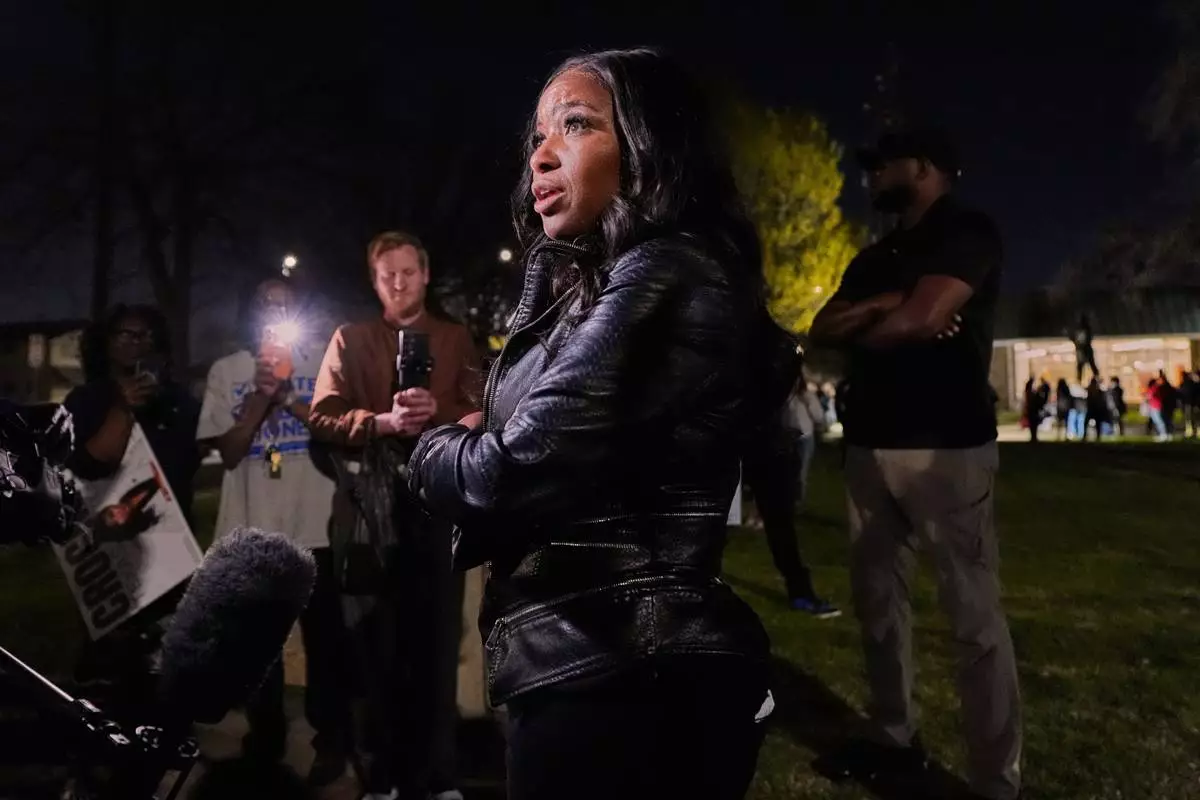
Primary candidate for U.S. Senate Rep. Jasmine Crockett, D-Texas, responds to a question during a broadcast interview at a campaign stop in Dallas, Friday, Feb. 27, 2026. (AP Photo/Tony Gutierrez)

Texas Attorney General Ken Paxton, a Republican candidate for the U.S. Senate, addresses supporters during a campaign stop, Monday, March 2, 2026, in Waco, Texas. (AP Photo/Tony Gutierrez)
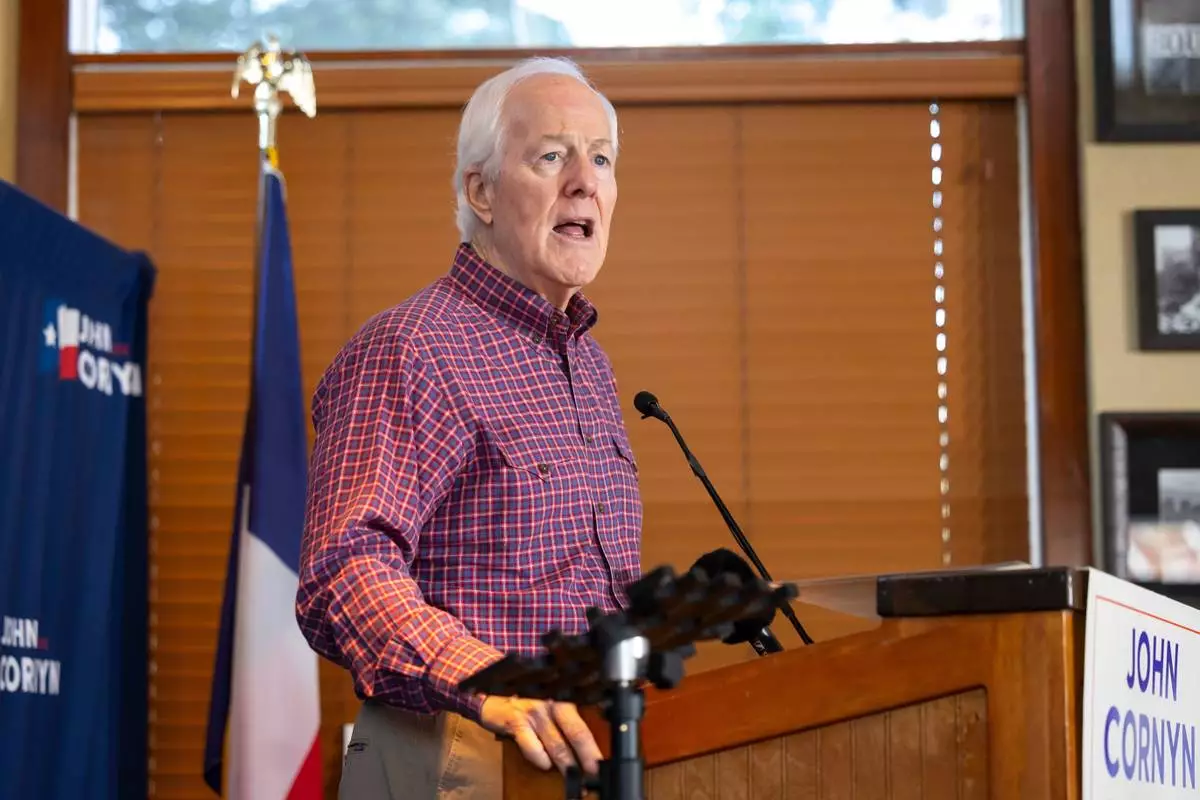
Sen. John Cornyn, R-Texas, speaks during a campaign stop in The Woodlands, Texas, Saturday, Feb. 28, 2026. (AP Photo/Annie Mulligan)
WASHINGTON (AP) — For Democrats demoralized at being shut out of power in Washington, the past several months have offered reason for optimism.
A party often beset by ideological division has largely been unified in opposition to President Donald Trump's hardline immigration tactics, particularly after two U.S. citizens were killed in Minneapolis. Heading into a midterm election year in which they are just a few seats shy of reclaiming the U.S. House majority, Democrats have also kept the White House on defense with criticism of Trump's economic policies and ties to Jeffrey Epstein, the convicted sex offender.
But the U.S. and Israeli strikes against Iran could test the durability of that cohesion. Initially, Democrats balanced condemnation of Iran's supreme leader, Ayatollah Ali Khamenei, who was killed over the weekend, with calls for Congress to quickly pass a war powers resolution that would restrain Trump's attack options.
“As soon as our resolution comes to the floor, senators need to pick a side,” Senate Democratic leader Chuck Schumer said on Monday. “Stand with Americans who don't want war, or stand with Donald Trump as he singlehandedly starts another war.”
But some divisions are surfacing as a handful of Democrats, especially those who are strongly aligned with Israel, express reservations about the war powers measure. Rep. Greg Landsman, D-Ohio, won't back an Iran resolution. Before the strike, Rep. Josh Gottheimer, D-N.J., also said he would vote no.
Sen. John Fetterman, D-Pa., who backed a war powers vote tied to Venezuela in January, also has broken with Democrats over the Iranian measure and rejected arguments that the attack was illegal, spurring frustration among some party leaders.
“John Fetterman knows better,” House Democratic leader Hakeem Jeffries said Monday on CNN.
Republicans are also facing internal dissent. Trump, who did little to prepare Americans for the prospect of such a dramatic conflict, said Monday the operation could last four to five weeks. He hasn’t articulated a clear exit strategy and warns that American casualties could mount, which will pose a severe test of voter patience for the conflict.
The war could also lead to rising gas prices and economic volatility that may bolster Democratic arguments that the president is out of touch with the financial realities facing many Americans.
Still, Republicans see an opportunity to portray Democrats as reflexively opposed to Trump.
“For my Democratic colleagues, this is not about what's best for our national security or what's best for protecting the American people,” said Sen. John Kennedy, R-La. “This is about how to defeat Donald Trump.”
Democrats have undergone a searing internal debate over the party's relationship with Israel in the wake of the war in Gaza. Then-President Joe Biden's loyalty to Israel during the heat of the 2024 campaign was starkly at odds with younger generations outraged by the treatment of Palestinians in Gaza. By the time Kamala Harris rose to the top of the ticket that year, she struggled to win over some younger voters who are critical to Democratic success.
Paco Fabian, the political director for the progressive advocacy group Our Revolution, acknowledged that Democrats “aren’t monolithic.” But he also suggested a shift was underway, noting the results of a New Jersey special election last month.
During that campaign, the affiliated super PAC of the pro-Israel American Israel Public Affairs committee sought to thwart the moderate candidate, Tom Malinowski, after he questioned unconditional aid to the Israeli government. Those efforts appeared to backfire with the more progressive contender, Analilia Mejia, winning the primary.
“Given what's going on right now, I don't think the moment is doing AIPAC and Israel any favors,” Fabian said.
Sympathy toward Israel appears to be shifting. Three years ago, 54% of Americans sympathized more with the Israelis, compared with 31% for the Palestinians, according to Gallup polling released last month. Now, their support is about evenly balanced, with 41% saying their sympathies lie more with the Palestinians, and only 36% saying the same about the Israelis.
Americans’ initial reactions to airstrikes also appeared more negative than positive, early polling suggested. About 6 in 10 U.S. adults disapproved of the U.S. decision to take military action in Iran, according to a CNN poll conducted via text message over the weekend. A separate snap poll from The Washington Post conducted via text message on Sunday suggested that about half of those polled opposed the strikes, while 39% were in support. Roughly 1 in 10 were unsure.
Democrats and independents drove much of the disapproval in those early polls, while Republicans were much more supportive.
The initial political impact of the attacks in Iran could emerge as soon as Tuesday during the first primary elections of this year’s midterm campaign.
In North Carolina, Durham County Commissioner Nida Allam was already going into her bid to unseat two-term Rep. Valerie Foushee with backing from Our Revolution and other top progressives. After receiving support from groups tied to AIPAC during her 2022 campaign, Foushee’s campaign rejected such contributions this cycle. Over the weekend, she said she doesn’t support “Trump’s illegal war with Iran” and would back the war powers resolution.
Still, Allam, who would be the first Muslim elected to Congress from North Carolina, was quick to release a video ahead of Tuesday’s vote criticizing Trump for “starting another endless war” and promising to never accept support from “the pro-Israel lobby.”
In Texas, home to high-profile Senate primaries on Tuesday, Democratic voters expressed alarm at the attacks.
“It shouldn't have happened,” said Charles Padmore, 45, an independent contractor in Houston. “Affordability should be the top priority on Trump's list.”
Alex Diaz, 31, a biology high school teacher in Houston, called the bombing of Iran “uncalled for.”
“You’re trying to start World War III, and we don’t need that right now,” he said.
The fallout could spread to other contests this month. Ahead of the March 17 primary in Illinois, AIPAC-aligned groups have also criticized Daniel Biss, the Evanston mayor who is aiming to become the Democratic candidate to succeed the retiring Rep. Jan Schakowsky. In an interview, Biss spoke of the “backlash I'm hearing people have against AIPAC, their MAGA-aligned money and their Trump-aligned policy agenda.”
Asked about such predictions, Patrick Dorton, a spokesman for AIPAC’s affiliated super PAC, said “the key distinction will be between those who recognize that Iran is a murderous regime that tortures women for leaving their hair uncovered, hangs gay people, and executes peaceful democratic protestors, and those who will turn a blind eye to the regime’s atrocities.”
As Congress moves toward a potential war powers vote this week, Biss said there was a need for Democrats to act as a “strong, clear, vocal, united opposition party.”
“I also would like to see the Democratic Party united not just on the procedural argument but on the basic acknowledgment that this war is wrong,” he added.
On Capitol Hill, Sen. Richard Blumenthal of Connecticut, a Democrat on the Armed Services Committee, said he was less concerned about party unity than the prospect of achieving a bipartisan vote on the war powers resolution. Three Republicans ultimately backed the Venezuela resolution in January.
“What I want to see happen is the war powers resolution pass,” he said. “I'm not focused on what Democrats as a whole do. We're going to have differing opinions among Democrats and among Republicans.”
Associated Press journalists Linley Sanders in Washington and Juan Lozano in Houston contributed to this report.
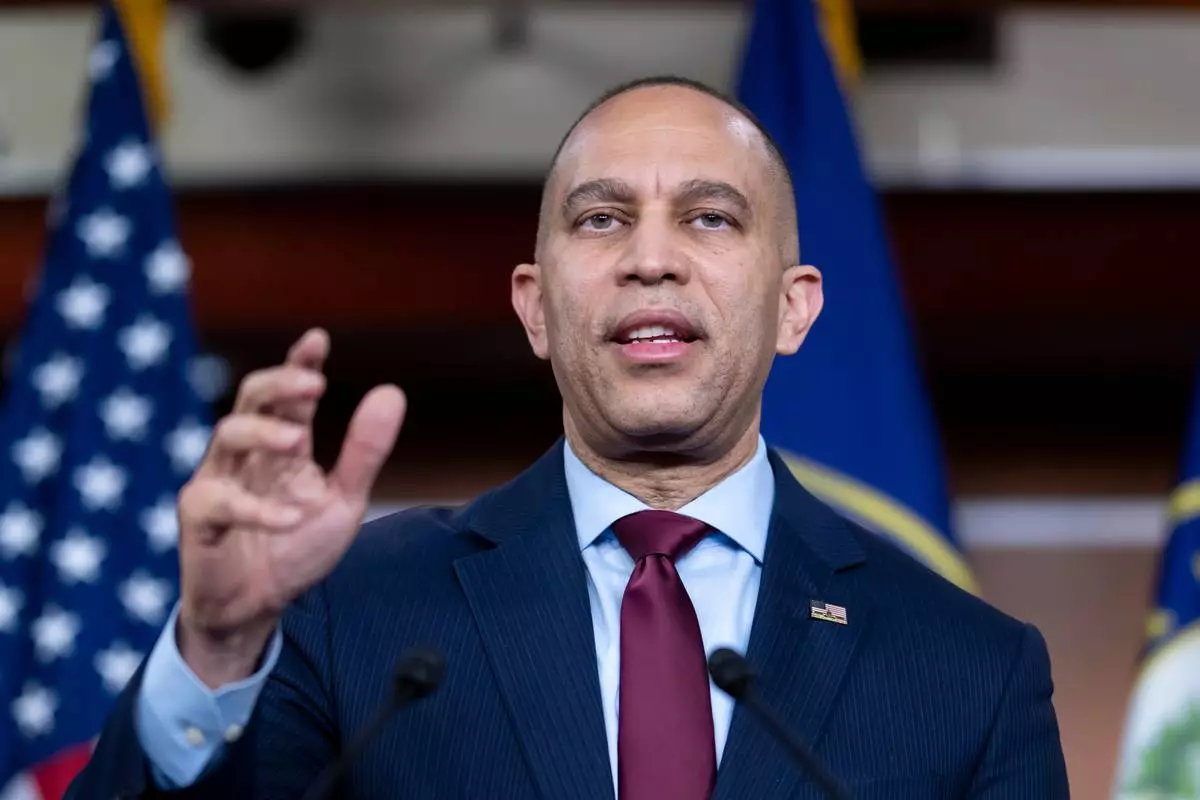
House Minority Leader Hakeem Jeffries, D-N.Y., speaks during a news conference at the Capitol in Washington, Wednesday, Feb. 18, 2026. (AP Photo/J. Scott Applewhite)
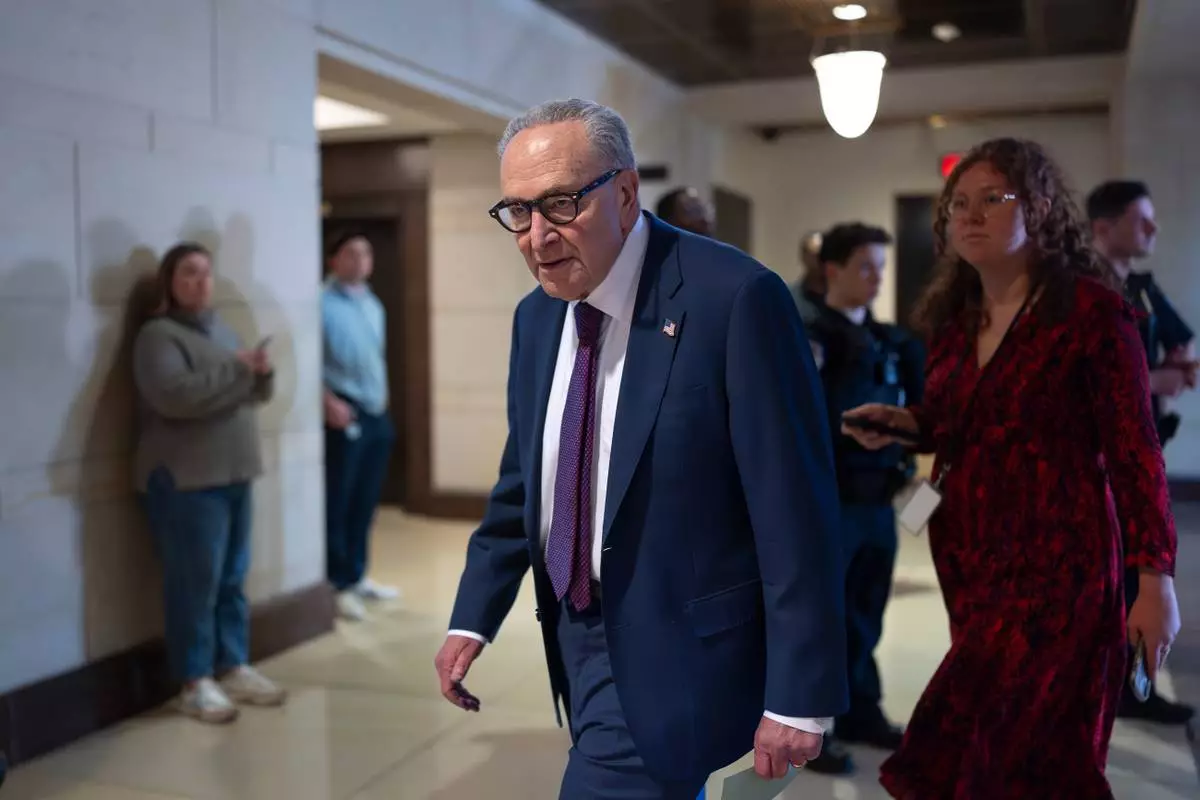
Senate Minority Leader Chuck Schumer, D-N.Y., arrives at a secure facility in the basement of the Capitol for an intelligence briefing with Secretary of State Marco Rubio on the Iran war in Washington, Monday, March 2, 2026. (AP Photo/J. Scott Applewhite)
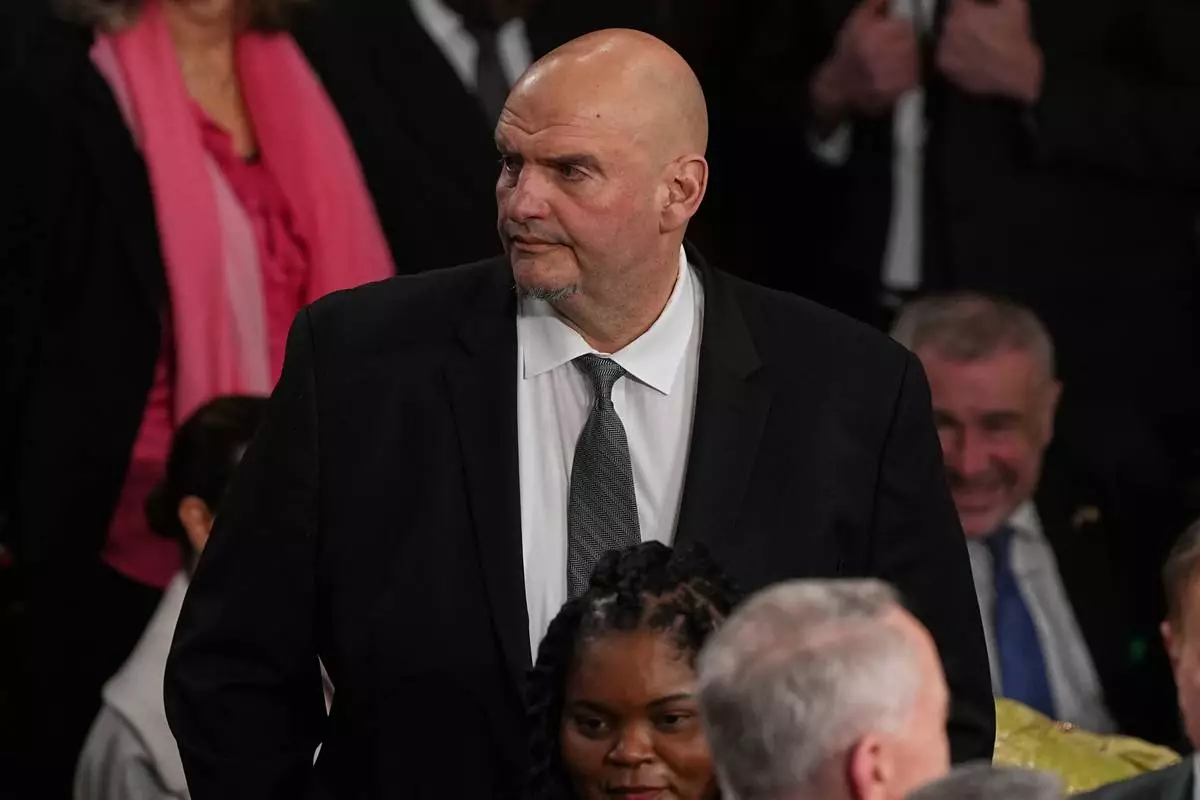
Sen. John Fetterman, D-Pa., arrives before President Donald Trump delivers the State of the Union address to a joint session of Congress in the House chamber at the U.S. Capitol in Washington, Tuesday, Feb. 24, 2026. (AP Photo/Matt Rourke)