MINNEAPOLIS (AP) — The Minnesota Timberwolves were missing star Anthony Edwards again.
Their poise was present and accounted for.
Click to Gallery
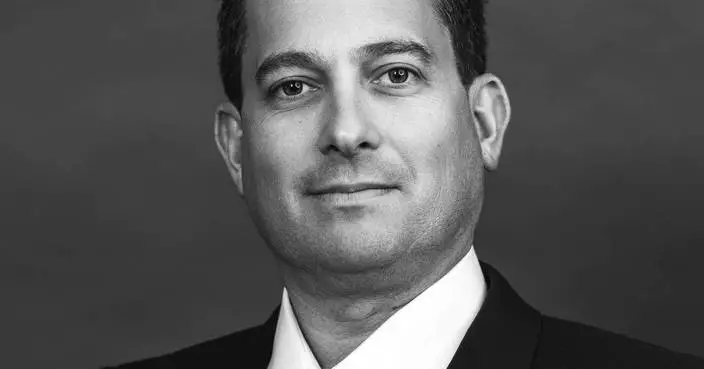
Minnesota Timberwolves head coach Chris Finch looks on during the first half of an NBA basketball game against the Sacramento Kings, Sunday, Dec. 14, 2025, in Minneapolis. (AP Photo/Matt Krohn)
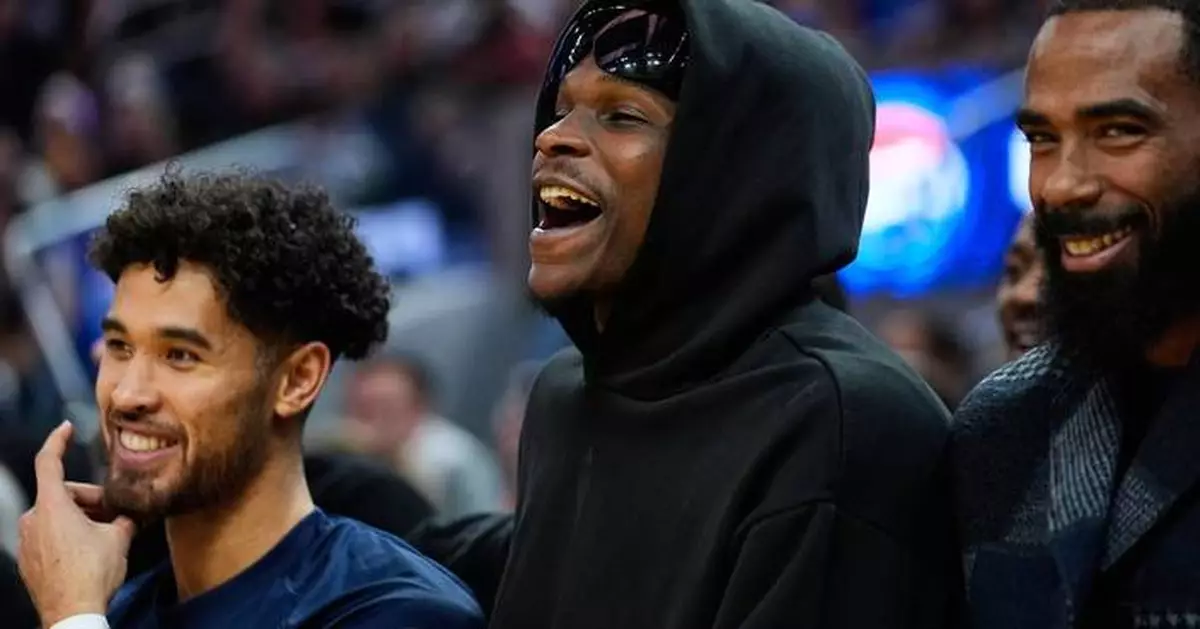
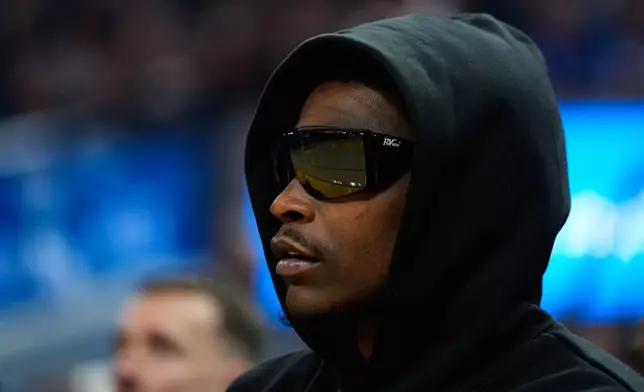
Minnesota Timberwolves guard Anthony Edwards watches from the bench during the first half of an NBA basketball game against the Golden State Warriors, Friday, Dec. 12, 2025, in San Francisco. (AP Photo/Godofredo A. Vásquez)
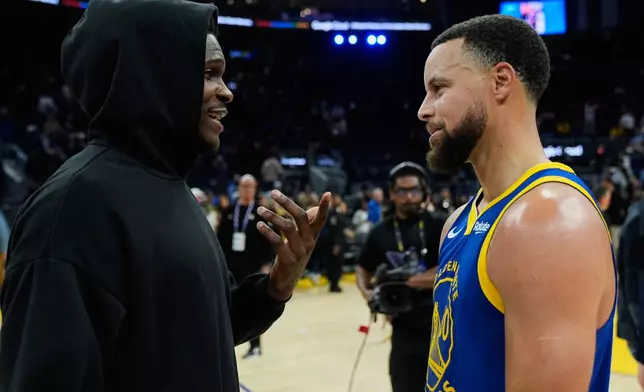
Minnesota Timberwolves guard Anthony Edwards, left, and Golden State Warriors guard Stephen Curry speak after an NBA basketball game, Friday, Dec. 12, 2025, in San Francisco. (AP Photo/Godofredo A. Vásquez)
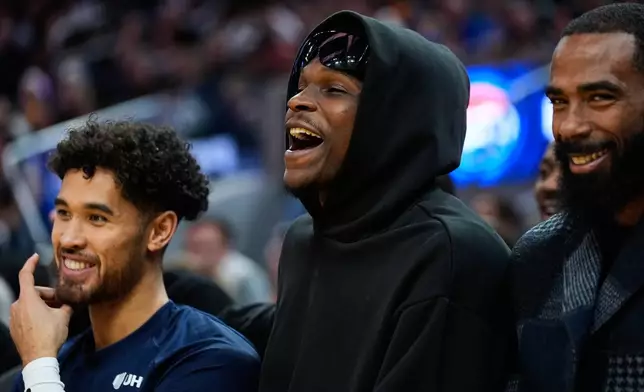
Minnesota Timberwolves guard Anthony Edwards, center, reacts from the bench during the second half of an NBA basketball game against the Golden State Warriors, Friday, Dec. 12, 2025, in San Francisco. (AP Photo/Godofredo A. Vásquez)
With Edwards absent for the second straight game on Sunday with soreness in his right foot, his teammates picked up the slack after a sluggish start — and delivered another steely performance down the stretch on the way to a 117-103 victory over Sacramento.
The Timberwolves outscored the Kings 29-19 over the final 12 minutes, a league-leading eighth time this season they've had a 10-plus-point advantage in the fourth quarter.
“I think our composure down the stretch has gotten a lot better. Our ability to make the right read — and certainly shot making — has helped in those moments,” coach Chris Finch said.
The Timberwolves (17-9), who have won seven of their last eight games, exacted a measure of revenge for their 117-112 overtime loss at Sacramento on Nov. 24 when they blew a 10-point lead with less than three minutes remaining in regulation.
That game came three nights after they fumbled an eight-point lead with 49 seconds left at Phoenix and lost 114-113.
“We talked about how we need to be better in closing games and the themes that popped up,” Finch said, “and guys have done a good job of addressing that.”
Edwards has been considered day-to-day with his availability. Finch said before the game the injury “hasn't calmed down to the point where he's able to go.”
Backup point guard Mike Conley was also sidelined on Sunday, the 19-year veteran's second straight absence due to a right Achilles tendon injury. The short-handed backcourt meant another start for Bones Hyland, who has recently worked his way into a more meaningful role. Then center Rudy Gobert left the game midway through the third quarter for what the team announced as personal reasons.
The absence of the four-time NBA Defensive Player of the Year award winner down the stretch forced Naz Reid to play the last 20 minutes of the game. The 2024 Sixth Man of the Year award winner finished with 20 points and 11 rebounds and made sure the interior defense didn't collapse without the long arms of Gobert.
“A lot of the times we kind of understand the sense of urgency in the second half,” Reid said. “It’s nice to kind of have that at the end of the game, but I think we just kind of figure it out as the game goes on. As the second half comes, we kind of all-the-way turn it on, which is like not normal, but we’ve been getting the wins.”
Edwards missed four games earlier this season with a strained right hamstring. The three-time All-Star, who is eighth in the NBA with an average of 28.7 points per game, has already tallied his most absences since the 2021-22 season when he played in 72 games.
With the Timberwolves in a slower stretch of the schedule, Edwards could get eight days of rest while only missing the two games. Minnesota hosts Memphis on Wednesday.
“It’s such a bummer, but sometimes it’s good for some players,” Hyland said. “Sometimes it’s just God opening a door for you. You still want to be there for your teammate if he’s injured, be a good person, good teammate, but also step up. When someone goes down, we’re all a team.”
AP NBA: https://apnews.com/hub/NBA

Minnesota Timberwolves head coach Chris Finch looks on during the first half of an NBA basketball game against the Sacramento Kings, Sunday, Dec. 14, 2025, in Minneapolis. (AP Photo/Matt Krohn)
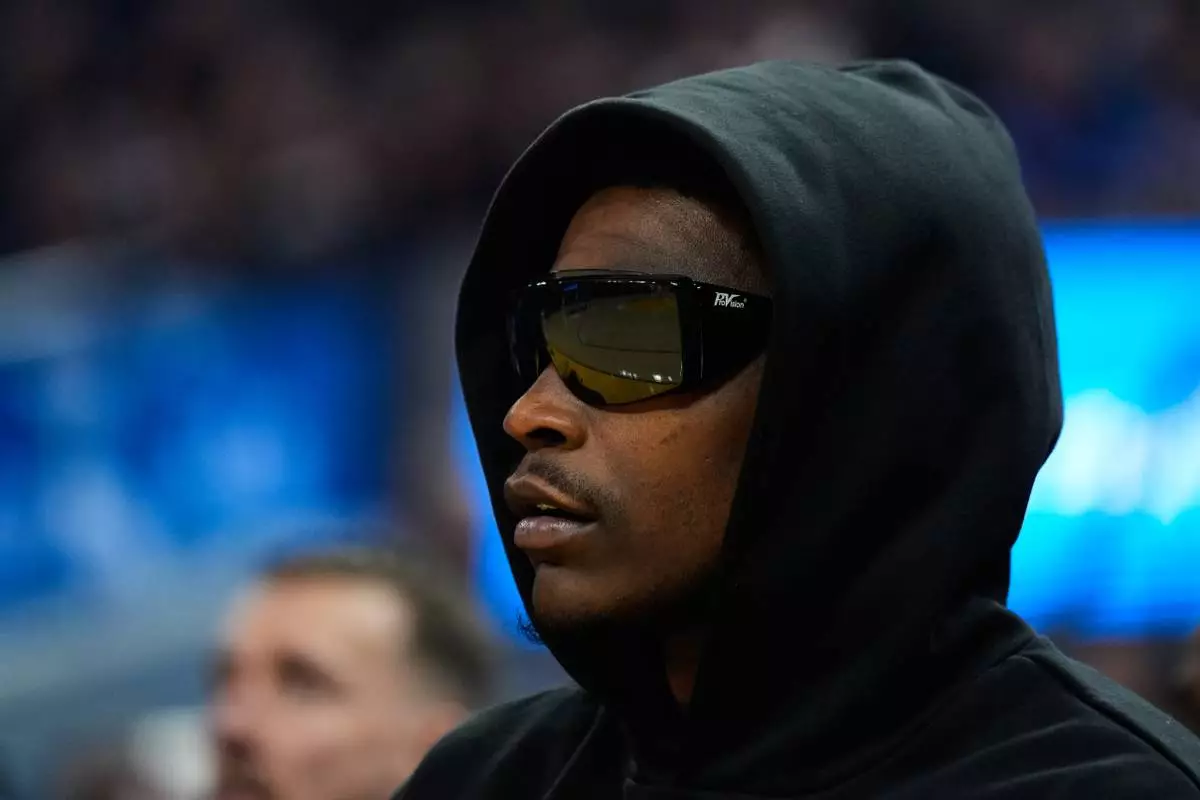
Minnesota Timberwolves guard Anthony Edwards watches from the bench during the first half of an NBA basketball game against the Golden State Warriors, Friday, Dec. 12, 2025, in San Francisco. (AP Photo/Godofredo A. Vásquez)

Minnesota Timberwolves guard Anthony Edwards, left, and Golden State Warriors guard Stephen Curry speak after an NBA basketball game, Friday, Dec. 12, 2025, in San Francisco. (AP Photo/Godofredo A. Vásquez)
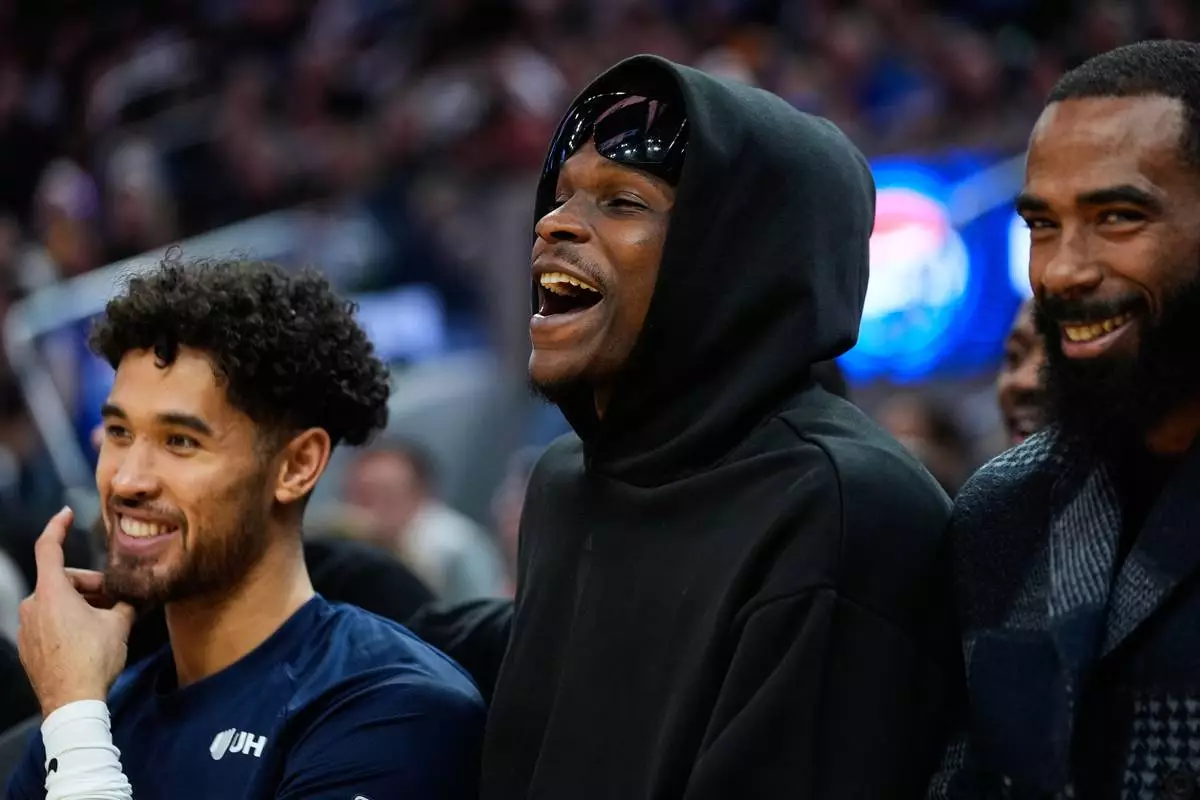
Minnesota Timberwolves guard Anthony Edwards, center, reacts from the bench during the second half of an NBA basketball game against the Golden State Warriors, Friday, Dec. 12, 2025, in San Francisco. (AP Photo/Godofredo A. Vásquez)
BEIRUT (AP) — Terrified by explosions shaking their homes in Tehran and other cities, tens of thousands of Iranians have packed up and left, finding refuge in small, remote towns to wait out massive bombardment by Israel and the United States.
Pouya Akhgari, 22, is holed up in a family house with aunts and cousins in a village 200 kilometers (120 miles) from his home in the capital, Tehran. As snow falls in the mountainous countryside of Zanjan province, he mostly spends his days watching movies and TV shows and sometimes ventures out to the nearest main town.
The village has been spared strikes, but Akhgari's friends in Tehran tell him about the blasts all around them.
“It just feels so chaotic. I thought it’d be very short but it’s dragging on,” he told The Associated Press by a messaging app. ”If it goes on like this, we’ll run out of money."
The U.N. refugee agency said that in the first two days of the war, about 100,000 people fled Tehran, a city of around 9.7 million. It said that the scale of displacement is likely much higher, though it didn't have figures for the days since, or on the flight from other cities.
A 39-year-old lawyer endured a day of explosions that shook her home in the city of Ahvaz, 800 kilometers (500 miles) southeast of Tehran. The next day, on March 2, she packed up her things and hit the road with her brother, sister and their families — and their dogs Coco and Maggie.
They went to their family’s strawberry farm in a small town several hours away. She and others reached by the AP spoke on condition of anonymity to prevent reprisals, and she asked that the town not be identified.
The town doesn’t have any military bases, so it feels relatively safe. Still, southern Iran has been the target of some of the most intense bombardment. She said that the next town over — which is even smaller — saw an explosion when a strike hit an ammunition site belonging to the Revolutionary Guard, the nation's most powerful armed force.
She worries that strikes could target a gym used by Guard members a few hundred meters down the road from their farm. Airstrikes have hit a number of sports facilities around Iran, apparently because the Guard often uses such sites as gathering places. The gym is probably far enough away that it won’t affect them if it’s hit, she said, “but all the same, the danger exists.”
No one is going to work, and the kids are far from school. To pass the time and keep their minds off things, they walk the dogs, play board games and pick strawberries.
The peacefulness of the nature around them helps make the war feel distant — the clouds rolling across the green hills, the bleating of their neighbor's goats at sunset. The brightest spot, the lawyer said, was when one of the two farm dogs, Maya, gave birth to a litter of puppies.
Still, uncertainty hangs over everything.
“From morning to night, we talk about what is happening, our worries, how everything gets more expensive every day, about how far our money will stretch,” she said.
“If this situation continues, we will have problems meeting basic needs."
The U.S.-Israeli campaign has struck heavy blows to Iran's leadership, killing Supreme Leader Ayatollah Ali Khamenei and top military figures. It has also particularly targeted the Revolutionary Guard and paramilitary Basij, the forces that are tasked with protecting the cleric-led Islamic Republic and that have led the crushing of waves of anti-government protests, including ones in January,
The leadership has kept its hold. Khamenei's son, Ayatollah Mojtaba Khamenei, was named the new supreme leader this week. The Guard and Basij have shown that their local networks are still in place so far.
The lawyer said that on the rare times she left the farm to go into town, she saw that members of the Basij were now more heavily armed in the streets.
“They are waiting for the slightest movement” showing dissent, she said.
She once campaigned against the mandatory hijab — in fact, she was briefly detained in the past — and stopped wearing it years ago. But since the war, she wears one when she leaves home for fear of provoking the Basij.
The town is traditionally considered pro-government, she said, and many residents have taken state positions or joined the Guard. Religious and patronage loyalties run deep in rural areas in particular, since the Islamic Republic brought basic services to Iran’s countryside and small towns.
Still, she has seen signs of growing discontent even here. Large crowds turned out in the town for January’s anti-government protests, she said, and observance of the state’s official mourning week for Khamenei has been muted, with few people wearing black as urged by authorities.
One man described how, before fleeing home in Tehran, explosions made his 6½-year-old son tremble in fear.
“You place him between you and your wife in bed, hoping he might feel safer,” he said, but he still screamed in his sleep. They decided it was time to leave.
As they drove through the capital, they saw cars on the roadside, their windows shattered from blasts. Leaving the city at the foothills of the Alborz Mountains north of Tehran, they saw columns of smoke rising from different parts of the city into the overcast sky.
"The scene made the city look frightening,” he said.
On the highway west out of Tehran, heavy with traffic, explosions shook their car, terrifying his son, he said. Finally they reached a family home in a small village on the other side of the mountains, northwest of the capital, overlooking the Caspian Sea.
There they spend their days in the house, surrounded by rice paddies, with snow-capped mountains in the distance. Each day, he and his wife take their son out for walks.
“Boys have so much energy, and in a village, there is not much fun for him,” he said. In the evenings, his wife’s mother and father, who also fled Tehran, visit.
Amid all the chaos, local residents show “remarkable kindness,” he said.
He said he went to the neighborhood bakery to buy bread and found a long line. When the baker realized he wasn't from the area, he called him to the front of the line, then tried to refuse payment for the bread.
“The others in line were very friendly, asking whether I had a place to stay and whether I needed anything,” he said.
Leaving home isn't an option for everyone.
One 53-year-old man in Tehran said that he can’t move his elderly parents and so is staying home. The strain is immense, he said.
“At night, I go down to the parking garage, sit inside my car and scream out loud,” he said. “I pray for calm and for quieter days.”
Radjy and Keath reported from Cairo.
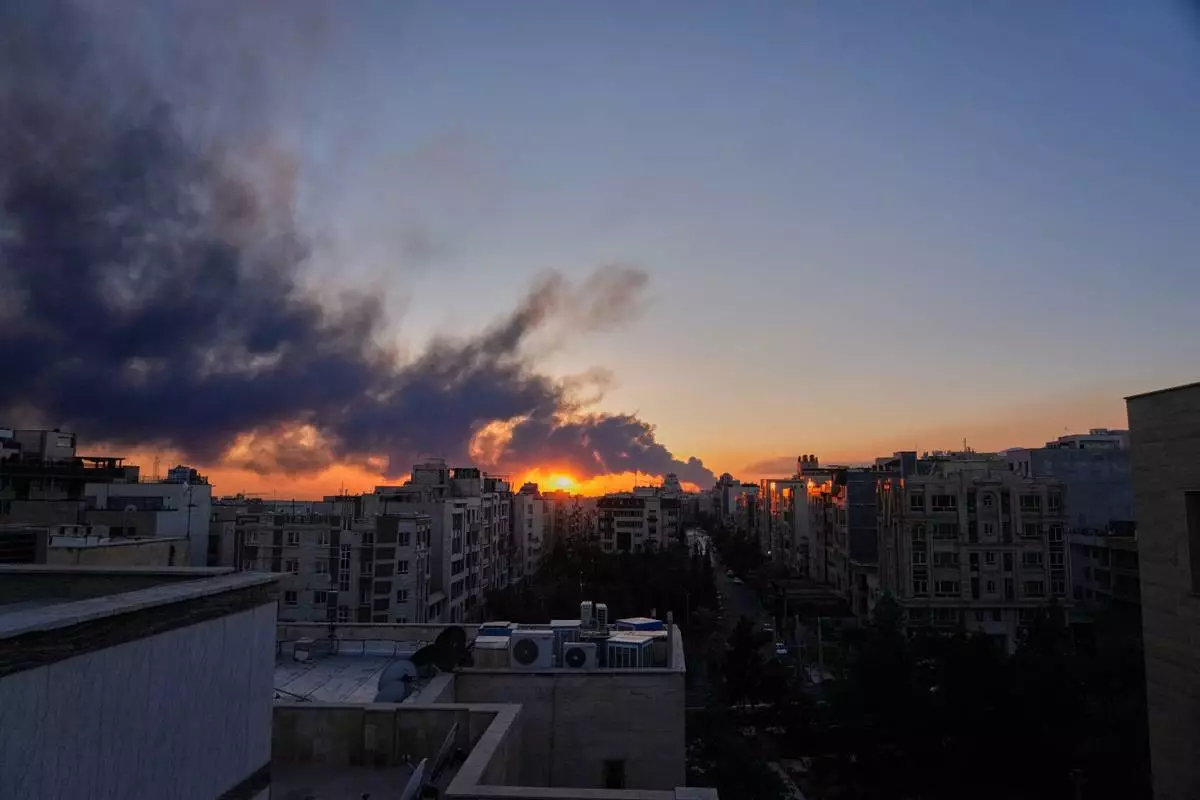
The sun sets behind a plume of smoke rising after a U.S.–Israeli military strike in Tehran, Iran, Tuesday, March 3, 2026. (AP Photo/Vahid Salemi)