Representatives from the United States and Ukraine held closed-door talks in Berlin, Germany on Sunday to discuss the U.S.-proposed peace plan aimed at resolving the ongoing Russia-Ukraine conflict.
The meeting took place in the German Chancellery and lasted for over five hours. Following a brief welcoming address by German Chancellor Friedrich Merz, he exited the venue, leaving discussions in the hands of his foreign and security policy adviser Gunter Sautter.
The U.S. delegation included U.S. President Donald Trump's special envoy Steve Witkoff, Trump's son-in-law Jared Kushner and others.
Ukrainian President Zelensky was present, along with key figures such as Secretary of National Security and Defense Council Rustem Umerov and Chief of the General Staff Andriy Hnatov.
Witkoff expressed on social media after the meeting that substantial progress was made during the discussions. The delegations delved into the "peace plan", economic issues, and more. They are scheduled to reconvene on Monday morning.
Zelensky stated before the meeting that Ukraine's desire was to join NATO from the very beginning. However, given the lack of support from the U.S. and some European partners, Ukraine stands ready to agree on security guarantees based on NATO Article 5 as a part of a compromise in the peace process.
Zelensky also said that the U.S.-proposed plan to establish a "free economic zone" in parts of the eastern Donbas region is unfair.
He said it remains unclear who would manage the proposed economic zone.
On the same day, Russian presidential aide Yuri Ushakov said that Russia had not yet received the modified "peace plan" from Ukraine and Europe. He warned that if unacceptable terms concerning territorial issues were included in this version, Russia would strongly oppose it.
Ushakov added that territorial matters had been positively discussed during U.S.-Russia talks on Dec 2, asserting that the U.S. understands and recognizes Russia's stance on these issues.
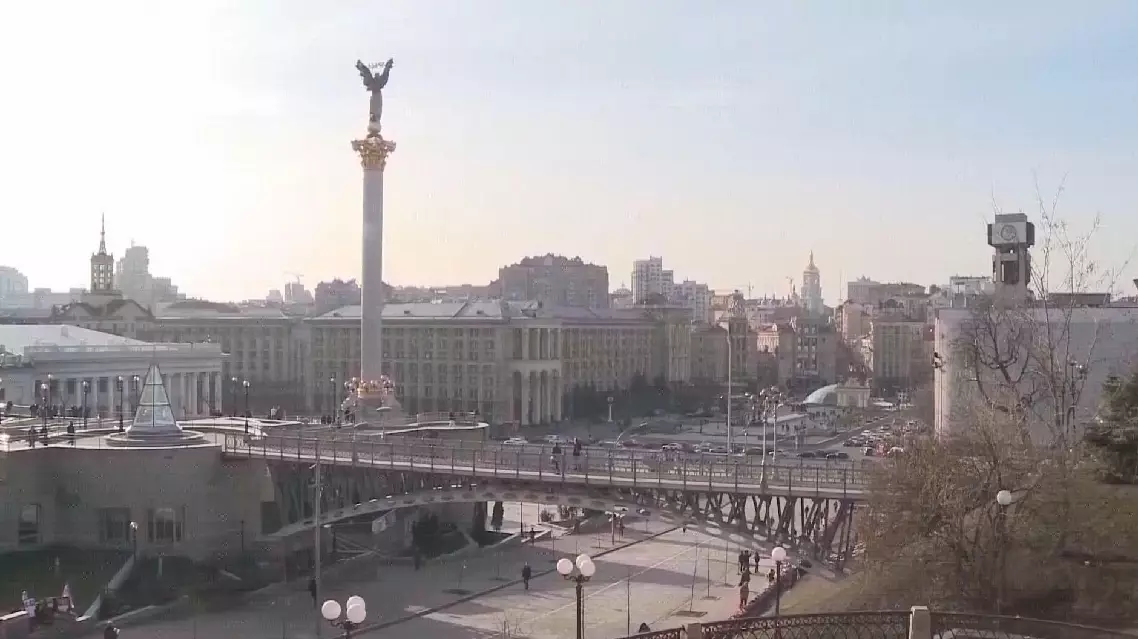
US, Ukraine discuss peace plan in Berlin
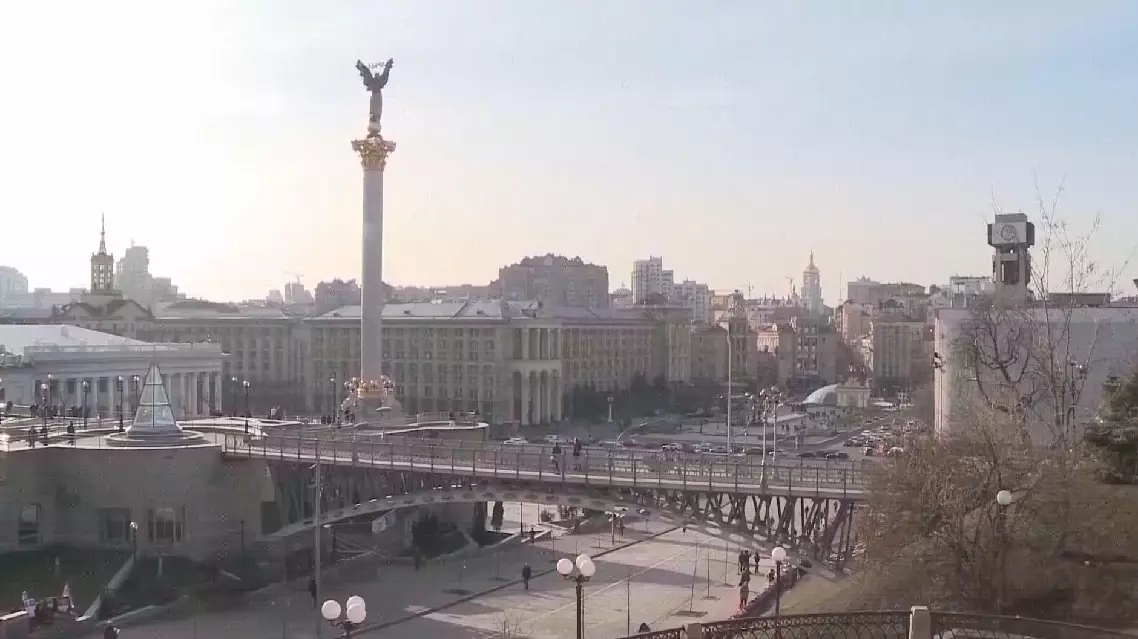
US, Ukraine discuss peace plan in Berlin