Ancient Chinese medical techniques are being employed at Italy's Siena University Hospital, as part of a longstanding exchange program designed to enhance treatment options and improve patient care in both countries.
At the university, modern medical practices and traditional Chinese medicine (TCM) are working side by side.
"I think that ancient medicine has roots that can have a very important bridge between Western medicine and also science," said Zion Levy, an anesthetist at the hospital.
TCM techniques have been increasingly used as complementary therapies at the hospital since an exchange program with China started in 2016.
"In our clinic, we use techniques such as acupuncture, cupping, moxibustion, and electro-stimulation. We treat mainly breast cancer patients with acupuncture to help them tolerate the side effects of chemotherapy and radiotherapy - and the feedback is 100 percent positive," said Levy.
According to the hospital's general director, approximately 100 doctors from China travel to Siena each year for intensive training in various specialties.
"We've had nephrologists, general surgeons, paediatricians, oncologists, so all specialties of our hospital are open to the exchanges," said Antonio Barretta, general director of the hospital.
He stressed that the visiting doctors are also supported outside the hospital, helping them integrate into the local community.
"This is an aspect that is very important to this exchange, the Chinese doctors who come to us can live in the context of Siena and the Italian culture," said Barretta.
As part of the cooperation project, medical professionals from Siena also travel to China.
In June, Francesca Tarantino, director of the hospital's neurosurgery, spent 10 days at the Affiliated Hospital of Gansu University of Chinese Medicine and saw first-hand how TCM is used to treat neurological conditions.
"It was an important experience for me because I was able to observe traditional medicine, acupuncture in practice in many areas, such as intensive care," said Tarantino.
The goal of the partnership is to broaden the range of tools available for improving patient care. It is set to expand with a new cooperation agreement signed this year to enhance professional training, scientific research, and the continued promotion of traditional medicine.
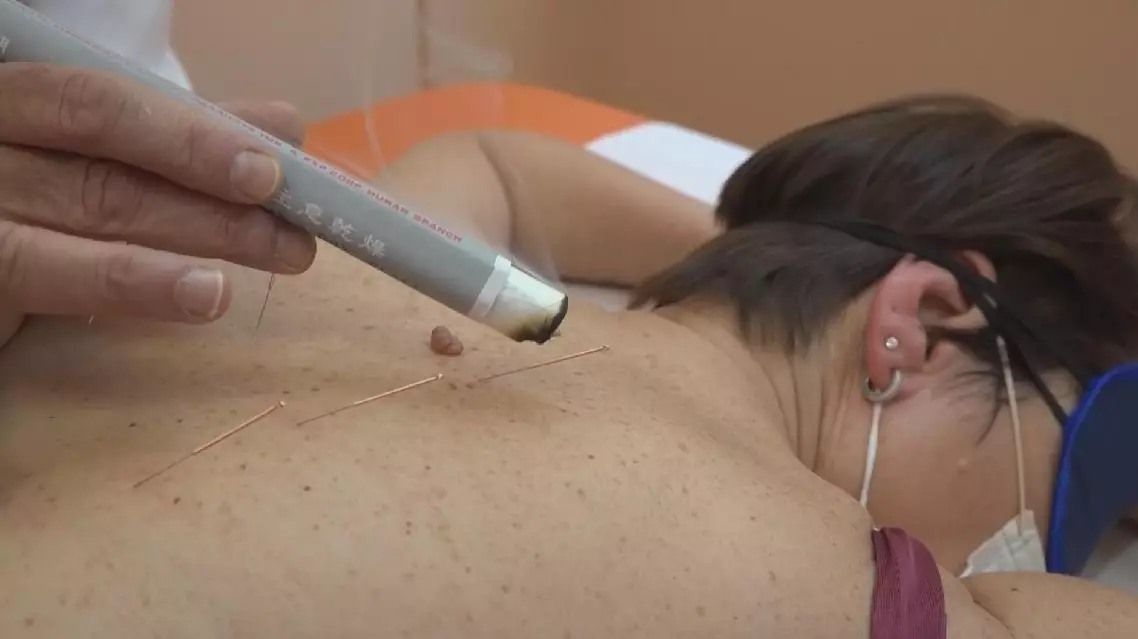
Italian doctors embrace traditional Chinese medicine in new training programs