China's first large-scale bio-methanol project was officially put into full operation on Tuesday, which marks the country's strategic transformation from hydrogen energy to advanced liquid fuel in the clean fuel sector.
The transition offers a practical and feasible de-carbonization solution for the global shipping industry.
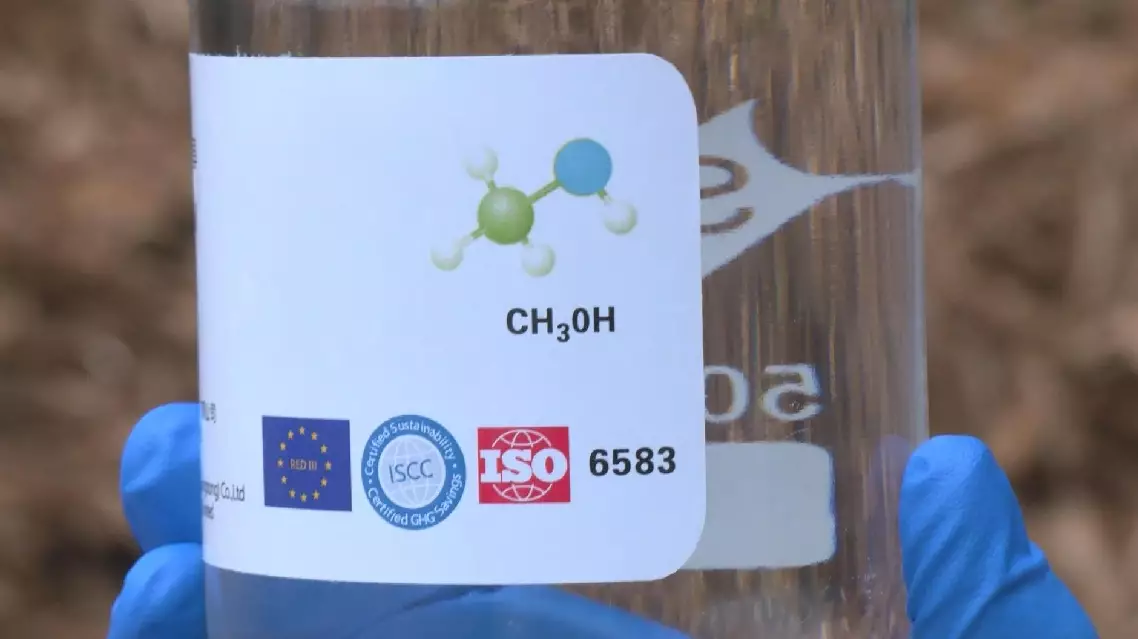
In the initial phase, the project has an annual production capacity of 50,000 tons of green methanol with a purity of up to 99.9 percent.
The bio-methanol produced can be widely used as shipping fuel or in pharmaceutical, chemical and other industries.
At the heart of the large-scale methanol production line is the gasification island, a massive blue-gray unit where large quantities of biomass waste, such as tree bark and straw, are undergoing high-temperature gasification at over 1,000 degrees Celsius to produce the carbon monoxide and hydrogen required methanol synthesis.
The unit also features a "super vacuum cleaner" that captures more than 99 percent of the dust generated during the process, with the residual material repurposed as raw material for industries like cement manufacturing.
The project has also established the first comprehensive green methanol supply chain ecosystem in south China, encompassing production, storage, transportation and application.
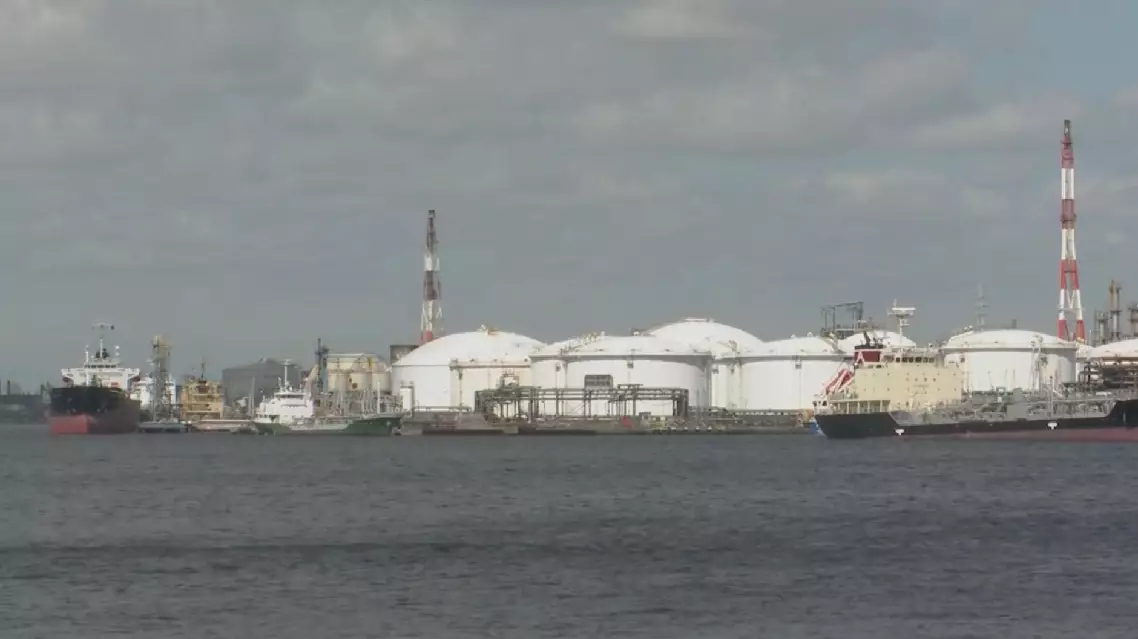
At Zhanjiang Port in Guangdong Province, 30,000 cubic meters of methanol storage tanks and loading and unloading berths have been deployed at a deep-water terminal, which enables a complete "production-storage-transportation" cycle for bio-methanol within an hour.
It has built a "same-day delivery" network for ship bunkering in the Guangdong-Hong Kong-Macao Greater Bay Area, making it the nearest domestic location for exporting green methanol to international ports such as Singapore. The deployment has significantly reduced carbon footprint associated with methanol transportation, achieving end-to-end green and low-carbon operations.
"Green methanol is currently regarded as a sustainable alternative fuel with the greatest carbon emission reduction potential and strongest competitiveness for the shipping industry. Compared with traditional fossil fuels such as coal and oil, green methanol can reduce full-life-cycle carbon emissions by more than 85 percent," said Ren Jian, chief engineer at the CIMC Green Energy Low Carbon Technology Co., Ltd., the developer of the project.
China's first large-scale bio-methanol project enters full operation
China's first large-scale bio-methanol project enters full operation