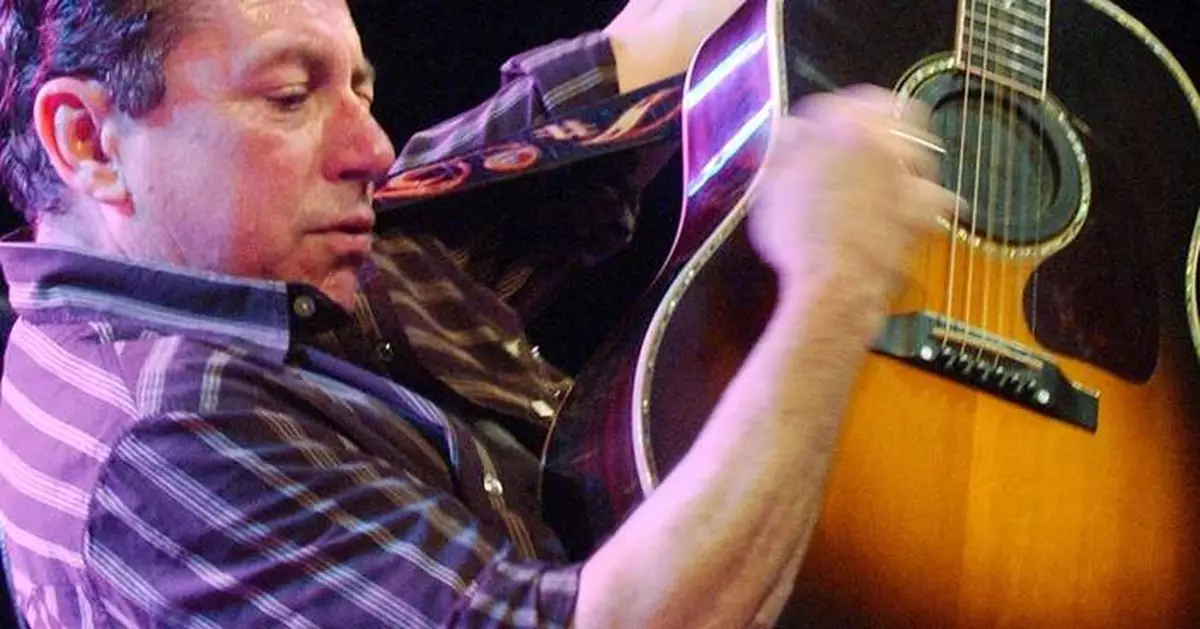
AUSTIN, Texas (AP) — Joe Ely, the influential Texas-born singer-songwriter whose blend of honky-tonk, rock and roadhouse blues made him a favorite among other musicians and led to collaborations with Bruce Springsteen and the Clash, has died. He was 78.
Ely died in Taos, New Mexico, of complications from Lewy Body Dementia, Parkinson's and pneumonia, with his wife and daughter by his side, according to a post on his Facebook account Monday night and later confirmed by his representatives.
Ely was considered a key figure in the progressive country music movement as a founder of the influential country-rock band The Flatlanders with Jimmie Dale Gilmore and Butch Hancock, and later as a solo artist.
“Joe Ely performed American roots music with the fervor of a true believer who knew music could transport souls,” said Kyle Young, CEO of the Country Music Hall of Fame and Museum.
“But his true measure came through in the dynamic intensity of his powerhouse live performances, where he could stand his ground aside fellow zealots Bruce Springsteen who recorded duets with Ely, and the (Rolling) Stones and the Clash, who took Ely on tour as an opening act,” Young said.
After signing with MCA, Ely released his first solo album in 1977. He would release more than 20 albums over his career, including “Love and Freedom” earlier this year.
Born in Amarillo, Texas, Ely stayed connected to his Texas roots through decades of recording and performing that lacked a mainstream breakthrough but made him a favorite of other artists.
“Every time I start a new album I head up to West Texas and drive around, you know, drive on those old cotton roads and in the wide-open spaces, and every once in a while I’ll come across a place where I’ve spent some time,” Ely told Texas Monthly in 2011.
It was a soundcheck for a show in London that led to the collaboration with British punk band the Clash. Ely would later open for the Clash at several shows and sang backup vocals for their hit song “Should I Stay or Should I Go?”
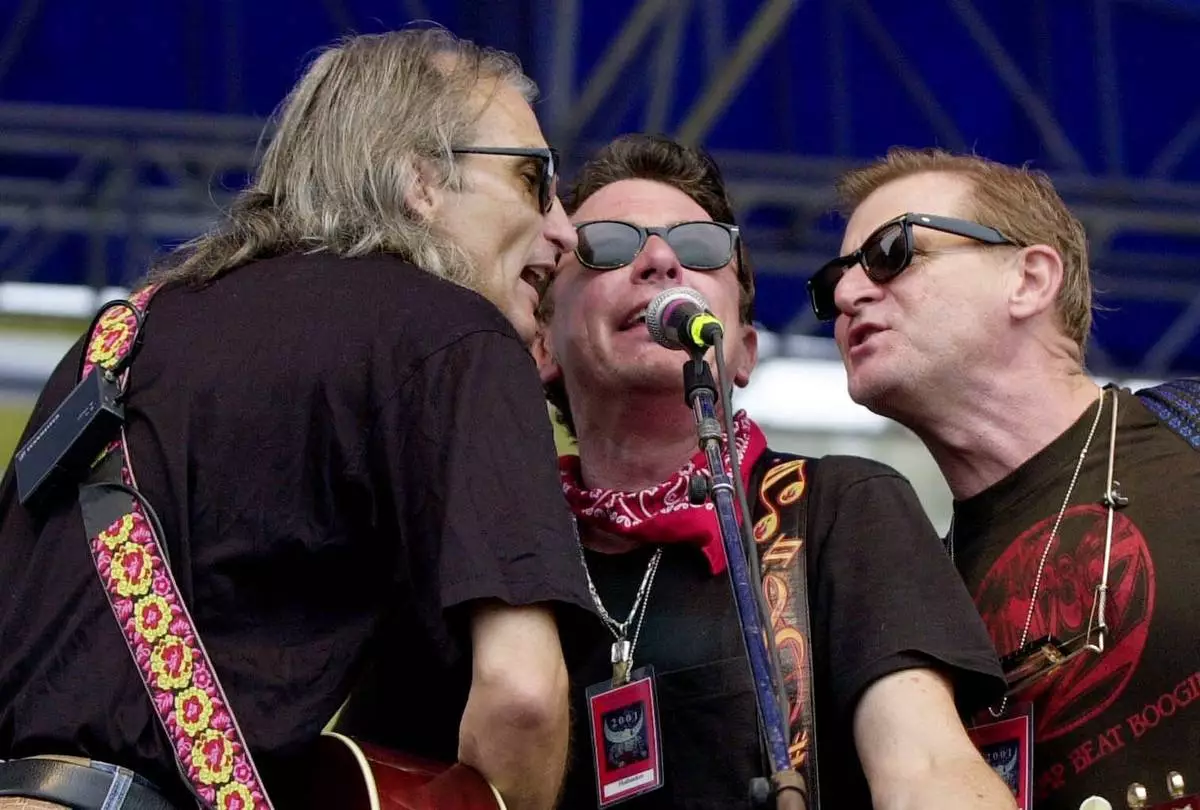
FILE - Jimmie Dale Gilmore, left, Joe Ely and Butch Hancock, right, from the band The Flatlanders perform at the Newport Folk Festival on the Fort Adams stage in Newport, R.I., Saturday, Aug. 4, 2001. (AP Photo/Edward Stapel, file)
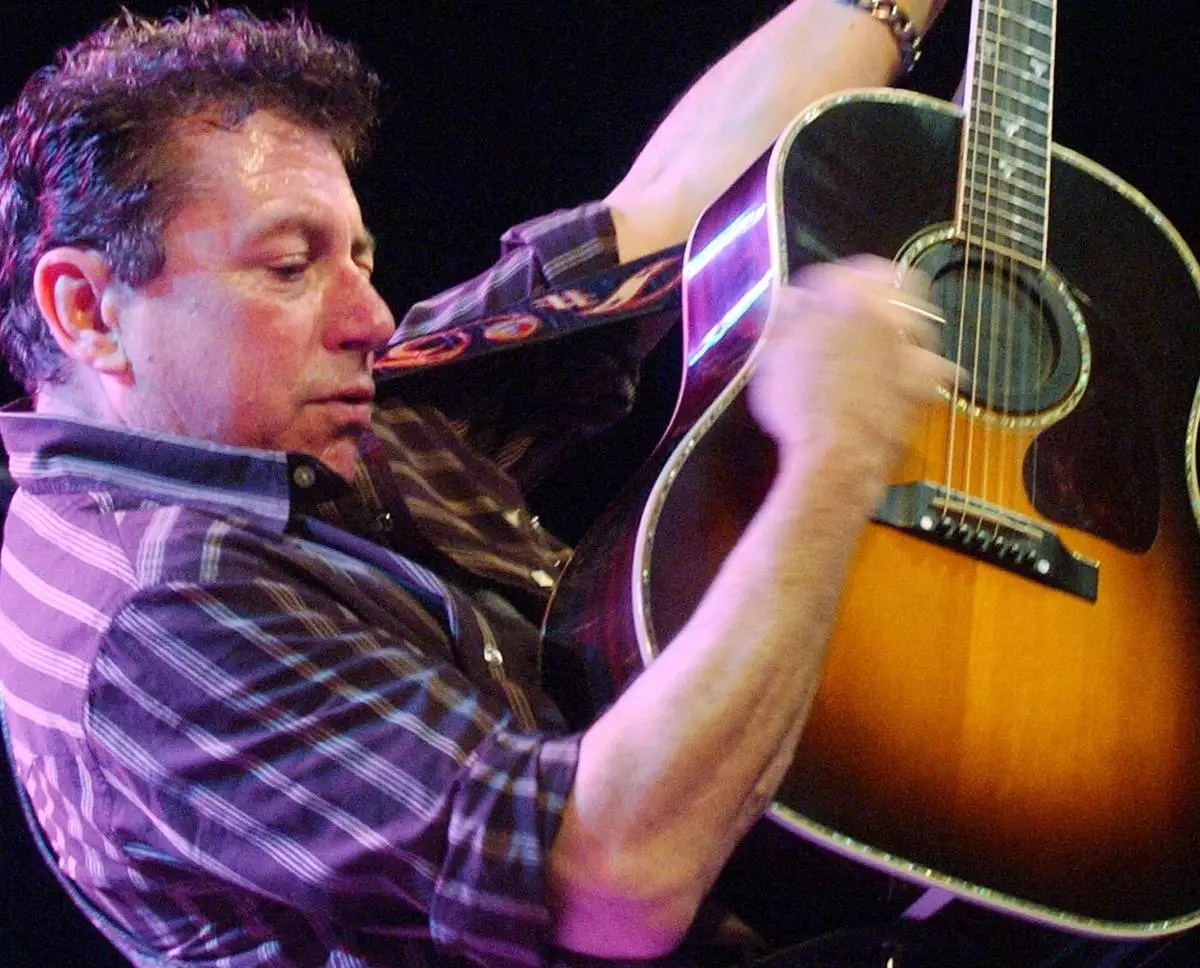
FILE - Joe Ely performs during the "Tsunami Relief — Austin to South Asia" concert at the Austin Music Hall in Austin, Texas Sunday, Jan. 9, 2005. (AP Photo/Kelly West, file)
WELLINGTON, New Zealand (AP) — A New Zealand professional rugby player who died by suspected suicide last year had advanced chronic traumatic encephalopathy (CTE), a brain abnormality linked to repeated concussions, according to a post-mortem examination.
The diagnosis was announced Thursday by Coroner Ian Telford, who is conducting a preliminary hearing into the death of Shane Christie who died in August aged 39.
CTE is a disease which causes progressive damage to brain tissue and has been known to cause mood swings, impulsive behavior and depression, among other symptoms. It can only be diagnosed after death.
Christie was a former New Zealand Maori representative who believed he was suffering from CTE and campaigned for greater understanding of the condition after the death of his friend and fellow rugby professional Billy Guyton, also by suspected suicide.
The abnormality has also been linked to deaths in the National Football League and in other contact sports such as hockey and soccer.
Friends and family of Christie said he wanted his diagnosis made public to raise awareness of CTE for players suffering its symptoms.
Christie who played Super Rugby for the Crusaders and Highlanders retired from rugby in 2018, suffering the effects of repeated concussions.
The coroner said pathologist Dr. Clinton Turner had confirmed “the diagnosis of chronic traumatic encephalopathy (CTE), which he characterizes as ‘high stage’.” Turner works at the University of Auckland “brain bank” to which Guyton and Christie had donated their brains.
The coroner said the diagnosis was the pathologist's opinion and that the cause of Christie's death would be determined by the coronial process.
The chief executive of New Zealand Rugby, Steve Lancaster told New Zealand media his organization recognizes “an association between repeated head impacts and CTE and takes this issue seriously.”
“New Zealand Rugby acknowledges the CTE pathology results for Shane Christie confirmed by The Neurological Foundation Human Brain Bank. We also acknowledge and respect the role of the coroner to determine the nature of any inquiry they may hold examining the cause and circumstances of Shane’s passing,” Lancaster said.
“We share the concerns about the potential long-term effects of repeated head knocks in rugby and support the need for ongoing research into this."
AP rugby: https://apnews.com/hub/rugby
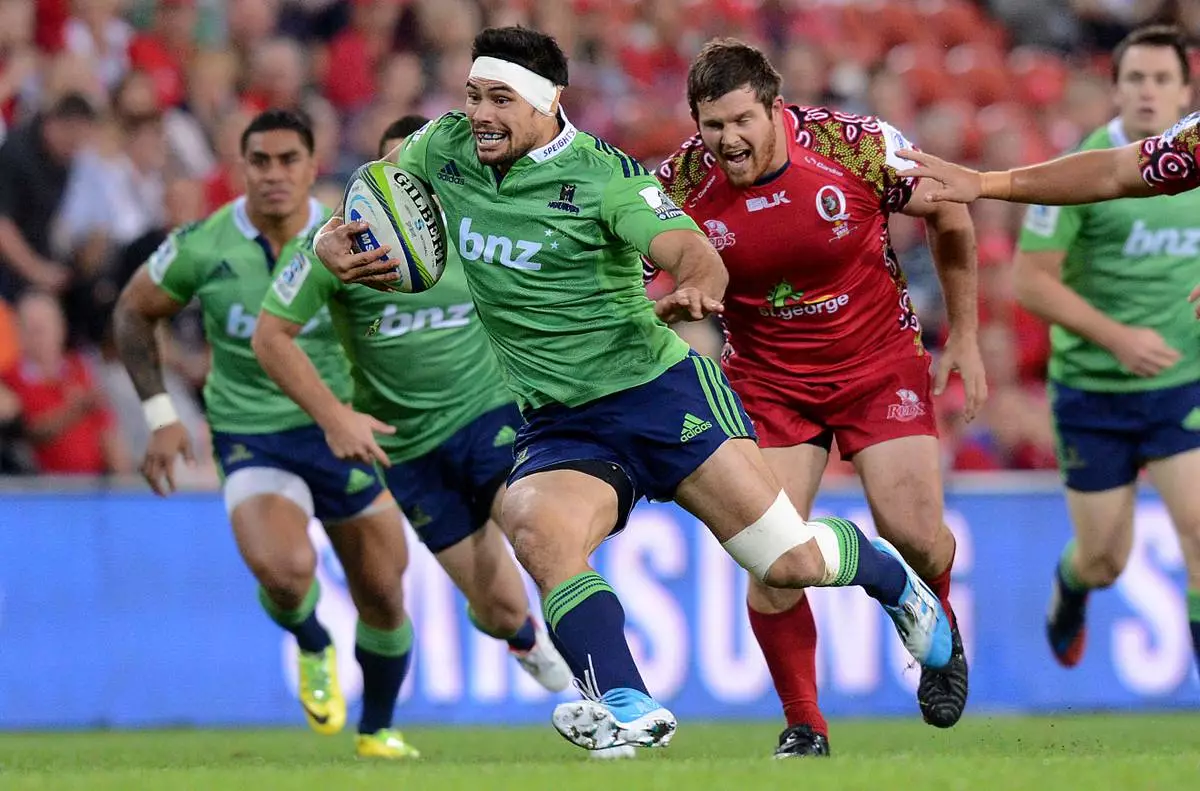
Highlanders player Shane Christie, center, gets into space during the Round 16 Super Rugby match between the Queensland Reds and the Highlanders at Suncorp Stadium in Brisbane, Australia on May 30, 2014. (Dave Hunt/AAP Image via AP)