Media cooperation among developing countries is conducive to boosting mutual understanding and diplomatic ties, and helps address common challenges more effectively, said Webster Malido, director general of the Independent Broadcasting Authority of Zambia.
In an exclusive interview with China Global Television Network (CGTN) in Beijing on Wednesday, Malido highlighted the importance of media cooperation among developing nations.
"To start with, I think, we fully understand that the advancement and developments in the innovation space have really converged media in terms of their ability to collaborate. Particularly, I think, when it comes to the opportunity for media in China and Zambia to cooperate, [it] benefits the industry in terms of the opportunity to reinforce mutual understanding, cultural exchanges and also just broadly, diplomatic relations between the two nations. So we see opportunities in terms of these partnerships around skills transfer, sharing in terms of the new technologies that the media is adopting across different jurisdictions, but within the South of the global system," he said.
CGTN will soon launch a new program "Global South Voices" in collaboration with media partners from developing nations, which is a platform to raise the profile of the Global South on major issues.
Speaking of his expectations for the show, Malido said it is a timely initiative to help to amplify developments within developing countries of the South.
"And so we can only wish the initiative a great success. We believe that there's an opportunity through this initiative to foster more inclusive storytelling and promoting dialogue within the South region, and I think also strengthening the broad capacity of media within the Global South," the director general said.
Malido said collaboration among Global South countries will also help to address their common challenges more effectively.
"Indeed it is very true that cooperation among Global South countries is also key in strengthening media collaboration, sharing our diverse perspectives, but also ensuring that developing countries' stories are globally heard and they've got global reach. I think by collaborating on matters such as media and technology, the Global South nations have an opportunity to share best practices, to strengthen institutional capacities and just to address common challenges more effectively. And we believe that these partnerships provide a platform to also highlight development successes, our cultural diversities, and also just to showcase the innovative solutions in the sector that are happening in the Global South, including here, the innovation that we've seen today here at the China Media Group," he said.
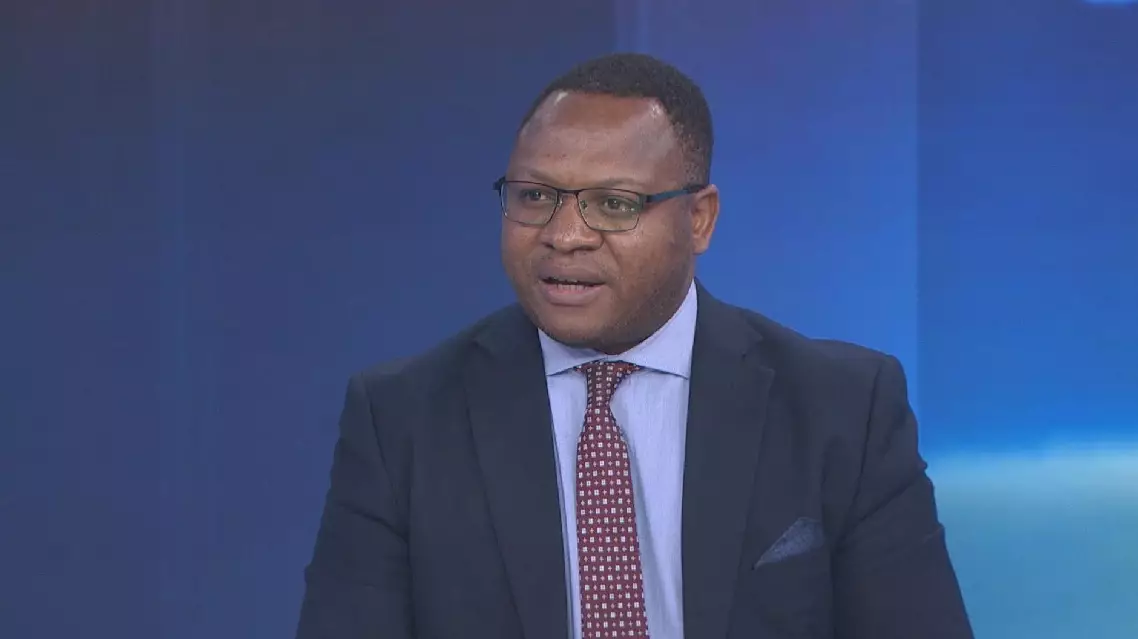
Zambian official highlights importance of media cooperation among developing nations