The prices of some life-saving medicines have soared to levels that are unaffordable for ordinary people in Venezuela, as the United States has ramped up military presence in the Caribbean off Venezuela's coast, alongside escalating sanctions, blockades and military threats against the oil-rich South American nation since late August.
At a northeastern suburb in the capital city Caracas, locals can still purchase most of the commonly used medicines at a major supermarket, where some antibiotics have been sold out, and some first-aid medicines and supplies have become too costly for ordinary residents.
"I'm here mainly to buy antibiotics. I have problems with my lungs. But I can't get all I want, such as vancomycin," said a resident named Alfonso.
"(Recent tensions have affected) the supplies and prices of drugs. The prices of cancer drugs, insulin drugs and albumin are very high, and most patients here cannot afford them," said Giovanna Gonzalez, a pharmacist with the supermarket.
Around 90 percent of the raw materials for drugs in Venezuela rely on imports, and the country's medical equipment such as monitors and anesthesia machines are almost entirely dependent on overseas supplies.
Main international airlines suspended flights to and from Venezuela in November, and U.S. blockades have delayed many cargo ships for a month, with some refusing to dock in Venezuela for safety concerns.
"Venezuela has been caught in the complex humanitarian emergency declared by the World Health Organization for about 10 years. If the suspension of flights persists, relevant international companies will have to choose more difficult or longer transportation routes, which will further push up the already high prices of medicines and medical equipment in Venezuela, and the patients will pay more money," said Huniades Urbina-Medina, president of the National Academy of Medicine of Venezuela.
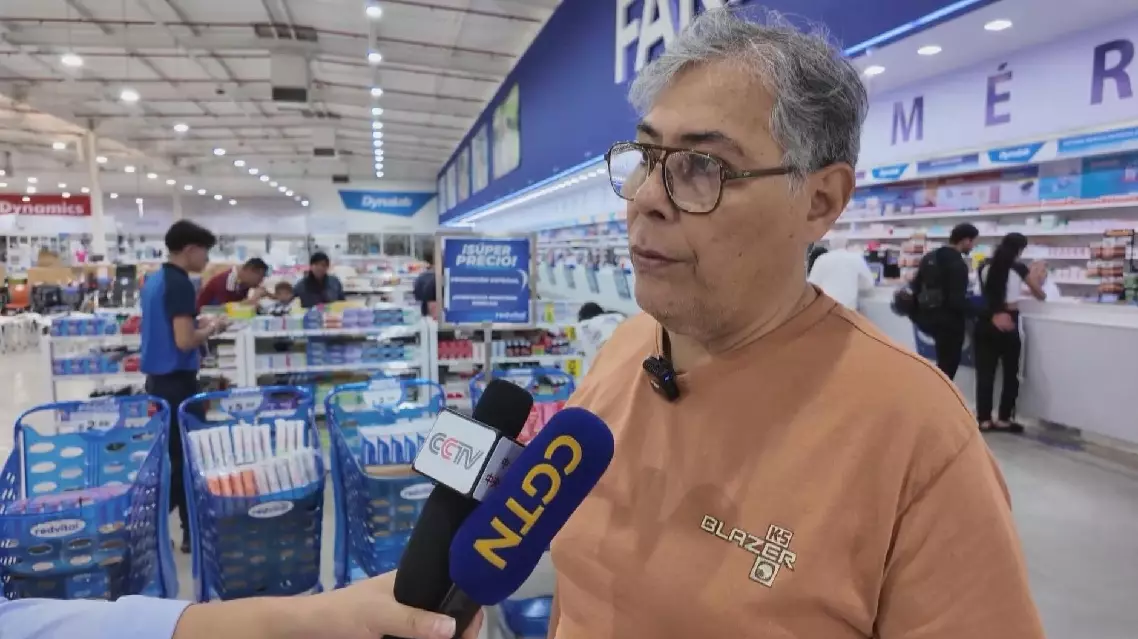
Venezuela's medicine prices soar to unaffordable level amid US blockades
Farmers in India, a major agricultural producer and fertilizer importer, are raising concerns over fertilizer availability ahead of the planting season, as the escalating Middle East conflict and disruptions to shipping through the Strait of Hormuz put global supplies at risk.
The Middle East serves as both a vital energy hub and a major global fertilizer supplier, yet the ongoing U.S.-Israeli war with Iran has heightened risks of disruption to international supplies.
Chand Singh Yadav, a farmer in Haryana, a northern Indian state, said poor crop yields would be disastrous for the country and called on the government to ensure adequate supplies of fertilizers, agrochemicals and seeds to prevent a food crisis. "Without fertilizers, our crops will not grow well, and this would be disastrous for the entire country. If farmers cannot grow crops, people will not be able to buy food in the market. We urge the government to improve the supply system for fertilizers, agrochemicals and seeds to prevent the country and society as a whole from sliding into a food crisis," he said.
The Indian government is stepping up subsidies for farmers and optimizing fertilizer distribution and allocation to stabilize the supply. Prices have remained broadly stable, but demand is expected to surge ahead of the planting season, potentially exacerbating supply pressures.
"The current situation is worrying for us farmers. Spring sowing has not yet started, and the rainy season has not arrived. Fertilizer prices are temporarily stable, but in two months, demand for agricultural fertilizers will become pressing. Without fertilizers, it will be difficult to properly cultivate various types of crops. Urea and diammonium phosphate are especially critical. Crops can only grow normally when these fertilizers are applied. As these fertilizers are largely imported, if the conflict persists, supplies cannot be guaranteed," said Santosh Mishra, a farmer in India's eastern state of Odisha.
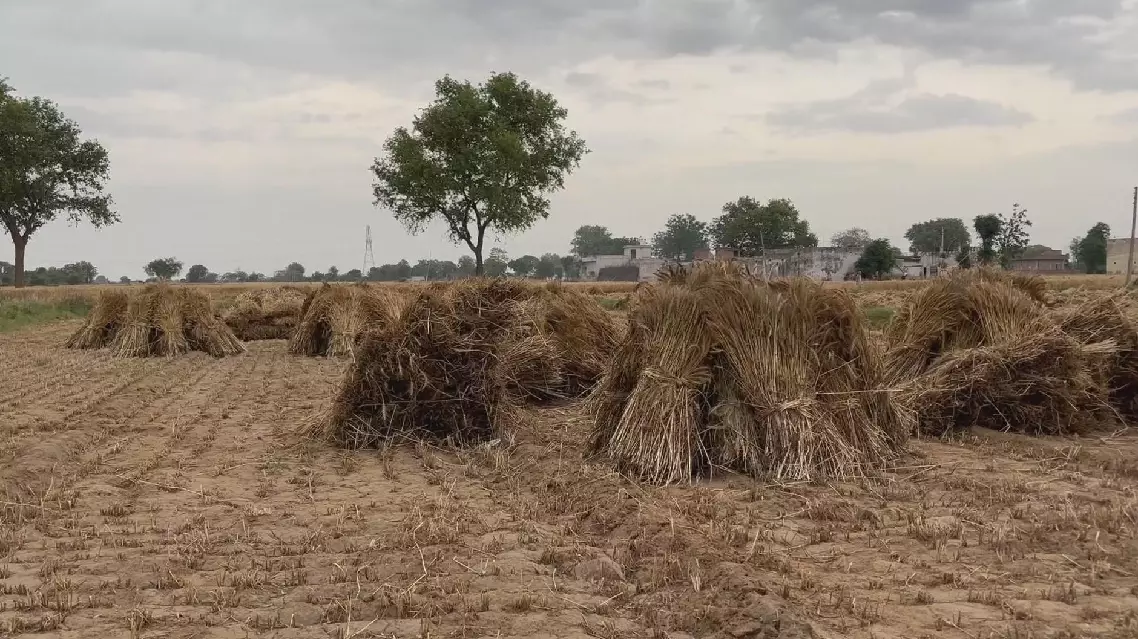
Escalating Middle East conflict strains India’s fertilizer supply
Escalating Middle East conflict strains India’s fertilizer supply