With China's southern island province of Hainan gearing up to launch its special customs operations, the expected higher level of openness is set to bring together high-quality resources from both China and abroad, providing crucial support for building a modern industrial system.
Hainan has outlined its strategic development framework for this modern industrial system with distinctive characteristics and advantages, featuring a tiered and structured layout, which has been dubbed "45432".
The first "4" stands for optimizing and upgrading the four leading industries: tourism, modern services, high-tech industries, and efficient tropical agriculture, which currently contribute over 67 percent of the provincial GDP.
The "5" signifies cultivating new quality productive forces along five strategic fronts, leveraging Hainan's unique advantages in climate, ocean depth, latitude, and green ecology to forge strengths in seed development, the marine economy, aerospace, green development, and the digital economy.
The second "4" reflects a forward-looking plan to develop four advanced industries: bio-manufacturing, hydrogen energy, brain-computer interfaces, and embodied AI.
The "3" focuses on excelling in three key consumption areas: expanding duty-free shopping, developing international healthcare, and refining education into world-class offerings.
Finally, the "2" underpins the entire structure by building Hainan into both an Island of Talent and an Island of Technological Innovation.
Together, the "45432" framework comprehensively connects industrial upgrading, cutting-edge innovation, premium consumption, and talent, cementing Hainan's role as a strategic and high-value frontier for broader opening-up and high-quality development.
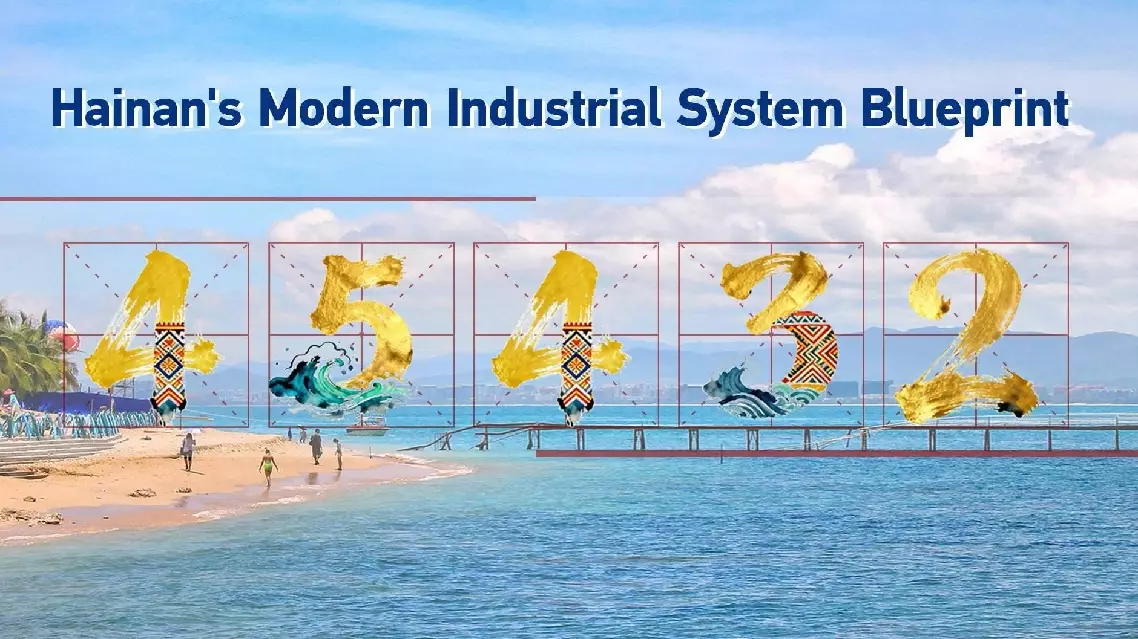
Decoding Hainan's strategic blueprint for modern industrial system
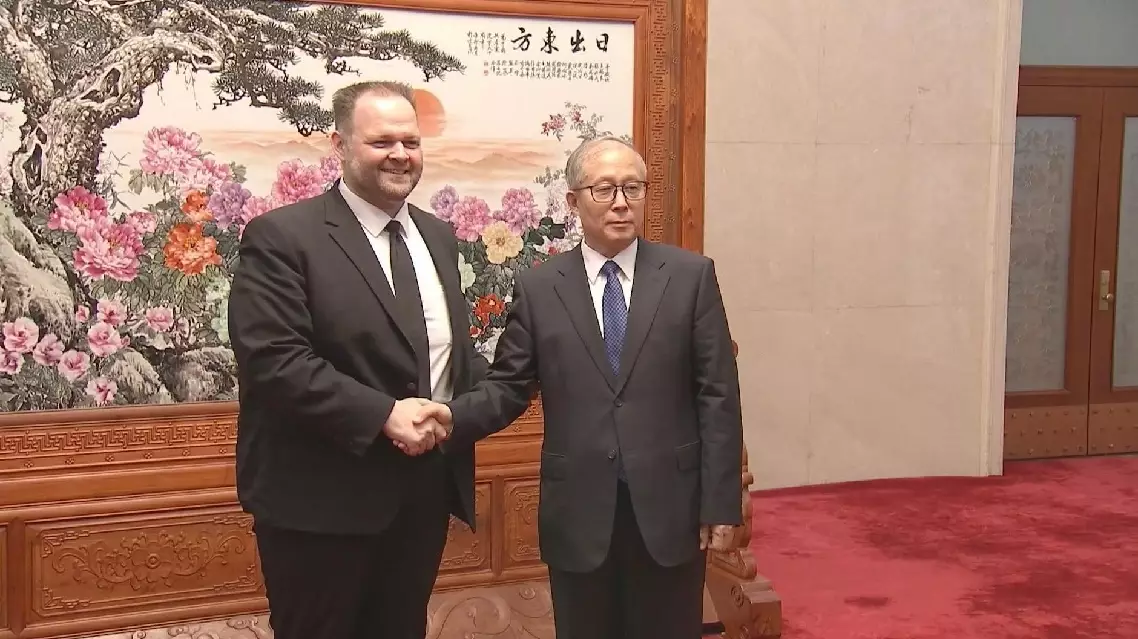
Thai and Cambodian leaders must find a way to resolve their differences through talks and not on the battlefield, according to a former Thai foreign minister, who also believes China could be in a unique position to serve as a mediator given its strong ties with both sides.
Border clashes between the two sides have reignited since Dec 7 -- less than two months after the two sides signed a joint peace declaration -- with both trading the blame for instigating the attacks.
The latest round of fighting has left at least 19 Thai soldiers and 19 Thai civilians dead, with over 270,000 people displaced, Thailand's defense ministry announced on Wednesday.
Meanwhile, on the same day, the Cambodian Defense Ministry said that 17 civilians have been killed and 77 injured as the Thai military forces have continued airstrikes and artillery shelling into Cambodian territory, with over 438,000 individuals fleeing their homes.
With the two sides continuing to point the finger of blame and trade accusations of attacks on civilians, peace talks appear to be a long way off.
Kasit Piromya, who formerly served as Thailand's Minister of Foreign Affairs, urged the two countries' leaders to put people first, set aside their pride and find a resolution.
"The people must be the priority, not the victory or losses or the battlefield. It's detrimental and destructive to all. It is easy to arouse the passion, but [the sign of] great leaders, great statesmen is to be able to overcome the nationalistic sentiment and come back to the sense and sensibility and to start to talk with one another," he said.
China has called for utmost restraint and every possible measure conducive to a ceasefire to ensure de-escalation of tensions as soon as possible, a Chinese foreign ministry spokesman told a daily press briefing on Monday.
China supports direct dialogue and consultation between the two countries, as well as the efforts of ASEAN -- and Malaysia, in particular -- to promote peace talks, and the pursuit of a mutually acceptable solution within the ASEAN framework, according to the spokesman.
Piromya said he believes China could play a constructive role in a peace process between the two sides.
"China has been having, I think, more or less an excellent bilateral relationship respectively with Thailand and Cambodia. So China is in a very unique and great position to bring the two sides, Cambodia and Thailand, together," Piromya said.
Former official urges Thailand, Cambodia to make people priority, end border clashes