The first batch of petrochemical raw materials imported under the zero-tariff policy arrived at Yangpu Port, Danzhou City, as China's Hainan Free Trade Port (FTP), the world's largest FTP by area, launched island-wide special customs operations on Thursday.
The clearance of the shipment marked the first time Yangpu’s petrochemical industry has benefited simultaneously from zero-tariff imports of raw materials and a duty-free policy for domestic sales of processed value-added products, a policy combination aimed at pushing the industry up the value chain.
"The batch of 'zero-tariff' products totaled 179,000 tons, with a value of nearly 400 million yuan (56.7 million U.S. dollars). By importing these materials tariff-free, companies can save around tens of millions of yuan, significantly easing cost pressure and improving operational efficiency," said Wen Hao, head of the Investment Promotion Bureau at Yangpu Economic Development Zone.
On Wednesday alone, imports through Yangpu Port, Sanya Phoenix International Airport and other ports open to the outside world are expected to include petrochemical raw materials, medical equipment, aviation materials and food ingredients, with a combined value exceeding 500 million yuan.
The launch of Hainan's special customs operations allows freer entry of overseas goods, expands zero-tariff coverage and introduces more business-friendly measures.
The move is widely seen as a landmark in China's efforts to promote free trade and expand high-standard opening-up amid rising protectionism worldwide.
Under the new arrangements, the tropical island of more than 30,000 square km has been designated as a special customs supervision zone, marking a new stage in the development of the Hainan FTP.
As part of the reform, the share of zero-tariff products in the Hainan FTP has been raised from 21 to 74 percent, expanding the list of related items from 1,900 to over 6,600.
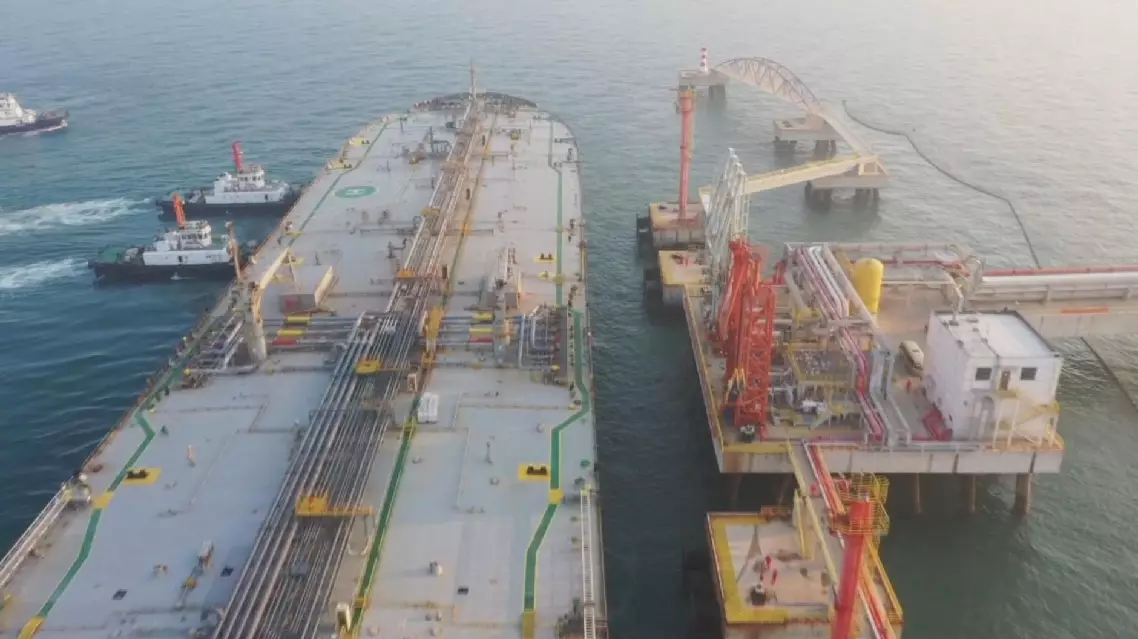
First batch of petrochemical raw materials enter Hainan's Yangpu Port tariff-free