CALGARY, Alberta--(BUSINESS WIRE)--Dec 18, 2025--
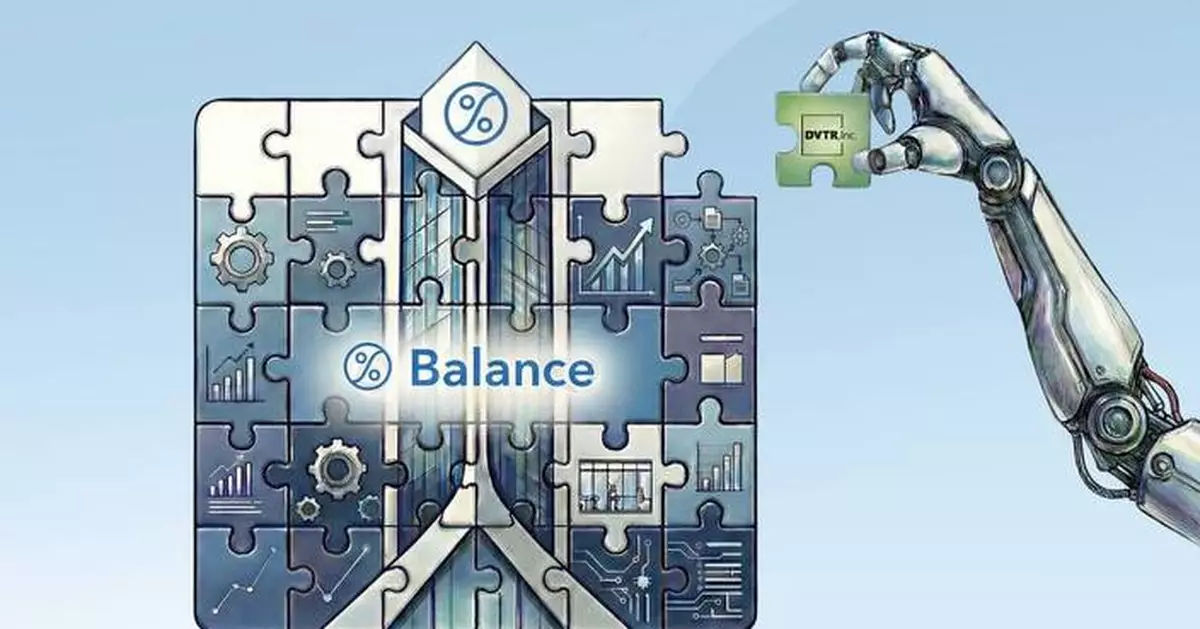
Balance, Canada’s oldest and largest digital asset custodian, today announced its expansion into the U.S. market through the acquisition of DVTR, a Wyoming-based, multi-state licensed digital asset custodian and money transmitter, giving Balance immediate operational reach across a majority of U.S. states.
This press release features multimedia. View the full release here: https://www.businesswire.com/news/home/20251218304816/en/
Digital Value Transfer Rails Inc. (DVTR) has been part of Balance’s affiliate ecosystem since inception and focuses on providing safe, compliant access to the digital asset space for U.S. individuals and institutions. As Balance expanded its U.S. custody capabilities and regulatory footprint, the relationship naturally evolved into a full acquisition, completed on December 11th, turning DVTR into a wholly-owned subsidiary. An Advance Change Notice and updated business plan were submitted to relevant U.S. money transmission regulators in late summer, with all approvals secured prior to closing.
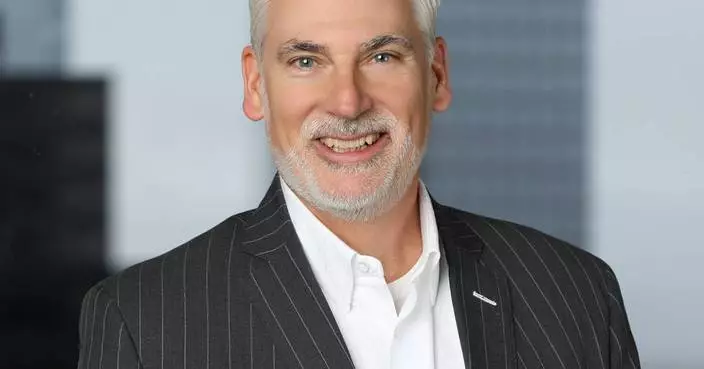
“This acquisition fundamentally changes our U.S. capabilities,” said George Bordianu, Co-Founder and CEO of Balance. “DVTR’s licenses allow us to operate across most of the United States, unlocking access to hundreds of billions of dollars in digital assets that institutions need custodied safely, compliantly, and at scale by regulated financial institutions.”
In addition to digital asset and fiat custody, DVTR can also perform trading and staking services, whether directly, or through third-party providers. Backed by Balance’s institutional-grade infrastructure and integrations, DVTR enables U.S. and Canadian financial institutions to launch products such as:
These capabilities position Balance as a full-stack digital asset infrastructure partner for regulated financial institutions across North America, including banks, credit unions, stablecoin issuers, payment service providers, money services businesses, and fintech platforms.
Financial institutions interested in launching or expanding regulated digital asset services in the U.S. and Canada can reach us at contact@balance.ca.
About Balance
Balance connects its clients to top-tier providers such as Attestant, BlockFills, DARMA Capital, and Maple Finance, through its digital asset rails, enabling them to stake, lend, and liquidate billions of dollars’ worth of assets directly from the comfort of Balance Trust Company, its qualified custodian.
Disclaimer
www.balance.ca/disclaimer
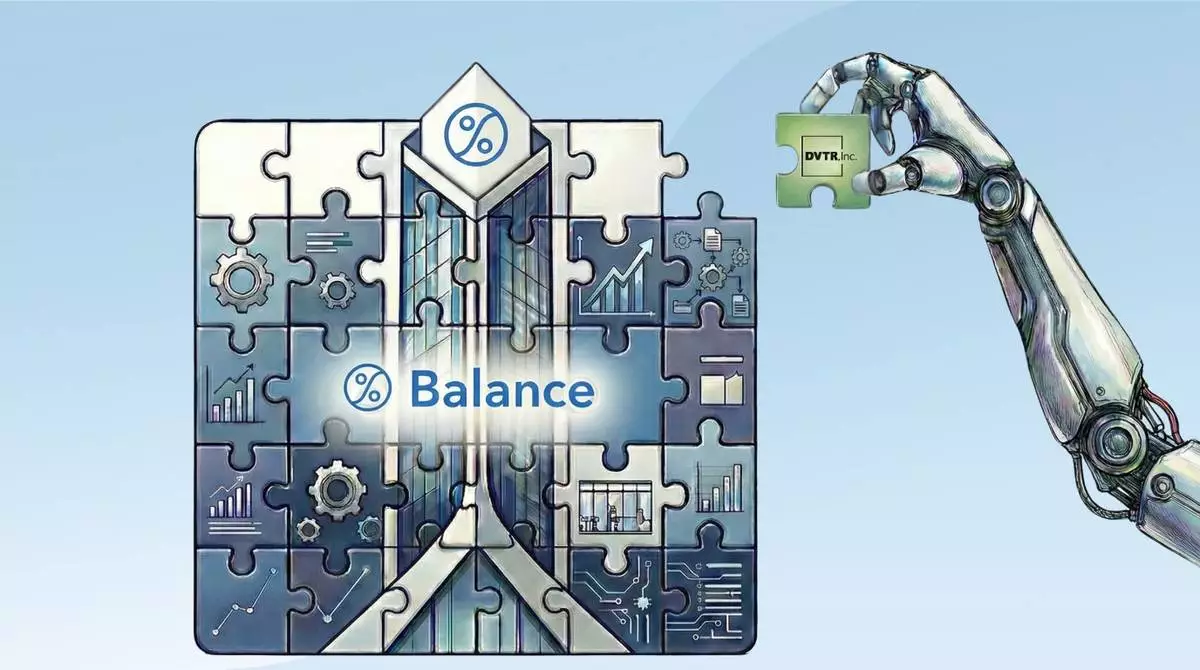
Balance acquires DVTR and expands across the U.S.
NEW DELHI (AP) — India signed a comprehensive economic partnership agreement with Oman on Thursday as part of its broader strategy to offset the impact of steep U.S. import tariffs and widen export destinations during growing global trade uncertainties.
This is the second free trade agreement signed by New Delhi in the past six months, the first one being inked with the United Kingdom in May.
The India-Oman agreement was signed in Muscat in the presence of Indian Prime Minister Narendra Modi and Oman’s head of state, Sultan Haitham bin Tarik.
The deal aims to boost bilateral trade and push India’s exports of engineering goods, textiles, leather, pharmaceuticals and agricultural products. It will provide Indian goods zero-duty market access on 98.08% of Oman’s tariff lines, India's Trade Ministry said in a statement.
India has offered Oman tariff liberalization on 77.79% of its tariff lines, which will cover nearly 95% of New Delhi’s imports from Muscat, the ministry said.
In recent months, India has accelerated a push to finalize several free trade agreements, or FTAs. The country is in advanced talks with the European Union, New Zealand and Chile, among other countries.
FTAs are a central pillar of India’s economic strategy as it seeks deeper integration into global supply chains, stronger export growth and sustained job creation. By lowering tariffs and setting predictable trade rules, the pacts would help Indian businesses remain competitive and expand access to newer markets.
With global trade increasingly shaped by tariff disputes and geopolitical tensions, India is betting that a wider network of trade agreements will help cushion external shocks and anchor its export ambitions.
The stepped-up negotiations come as Indian exporters face pressure from higher U.S. import tariffs of 50%, which went into effect in August. While the two countries have been negotiating a bilateral trade agreement, the tariffs have weighed on sectors such as textiles, auto components, metals and labor-intensive manufacturing.
“India is clearly using FTAs as a strategic tool to diversify export markets and soften the impact of steep and uncertain U.S. tariffs,” trade analyst Ajay Srivastava said.
In all, India has 15 free trade agreements covering 26 countries and six preferential trade agreements, with another 26 nations while negotiating with more than 50 other partners, Srivastava said.
Once the ongoing talks conclude, India will have trade agreements with virtually all major global economies except China, he said.
India signed comprehensive economic cooperation and trade agreements with the United Arab Emirates and Australia in recent years, lifting bilateral trade with both countries. In May, Britain and India announced that they had agreed on a hard-wrought FTA that will slash tariffs on products including Scotch whisky and English gin shipped to India, and Indian food and spices sent to the U.K.
The recent agreements have reinforced the case for faster negotiations and clearer frameworks for business, officials said.
“India is negotiating several FTAs” at a time of challenges in global trade, Trade Secretary Rajesh Agarwal told reporters this week. “I see positive progress on several of these, next year.”
But challenges remain as Indian negotiators face pressure to protect small farmers and domestic industries, even as trading partners push for greater market access.
India and the U.S. hoped to have the first tranche of a bilateral trade agreement by the fall, but it hasn't come through, because ties have been strained following India’s unabated purchase of discounted Russian crude oil. Washington says the purchases help fund Moscow’s war machine in the ongoing invasion of Ukraine.
In recent weeks, there have been signs of tempers cooling. Modi applauded Trump’s peace plan to try to end the Russia-Ukraine war, and the two leaders recently spoke over the phone to discuss mutual interests, including trade.
A team of U.S. negotiators led by Deputy Trade Representative Rick Switzer visited New Delhi last week and held talks with Indian officials. Switzer discussed a India-U.S. economic and technological partnership as well as opportunities to boost two-way trade, India’s Foreign Ministry said in a statement.
New Zealand’s trade and investment minister, Todd McClay, met with Indian counterpart Piyush Goyal last week. They discussed key aspects of an FTA and explored ways to advance the negotiations for mutual benefits, Goyal said on X.
EU Trade and Economic Security Commissioner Maroš Šefčovič also met Goyal last week to review progress on the India-EU free trade agreement and explore ways to resolve issues and advance negotiations.
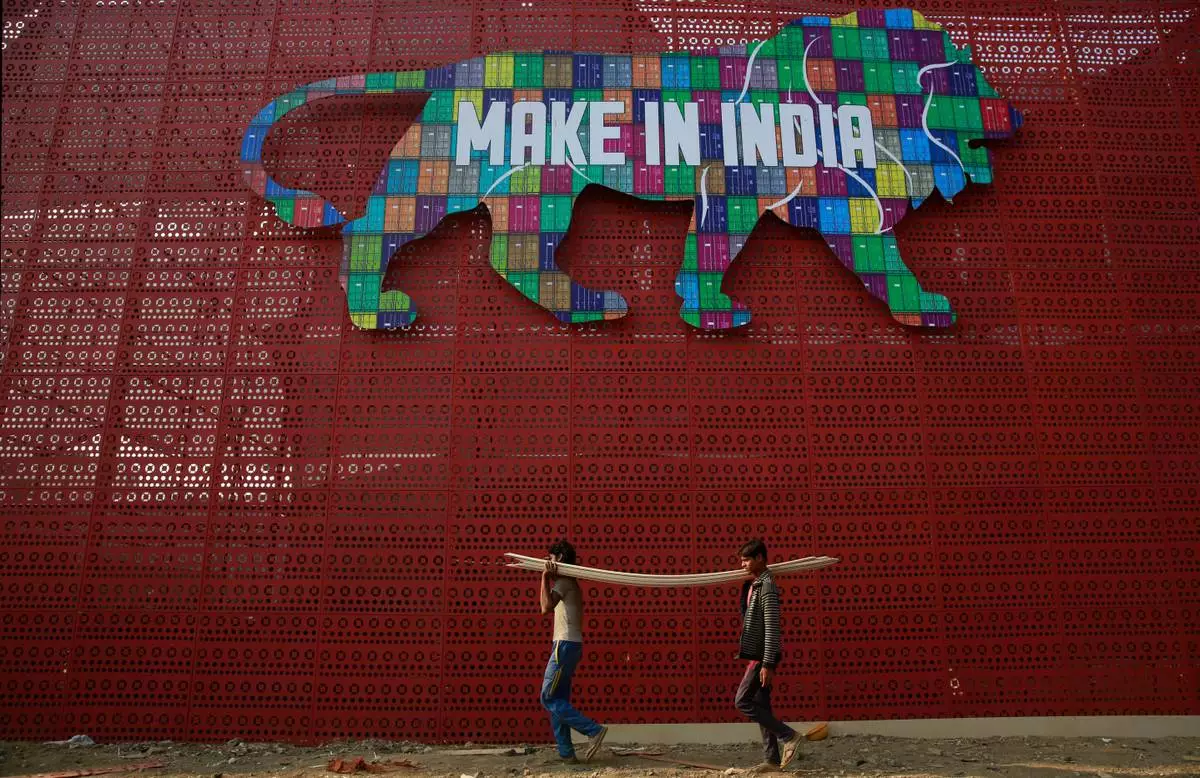
FILE - Laborers carry narrow planks of wood to be used for building a pavilion for the Make In India summit in Mumbai, India, Feb. 9, 2016. (AP Photo/Rafiq Maqbool, File)
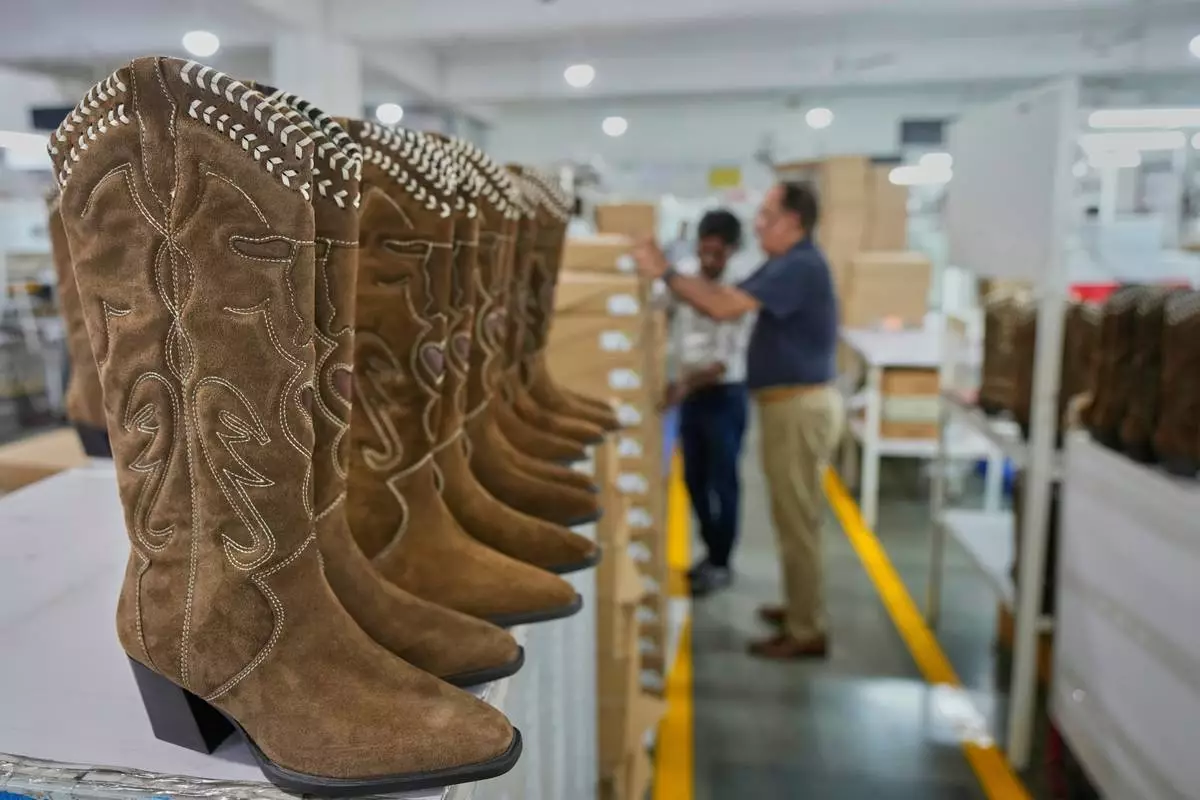
FILE - High ankle boots for women for export are kept for packing at Dawar leather footwear manufacturing unit in Agra, India, Aug. 25, 2025. (AP Photo/Manish Swarup, File)
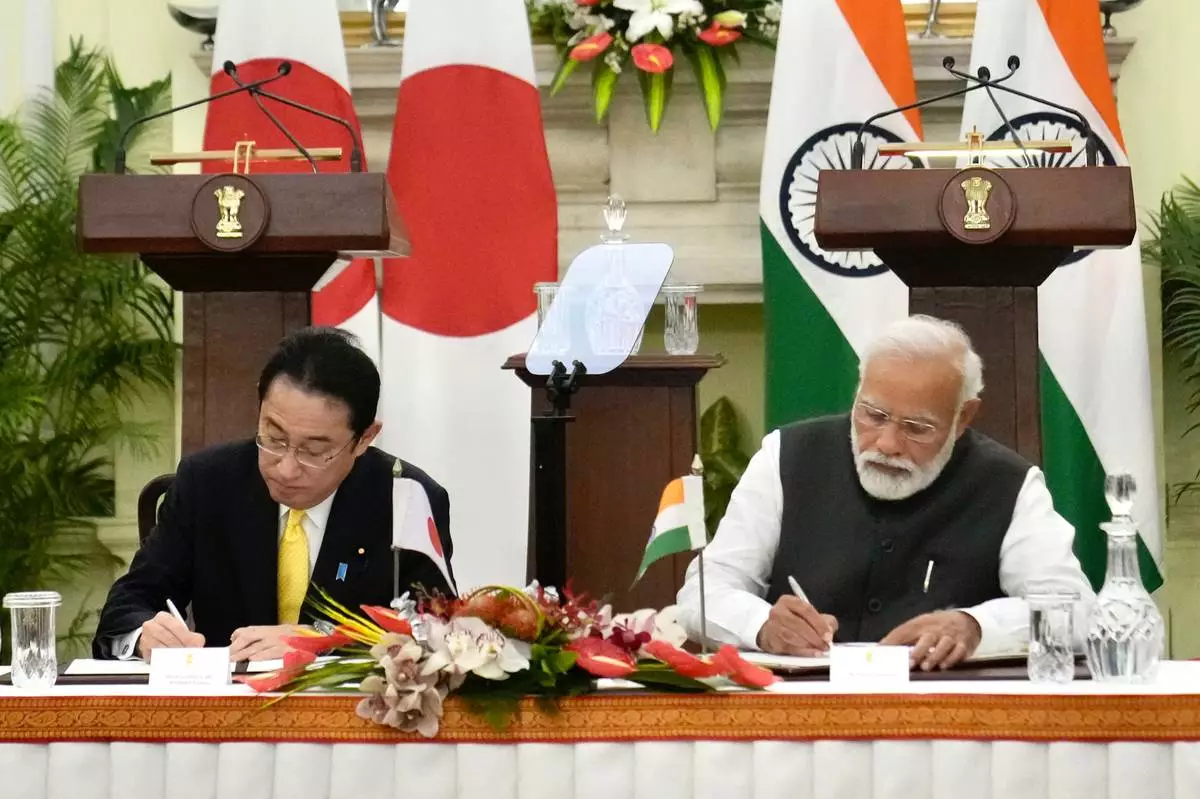
FILE - Indian Prime Minister Narendra Modi, right, and his Japanese counterpart Fumio Kishida sign agreements in New Delhi, March 19, 2022. (AP Photo/Manish Swarup, File)