The European Central Bank (ECB) on Thursday announced that it would keep key interest rates unchanged amid tentative signs of economic stabilization in the eurozone.
The central bank reconfirmed in the latest edition of their forecast that inflation will swing around 2 percent from 2025 to 2028, with headline average inflation estimated at 2.1 percent in 2025, 1.9 percent in 2026, 1.8 percent in 2027, and 2.0 percent in 2028.
The interest rates on the deposit facility, the main refinancing operations, and the marginal lending facility will remain unchanged at 2 percent, 2.15 percent, and 2.4 percent, respectively.
The ECB repeated in a statement that it is "not pre-committing to a particular rate path".
The projections reconfirm "inflation should stabilize at the 2 percent target in the medium term," said the ECB statement.
Thanks to stronger consumption and investment, the euro zone economy grew by 0.3 percent in the third quarter. The ECB expects domestic demand to continue to drive up the economic growth in the euro zone in the coming years.
Forecast of the euro zone economic growth has been revised up to 1.4 percent in 2025, 1.2 percent in 2026, 1.4 percent in 2027 and 1.4 percent in 2028.
The "robust labor market", according to the ECB, also contributed to the economic growth in the third quarter. Unemployment rate stood at 6.4 percent in October, which was close to the historical low.
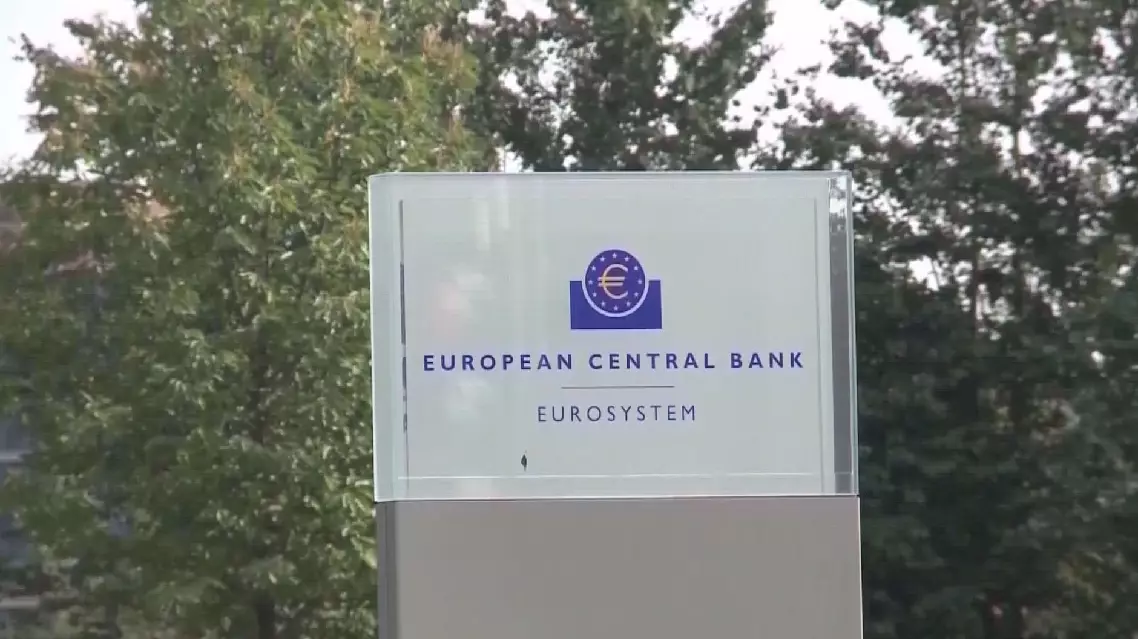
ECB keeps rates unchanged
The UN Security Council will hold an emergency meeting on the situation in Venezuela on Tuesday, the Security Council presidency confirmed Thursday.
"In response to your questions, I can confirm that the Presidency intends to convene a meeting on Venezuela on Tuesday at 15:00," said Laura Miklic, spokeswoman for the Permanent Mission of Slovenia to the United Nations.
Slovenia holds the rotating presidency of the Security Council for the month of December.
The emergency meeting was reportedly requested by Venezuela.
On Wednesday, Venezuela requested the UN Security Council to hold an emergency meeting to discuss the ongoing U.S. aggression in order to take necessary measures to restore international law.
For almost four months, the United States has maintained a significant military presence in the Caribbean, much of which off Venezuela's coast, purportedly to combat drug trafficking -- a claim Venezuela has denounced as a thinly veiled attempt to bring about regime change in Caracas.
On Tuesday, U.S. President Donald Trump said he had ordered a total blockade of all sanctioned oil tankers going into and out of Venezuela, stepping up a months-long pressure campaign against Venezuelan President Nicolas Maduro.
Amid continuous boat strikes, Trump also repeatedly said in recent weeks that the U.S. military would begin land strikes targeting drug traffickers in the Caribbean country "very soon".
In another development, Russia on Thursday urged the U.S. administration not to make a "fatal mistake" on Venezuela, warning of unpredictable consequences for the Western Hemisphere.
In a statement, the Russian Foreign Ministry called on Washington to "refrain from further escalating the situation, which could lead to unpredictable consequences for the entire Western Hemisphere."
The ministry reiterated Russia's support for the government of Venezuelan President Nicolas Maduro, emphasizing the need to protect national interests and sovereignty and to ensure that Latin America remains a zone of peace.
UN Security Council to meet over situation in Venezuela