Skip to Content Facebook Feature Image

Bolivia's largest cities brought to standstill by transportation strike over fuel price hike

News

Bolivia's largest cities brought to standstill by transportation strike over fuel price hike
News

News

Bolivia's largest cities brought to standstill by transportation strike over fuel price hike

2025-12-19 23:51 Last Updated At:12-20 00:00

LA PAZ, Bolivia (AP) — The streets of Bolivia's largest cities, La Paz and Santa Cruz, were brought to a standstill on Friday as public transportation workers went on strike against a 100% fuel price increase ordered by the new government in the South American country.

Food and transportation prices soared, and the workers have demanded that officials revoke the fuel increase.

More Images
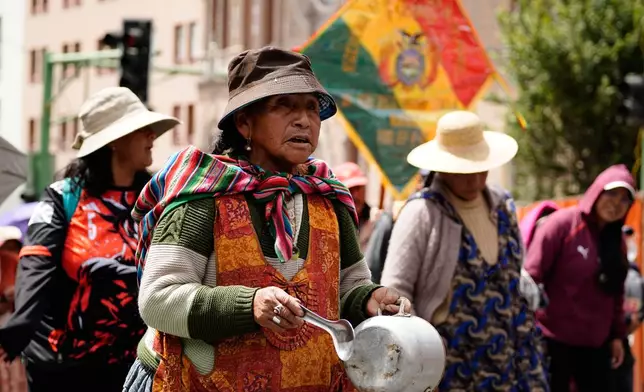
People protest President Rodrigo Paz's announcement to stop subsidizing fuel in La Paz, Bolivia, Friday, Dec. 19, 2025. (AP Photo/Freddy Barragan)
People protest President Rodrigo Paz's announcement to stop subsidizing fuel in La Paz, Bolivia, Friday, Dec. 19, 2025. (AP Photo/Freddy Barragan)

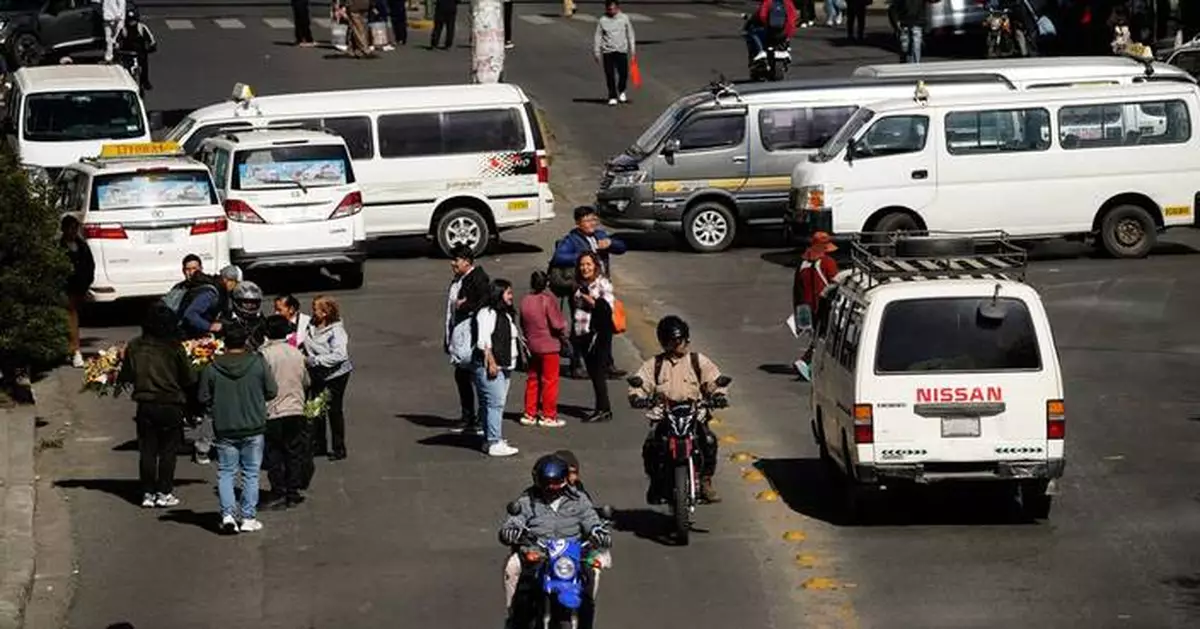
People walk during strike by the public transportation sector in La Paz, Bolivia, Friday, Dec. 19, 2025, after President Rodrigo Paz announced the end of fuel subsidies. (AP Photo/Freddy Barragan)
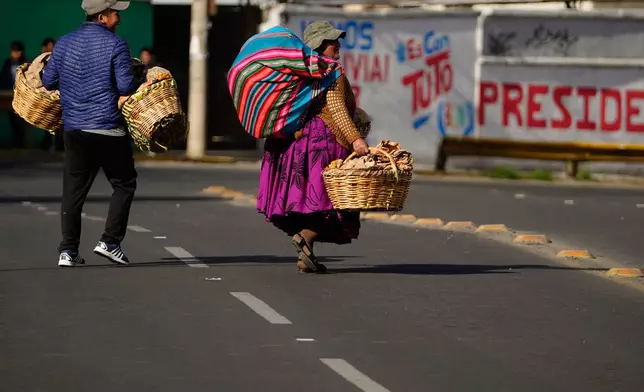
People walk during strike by the public transportation sector in La Paz, Bolivia, Friday, Dec. 19, 2025, after President Rodrigo Paz announced the end of fuel subsidies. (AP Photo/Freddy Barragan)
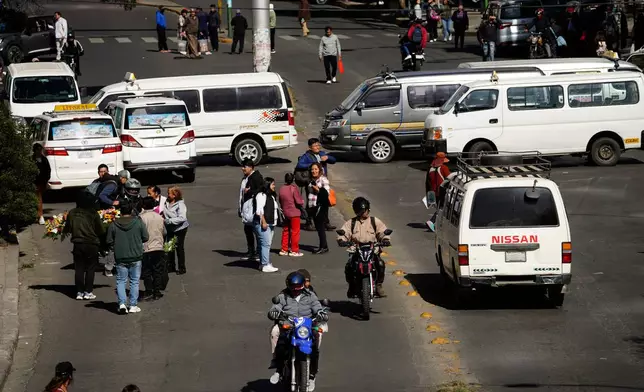
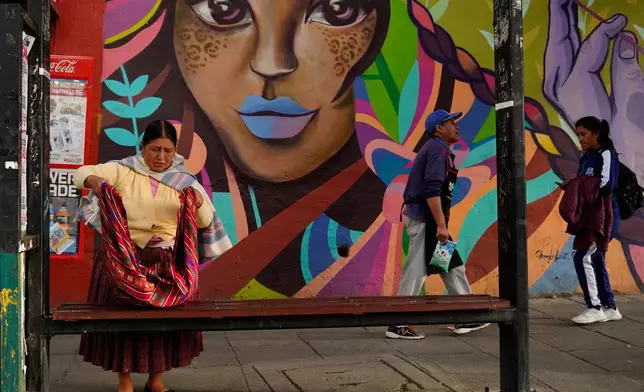
People walk during a strike by the public transportation sector in La Paz, Bolivia, Friday, Dec. 19, 2025, after President Rodrigo Paz announced the end of fuel subsidies. (AP Photo/Freddy Barragan)

People walk during a strike by the public transportation sector in La Paz, Bolivia, Friday, Dec. 19, 2025, after President Rodrigo Paz announced the end of fuel subsidies. (AP Photo/Freddy Barragan)

People walk during strike by the public transportation sector in La Paz, Bolivia, Friday, Dec. 19, 2025, after President Rodrigo Paz announced the end of fuel subsidies. (AP Photo/Freddy Barragan)

People walk during strike by the public transportation sector in La Paz, Bolivia, Friday, Dec. 19, 2025, after President Rodrigo Paz announced the end of fuel subsidies. (AP Photo/Freddy Barragan)

In La Paz, protesters blocked street corners, while in other cities, public transportation was shut down, long lines formed and residents joined the protests with marches.

Protests could spread nationwide in the coming days, if the government doesn't restore subsidies for gasoline and diesel, said Edson Valdez, a leader of the transportation union.

"The government has given the people the worst Christmas gift,” he said.

“Not only have transportation fares doubled, food prices are through the roof, they’ve risen again,” said Natalia Rodríguez, a homemaker.

People crowded into markets to stock up before prices climb further.

“The decree will not be touched," Presidency Minister José Luis Lupo said. "It is not negotiable.

“It is a painful measure, but it must be done,” he said. “We will negotiate public service rates, but there is no other way.”

The government delegated to mayors the negotiations over urban fares with drivers.

President Rodrigo Paz, a center-right politician, took office more than a month ago, ending two decades of leftist rule in Bolivia.

“We inherited a country hurt in its economy, hurt in its reserves, without dollars, with rising inflation, without fuel and with a ransacked state,” Paz said.

Lupo said that “these measures close a populist cycle that encouraged waste and corruption, and now it is up to us to stabilize the economy to generate growth."

According to the Ministry of Economy, accumulated inflation will close the year at 22%, with a fiscal deficit of 12.5% of gross domestic product. Cutting fuel subsidies “will allow savings of $3 billion that will go to investments,” the office said.

Bolivia has imported half of its gasoline and nearly all of its diesel for domestic use and sold it at half price, draining its foreign currency reserves. Fuel shortages have severely affected food production and pushed food prices higher.

The president's latest measures — which also include a 20% wage increase and the preservation of social bonuses for poor sectors — have received backing from business leaders and the U.S. government.

A delegation of U.S. business leaders met with Paz on Thursday to learn about the government’s plans for investors, while the Legislative Assembly approved an initial $550 million loan from the Andean Development Corp., known by its Spanish acronym CAF, aimed at stabilizing the economy and paying down debt.

Follow the AP’s coverage of Latin America and the Caribbean at https://apnews.com/hub/latin-america
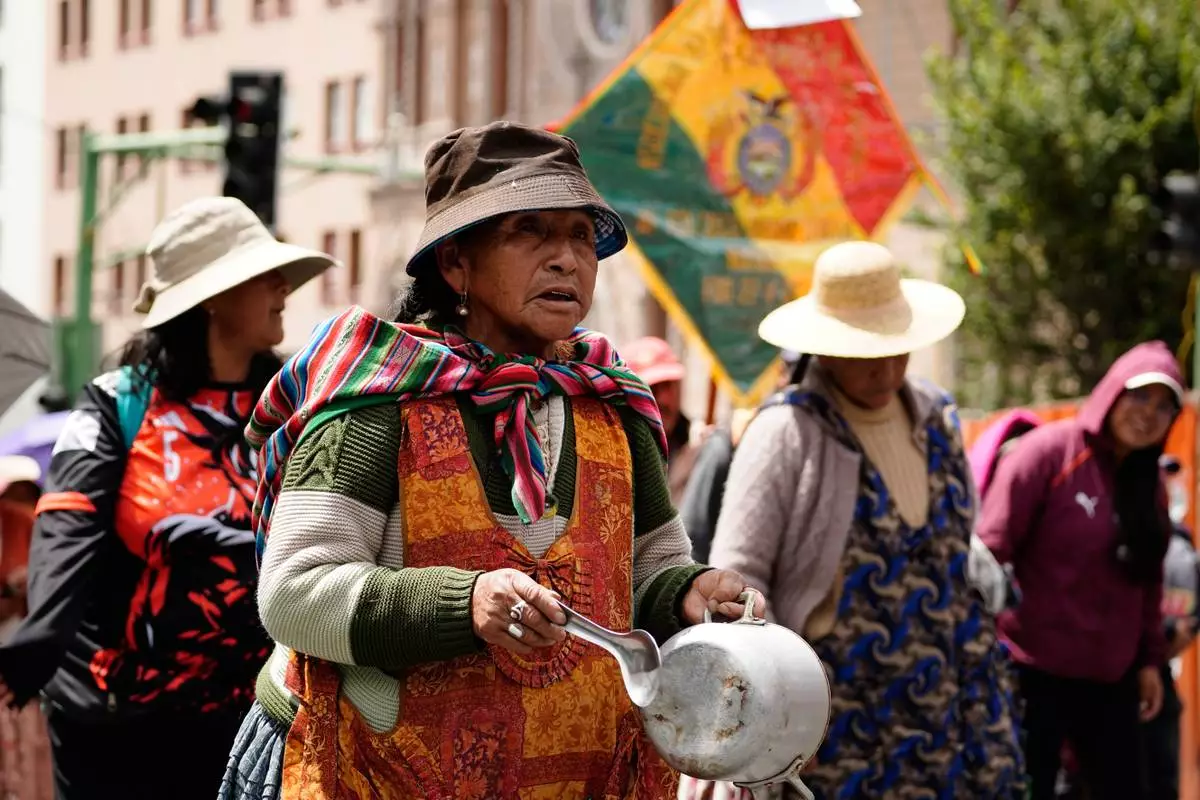
People protest President Rodrigo Paz's announcement to stop subsidizing fuel in La Paz, Bolivia, Friday, Dec. 19, 2025. (AP Photo/Freddy Barragan)

People protest President Rodrigo Paz's announcement to stop subsidizing fuel in La Paz, Bolivia, Friday, Dec. 19, 2025. (AP Photo/Freddy Barragan)

People walk during strike by the public transportation sector in La Paz, Bolivia, Friday, Dec. 19, 2025, after President Rodrigo Paz announced the end of fuel subsidies. (AP Photo/Freddy Barragan)
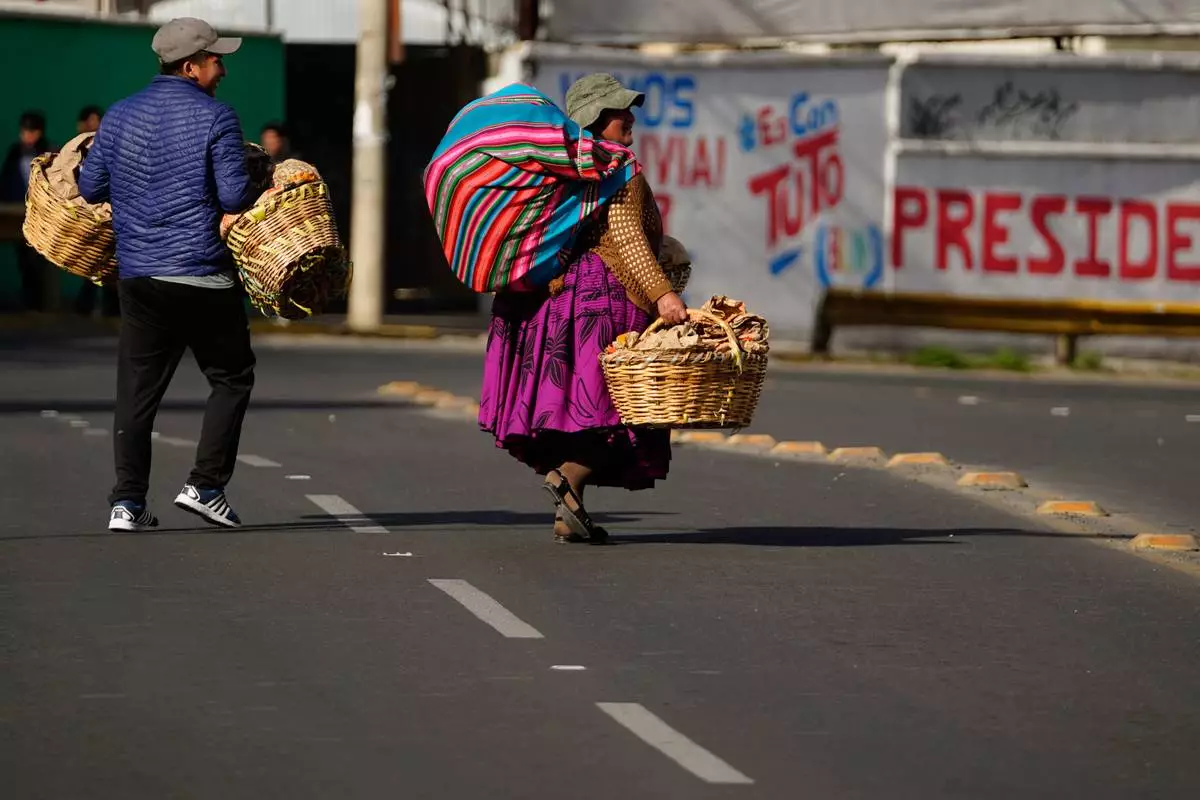
People walk during strike by the public transportation sector in La Paz, Bolivia, Friday, Dec. 19, 2025, after President Rodrigo Paz announced the end of fuel subsidies. (AP Photo/Freddy Barragan)
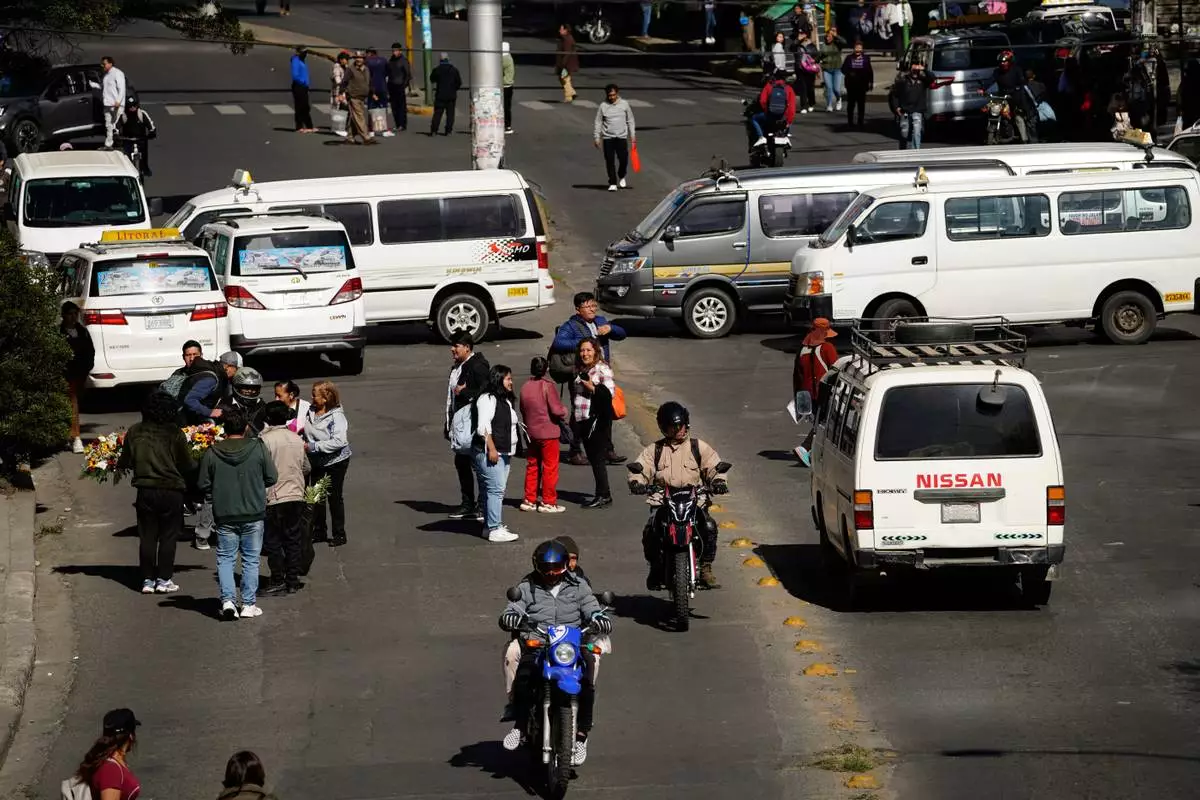
People walk during a strike by the public transportation sector in La Paz, Bolivia, Friday, Dec. 19, 2025, after President Rodrigo Paz announced the end of fuel subsidies. (AP Photo/Freddy Barragan)
People walk during a strike by the public transportation sector in La Paz, Bolivia, Friday, Dec. 19, 2025, after President Rodrigo Paz announced the end of fuel subsidies. (AP Photo/Freddy Barragan)
People walk during strike by the public transportation sector in La Paz, Bolivia, Friday, Dec. 19, 2025, after President Rodrigo Paz announced the end of fuel subsidies. (AP Photo/Freddy Barragan)

People walk during strike by the public transportation sector in La Paz, Bolivia, Friday, Dec. 19, 2025, after President Rodrigo Paz announced the end of fuel subsidies. (AP Photo/Freddy Barragan)

TORONTO (AP) — Canada and the U.S. will launch formal discussions to review their free trade agreement in mid-January, the office of Canadian Prime Minister Mark Carney said.

The prime minister confirmed to provincial leaders that Dominic LeBlanc, the country’s point person for U.S-Canada trade relations, “will meet with U.S. counterparts in mid-January to launch formal discussions," Carney’s office said in a statement late Thursday.

The United States-Mexico-Canada trade pact, or USMCA, is up for review in 2026. U.S. President Donald Trump negotiated the deal in his first term and included a clause to possibly renegotiate the deal in 2026.

Carney met with the leaders of Canada’s provinces on Thursday to give them an update on trade talks with the U.S.

Canada is one of the most trade-dependent countries in the world, and more than 75% of Canada’s exports go to the country's southern neighbor. But most exports to the U.S. are currently exempted by USMCA.

Trump cut off trade talks to reduce tariffs on certain sectors with Carney in October after the Ontario provincial government ran an anti-tariff advertisement in the U.S. That followed a spring of acrimony, since abated, over Trump’s insistence that Canada should become the 51st U.S. state.

Carney said earlier Thursday that Canada and the U.S. were close to an agreement at the time on sectoral tariff relief in multiple areas, including steel and aluminum. Tariffs are taking a toll on certain sectors of Canada's economy, particularly aluminum, steel, auto and lumber.

Carney also said trade irritants flagged this week by U.S. Trade Representative Jamieson Greer are elements of a “much bigger discussion” about continental trade. Greer said a coming review of the Canada-U.S.-Mexico trade deal will hinge on resolving U.S. concerns about Canadian policies on dairy products, alcohol and digital services.

Carney and the provincial premiers agreed to meet in person in Ottawa early in the new year.

Canada is the top export destination for 36 U.S. states. Nearly $3.6 billion Canadian (US$2.7 billion) worth of goods and services cross the border each day.

About 60% of U.S. crude oil imports are from Canada, as are 85% of U.S. electricity imports.

Canada is also the largest foreign supplier of steel, aluminum and uranium to the U.S. and has 34 critical minerals and metals that the Pentagon is eager for and investing in for national security.

Carney said U.S. access to Canada’s critical minerals is not a certainty.

“It’s a potential opportunity for the United States, but it’s not an assured opportunity for the United States. It’s part of a bigger discussion in terms of our trading relationship, because we have other partners around the world, in Europe for example, who are very interested in participating,” Carney said earlier Thursday.

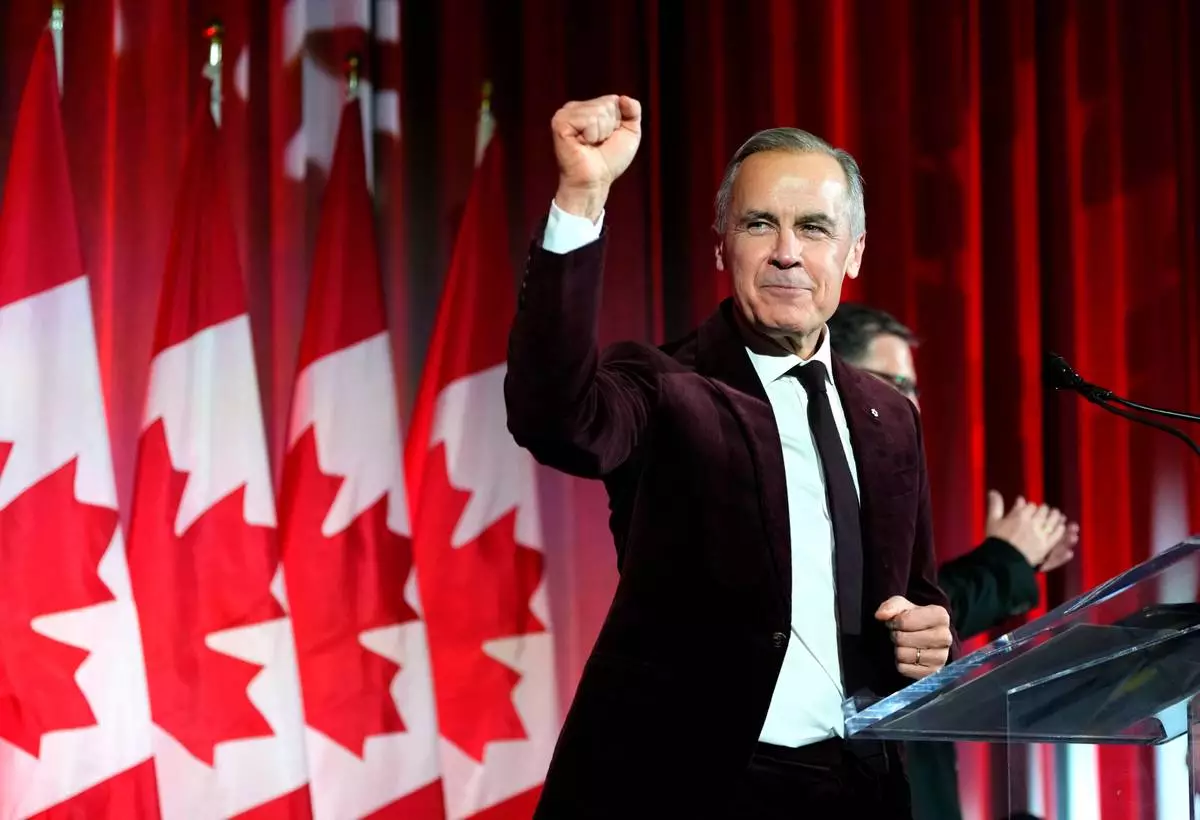
FILE - Canada's Prime Minister Mark Carney pumps his fist as he arrives to deliver remarks at the Liberal caucus holiday party in Ottawa, on Thursday, Dec. 11, 2025. (Justin Tang/The Canadian Press via AP, File)

FILE - Canada's Prime Minister Mark Carney pumps his fist as he arrives to deliver remarks at the Liberal caucus holiday party in Ottawa, on Thursday, Dec. 11, 2025. (Justin Tang/The Canadian Press via AP, File)

Recommended Articles