Chinese tech giant ByteDance, parent company of the popular short-video app TikTok, has signed binding agreements to divest the app's most assets in the United States and form a joint venture with a group of mostly American investors, in a crucial step toward avoiding a U.S. government ban, TikTok CEO Shou Zi Chew said in a memo sent to the company staff on Thursday.
Under the agreements, ByteDance will retain 19.9 percent of the business, while U.S. cloud computing giant Oracle, private equity group Silver Lake and Abu Dhabi-based investment firm MGX will each hold 15 percent. The remaining 30.1 percent will be held by affiliates of ByteDance's existing investors.
The move follows U.S. President Donald Trump's order in September this year to delay the enforcement of a law that would ban TikTok unless it was sold.
Although the transaction will not be complete until Jan 22, 2026, the move enables TikTok, used by more than 170 million Americans, to continue operating in the United States.
In April 2024, during former President Joe Biden's administration, the U.S. Congress passed a law to ban TikTok over what it called national security concerns, unless the app was sold.
The law was set to go into effect on Jan 20 this year, but was pushed back multiple times by Trump, while his administration worked toward a deal to transfer ownership.
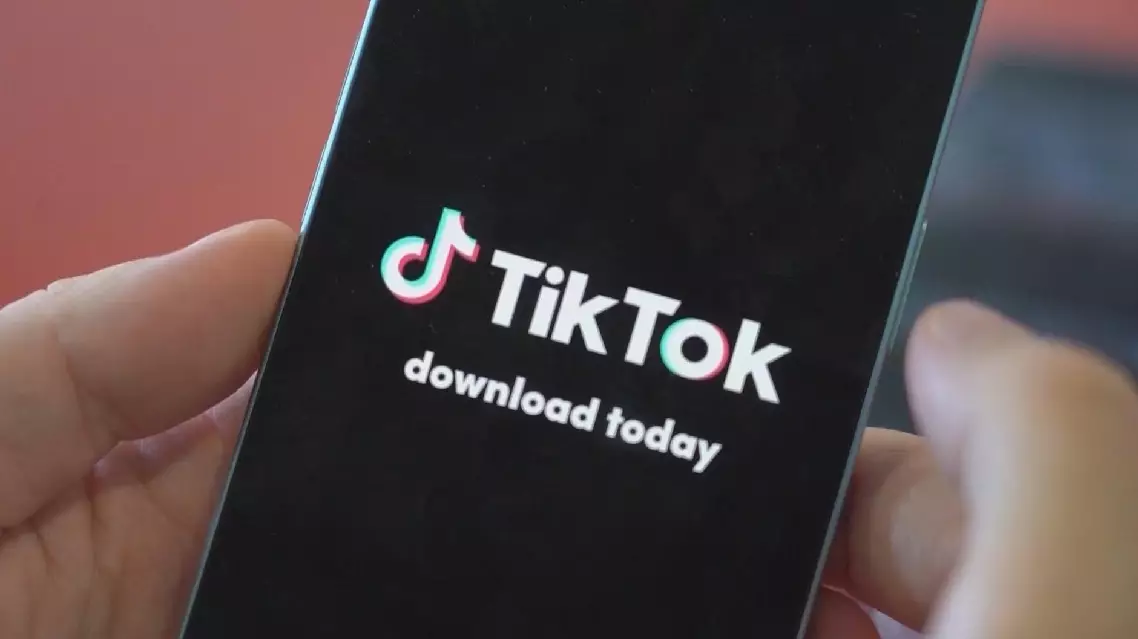
TikTok parent ByteDance signs deal to sell US operations in joint venture move
Global film industry insiders have highlighted the Chinese market's role in boosting global film revenues, with the country's box office garnering nearly 51 billion yuan (approximately 7.24 billion U.S. dollars) in 2025, a significant portion of which was generated by imported films.
Leading recent releases, Disney's animated comedy film Zootopia 2 has raked in over one billion dollars in global box office earnings, with nearly half of that revenue stemming from China, significantly outpacing the North American market.
The blockbuster's impressive performance in China has been a key engine driving its global box office success. In its opening week, Zootopia 2 set a record for the highest opening weekend for a non-local animated film in China, far exceeding expectations.
This strong showing further underscores how the Chinese market has evolved from merely an important box office for Hollywood to a core driving force behind its global success, according to observers.
Mike Wang, a partner at a U.S. cinema chain, expressed optimism about the film's continued success with Chinese audiences.
"I think this movie will be very good and popular in China. The popularity will continue for around two months, and I do hope that this movie will bring international movies back on track to where they were," he said.
"That story is, in some ways, an unexpected win. And because of all that, Zootopia 2 is becoming right now a centerpiece of Disney's marketing efforts. And we can claim that it is Disney's most important movie in China this year, for sure," said Ashley Dudarenok, a digital media marketing expert.
According to industry insiders from North America, against the backdrop of the global film landscape undergoing a historic transformation, the Chinese market has become an indispensable box office pillar for Hollywood and a key force capable of steering global industry trends, thanks to its population of 1.4 billion and over 90,000 screens in the country.
"And so that does make people sit up and take notice that Chinese people don't just stream things online. They actually go to the cinemas. And don't we wish people did that here in North America? And so it also shows that there is, again, a shift in the power of the global film market," said Christopher Rea, associate head of the Department of Asia Studies at the University of British Columbia in Vancouver, Canada.
As Hollywood films like "Zootopia 2" and "Avatar 3" enjoy significant success in China, international media outlets have lauded the market's openness and global appeal.
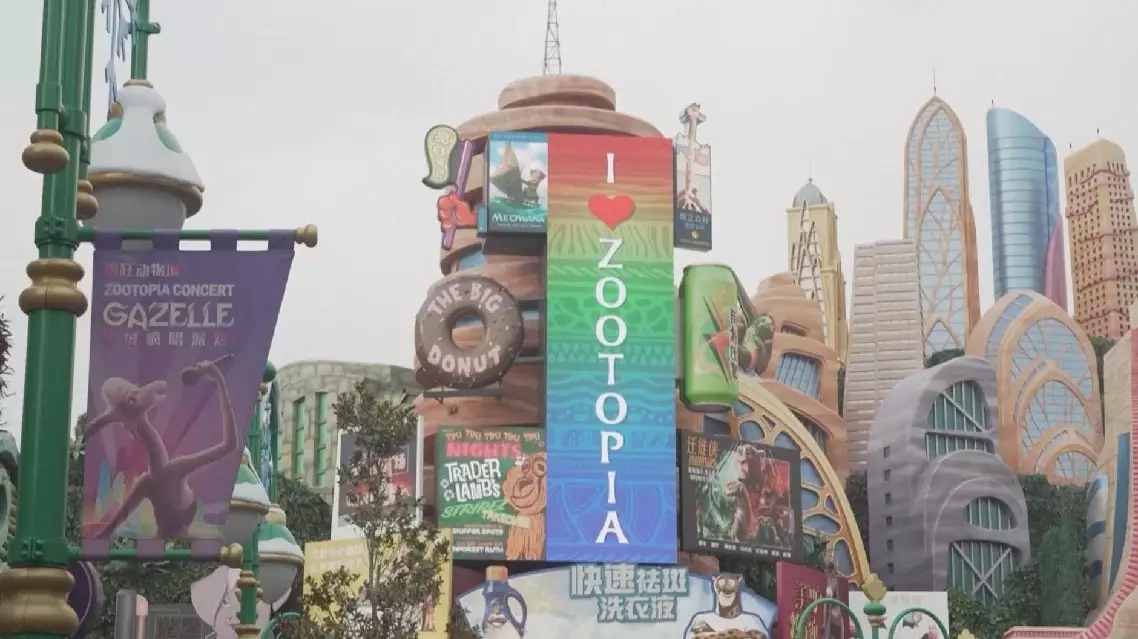
China emerges as core engine of global film industry growth: observers