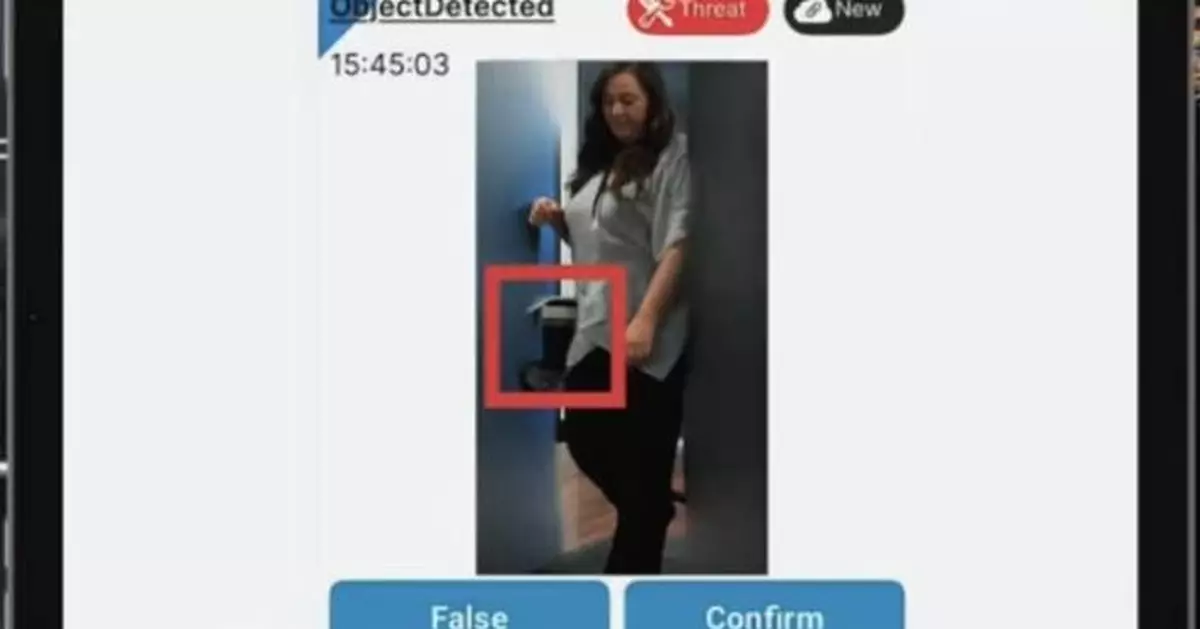
AUSTIN, Texas--(BUSINESS WIRE)--Dec 22, 2025--
Security teams face enormous pressure to quickly determine not just whether a threat is present, but exactly where it is located. Yet most screening systems leave operators interpreting vague indicators, leading to delays, manual searches, and inconsistent decision-making. Athena Security, Inc., today announced the launch of Apollo 500, a next-generation weapons detection system that delivers real-time location alert lights, instantly guiding operators to the exact position of a weapon or prohibited item on a person or in their belongings.
This press release features multimedia. View the full release here: https://www.businesswire.com/news/home/20251222900286/en/
Apollo 500 represents a significant evolution in threat-detection workflow. Instead of relying on ambiguous or generalized alerts, Apollo uses precision light boxes that show operators exactly where the potential threat is—arms, legs, waistline, backpack, purse, or carried item—reducing confusion and dramatically speeding screening accuracy. This link goes to a demonstration video of the weapons detection system.
“In high-traffic environments, every second counts—and uncertainty slows teams down,” states Lisa Falzone, Co-Founder and President of Athena Security. “Apollo 500 brings clarity to the screening process by giving operators precise, visual, and immediate intelligence. When security teams know exactly where to look, they can respond faster, reduce friction, and keep lines moving safely and efficiently.”
Threat identification challenges have become more urgent as hospitals, schools, and public institutions face rising incidents and increasing pressure to maintain both safety and throughput. Research shows that security screening systems that rely on manual operator interpretation are prone to variability, with different officers resolving the same alert in different ways and at different speeds.
According to ASIS International’s Physical Security Measures, ambiguous or non-specific alert zones increase operator workload and create inconsistent secondary screening decisions, which in turn slow visitor throughput. Apollo 500 directly addresses this operational challenge by enabling teams to pinpoint potential threats. In the newly released demonstration video, Apollo’s system illustrates how visual-location indicators reduce the cognitive load on operators and create a faster, safer, more consistent screening experience.
Key advantages of Apollo 500 include:
Real-time Red-Box visual indication that pinpoints the exact location of a weapon or prohibited item
“Traditional systems give you a general alert. Apollo tells you exactly where to look,” says Chris Ciabarra, Co-Founder and CTO/Chief AI Officer of Athena Security. “We designed the Apollo 500 to eliminate confusion at the very moment decisions matter most. When operators can instantly see where a threat is located, accuracy goes up, search times go down, and the entire screening process becomes safer for everyone.”
While no weapons detection system operates at 100% accuracy, technologies like Apollo 500 and AI-enabled X-ray help organizations achieve higher standards of speed, clarity, and operational confidence. By adopting solutions designed for real-world conditions, security teams can respond faster, reduce uncertainty, and create safer environments.
About Athena Security
Athena Security is the industry leader in AI-powered threat detection. Its mission is to safeguard people and data through intelligent innovation, and its solutions – including weapons detection, visitor management, telepresence, AI-assisted X-ray and smart glasses technology– are deployed to protect facilities, people, and critical assets. Athena Security partners with organizations across industries to enhance their security posture and help protect individuals in schools, hospitals, retail and public spaces across the US. Athena Security is headquartered in Austin, Texas, with remote offices in San Francisco, California, and Jacksonville, Florida. To learn more, visit www.Athena-Security.com.
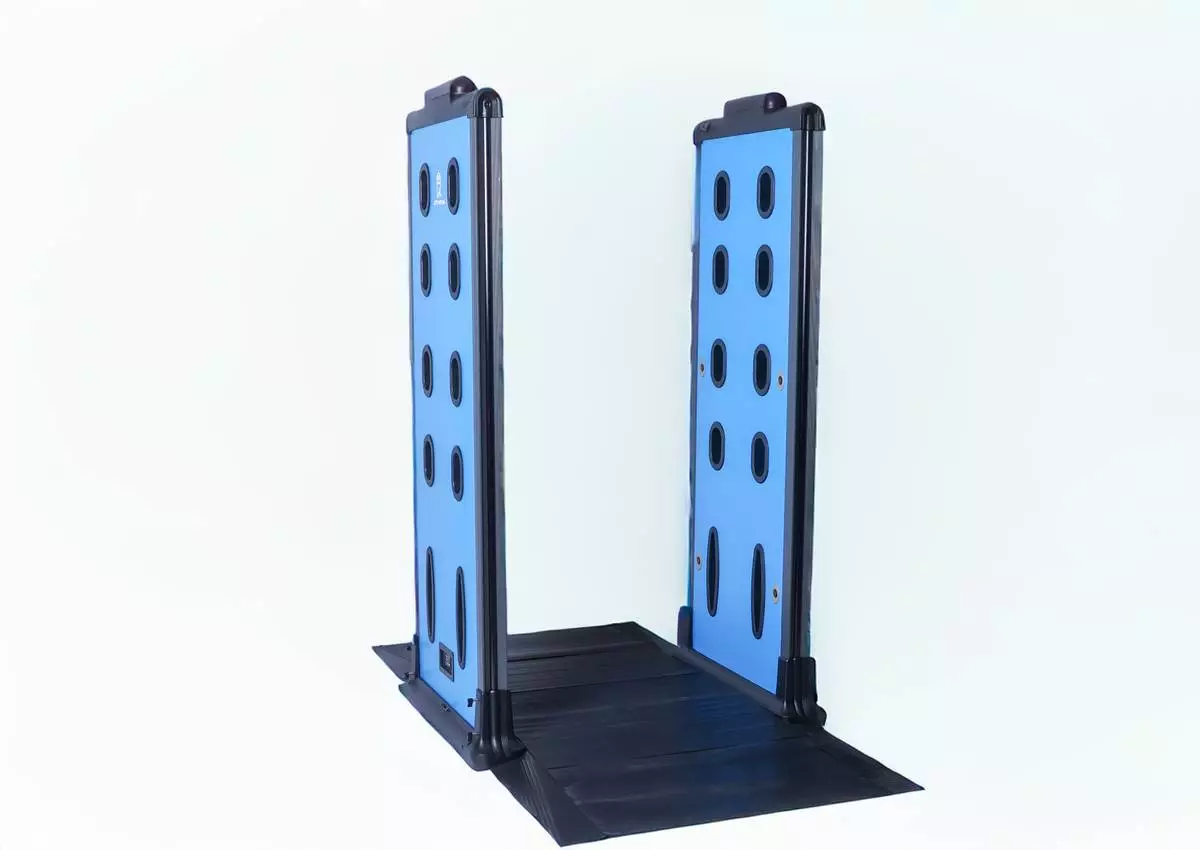
Apollo 500 Weapons Detection System with Red Box Alert by Athena Security
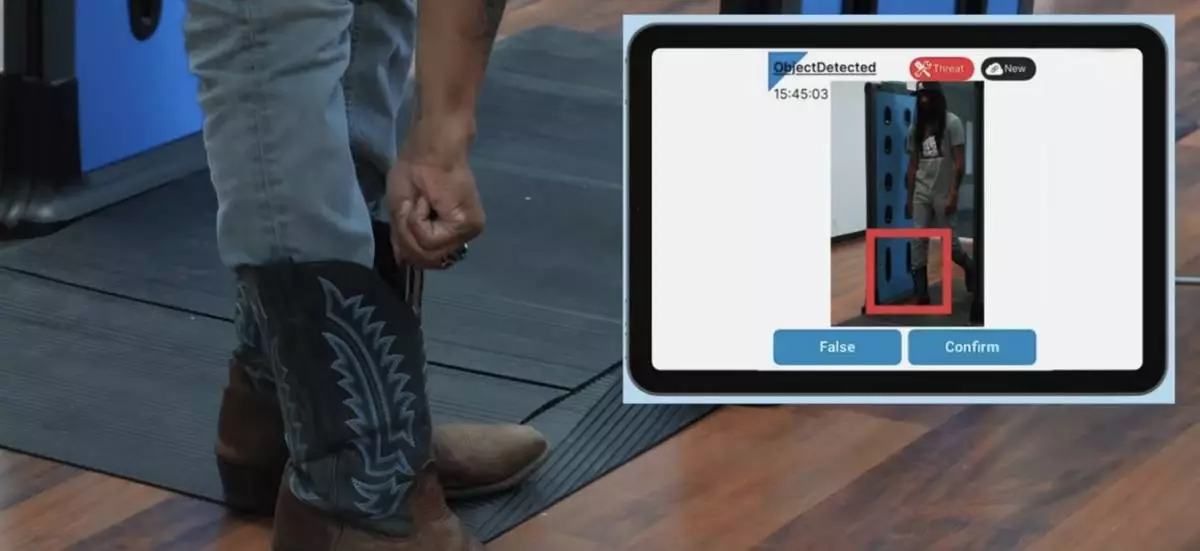
Apollo 500 by Athena Security locates a suspected weapon on the body, eliminating operator guesswork and speeding up threat response time in hospitals, schools, and other facilities.
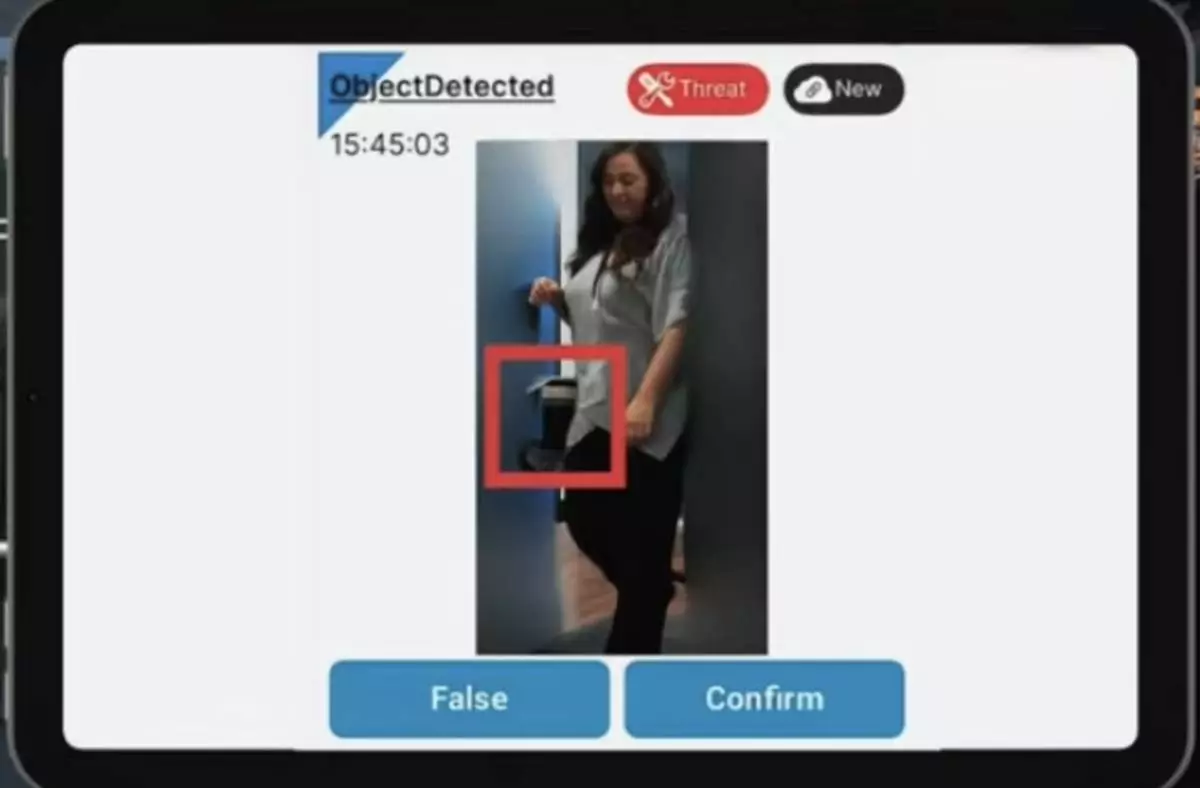
Apollo 500 by Athena Security pinpoints the location of a suspected weapons threat on the body with a red box alert.
AP Media Writer (AP) — An internal CBS News battle over a “60 Minutes” story critical of the Trump administration has exploded publicly, with a correspondent charging it was kept off the air for political reasons and news chief Bari Weiss saying Monday the story did not “advance the ball.”
Two hours before airtime Sunday, CBS announced that the story where correspondent Sharyn Alfonsi spoke to deportees who had been sent to El Salvador's notorious CECOT prison, would not be a part of the show. Weiss, the Free Press founder named CBS News editor-in-chief in October, said it was her decision.
The dispute puts one of journalism's most respected brands — and a frequent target of President Donald Trump — back in the spotlight and amplifies questions about whether Weiss' appointment was a signal that CBS News was headed in a more Trump-friendly direction.
Alfonsi, in an email sent to fellow “60 Minutes” correspondents said the story was factually correct and had been cleared by CBS lawyers and its standards division. But the Trump administration had refused to comment for the story, and Weiss wanted a greater effort made to get their point of view.
“In my view, pulling it now after every rigorous internal check has been met is not an editorial decision, it is a political one,” Alfonsi wrote in the email. She did not immediately respond to requests for comment from The Associated Press.
Alfonsi said in the email that interviews were sought with or questions directed to — sometimes both — the White House, State Department and Department of Homeland Security.
“Government silence is a statement, not a VETO,” Alfonsi wrote. “Their refusal to be interviewed is a tactical maneuver designed to kill the story. If the administration's refusal to participate becomes a valid reason to spike a story, we have effectively handed them a ‘kill switch’ for any reporting they find inconvenient.”
“Spike” is a journalist's term for killing a story. But Weiss, in a statement, said that she looked forward to airing Alfonsi's piece “when it's ready.”
Speaking Monday at the daily CBS News internal editorial call, Weiss was clearly angered by Alfonsi's memo. A transcript of Weiss' message was provided by CBS News.
“The only newsroom I'm interested in running is one in which we are able to have contentious disagreements about the thorniest editorial matters with respect and, crucially, where we assume the best intent of our colleagues,” Weiss said. “Anything else is completely unacceptable.”
She said that while Alfonsi's story presented powerful testimony about torture at the CECOT prison, The New York Times and other outlets had already done similar work. “To run a story on this subject two months later, we need to do more,” she said. “And this is ‘60 Minutes.’ We need to be able to get the principals on the record and on camera.”
It wasn't clear whether Weiss' involvement in seeking administration comment was sought. She reportedly helped the newscast arrange interviews with Jared Kushner and Steve Witkoff this past fall to discuss Trump's Middle East peace efforts. Trump himself was interviewed by Norah O’Donnell on a “60 Minutes” telecast that aired on Nov. 2.
Trump has been sharply critical of “60 Minutes.” He refused to grant the show an interview prior to last fall’s election, then sued the network over how it handled an interview with election opponent Kamala Harris. CBS’ parent Paramount Global agreed to settle the lawsuit by paying Trump $16 million this past summer. More recently, Trump angrily reacted to correspondent Lesley Stahl’s interview with Trump former ally turned critic Marjorie Taylor Greene.
“60 Minutes” was notably tough on Trump during the first months of his second term, particularly in stories done by correspondent Scott Pelley. In accepting an award from USC Annenberg earlier this month for his journalism, Pelley noted that the stories were aired last spring “with an absolute minimum of interference.”
Pelley said that people at “60 Minutes” were concerned about what new ownership installed at Paramount this summer would mean for the broadcast. “It’s early yet, but what I can tell you is we are doing the same kinds of stories with the same kind of rigor, and we have experienced no corporate interference of any kind,” Pelley said then, according to deadline.com.
David Bauder writes about the intersection of media and entertainment for the AP. Follow him at http://x.com/dbauder and https://bsky.app/profile/dbauder.bsky.social.
FILE - The CBS logo at the entrance to its headquarters, in New York Dec. 6, 2018. (AP Photo/Mark Lennihan, File)