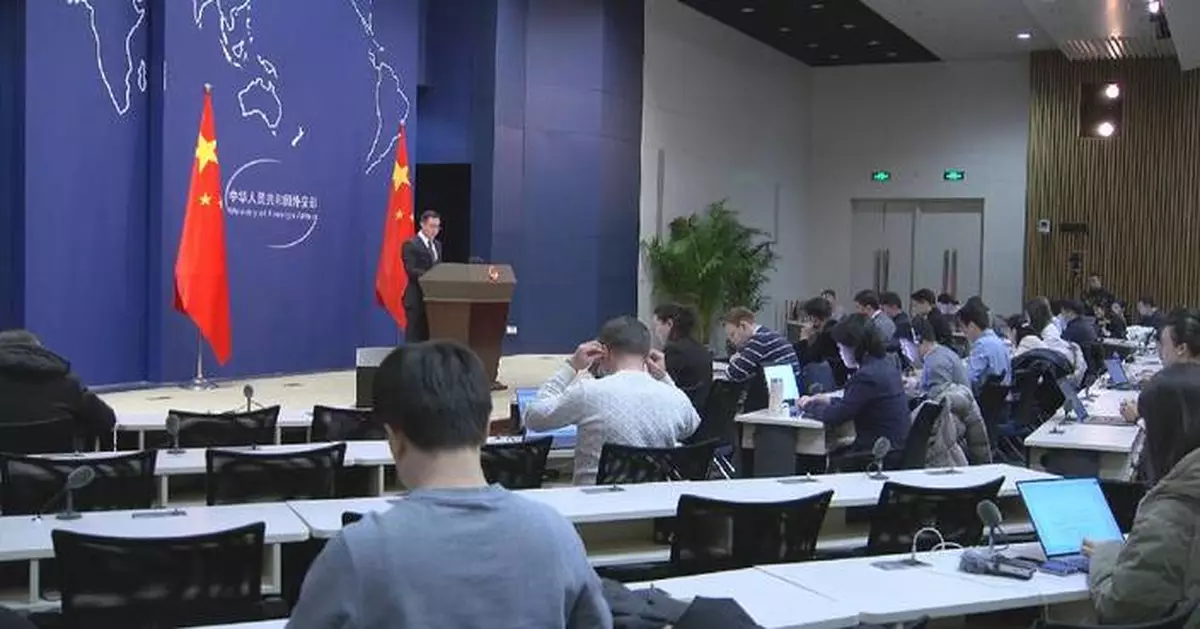
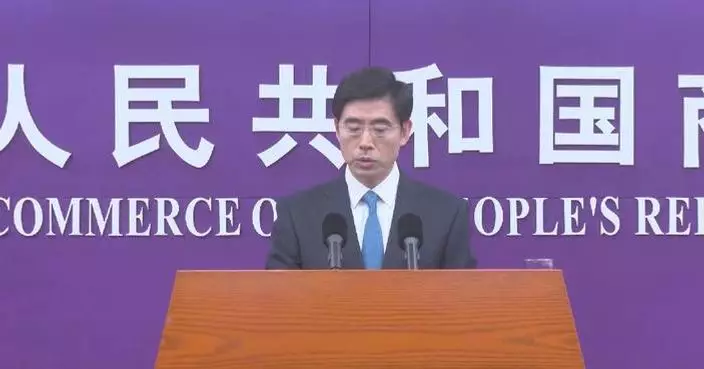
Chinese Foreign Ministry Spokesman Lin Jian on Tuesday issued a new travel alert after a Chinese citizen was slightly injured in Thailand-Cambodia border clashes on Monday morning.
The Chinese citizen was wounded when the Thai military forces fired artillery shells at residential areas in Cambodia's Battambang province.
"The Chinese Embassy in Cambodia has contacted the citizen and will provide consular protection and assistance within its scope of responsibilities. Given the recent deterioration in the security situation along the Cambodia-Thailand border, we once again remind Chinese citizens to avoid traveling to the above-mentioned areas. We urge both sides involved in the conflict to ensure the safety and legitimate rights and interests of Chinese citizens and enterprises," he said.
The Cambodia-Thailand border conflict flared up again on Dec. 7, with both sides accusing each other of launching initial attacks.
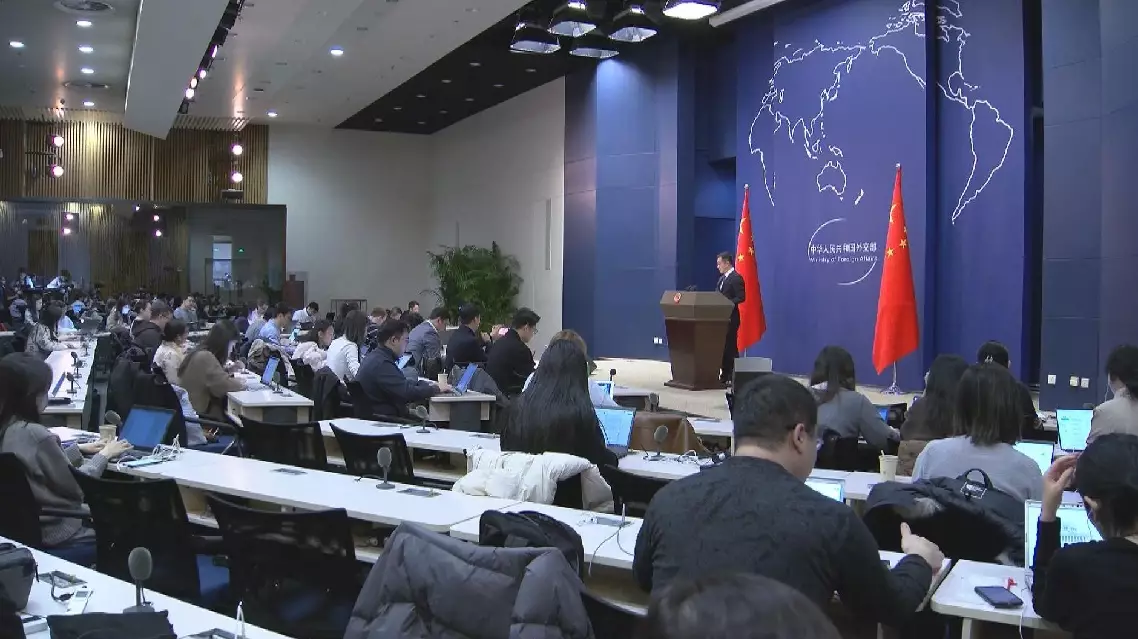
FM spokesman issues travel advice after Chinese national injured in Cambodia-Thailand border conflict
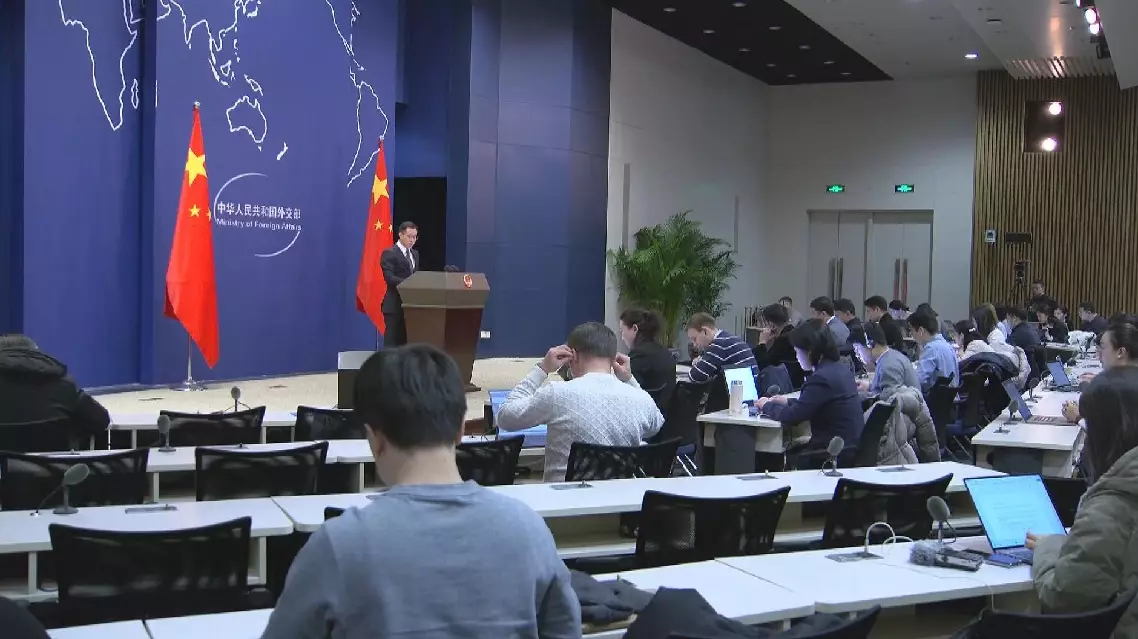
FM spokesman issues travel advice after Chinese national injured in Cambodia-Thailand border conflict
India's manufacturing industry has been threatened by shortages in the global energy supply amid mounting tensions and escalating spillover effects spreading beyond the Middle Eastern battlefield.
Glass producers in the country are feeling the acute strain of natural gas shortages, which have forced many production lines to shut down. This, in turn, has impacted beverage companies that rely on glass containers.
"The glass is a critical part of the packaging and it accounts for nearly 45 percent of the cost of beer. Now, there is no gas supply coming. So, a lot of furnaces are unable to operate. Production lines are shutting down," said Vinod Giri, director general of the Brewers Association of India.
Fuel shortages are also hitting India’s metalworking sector, leading to price volatility for stainless-steel cookware. As these goods are essential to daily life, persistent supply instabilities are placing considerable strain on related businesses
"[Metal] prices continue to rise, making our business extremely difficult. We face raw material shortages, production halts, shutdowns in some areas, and worker exodus. Since the outbreak of the war, raw material prices have risen by 10 percent to 15 percent and continue to climb. We have no idea when the price hikes will stop," said Krishan Aggarwal, a stainless steel cookware trader.
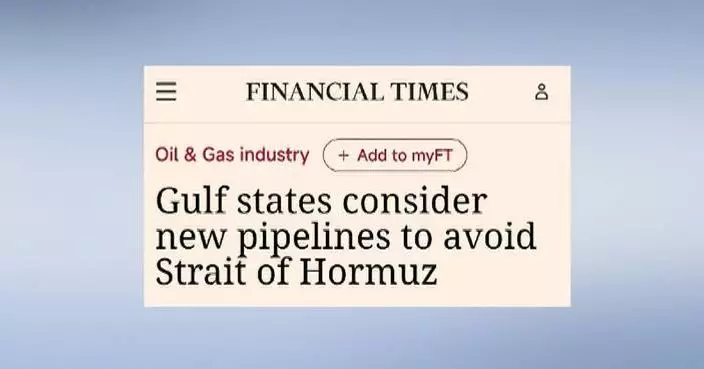
Israel and the United States launched joint attacks on Tehran and several other Iranian cities on Feb. 28, killing Iran's then Supreme Leader Ali Khamenei, along with senior military commanders and civilians. Iran responded with waves of missile and drone strikes against Israel and U.S. assets in the Middle East, while tightening control over the Strait of Hormuz by restricting passage to vessels belonging to or affiliated with Israel and the United States.
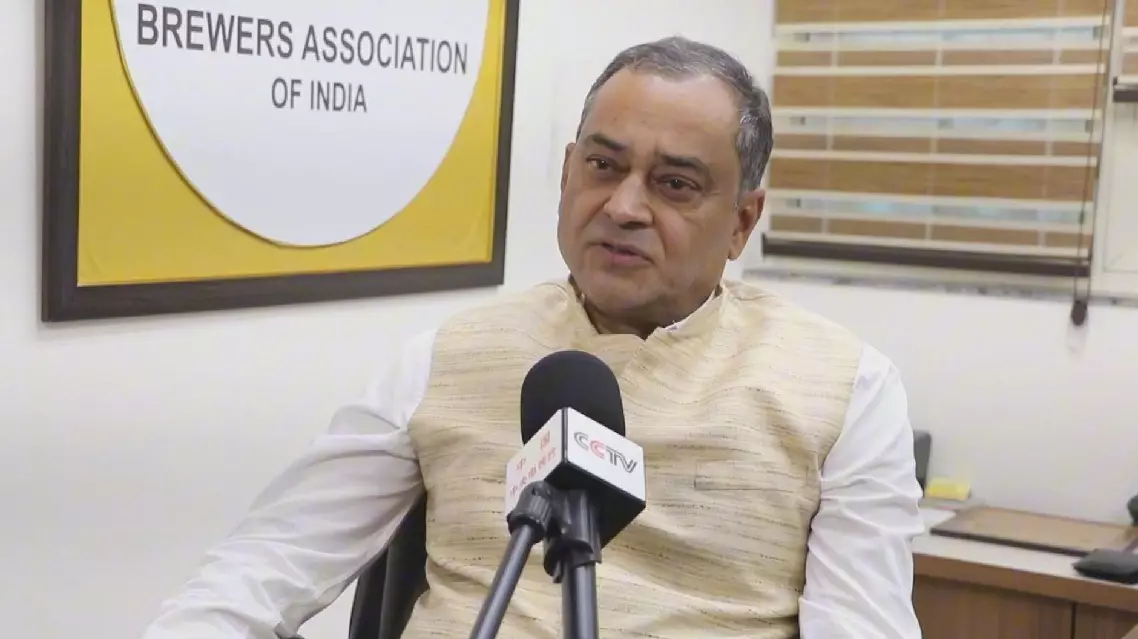
Spillover effects of Middle East conflict threaten manufacturing industry in India