Hong Kong's stock market ended lower Tuesday with the benchmark Hang Seng Index down 0.11 percent to close at 25,774.14 points.
The Hang Seng China Enterprises Index fell 0.29 percent to end at 8,913.83 points, and the Hang Seng Tech Index shed 0.69 percent to 5,488.89 points.
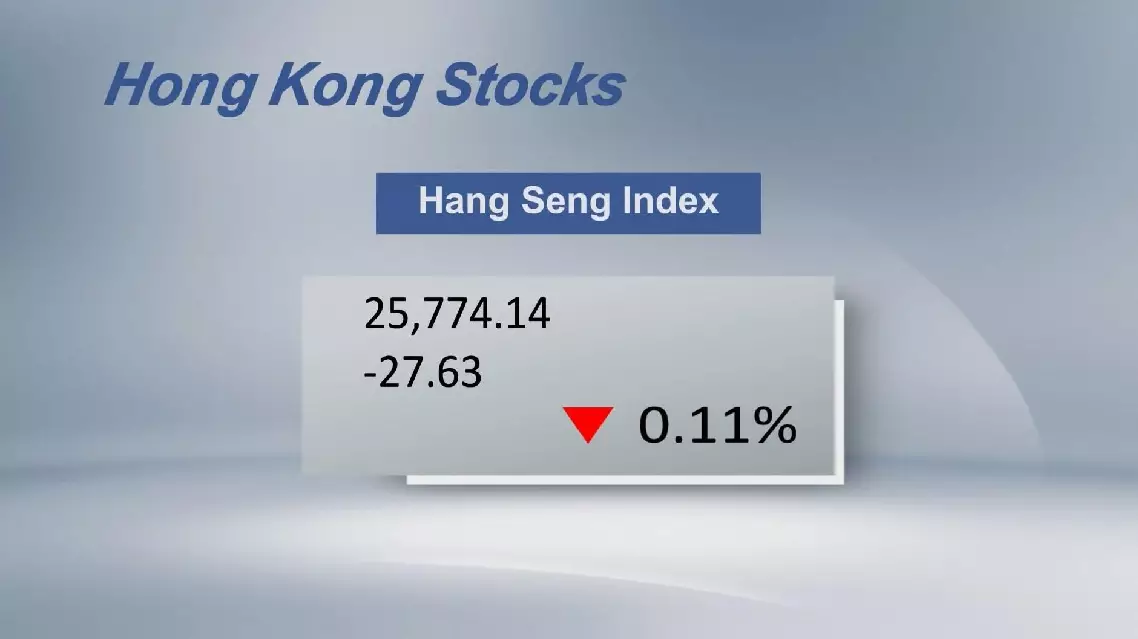
Hong Kong stocks close lower
The ongoing conflict in the Middle East is seeing UK insurance firms hike up premiums for seaborne traders and shipping companies as a cloud of uncertainty hangs over the region amid the escalating crisis.
While the U.S.-Israel-Iran conflict continues, much attention is focusing on the severe disruption to shipping through the Strait of Hormuz -- a vital passageway which typically carries around one-quarter of global seaborne oil trade.
The economic implications of the war are already being seen in the City of London, the financial hub of the British capital and one of the world's foremost insurance centers, which is also an important trading place for global shipping, energy and war risk insurance.
Everyday, brokers and underwriters from all over the world gather in the financial district which is known simply as 'The City' to assess risks and negotiate premiums.
The London insurance market is often the first to feel the impact of any geopolitical turmoil in the Middle East, as war risk premiums for ships tend to rise rapidly whenever tensions escalate, particularly when shipping risks in the Strait of Hormuz increase to their current levels.
It can be a snowball effect, as these steeper insurance prices will eventually be passed on to other areas of the shipping sector, energy transportation, and even in global trade costs.
Before the United States and Israel launched their joint military operations against Iran on Feb. 28, the general quotations of shipping insurance brokers on the London market were approximately valued at between 0.2 percent to 0.3 percent, which meant the war risk premium for a single passage through the Strait of Hormuz for a container ship worth 150 million U.S. dollars was approximately 375,000 to 450,000 U.S. dollars.
However, since the escalation, insurance premiums for related vessels have skyrocketed, while shipping prices have also soared sharply, hampering shipping operations for vessels which may already be reluctant to travel through the war-torn waterway.
Industry insiders say that while prices will fluctuate depending on individual cases, these insurance hikes may be seen as a barometer of the bigger picture impact of the conflict.
"How much depends on the vessel, it depends on the circumstances. But you can see prices in the press have been given between one and three percent, but it will vary. It's possible, you heard that, and it may be true in some cases. But insurance is only one small part of their operating expenses (opex), so they'll be factoring in the freight rates, which have gone up by a factor of 11 or 12, and obviously, fuel costs and delay," said Neil Roberts, head of Marine and Aviation at the Lloyd's Market Association, a leading insurance and reinsurance firm.
The current crisis along the Strait of Hormuz came as part of Iran's response to U.S.-Israeli operations, which saw it restricting navigation through the strait and targeting any vessels associated with the U.S. or Israel.
As the war drags on, Iran has been leveraging its grip on the Strait of Hormuz, reducing shipping traffic through one of the world's most crucial waterways to historical lows as concerns about the wider global economic impact continue to mount.
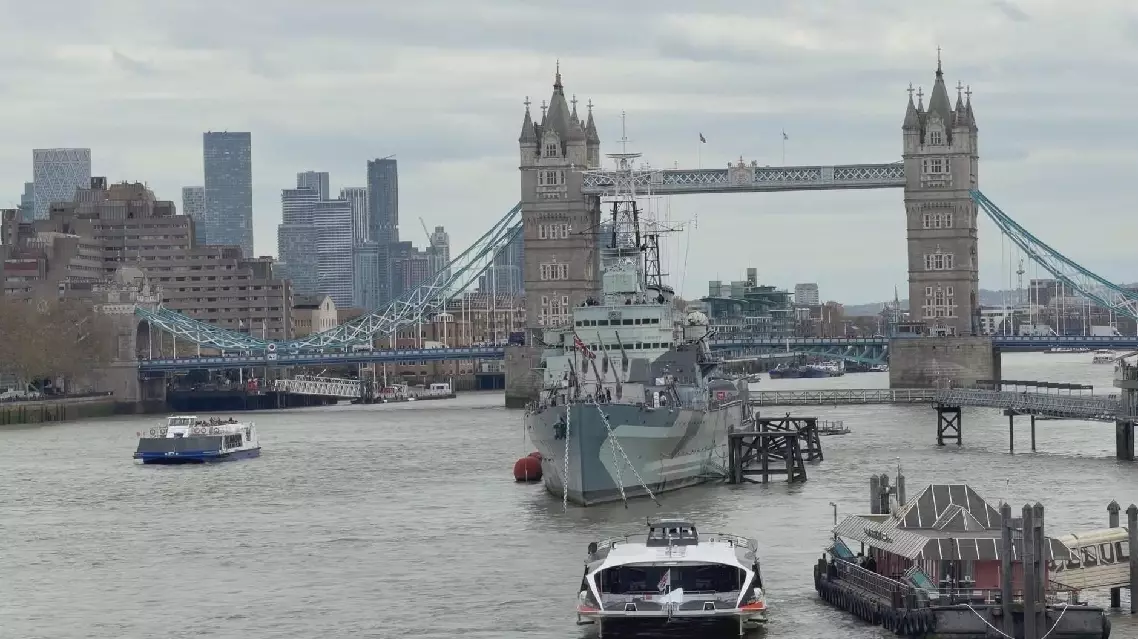
London insurance market sees surging shipping costs amid Mideast tensions