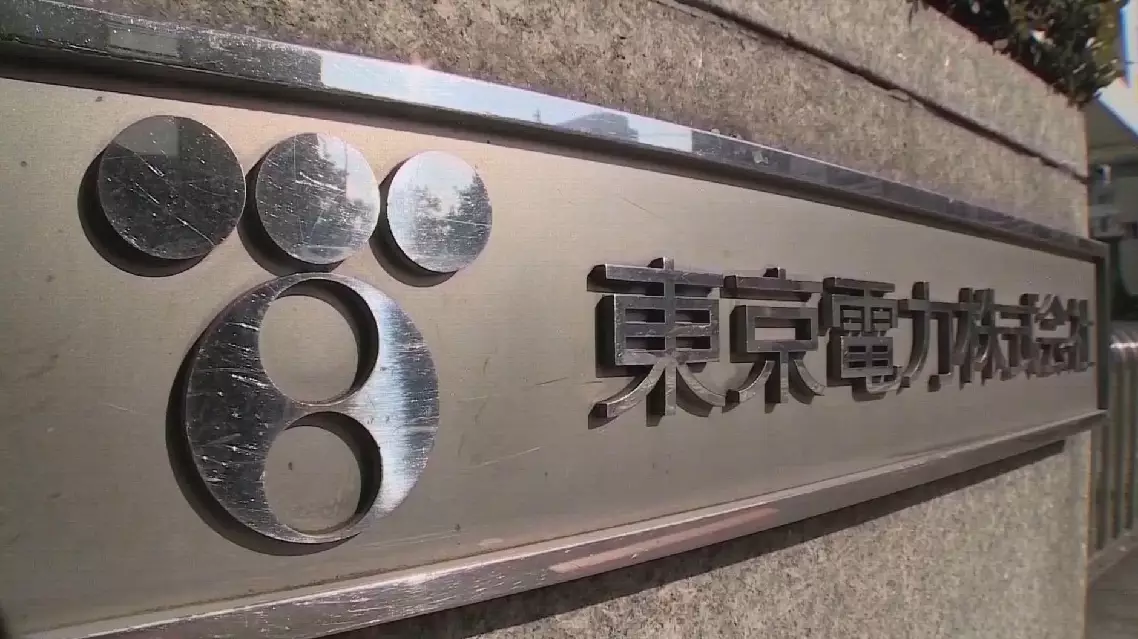
The 17th round of ocean discharge of nuclear-contaminated wastewater from the crippled Fukushima Daiichi Nuclear Power Plant in Japan was completed on Monday, Tokyo Electric Power Company (TEPCO) said.
Despite concerns and opposition from the international community, Japan unilaterally launched the discharge of nuclear-contaminated water from the plant into the ocean in August 2023. As of the completion of the 17th round, the cumulative volume discharged has reached about 133,000 tons.
The latest discharge began on Dec. 4. The operation was temporarily suspended after a powerful earthquake struck off Aomori Prefecture on Dec. 8, and was resumed on Dec. 9. A total of 7,833 tons of wastewater had been released in this round, containing approximately 2.4 trillion becquerels of radioactive tritium, according to TEPCO.
TEPCO's data showed that in fiscal 2025, running from April 2025 to March 2026, the company plans to carry out seven rounds of discharge, with a total volume of about 54,600 tons.
Fukushima nuclear-contaminated water discharge tops 130,000 tons
Venezuelans have strongly slammed the United States for imposing a "complete maritime blockade" on tankers transporting Venezuelan energy. Venezuelan President Nicolas Maduro has sent a message to the United Nations and heads of state of countries in the Latin American and Caribbean region, condemning the U.S. for escalating extremely serious aggressions that not only affect Venezuela but also threaten the stability of the entire region and the international system as a whole.
In the letter, Maduro warned that these attacks will impact "the supply of oil and energy, increase instability in international markets, and damage the economies of Latin America, the Caribbean, and the world." The Venezuelan president called for unity among all parties to confront the U.S. military threats and acts of piracy, condemning the U.S. for violating international law and infringing on human rights.
Venezuelan Foreign Minister Yvan Gil read the letter on state television from the Venezuelan foreign ministry headquarters on Monday. The letter stated that condoning such unilateral actions by the United States would undermine regional stability and global energy security.
As scheduled, the UN Security Council will hold an emergency meeting on the situation in Venezuela on Tuesday.
"The entire world is aware that Venezuela possesses oil reserves, and the United States covets our resources," said a citizen in Caracas.
"This constitutes a form of colonialism that seeks to impose its own standards on other countries and exert control over neighboring nations. It represents a new variant of the Monroe Doctrine," said another citizen in Caracas.
Last week, U.S. President Donald Trump ordered a "full and total blockade" of all sanctioned tankers entering or leaving Venezuela, declaring Maduro's government a U.S.-designated foreign terrorist organization.
The Pentagon has deployed around a dozen warships, including the USS Gerald R. Ford, a major aircraft carrier, and about 15,000 troops to the Caribbean Sea, which shares a significant amount of coastline with Venezuela. The region has not seen such a massive U.S. military presence for at least three decades.
Venezuela has repeatedly accused Washington of seeking regime change and military expansion in Latin America, condemning the U.S. navy's interception of oil tankers as "piracy."
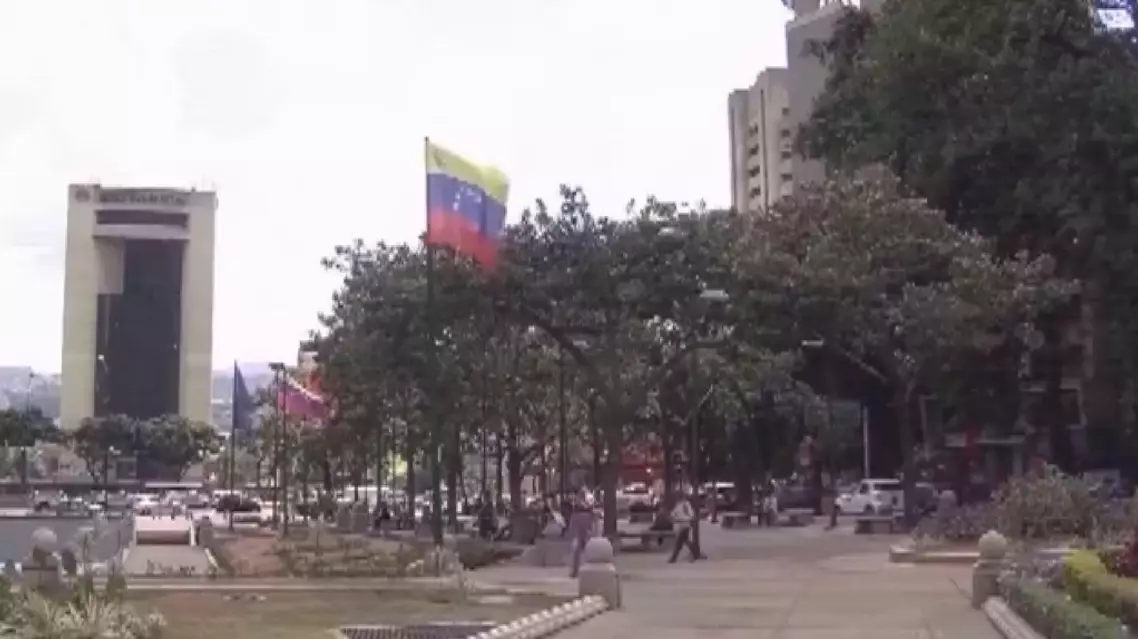
Venezuelans condemn U.S. piracy actions, call for solidarity