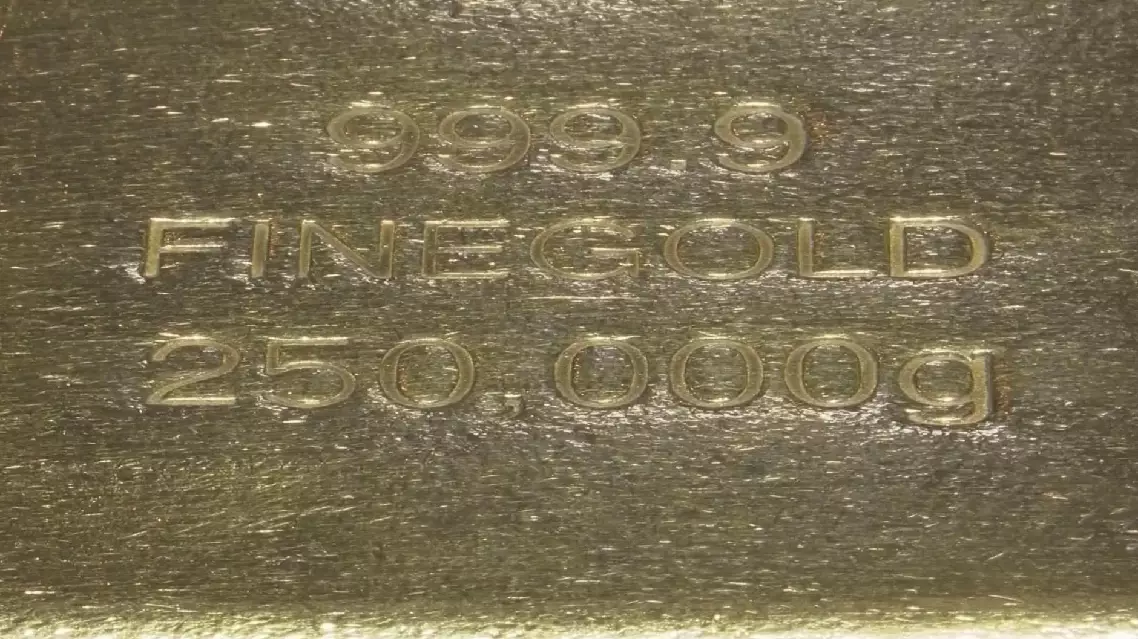
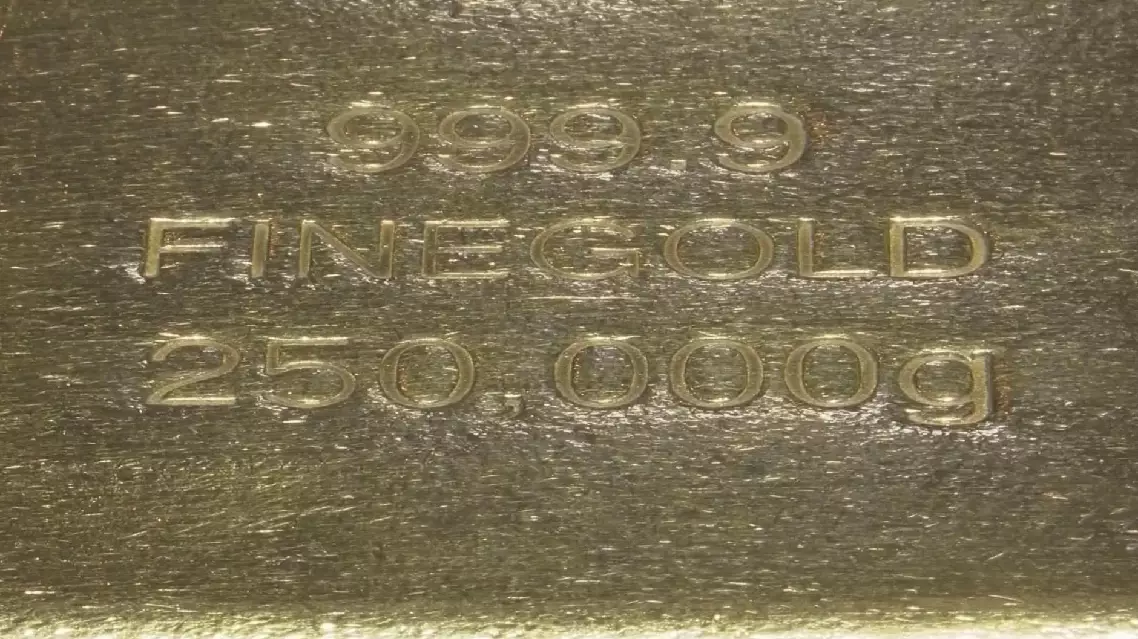
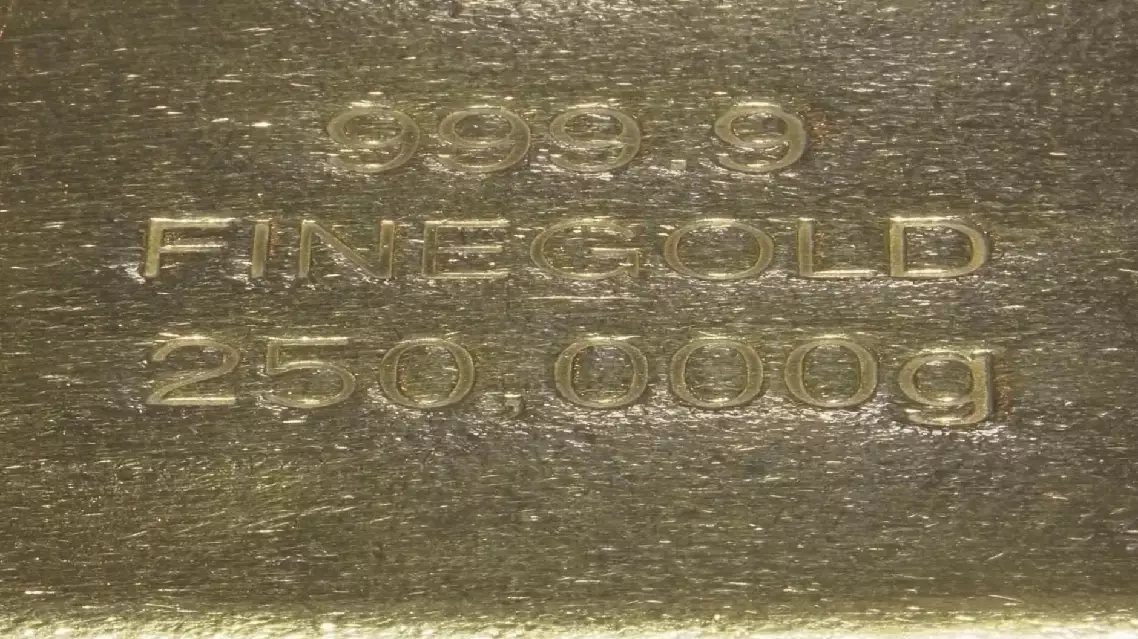
International gold prices surged to fresh record highs on Wednesday driven by escalating geopolitical tensions, tight market supply and demand, and rising safe-haven demand.
Since the beginning of this year, global gold prices have climbed more than 70 percent.
On Wednesday, the most actively traded gold futures contract for February 2026 on the New York Mercantile Exchange rose 46.3 U.S. dollars to settle at 4,505.7 dollars per ounce.
Meanwhile, spot gold prices in London also passed the 4,500-U.S.-dollar-per-ounce mark.
Analysts said heightened geopolitical pressure stemming from tensions between the United States and Venezuela, coupled with a sustained decline in the U.S. dollar index, has provided some support to prices of dollar-denominated precious metals futures.
Data show that the U.S. dollar index has fallen nearly 10 percent so far this year and may be headed for its worst annual performance since 2003.
Gold prices hit record highs amid geopolitical tensions

China's central government will continue to actively support cross-Strait industrial cooperation in the next 5 years, Peng Qing'en, spokesman of the State Council Taiwan Affairs Office, said at a press conference in Beijing on Wednesday. He also said the central government will assist businesses from China's Taiwan region in seizing opportunities during the 15th Five-Year Plan period (2026-2030).
Peng made the remarks when talking about the annual conference of the Cross-Strait CEO Summit held last week in Nanjing, east China's Jiangsu Province, during which businesses from both sides of the Taiwan Strait discusses opportunities during the 15th Five-Year Plan period and the integrated development of cross-Strait industrial and supply chains, and agreed that the implementation of the new five-year plan will open up a broader space for cross-Strait economic cooperation.
"This annual conference of the summit was a grand gathering for cross-Strait business exchanges and cooperation as the mainland is about to enter the first year of the 15th Five-Year Plan period. It's of great significance for businesspeople and companies from Taiwan to seize the opportunities brought about by the formulation and implementation of the 15th Five-Year Plan, accelerate their integration into the new development paradigm, participate in high-quality development, and deepen the integrated development of cross-Strait industrial and supply chains," Peng said.
"A hot issue in discussions among entrepreneurs across the Strait during the annual conference was how to seize the opportunities presented by the 15th Five-Year Plan and join hands to develop. They shared their outlook for development opportunities contained in the 15th Five-Year Plan from different perspectives in different fields, and discussed in depth new paths for cross-Strait economic cooperation through the synergy of industrial, supply, innovation and value chains. Participants said they have deepened their understanding of the industry layout and development priorities through exchanges, and will accurately align needs and optimize industry models in future cooperation to create conditions for integration across these chains," said Peng.
"We will, as always, actively support cross-Strait industrial cooperation, continuously improve the systems and policies for promoting cross-Strait economic and cultural exchanges and cooperation, deepen cross-Strait integrated development, assist businesspeople and companies from Taiwan in seizing opportunities of the 15th Five-Year Plan and help them achieve better development on the mainland," he said.
Central government continues supporting cross-Strait industrial cooperation