Tokyo Electric Power Company (TEPCO) of Japan will reactivate the No. 6 reactor of its Kashiwazaki-Kariwa Nuclear Power Plant on January 20, 2026, said its president Tomoaki Kobayakawa on Wednesday.
It will be the first nuclear reactor owned by TEPCO to restart after the Fukushima Daiichi Nuclear Power Plant accident in 2011. On Wednesday, TEPCO submitted an application to Japan's Nuclear Regulation Authority for the pre-service confirmation of the No. 6 reactor, which is the last step for equipment examination before use.
Located in Niigata Prefecture, the Kashiwazaki-Kariwa plant is Japan's largest nuclear power plant, with an installed capacity of 8.212 million kilowatts.
The power plant, closed in 2012, was among 54 reactors shut following the Fukushima Daiichi accident.
Hit by a 9.0-magnitude earthquake and an ensuing tsunami on March 11, 2011, the Fukushima nuclear plant suffered core meltdowns that released radiation, resulting in a level-7 nuclear accident, the highest on the International Nuclear and Radiological Event Scale.
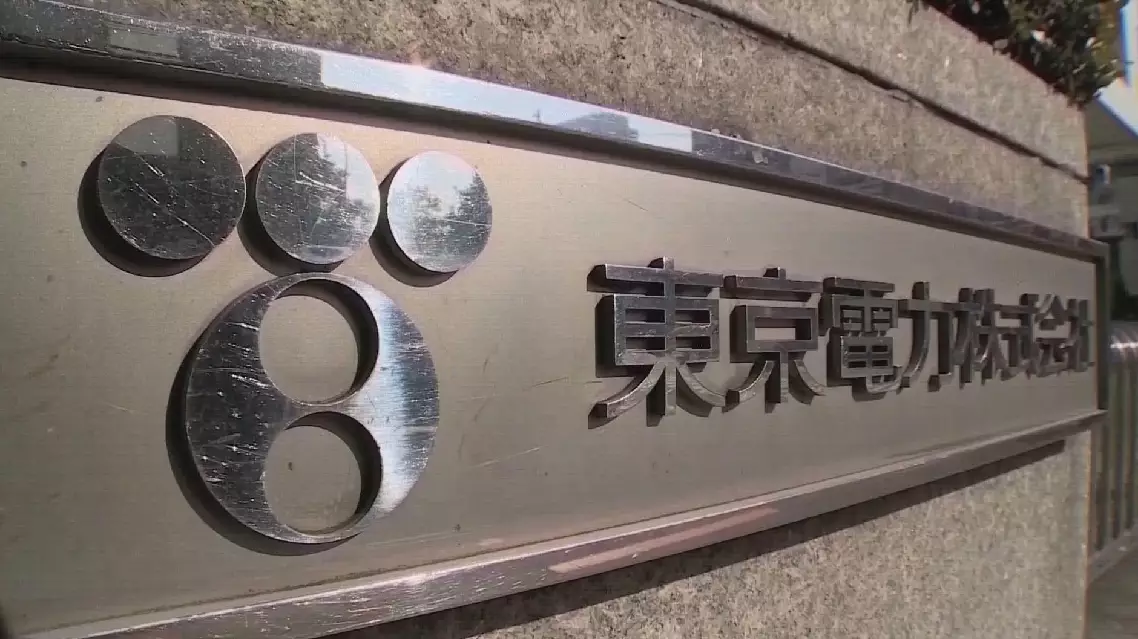
TEPCO to restart Kashiwazaki-Kariwa Nuclear Power Plant in 2026
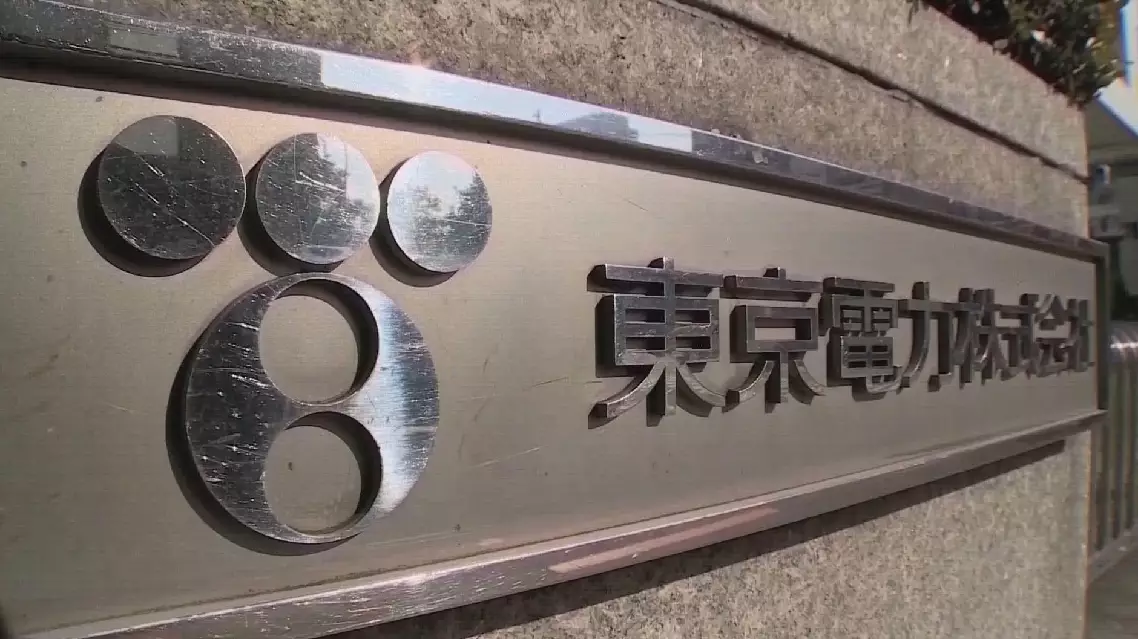
TEPCO to restart Kashiwazaki-Kariwa Nuclear Power Plant in 2026
China has issued a trial guideline on the ethics review and service of artificial intelligence (AI) technology, the Ministry of Industry and Information Technology said on Friday.
The guideline, jointly issued by 10 government departments, including the ministry, calls for efforts to support technological innovation in AI ethics review and to strengthen the use of technical measures to prevent AI-related ethical risks.
The guideline clarifies that the review should focus on human well-being, fairness and justice, and controllability and trustworthiness.
It also details issues that should be addressed in the review, such as the selection criteria for training data, the rationality of the algorithm, model and system design, and measures to prevent bias, discrimination and algorithmic exploitation.
The guideline also calls for promoting the orderly open-sourcing of high-quality datasets for AI ethics review, strengthening the development of general risk management, assessment and auditing tools, and exploring risk assessment based on application scenarios.
It also encourages the promotion of AI products and services that comply with scientific and technological ethics, and the protection of intellectual property rights in AI ethics review technologies.

China issues guideline for AI ethics governance