HKSAR Government expresses dissatisfaction with and opposition to unfounded comments by individual so-called human rights experts on Lai Chee-ying case
The Hong Kong Special Administrative Region (HKSAR) Government today (December 24) expressed dissatisfaction with and opposition to the unfounded comments by individual so-called human rights experts after the court of the HKSAR convicted Lai Chee-ying of offences of endangering national security in strict accordance with the law and evidence.
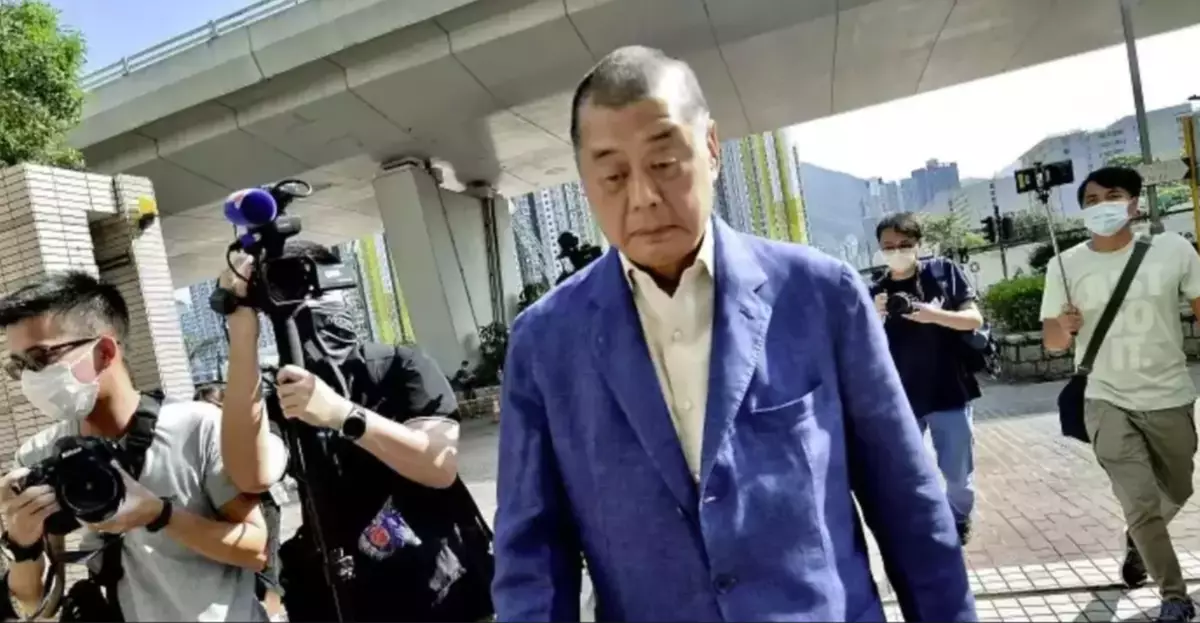
Lai Chee-ying, Photo source: Sing Tao Daily
A spokesperson for the HKSAR Government pointed out, "The HKSAR Government noted that individual so-called human rights experts have entirely no respect for the HKSAR court's independent judgment of the case, which had been made on the basis of facts and evidence. They also refused to acknowledge the evidence set out in the reasons for verdict, and refused to understand the court's considerations and the reasons for verdict. Instead, they wantonly launched attacks, slandered and attacked the HKSAR Government, with despicable political manipulations to demand the immediate release of Lai Chee-ying, overriding the rule of law with politics and confounding right and wrong. Their despicable intent to interfere with the court's sentencing has been seen through by all. The HKSAR Government has to refute resolutely to set the record straight."
Court's conviction verdict was entirely free from any political considerations
"The court's reasons for verdict in this case are 855 pages long, which are fully open for public inspection, and include the court's analysis of the relevant legal principles and evidence, as well as the reasons for convicting Lai Chee-ying and the three defendant companies in full detail. The court clearly pointed out in the reasons for verdict that Lai Chee-ying was not on trial for his political views or beliefs. The court's conviction verdict is well-founded and reasoned, fully demonstrating that the court has made its decision on the case strictly in accordance with the law and evidence, free from any interference, and absolutely free of any political considerations."
The spokesperson stressed, "Hong Kong is a society underpinned by the rule of law and has always adhered to the principle that laws must be obeyed and lawbreakers be held accountable. Article 5 of the Hong Kong National Security Law (HKNSL) and section 2 of the Safeguarding National Security Ordinance (SNSO) clearly stipulate that the principle of the rule of law shall be adhered to in preventing, suppressing and imposing punishment for offences endangering national security. Any suggestion that certain individuals or organisations should be immune from legal consequences for their illegal acts is no different from advocating a special privilege to break the law, and this totally runs contrary to the spirit of the rule of law."
The Lai Chee-ying case has nothing to do with freedom of speech and of the press at all
The spokesman pointed out, "These so-called human rights experts have conflated the criminal acts in this case with freedom of speech and of the press, with the purpose of misleading the public and defaming the HKSAR. In fact, the Lai Chee-ying case has nothing to do with freedom of speech and of the press at all. Over the years, the defendants were using journalism as a guise to commit acts that brought harm to our country and Hong Kong.
"The public trial of this case revealed Lai Chee-ying's close management and hands-on control of the editorial direction of Apple Daily. Lai Chee-ying had repeatedly and personally colluded with foreign forces, begging for sanctions and hostile actions against the Central Authorities and the HKSAR Government. The court clearly pointed out that Lai Chee-ying's only intent, whether pre or post HKNSL, was to seek the downfall of the Communist Party of China, even though the ultimate cost was the sacrifice of the interests of the people of the People's Republic of China and the HKSAR.
"Anyone who vilify the rule of law and human rights situation in the HKSAR using this case is fact-twisting and has no integrity at all. We have to emphasise that the HKNSL and the SNSO clearly stipulate that human rights shall be respected and protected in safeguarding national security. The rights and freedoms, including the freedoms of the press, of speech and of publication, enjoyed by Hong Kong people under the Basic Law and the provisions of the International Covenant on Civil and Political Rights (ICCPR) and the International Covenant on Economic, Social and Cultural Rights as applied to the HKSAR, are protected in accordance with the law. However, like all other places in the world, journalists, like everyone else, have an obligation to abide by all the laws. According to the principles established by Article 19 of the ICCPR, the European Convention on Human Rights and relevant jurisprudence, when the media and journalists publish opinions, information and articles, they must observe and discharge 'special duties and responsibilities', including the protection of national security and public order; journalists must, in accordance with the tenets of 'responsible journalism', act in good faith on an accurate factual basis and provide reliable and precise information, so as to be entitled to the protection of freedom of speech and press freedom."
The spokesman reiterated, "The HKSAR Government will continue to resolutely, fully and faithfully implement the HKNSL, the SNSO and other relevant laws safeguarding national security in the HKSAR, to effectively prevent, suppress and impose punishment for acts and activities endangering national security in accordance with the law, whilst upholding the rights and freedoms of Hong Kong residents in accordance with the law, so as to ensure the steadfast and successful implementation of the principle of 'one country, two systems'. The HKSAR Government urges the relevant so-called human rights experts to understand the facts clearly and stop making any unfounded criticisms."
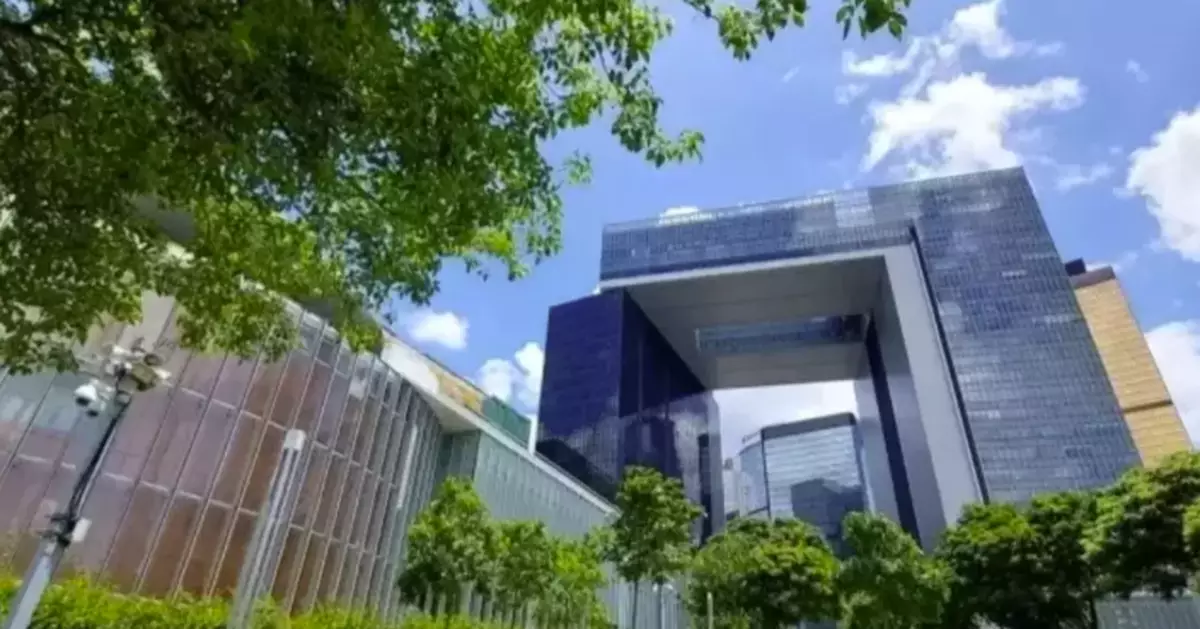
The Central Government Offices, Photo source: reference image
FEHD releases fourth batch of gravidtrap indexes for Aedes albopictus in May
The Food and Environmental Hygiene Department (FEHD) today (May 21) released the fourth batch of gravidtrap indexes and density indexes for Aedes albopictus in May, covering 12 survey areas, as follows:
District |
Survey Area |
May 2026 |
First Phase Gravidtrap Index |
First Phase Density Index |
Eastern |
Shau Kei Wan and Sai Wan Ho |
9.1% |
1.4 |
Islands |
Tung Chung |
2.0% |
1.0 |
Kowloon City |
Hung Hom and To Kwa Wan |
6.7% |
1.5 |
Tai Po |
Tai Po East |
2.2% |
2.0 |
Tai Po West |
15.5% |
1.0 |
Tuen Mun |
Tuen Mun South |
9.1% |
1.4 |
District |
Survey Area |
May 2026 |
Area Gravidtrap Index |
Area Density Index |
Central and Western |
Kennedy Town and Shek Tong Tsui |
16.8% |
1.3 |
Eastern |
Chai Wan |
15.4% |
1.0 |
North Point and Quarry Bay |
18.9% |
1.4 |
Southern |
Aberdeen and Ap Lei Chau |
20.8% |
1.7 |
Sha Tin |
Sha Tin Town Centre and Fo Tan |
18.3% |
1.4 |
Tsuen Wan |
Tsuen Wan Town |
6.9% |
2.3 |
The fourth batch of gravidtrap indexes for Aedes albopictus in May includes First Phase Gravidtrap Indexes covering six survey areas and Area Gravidtrap Indexes covering six survey areas. Among which, six survey areas recorded gravidtrap indexes above 10 per cent, while Aberdeen and Ap Lei Chau in Southern District recorded a gravidtrap index above 20 per cent. Meanwhile, the gravidtrap indexes of six survey areas, namely Kennedy Town and Shek Tong Tsui in Central and Western District; North Point and Quarry Bay in Eastern District; Shau Kei Wan and Sai Wan Ho in Eastern District; Aberdeen and Ap Lei Chau in Southern District; Tai Po East in Tai Po District; and Tuen Mun South in Tuen Mun District, have recorded a decrease as compared to the indexes recorded in the last survey period, reflecting the progress of relevant mosquito control work.
With reference to the data from the past few years, the gravidtrap indexes start to rise from April or May every year. The actual timing and extent of the rise are affected by factors like weather conditions and rainfall. The average temperature and rainfall recorded in April this year were higher than those in the same period last year, creating favourable conditions for mosquito growth and breeding. As a result, the rise in gravidtrap indexes occurred earlier this year. With the increase in rainfall in May, the gravidtrap indexes are expected to rise further.
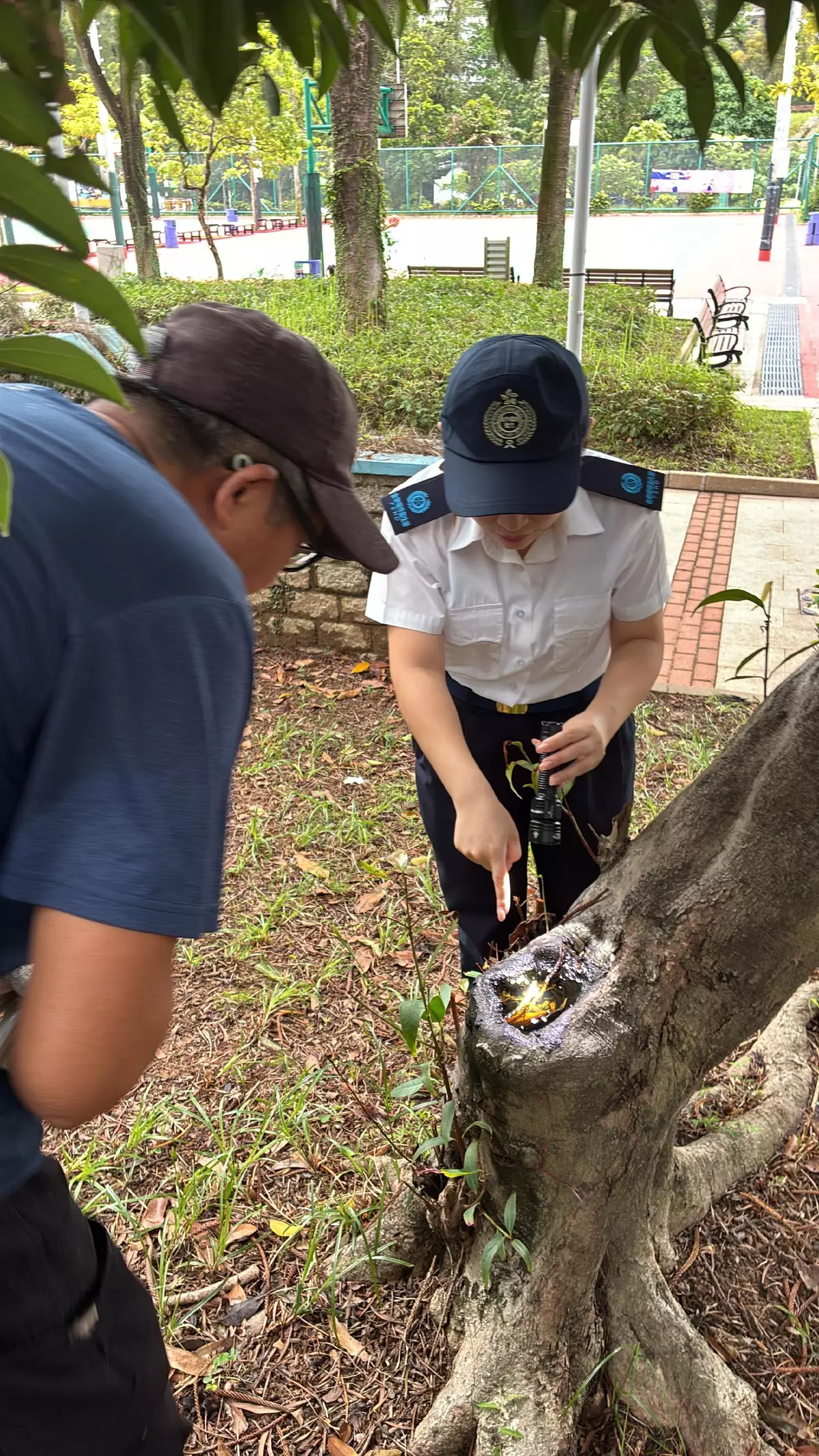
For survey areas which recorded indexes exceeding 10 per cent, in accordance with the mechanism implemented by the FEHD in response to the chikungunya fever (CF) situation (i.e. strengthening mosquito control work in areas with a gravidtrap index between 10 per cent and 20 per cent, instead of 20 per cent or above under the original mechanism), the FEHD is collaborating with relevant departments and stakeholders to identify locations with high mosquito infestations and carry out intensive and targeted mosquito control measures. The FEHD has initiated two prosecutions against the relevant construction site contractors following the discovery of mosquito breeding at construction sites in Tai Po District and Southern District. Moreover, following the discovery of stagnant water or stagnant water containers in a park, a construction site, a private housing estate, a clinic and a private premises in Tai Po District, Central and Western District, as well as Southern District, the FEHD has issued five statutory notices to the responsible persons-in-charge, requiring the clearance of such items within a specified timeframe. The FEHD, the relevant departments and stakeholders are following up on the mosquito control work, and will also organise exhibitions, distribute leaflets and posters, and notify residential estates that have subscribed to the gravidtrap Rapid Alert System, advising property management agents and residents to stay vigilant and work together in taking mosquito prevention and elimination measures. In addition, the FEHD will strengthen the monitoring of the gravidtrap index in the areas to review the effectiveness of the mosquito control work.
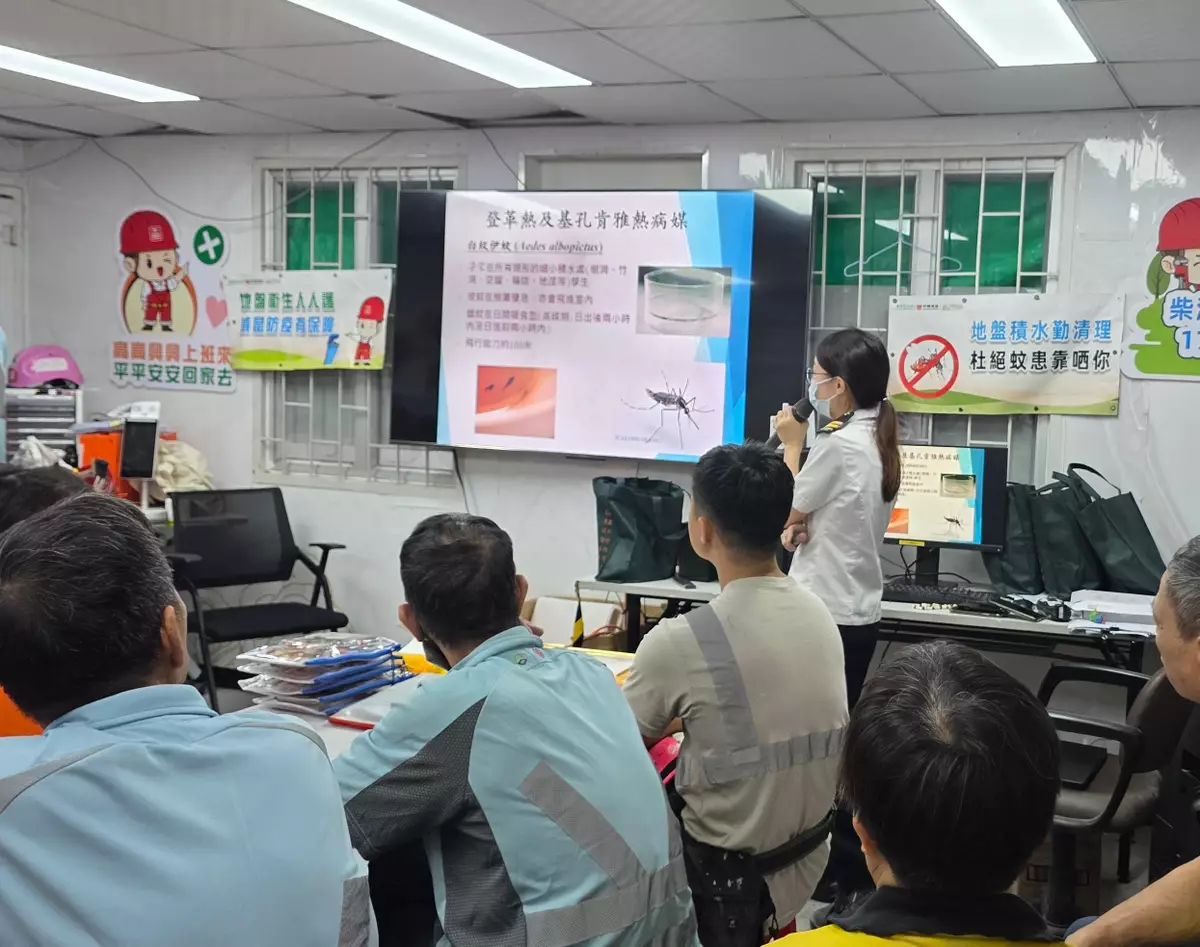
Public participation is crucial to the effective control of mosquito problems. The FEHD appeals to members of the public to continue to work together in strengthening personal mosquito control measures, including:
tidy up their premises and check for any accumulation of water inside the premises;
remove all unnecessary water collections and eliminate the sources;
check household items (those placed in outdoor and open areas in particular), such as refuse containers, vases, air conditioner drip trays, and laundry racks to prevent stagnant water;
change water in flower vases and scrub their inner surfaces thoroughly, and remove water in saucers under potted plants at least once a week;
properly cover all containers that hold water to prevent mosquitoes from accessing the water;
properly dispose of articles that can contain water, such as disposable meal boxes and empty cans; and
scrub drains and surface sewers with alkaline detergent at least once a week to remove any mosquito eggs.
Starting in August 2025, following the completion of the surveillance of individual survey areas, and once the latest gravidtrap index and the density index are available, the FEHD has been disseminating relevant information through press releases, its website and social media. It aims to allow members of the public to quickly grasp the mosquito infestation situation and strengthen mosquito control efforts, thereby reducing the risk of CF transmission.
Following recommendations from the World Health Organization and taking into account the local situation in Hong Kong, the FEHD sets up gravidtraps in districts where mosquito-borne diseases have been recorded in the past, as well as in densely populated places such as housing estates, hospitals and schools to monitor the breeding and distribution of Aedes albopictus mosquitoes, which can transmit CF and dengue fever. At present, the FEHD has set up gravidtraps in 62 survey areas of the community, with a surveillance period of two weeks. During the surveillance period, the FEHD will collect the gravidtraps once a week. After the first week of surveillance, the FEHD will immediately examine the glue boards inside the retrieved gravidtraps for the presence of adult Aedine mosquitoes to compile the Gravidtrap Index (First Phase) and Density Index (First Phase). At the end of the second week of surveillance, the FEHD will instantly check the glue boards for the presence of adult Aedine mosquitoes. Data from the two weeks of surveillance will be combined to obtain the Area Gravidtrap Index and the Area Density Index. The gravidtrap and density indexes for Aedes albopictus in different survey areas, as well as information on mosquito prevention and control measures, are available on the department's webpage (www.fehd.gov.hk/english/pestcontrol/dengue_fever/Dengue_Fever_Gravidtrap_Index_Update.html#).
FEHD releases fourth batch of gravidtrap indexes for Aedes albopictus in May Source: HKSAR Government Press Releases
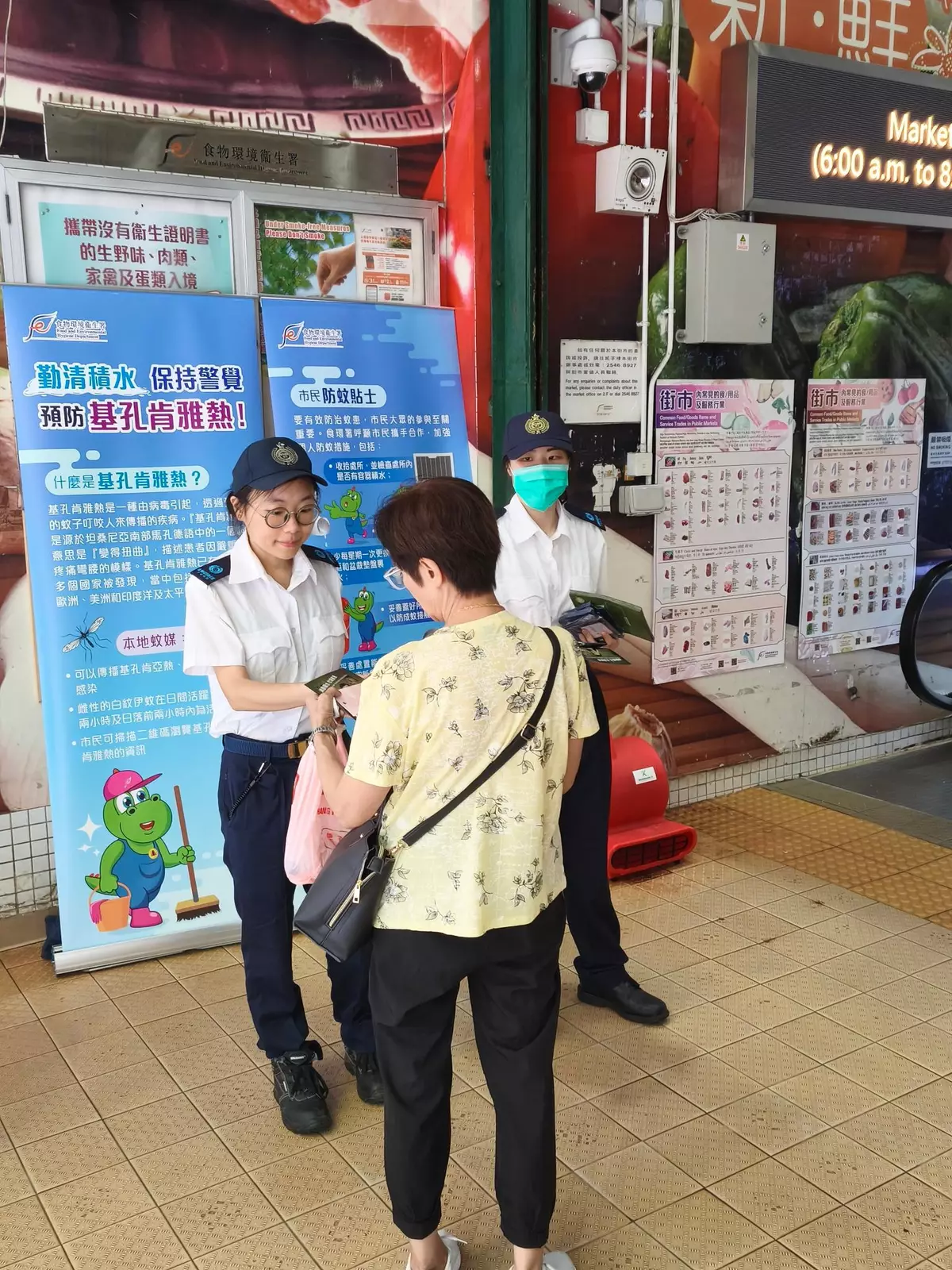
FEHD releases fourth batch of gravidtrap indexes for Aedes albopictus in May Source: HKSAR Government Press Releases
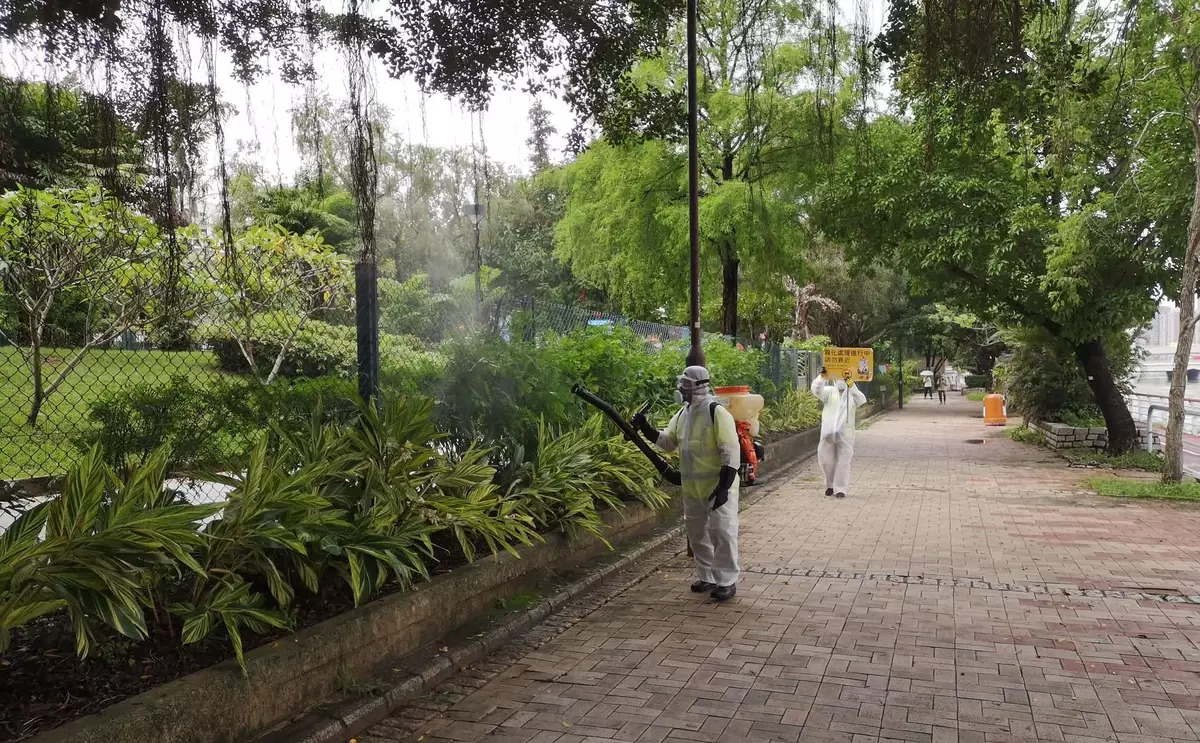
FEHD releases fourth batch of gravidtrap indexes for Aedes albopictus in May Source: HKSAR Government Press Releases
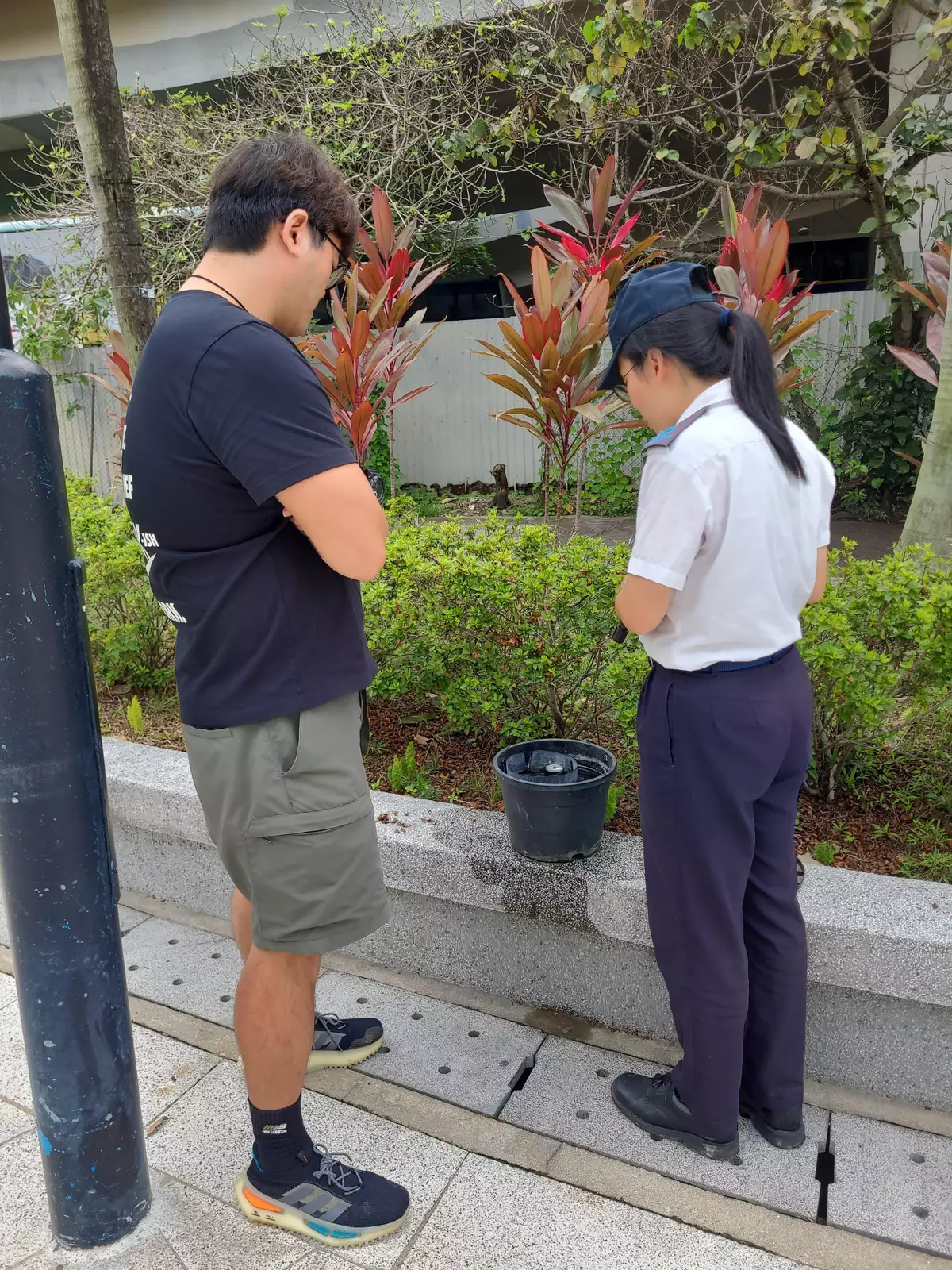
FEHD releases fourth batch of gravidtrap indexes for Aedes albopictus in May Source: HKSAR Government Press Releases
FEHD releases fourth batch of gravidtrap indexes for Aedes albopictus in May Source: HKSAR Government Press Releases