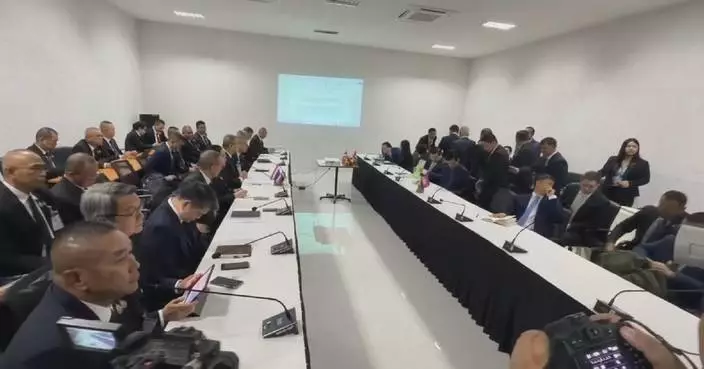
The People's Bank of China (PBOC), China's central bank, said that it will maintain ample liquidity to ensure that the growth of aggregate financing for the real economy and the supply of money align with economic growth and price targets.
This will also help lower the overall financing costs for the real economy, according to a PBOC statement released on Wednesday following the central bank's monetary policy committee's fourth quarterly meeting, which outlined the key directions for future monetary policy.
Efforts will be made to strengthen the guiding role of central bank policy rates, improve the market-oriented mechanism for interest rate formation and transmission, leverage the self-regulatory pricing mechanism for market interest rates, and enhance the implementation and supervision of interest rate policies, according to the meeting.
Work will also be done to strengthen the resilience of the foreign exchange market, stabilize market expectations, guard against the risk of exchange-rate overshooting, and keep the RMB exchange rate basically stable while being adaptive and maintaining equilibrium, the meeting said.
It noted that various structural monetary policy tools should be effectively implemented and that financial support should be enhanced to expand domestic demand, promote sci-tech innovation, and support small and medium-sized enterprises.
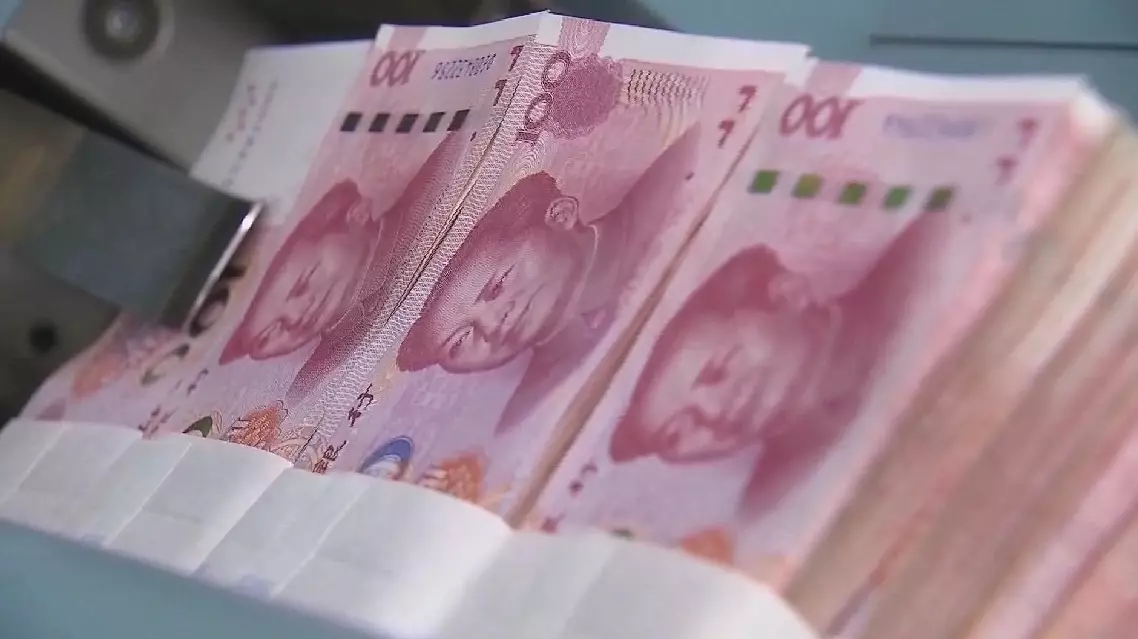
China's central bank will maintain ample liquidity that aligns with growth, price targets
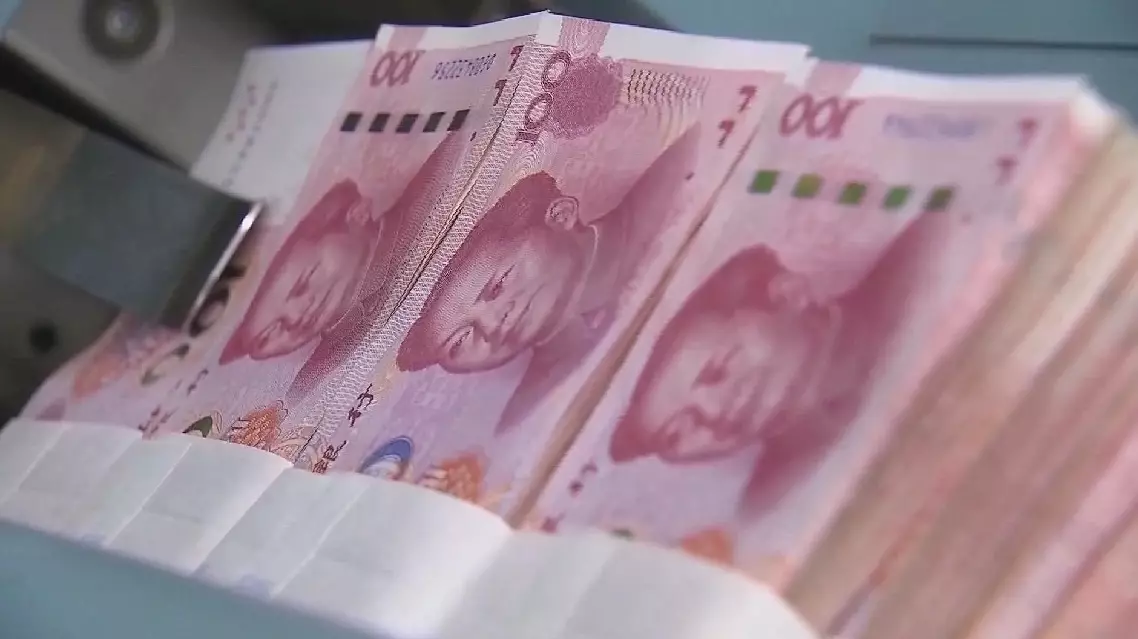
China's central bank will maintain ample liquidity that aligns with growth, price targets
Chinese researchers have successfully accelerated a ton-class test vehicle to 700 kilometers per hour within two seconds on a 400-meter magnetic levitation (maglev) track using a superconducting electromagnetic propulsion system, setting a new world record.
The currently world's fastest acceleration on such a platform was followed by a safe stop, according to the research team at National University of Defense Technology, who made the breakthrough after 10 years of efforts.
The breakthrough addressed several challenges in core technologies, including ultra-high-speed electromagnetic propulsion, electric levitation guidance, transient high-power energy storage inversion, and high-field superconducting magnets.
It makes China a global leader in developing ultra-high-speed maglev systems, offers the country a new option for the future development of vacuum tube maglev transportation, as well as new approaches and new means for aerospace-assisted launch and experimental testing.
The subsequent technological iterations and industrial applications of this achievement will inject new momentum into China's aviation, aerospace and rail transit industries.
"The success of our ultra-high-speed superconducting electric maglev system will speed up the development of China's ultra-high-speed maglev transportation. Next, our team will focus on ultra-high-speed tube maglev transportation, aviation and aerospace equipment testing, electromagnetic launch, and other cutting-edge areas while promoting closer collaboration among enterprises, universities, research institutes and end-users to contribute to independent innovation in defense technology," said Li Jie, a professor at the university.

China sets new record in superconducting maglev propulsion