Debate has intensified over whether Japanese Prime Minister Sanae Takaichi will visit the war-linked Yasukuni Shrine in Tokyo on Dec 26. CGTN Stringer spoke with South Korean citizens, who expressed concerns and disappointment over the possibility of a visit in the near future to the notorious place of worship honoring around 2.5 million Japanese war dead, including 14 Class-A war criminals convicted by the International Military Tribunal for the Far East.
"To be honest, I find this somewhat regrettable. Whether from a national perspective or a personal viewpoint, the acting of visiting the Yasukuni Shrine itself carries an excessive sanctification and mythologization of history. Therefore, I feel disappointed about this," said Park Yu-rae, an office worker in Seoul.
"The Japanese Prime Minister's visit to the Yasukuni Shrine has long been a source of concern for neighboring countries. Therefore, the Prime Minister's insistence on visiting this time is certainly not a positive signal. The potential negative effects are worrying. According to media reports, the Yasukuni Shrine displays materials that defend or justify Japan's imperial wars. This inevitably raises concerns about whether there is an attempt to reaffirm or revive Japanese militarism. I hope that as Japan's representative, the Prime Minister can pay more attention to the feelings of neighboring countries, and promote peace among South Korea, China and Japan with a more cautious approach," said Kim Jung-min, who is a company representative.
The interviewees said they believe such a move will surely affect the South Korea-Japan and China-Japan ties in a negative way.
"This action will undoubtedly reignite discussions on historical issues. At the same time, it may cause the diplomatic atmosphere to become tense to some extent. Although I do not believe this matter will determine everything, it could indeed become an obstacle that cannot be ignored," said a beauty consultant named Jang So-hyun.
"I take a cautious stance, believing that future relations may continue to develop in an unfavorable direction. Similar incidents keep occurring, causing relationships that once had potential to improve to gradually worsen like an infected wound, which I find very regrettable," said another Seoul-based office worker Heo Jae-hun.
"Especially South Korea and China, both of which have been victims of Japanese aggression in the past. Therefore, it is inevitable to remain highly sensitive to this issue. As an ordinary citizen, I am also quite concerned about this," Kim said.
"After all, this is a historical issue. Regarding history, we should acknowledge what needs to be acknowledged and face the mistakes openly. I believe we need more space, so that the younger generation can understand these issues from a new perspective. Statements like 'we will visit' or 'we do not acknowledge' are more likely to have negative consequences. I think it is essential to establish a communication channel that can truly resolve these issues," Park said.
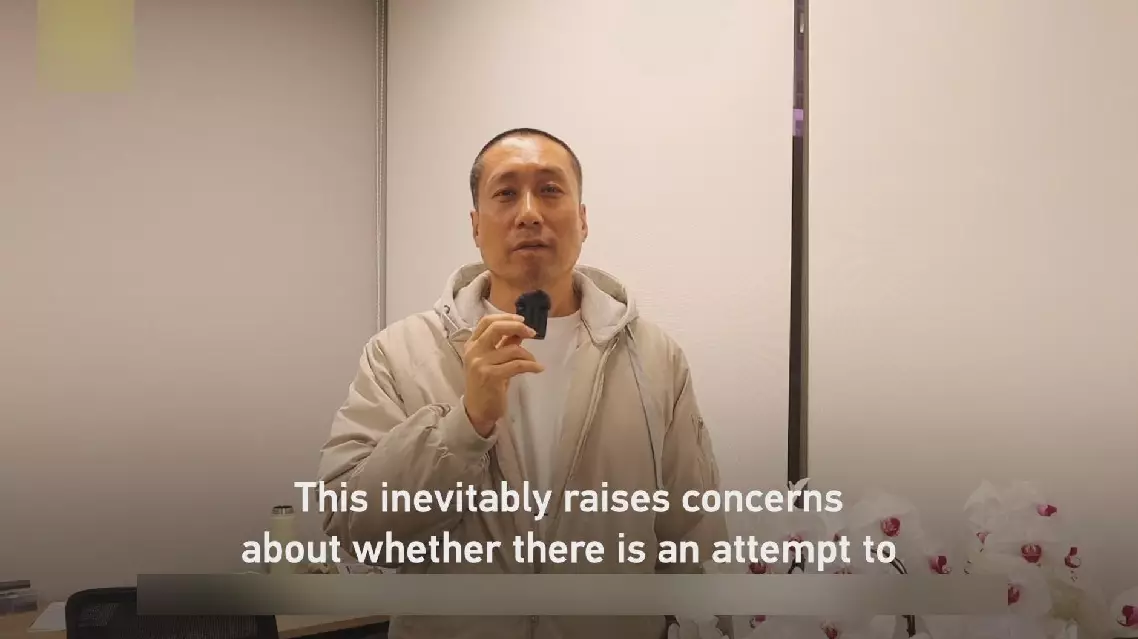
Takaichi's possible Yasukuni Shrine visit raises concerns in South Korea