Skip to Content Facebook Feature Image

China's Chengdu launches low-altitude blood transport service

China

China

China

China's Chengdu launches low-altitude blood transport service

2025-12-26 17:14 Last Updated At:21:07

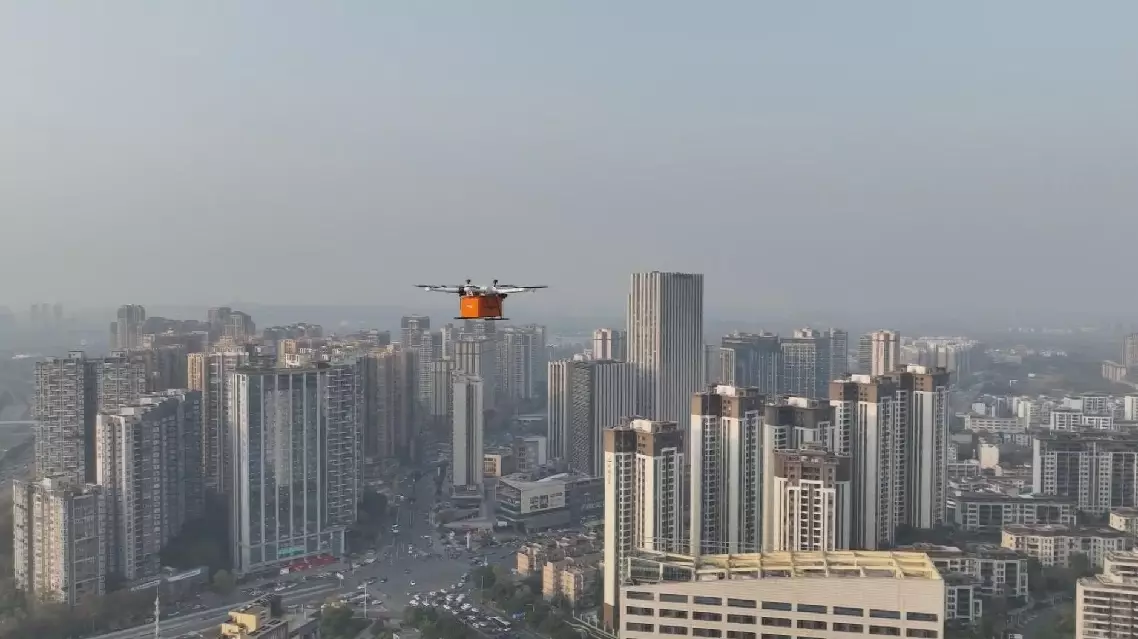
Chengdu, capital city of southwest China's Sichuan Province, launched low-altitude blood transport services to provide critical support for patients in urgent need on Thursday.

Two fully loaded drones took off from the Chengdu Blood Center on the day, heading toward the Chengdu Second People's Hospital and the First People's Hospital in the city’s Longquanyi District.

Equipped with high environmental adaptability, these drones transmit real-time data, including flight position and blood temperature, back to a monitoring platform throughout the journey, ensuring safe and controlled transportation.

"The transportation time has been significantly reduced by more than 50 percent through low-altitude blood transport, which will become a routine operational practice in the future, effectively supporting responses to emergencies, critical illnesses, and ensuring the supply of blood, especially for rare blood types," said Kang Jianxun, deputy director of the Chengdu Blood Center.

Chengdu has developed 86 low-altitude application scenarios and opened 107 manned and unmanned routes, covering areas including emergency rescue, logistics, and cultural tourism. The market scale for this sector has surpassed 100 billion yuan (about 14.27 billion U.S. dollars), reflecting its rapid growth and broad potential.
China's Chengdu launches low-altitude blood transport service

China's Chengdu launches low-altitude blood transport service

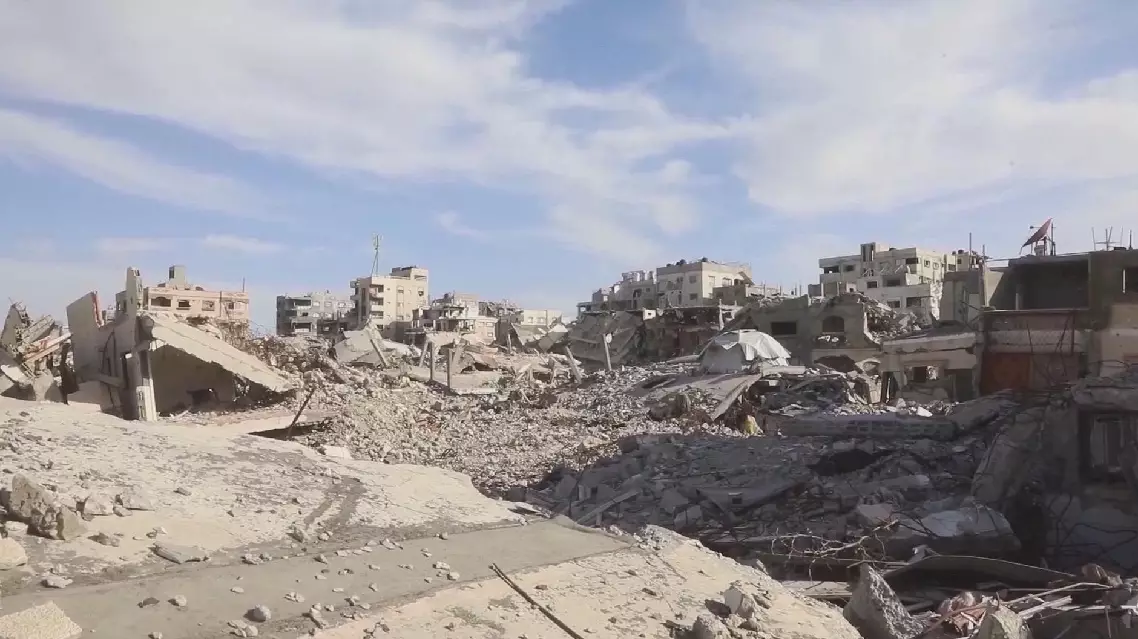
Iran's capital Tehran was subjected to large-scale airstrikes by the United States and Israel on Friday night while two U.S. ​warplanes were downed over Iran and the Gulf, Iranian forces said.

At around 21:00, an aircraft was seen flying over northeastern Tehran, and subsequently, Iran's air defense system was activated.

More than two hours later, Iran was hit by another air attack, leading to major explosions. It came after the Iranian military announced that its air defense system had successfully shot down a U.S. A-10 fighter jet, marking the second U.S. warplane hit by Iranian fire that day. U.S. President Donald Trump on Wednesday night threatened to hit Iran "extremely hard over the next two to three weeks," a timeline he has recently set for ending the monthlong war.

Iran has rejected a U.S. proposal for a 48-hour ceasefire delivered to Iran through a "friendly" country, the semi-official Fars news agency reported on Friday.

The report added that Iran's response to the offer was not given in writing, but through the continuation of attacks in the battlefield.

On Feb. 28, Israel and the United States launched joint attacks on Tehran and several other Iranian cities, killing Iran's then Supreme Leader Ali Khamenei, along with senior military commanders and civilians. Iran responded by launching waves of missile and drone strikes targeting Israel and U.S. assets in the Middle East.

Tehran hit by large-scale US-Israeli air attacks

Tehran hit by large-scale US-Israeli air attacks

Recommended Articles