Hulun Buir City in north China's Inner Mongolia Autonomous Region witnessed extremely cold weather on Friday, with the lowest temperature hitting minus 46.9 degrees Celsius.
Freezing fog brought low visibility to Genhe City, known as "China's cold pole", and neighboring Yakeshi City, both in Hulun Buir City, on Thursday and Friday.
Relevant departments in Hulun Buir have activated emergency response plans, including de-icing roads and ensuring normal operation of the heating system.
Local meteorological department said the extreme cold will continue in northern Hulun Buir over the next two days.
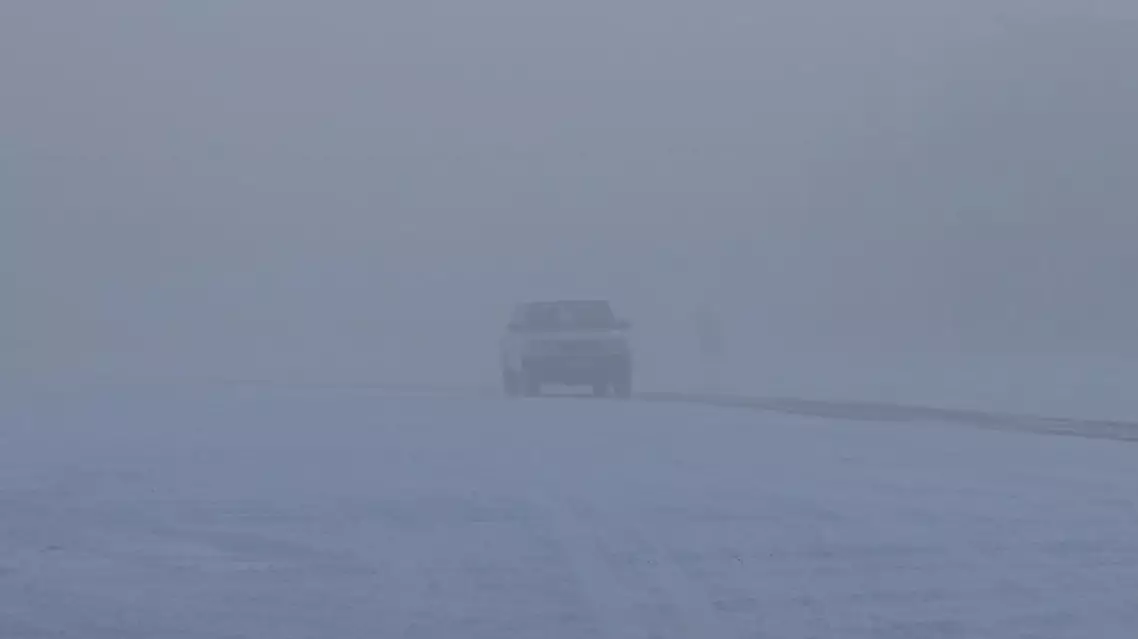
North China's Inner Mongolia witnesses extremely cold weather
Heavy rains prompted several regions across China to activate emergency responses on Sunday, with warnings of possible disasters caused by days of intense rains in some areas.
The meteorological service of Nanning City, capital of south China's Guangxi Zhuang Autonomous Region, issued an orange lightning warning on Sunday morning.
It warned that most urban areas of Nanning will be affected by thunderstorm and some parts of the city will see heavy precipitation and strong winds.
The lightning warning was followed by another yellow warning for rainstorm, with most parts of Nanning to see heavy rains of 20 to 40 millimeters.
In some areas, precipitation will exceed 50 millimeters and will also be accompanied by thunder and gusty winds.
The central province of Hubei activated a Level III emergency response for major meteorological disasters on Sunday morning.
Local meteorological service estimated that from Sunday night to Tuesday, the province will see heavy to torrential rains and some regions will experience downpours accompanied by severe convective weather.
Local authorities said the public should stay alert to secondary disasters triggered by persistent heavy rains.
Rains hit north China's Tianjin Municipality on Saturday night.
The rainfall intensified significantly on Sunday morning and the rainy weather is projected to last until Monday.
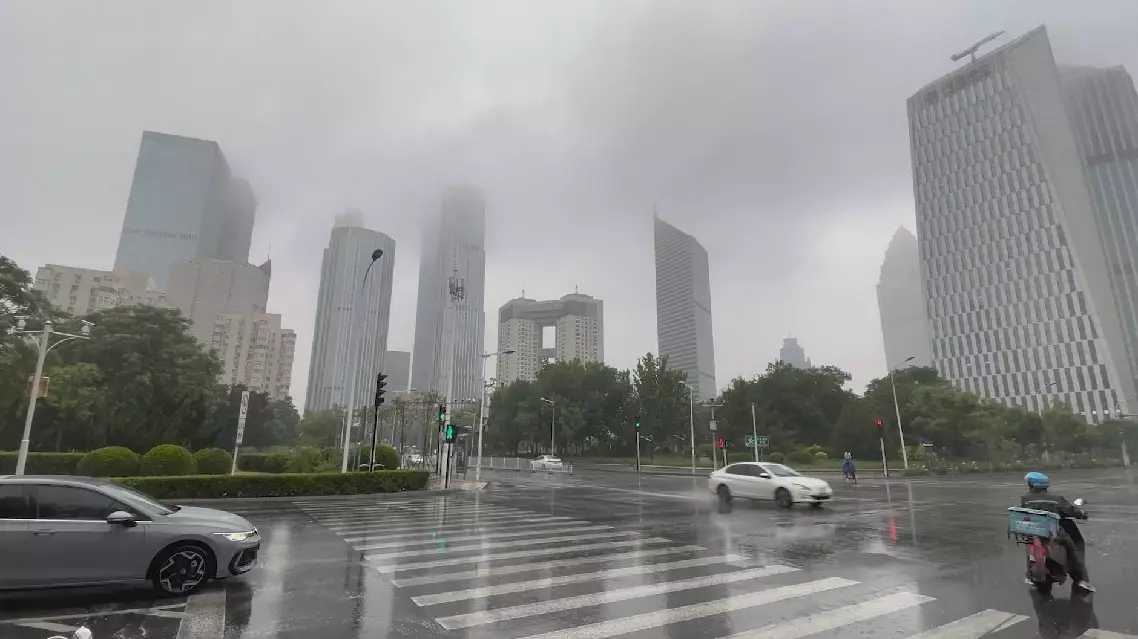
Heavy rains prompt emergency responses in several regions