Under a proposal by U.S. Customs and Border Protection (CBP), travelers from Visa Waiver Program countries may soon be required to submit up to five years of their social media history to enter the United States, raising concerns over privacy and potential impacts on tourism industry.
This new requirement, part of an executive order signed in January, mandates that travelers complete their Electronic System for Travel Authorization (ESTA) application with social media details from the past five years. ESTA is used to determine eligibility for visa-free travel to the United States for up to 90 days.
The proposal also asks applicants to provide additional data when possible, including phone numbers, email addresses, IP addresses, family names, and biometric information such as fingerprints and facial recognition.
The rule would affect travelers from numerous countries in the Visa Waiver Program, including most European nations, as well as Australia, Japan, South Korea, and others. The proposal is open for public comments for 60 days.
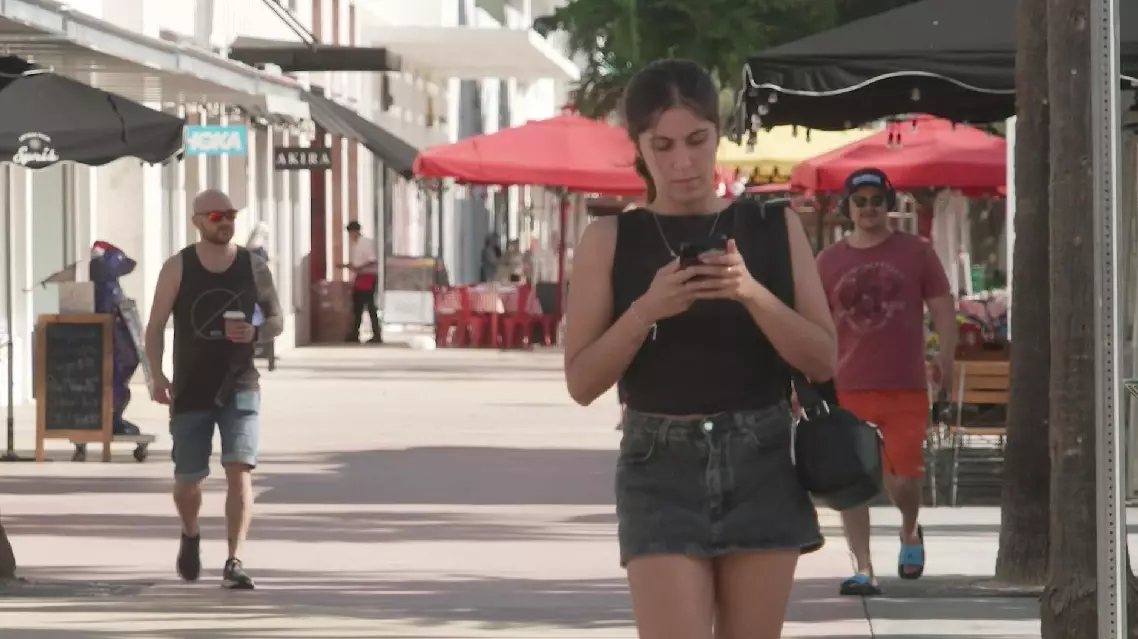
The proposal has sparked debate over privacy. Some ESTA travelers said that while the requirement would not directly affect them, the level of scrutiny itself is troubling. "I don't think so it's right, but I am okay with that because I don't have what to hide, too," said Anita Durdic, a tourist from Slovakia. "I, at first, wouldn't have a problem because I don't show much of my opinions, my preferences, whether political or about brands and all that. So, since I don't post those things, it's irrelevant to me," said Valentin Lombardo, a tourist from Argentina, which is not under the Visa Waiver Program.
Others voiced opposition on the grounds of privacy.
"I think it's good to see some posts on Instagram, maybe TikTok, if it's not something bad or illegal. But I don't know, email. I think it's not a great way. Why do you need to see my email? There's nothing wrong with it. I think it's something private for me, and I don't like people to see my things," said Teresa from Czech Republic, one of the affected countries.
The move is part of broader efforts by the United States to tighten immigration controls. The U.S. State Department reported this week that 85,000 visas have been revoked since January, more than double the number of revocations from the previous year.
US proposal to inspect social media history of visa-waiver travelers sparks concerns on privacy