China's National Development and Reform Commission (NDRC) on Friday unveiled the country's first list of 52 national-level zero-carbon industrial parks to be built, aiming to foster green transformation hubs and supporting the country's efforts to reach its carbon peaking targets.
Zero-carbon industrial parks are designed to reduce carbon dioxide emissions from production and daily operations to near-zero levels through integrated planning, design, technology, and management. The parks are also expected to have the capacity to further achieve net-zero emissions.
"Despite the name of 'zero carbon,' the goal of zero-carbon industrial parks is not absolute zero emissions. The standard is to cut emissions to near-zero levels, about one-tenth of the current average carbon emissions per unit of energy consumption of the existing industrial parks. For parks with conditions and willingness, net-zero carbon can be achieved through mechanisms such as carbon offsetting," said Kang Yanbing, Deputy Director of the NDRC's National Energy Conservation Center.
Geographically, the first list of projects covers all 31 provincial-level regions in China, as well as the Xinjiang Production and Construction Corps, ensuring that each region has at least one selected park.
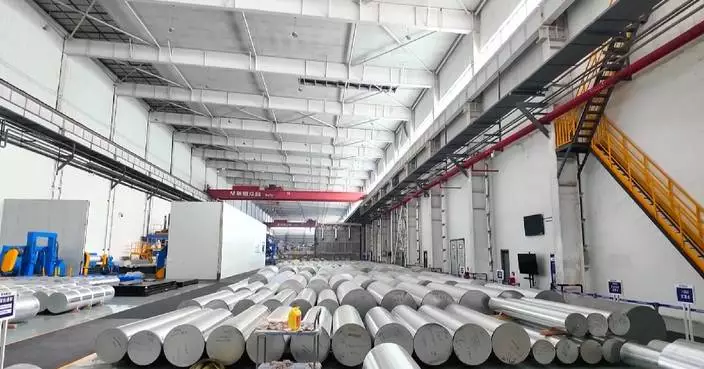
"The 52 parks primarily focus on new energy industry clusters with low energy consumption, low pollution, and high added value, including new energy equipment manufacturing, advanced equipment manufacturing, and computing power centers. The emphasis is on using green energy to produce green products," said Li Zhong, Deputy Director of the NDRC's Energy Research Institute.
These parks will fully leverage local wind and solar resources and develop direct green power supply models tailored to local conditions. Directly-supplied green electricity must account for at least 50 percent of a park's total power consumption, supplemented by green electricity purchased through Green Electricity Certificates trading. Only those parks that pass official inspections following the completion of the construction period will be recognized as national-level zero-carbon industrial parks.
"Zero carbon is not a slogan. Parks must take concrete steps, such as facilitating direct green power supply and building energy storage infrastructure, to significantly raise the share of non-fossil energy consumption and address the bottleneck of renewable energy being generated but not fully utilized," said Kang.
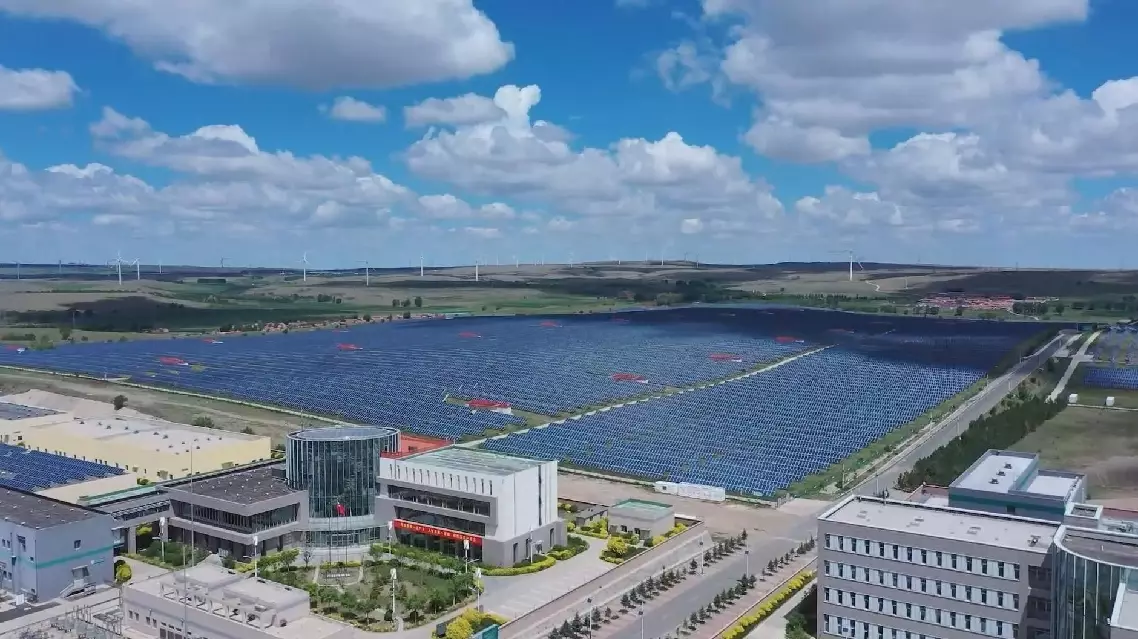
China to develop first 52 national-level zero-carbon industrial parks