Skip to Content Facebook Feature Image

"Mice astronauts" experiment offers insights for human habitation in space: scientists

China

China

China

"Mice astronauts" experiment offers insights for human habitation in space: scientists

2025-12-27 17:05 Last Updated At:12-28 03:07

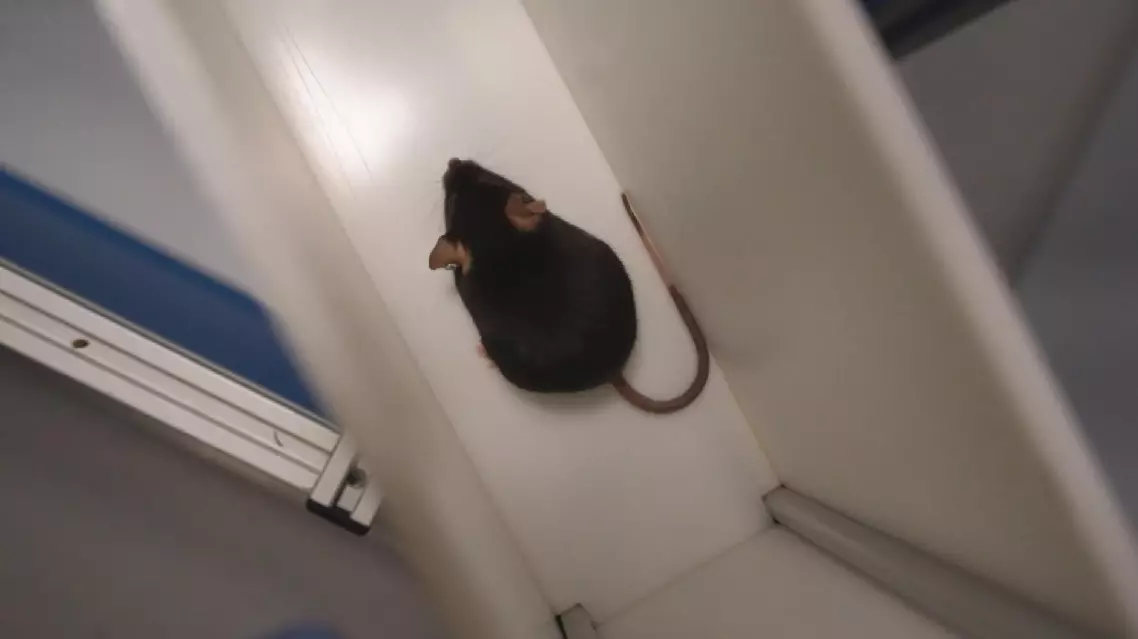
An experiment involving four mice aboard China's space station in orbit in a recent mission has laid an important foundation for future studies on long-term human habitation in space, according to scientists.

The four mice were sent into space aboard the Shenzhou-21 crewed spaceship on Oct 31 and were housed in a specialized habitat on the space station before returning to Earth on Nov 14.

After their return, one female conceived and later delivered nine pups on Dec 10. Six of the newborns have survived -- a rate considered normal. Researchers have noted that the mother is nursing normally and the pups appear active and healthy.

The experiment provides invaluable samples for the investigation of how the space environment influences early developmental stages in mammals, according to Wang Hongmei, deputy director of the Institute of Zoology, Chinese Academy of Sciences.

"What we want to study are the physiological changes mammals experience in space, and whether they can reproduce in that environment. We started our research program with these two questions in mind. The first step of our research is to ensure that small mammals from China can safely enter space and return alive. The next step is to send pregnant mice into space to see if they can give birth to offspring there," said Wang.

Such space science experiments aim to explore the physiological changes mammals experience in the space environment, uncover the underlying mechanisms of these changes, and develop targeted drugs or treatment plans to mitigate them, according to Wang.

"This is why we use mammals, specifically mice, as experimental subjects to study the effects of the space environment on them, ultimately benefiting our astronauts in the future," she said.

Scientists will continue to study the postnatal development of the mouse pups, monitoring their growth and physiological changes. Further research may also examine whether these offspring can reproduce normally, helping reveal potential multigenerational effects of space exposure on mammals.
"Mice astronauts" experiment offers insights for human habitation in space: scientists
"Mice astronauts" experiment offers insights for human habitation in space: scientists
The prices of some life-saving medicines have soared to levels that are unaffordable for ordinary people in Venezuela, as the United States has ramped up military presence in the Caribbean off Venezuela's coast, alongside escalating sanctions, blockades and military threats against the oil-rich South American nation since late August.

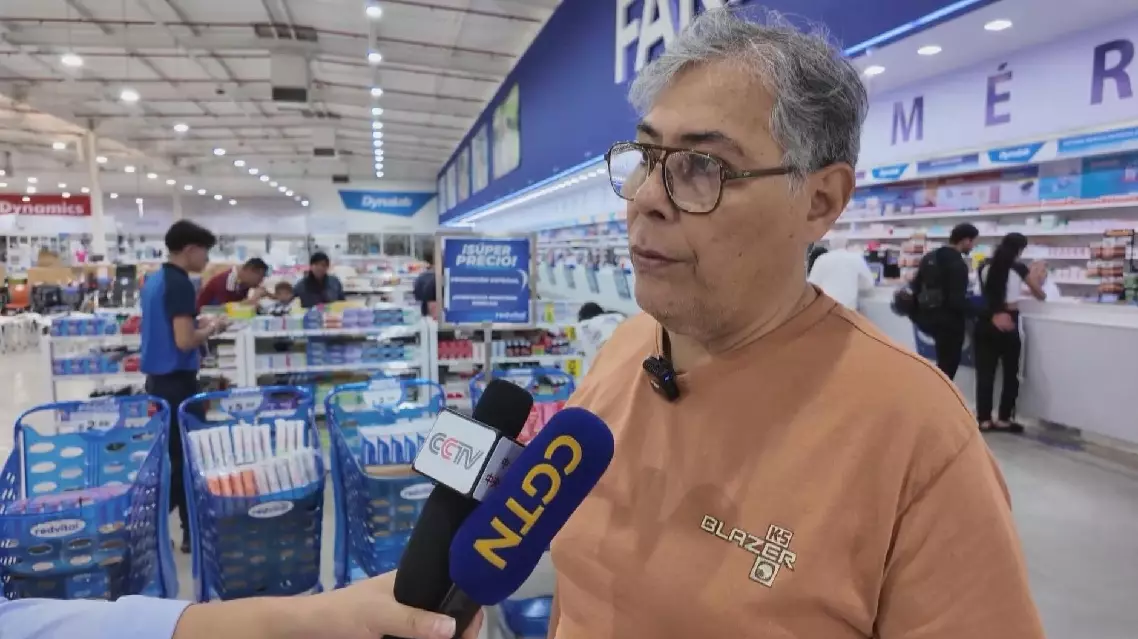
At a northeastern suburb in the capital city Caracas, locals can still purchase most of the commonly used medicines at a major supermarket, where some antibiotics have been sold out, and some first-aid medicines and supplies have become too costly for ordinary residents.

"I'm here mainly to buy antibiotics. I have problems with my lungs. But I can't get all I want, such as vancomycin," said a resident named Alfonso.

"(Recent tensions have affected) the supplies and prices of drugs. The prices of cancer drugs, insulin drugs and albumin are very high, and most patients here cannot afford them," said Giovanna Gonzalez, a pharmacist with the supermarket.

Around 90 percent of the raw materials for drugs in Venezuela rely on imports, and the country's medical equipment such as monitors and anesthesia machines are almost entirely dependent on overseas supplies.

Main international airlines suspended flights to and from Venezuela in November, and U.S. blockades have delayed many cargo ships for a month, with some refusing to dock in Venezuela for safety concerns.

"Venezuela has been caught in the complex humanitarian emergency declared by the World Health Organization for about 10 years. If the suspension of flights persists, relevant international companies will have to choose more difficult or longer transportation routes, which will further push up the already high prices of medicines and medical equipment in Venezuela, and the patients will pay more money," said Huniades Urbina-Medina, president of the National Academy of Medicine of Venezuela.

Venezuela's medicine prices soar to unaffordable level amid US blockades

Venezuela's medicine prices soar to unaffordable level amid US blockades

Recommended Articles