Skip to Content Facebook Feature Image

Diplomatic moments of President Xi in 2025

China

China

China

Diplomatic moments of President Xi in 2025

2025-12-29 16:15 Last Updated At:22:17

Chinese President Xi Jinping's diplomacy in 2025 has cemented a closer bond with neighboring countries and enhanced cooperation in the international community in upholding the common good of the world.

"As unprecedented global changes unfold at a faster pace, humanity has come to a new crossroads," said Xi when delivering a speech via video link at the Leaders Meeting on Climate and the Just Transition on April 23.

This year marks the 80th anniversary of the victory of the World Anti-Fascist War and the founding of the United Nations.

"This year is a milestone prompting us to remember the past and create a better future together," said Xi when chairing the Shanghai Cooperation Organization (SCO) Plus Meeting in Tianjin, north China on Sept 1, where he delivered a speech titled "Pooling the Strength of the Shanghai Cooperation Organization to Improve Global Governance."

The world has found itself in a new period of turbulence and transformation. Global governance has come to a new crossroads. History tells people that at difficult times, it is necessary to uphold the commitment to peaceful coexistence, strengthen the confidence in win-win cooperation, advance in line with the trend of history, and thrive in keeping pace with the times, said Xi.

To this end, Xi proposed the Global Governance Initiative.

"I wish to propose the Global Governance Initiative. I look forward to working with all countries for a more just and equitable global governance system," said Xi.

"An ancient Chinese philosopher said of the importance of principles, 'uphold the Great Principle, and the world will follow,'" said Xi, noting "China is ready, together with all parties, to uphold courageously the great principle and the common good of the world."

"The people are the creators of history, and the pursuit of a better life is a shared aspiration of all nations. At all times, our hearts must be with the people, our work must be for the people," said Xi at the reception commemorating the 80th anniversary of the victory of the Chinese People's War of Resistance Against Japanese Aggression and the World Anti-Fascist War on Sept 3.

Chinese modernization follows the path of peaceful development, and China will always be a force for peace, stability and progress in the world, said Xi.

"Partnering with China means embracing opportunities. Believing in China means being optimistic about tomorrow. And investing in China means investing in the future," said Xi when meeting with representatives of the international business community in Beijing on March 28.

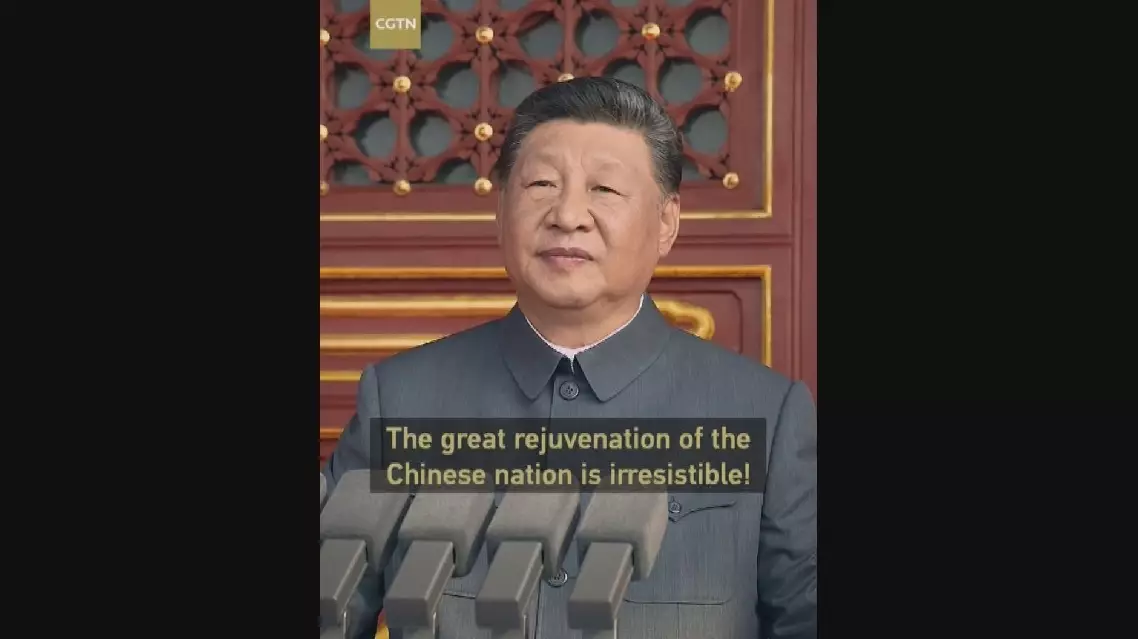
"History carries the legacy of the past and inspires the future," said Xi on Sept. 3 while addressing the grand gathering in Beijing's Tian'anmen Square to commemorate the 80th anniversary of the victory in the Chinese People's War of Resistance against Japanese Aggression and the World Anti-Fascist War.

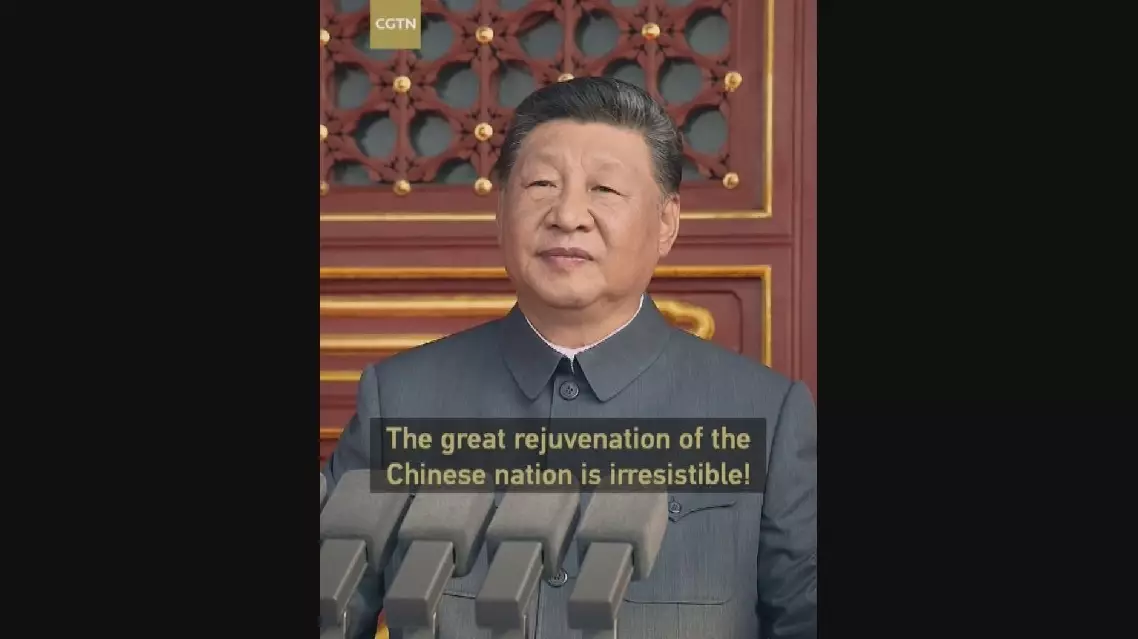
"The Chinese people firmly stand on the right side of history and the progress of human civilization," Xi said, noting that "the great rejuvenation of the Chinese nation is irresistible! The noble cause of peace and development of humanity will prevail!"
Diplomatic moments of President Xi in 2025
Diplomatic moments of President Xi in 2025
Diplomatic moments of President Xi in 2025

Diplomatic moments of President Xi in 2025
The United Arab Emirates' decision to withdraw from the Organization of the Petroleum Exporting Countries (OPEC) signals a broader strategic recalibration as the Gulf producer seeks to diversify its energy export routes and reduce vulnerability to regional chokepoints, according to a Middle East affairs expert.

The United Arab Emirates (UAE) announced Tuesday it will withdraw from OPEC, marking the end of its decades-long alignment with the cartel.

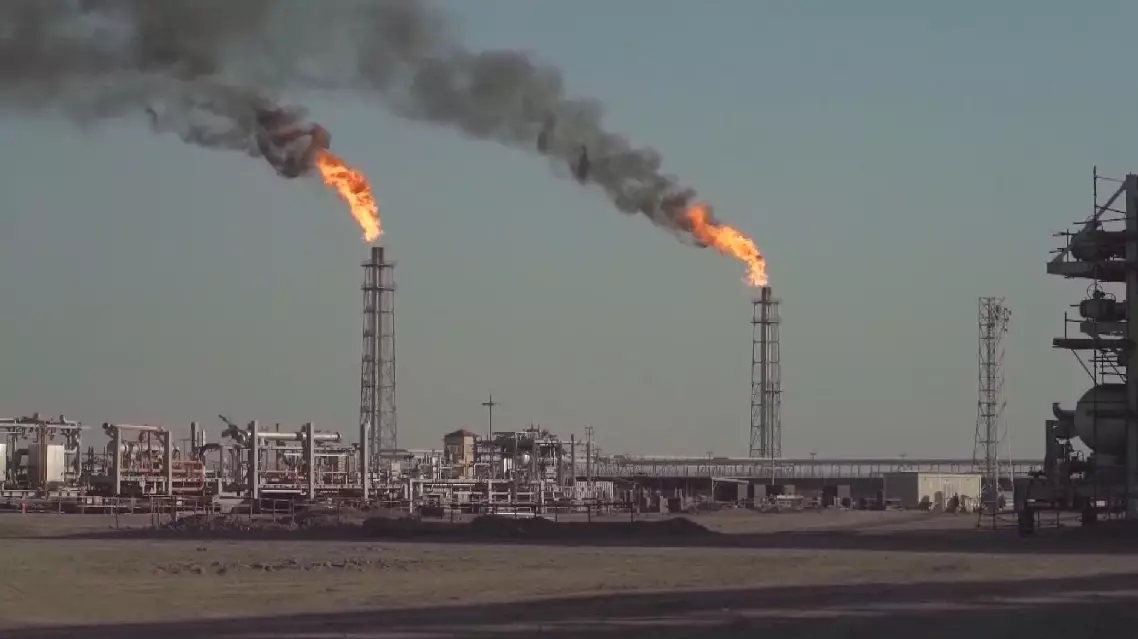
Against this backdrop, the UAE is actively exploring alternative logistics pathways to safeguard its energy exports. A key focus is developing overland connections to bypass the strategically sensitive Strait of Hormuz.

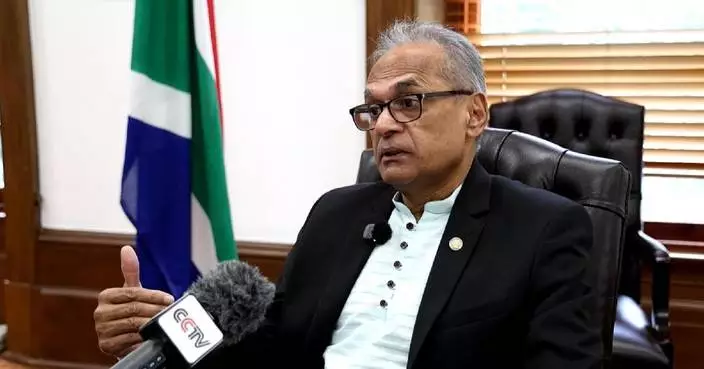
"The UAE's primary energy loading and unloading ports are currently located in the Gulf region, within the Strait of Hormuz. However, given the increasingly uncertain security situation around the Strait of Hormuz, the UAE has gradually come to realize that its existing transportation system -- which relies on transit through the Strait of Hormuz to connect with international energy markets -- will be difficult to sustain over the long term. Consequently, the UAE hopes to establish overland connections linking its main inland energy production areas with the Fujairah Port, where crude oil can be loaded onto vessels for export to international energy markets," said Wang Jin, director of the Center for Strategic Studies at Northwest University in China.

While the strategic rationale is clear, implementation faces significant hurdles. Wang noted that infrastructure constraints could limit the effectiveness of this pivot, particularly given the UAE's ambitious production targets.

"However, this strategy involves two key challenges. First, the existing overland pipeline infrastructure cannot fully meet the UAE's so-called energy transport capacity requirements. According to current UAE projections, the country's average daily energy production may reach approximately 5 million barrels in the future. Yet the transport capacity of the existing pipelines falls far short of this anticipated volume. Therefore, the UAE must consider how to further expand the capacity of its overland energy pipeline network in the future, and whether new pipelines should be constructed to connect with the Fujairah Port," he said.

Beyond pipeline capacity, long-term success hinges on port infrastructure and sustainable financing -- questions that remain unresolved as the UAE weighs its next moves, according to Wang.

"More importantly, as the Fujairah Port -- a deep-water port -- gains increasing strategic significance, the UAE must also consider whether the port should be expanded and its capacity upgraded to accommodate more vessels for loading and unloading energy-related products. Thus, for the UAE, critical questions remain: how to develop effective planning, how to advance infrastructure construction, and where to secure funding for related projects. Consequently, although the UAE currently has proposals to bypass the Strait of Hormuz, whether and when these plans can be realized will likely require a long and complex process ahead," he said.

UAE's OPEC exit reflects strategic shift amid energy security concerns: expert

UAE's OPEC exit reflects strategic shift amid energy security concerns: expert

Recommended Articles