China's transportation system is expecting to handle a significant surge in travel as the May Day holiday, a five-day holiday season that starts on Friday, is just around the corner.
The railway sector handled the first round of travel peak on Thursday, with a total of 19.95 million passenger trips to be carried out, marking a year-on-year increase of 8.9 percent, according to China Railway.
Throughout the holiday, the railway authorities will add night high-speed trains on major lines, including those from capital Beijing to other large cities like Shanghai, Guangzhou and Harbin.
On average, about 700 night high-speed train trips will be additionally scheduled per day.
According to a report released by the Ministry of Transport on Wednesday, throughout the five-day holiday, China's expressway network is set to see an average daily traffic volume of about 64 million vehicles.
The departing traffic peak is expected to fall on the first day of the holiday, with the volume projected to hit a high of 70 million vehicle trips, the highest single-day travel volume compared with the May Day holidays in other years.
Travel during the May Day holiday is mainly for holiday making, with travelers heading towards diverse destinations. They may embark on inter-city short trips or travel to rural areas, the report said.
According to the civil aviation authorities, throughout the May Day holiday, the civil aviation sector is expected to handle a total of 11 million passenger trips, with a daily average of 2.2 million.
The travel peak is projected to fall at the beginning and the end of the holiday season, the authorities said.
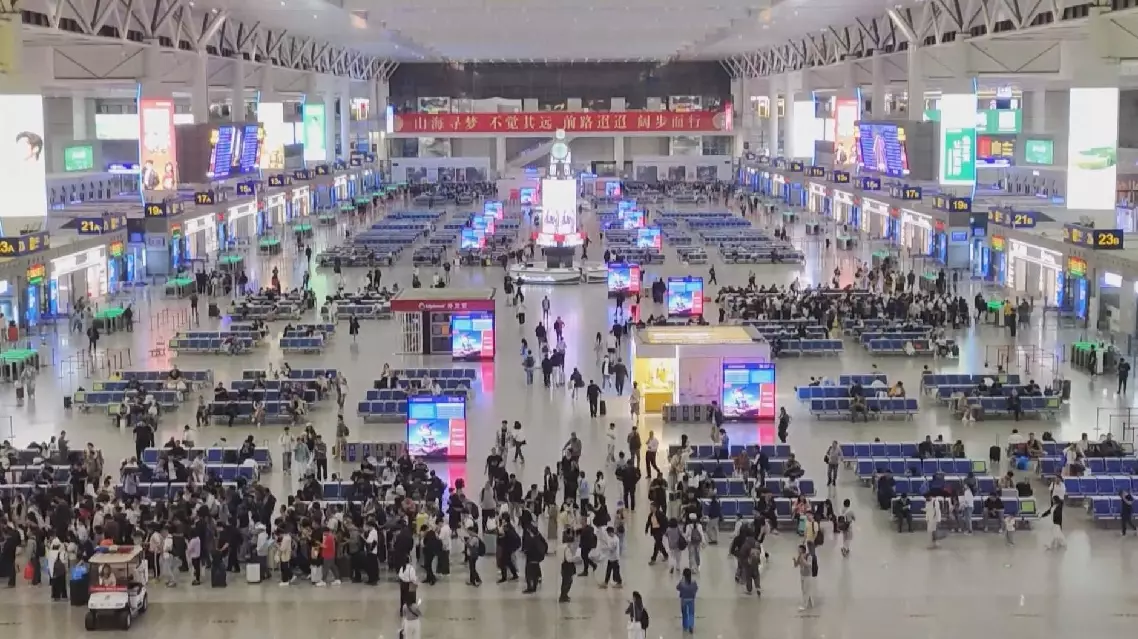
China's transportation system expects to handle travel surge as May Day holiday approaches
Iranian Foreign Minister Seyed Abbas Araghchi said that Tehran currently has no plans to meet with U.S. officials, while consultations with Qatari and Pakistani mediators continue over Iran's conditions for resolving the crisis, Qatar's Al Jazeera reported Saturday.
In an interview with Al Jazeera, Araghchi dismissed reports of possible meetings as media speculation, saying Iran saw no need to meet with American officials at present.
He said Tehran would decide whether to hold direct or indirect negotiations after Washington accepted Iran's conditions.
Araghchi said an Iranian delegation had traveled to Qatar for further discussions, adding that his aide was there to continue consultations with mediators.
According to Araghchi, Iran's conditions include recognition of a new shipping route through the Strait of Hormuz that Tehran had worked out with Oman, and the closure of other routes.
He said Tehran also sought the lifting of sanctions imposed after the Islamabad Memorandum of Understanding (MoU), a reduction in U.S. military forces in the region, the restoration of sanctions waivers for Iranian oil exports, and the release of all frozen Iranian funds, including those held in Qatar.
Iran also demanded an end to hostilities on all fronts, including Lebanon, he said.
Araghchi said mediators had presented proposals concerning Iran's nuclear program, which Tehran was reviewing as part of what he described as a second phase.
The Iranian foreign minister also said a letter from U.S. Vice President JD Vance had been reviewed at high-level meetings, describing the American effort to open the door to broader dialogue and understanding as a "positive step."
On Feb 28, Israel and the United States launched joint attacks on Tehran and other Iranian cities. Iran responded with waves of missile and drone attacks targeting Israel and U.S. bases and assets in the region, and tightened its grip on the Strait of Hormuz.
A ceasefire was achieved between the warring parties on April 8. On June 18, Iran and the United States signed the MoU on ending the war in the region on all fronts.
Under the MoU, the two countries were scheduled to hold negotiations within 60 days, ending on Aug 17, to reach a final agreement on Iran's nuclear program and the removal of sanctions. However, they failed to make sufficient progress toward a deal.
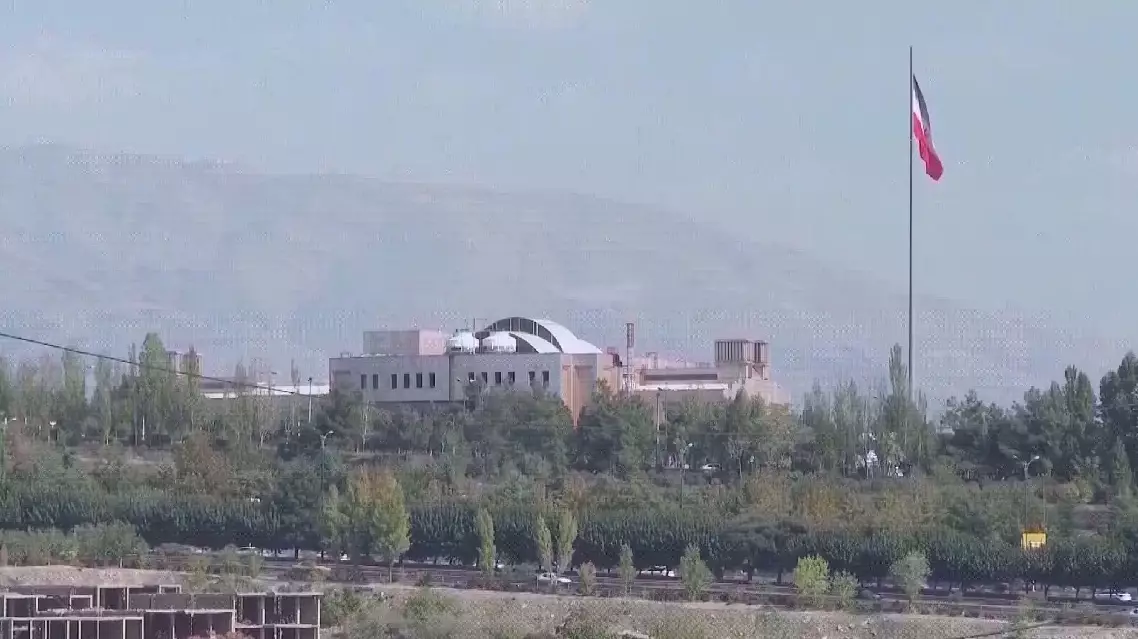
Iran says no plans to meet U.S. officials, consultations with mediators continue
Iran says no plans to meet U.S. officials, consultations with mediators continue