Senior Thai diplomats stressed the importance of rebuilding trust and restoring peace with Cambodia at a press conference Tuesday in Bangkok, following a trilateral meeting hosted by China.
The meeting, held Monday in China's southwestern Yunnan Province, followed a ceasefire agreement reached over the weekend at the General Border Committee (GBC) meeting in Chanthaburi Province, Thailand. The trilateral meeting brought together the foreign ministers of Thailand and Cambodia, with Chinese Foreign Minister Wang Yi serving as host.
Speaking to reporters, Thai Foreign Minister Sihasak Phuangketkeow emphasized that Thai-Cambodian relations must develop at a pace that makes both sides comfortable.
"They cannot force the pace. We have to go at the pace that is comfortable to both countries and in the end it is about two countries sorting things out bilaterally," said Sihasak.
The meeting came at a crucial time as both countries observe the first 72 hours of the uneasy ceasefire. Thailand underlined its appreciation for China's neutral role in hosting the meeting, and acknowledged China's continued support, including monitoring the ceasefire and providing humanitarian demining assistance if needed.
"We think at the current moment we can manage to deal with the situation bilaterally. Should the need arise Thailand and Cambodia should consult each other first and then ask. China says it is ready to provide assistance, if needed," said Nikorndej Balankura, spokesman of the Thai Ministry of Foreign Affairs.
The Thai government also confirmed on Wednesday the repatriation of 18 detained Cambodian soldiers in line with a previously signed joint statement. The move is seen as an important step toward easing border tensions and fostering renewed dialogue between the two Southeast Asian neighbors.
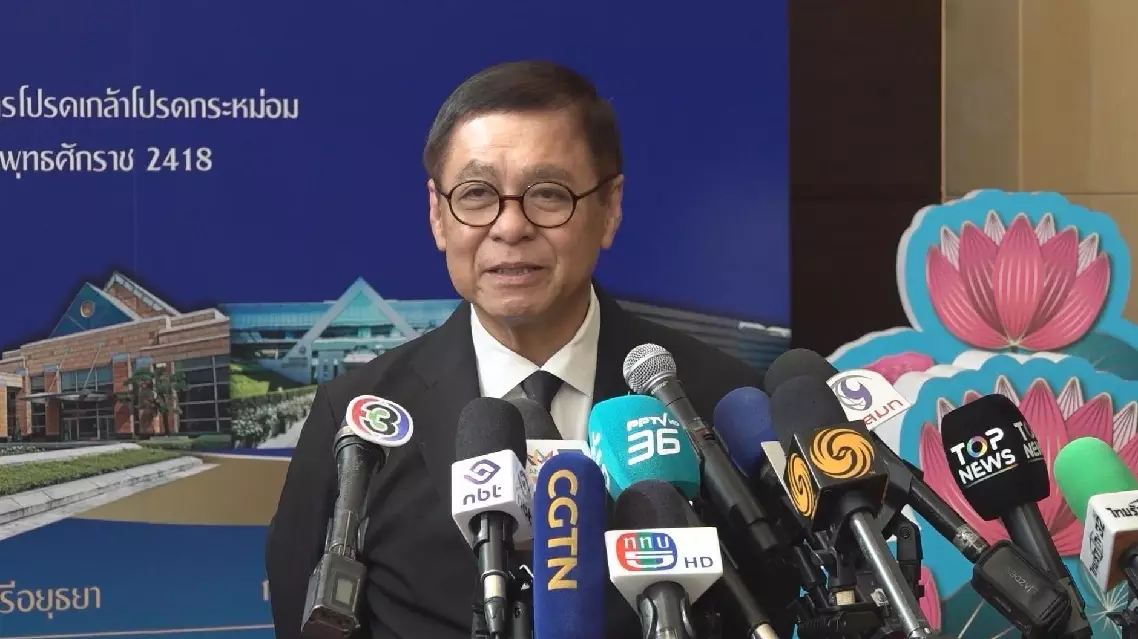
Thailand to continue talks with Cambodia after trilateral meeting in China
Seventy-two hours after Cambodia and Thailand signed a joint ceasefire declaration, situations along parts of the shared border have stabilized, though the impact of the fighting remains lingering in the affected villages in Cambodia.
On December 27, Cambodia and Thailand signed a joint ceasefire statement at a special meeting of the Joint Boundary Commission (JBC).
By midday on December 30, three days after the truce took effect, border villages on the Cambodian side showed no signs of renewed fighting.
Cambodia's National Road 58, which connects the border city of Poipet with nearby villages, was once a busy transport route but now sees only sparse traffic. Several villages along the road were heavily damaged during the conflict.
In Sela Khmer Village, small shops along the roadside remain closed, and this village of more than 2,000 residents was nearly empty.
Unexploded ordnance left behind during the fighting continues to pose a serious risk, requiring caution and protective measures for anyone moving through the area.
A local official said the border village was repeatedly shelled by Thai military forces during the 20-day conflict.
"The village still has no water and no electricity. It is very dangerous here, and no one dares to come to repair the facilities, so it is still uncertain when power will be restored," said Yern Pov, head of Sela Khmer Village.
As the situation calmed, some residents began returning from evacuation shelters. Near evening, a couple was seen making their way back to the village after spending 20 days at a shelter about 50 kilometers away.
"In the first two days of the conflict, we could hear the intermittent artillery shelling. Later, the shelling became more and more intense, and we had no choice but to evacuate. At the shelter, many people slept together on mats, and it was very crowded. Those who arrived later could hardly find a place to sleep," said Launh, a local resident.
Despite the ceasefire, large numbers of displaced people remain in shelters located dozens or more than 100 kilometers away from the border and are still unable to return home.
Local governments face mounting pressure to provide food and daily necessities, while charitable organizations have stepped up deliveries of relief supplies to affected populations.
Cambodia border villages remain deserted despite ceasefire implementation