Colorful activities are taking place across China to welcome the New Year, with cities adorned with dazzling displays and festive decorations, filling the air with joy and excitement.
At the Lijiang Old Town in southwest China's Yunnan Province, local residents dressed in traditional Naxi attire and tourists from all over the country joined hands around a bonfire to welcome the new year with the traditional Datiao dance, immersing themselves in the joyous atmosphere.
Huaying City in Sichuan Province has held a New Year's carnival, captivating residents and tourists with a display of molten-iron fireworks -- a traditional Chinese folk art and intangible cultural heritage -- and a spectacular drone show.
"Tonight, I watched the drone show, saw the advancement of technology, and witnessed the changes in my hometown. In the coming year, I wish our hometown an ever-improving future and wish our country prosperity," said Xu Wu, a local resident.
In Shanghai, festive ornaments and colorful lights have been put up at major commercial districts and landmarks.
Local shopping centers have extended their operating hours and offered discounts to consumers to enhance the holiday cheer.
"I think it looks surreal. I couldn't help but stop and linger when I got here. I just feel happy," said Ding Hui, a Shanghai resident.
Meanwhile, Fushan Bay, a key regional financial center and international business hub in Qingdao City, east China's Shandong Province, has dressed its 5.2-kilometer-long buildings in dynamic festive patterns, enchanting visitors on sightseeing boats with a splendid light show.
The iconic bay area attracts more than 10 million tourists a year.
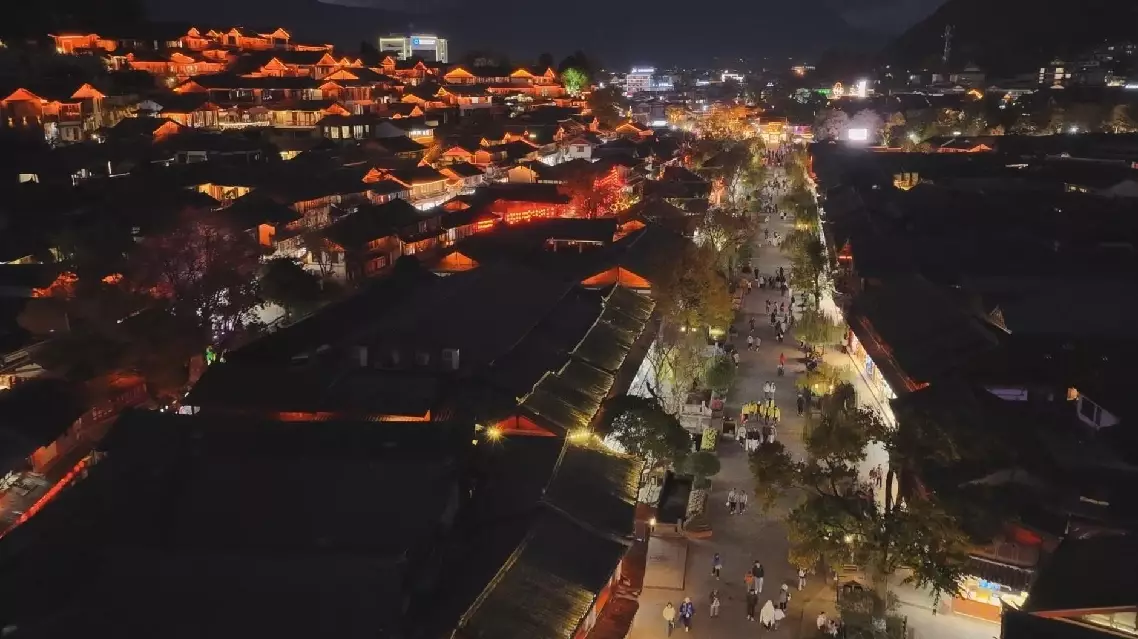
Various activities held across China to celebrate upcoming New Year
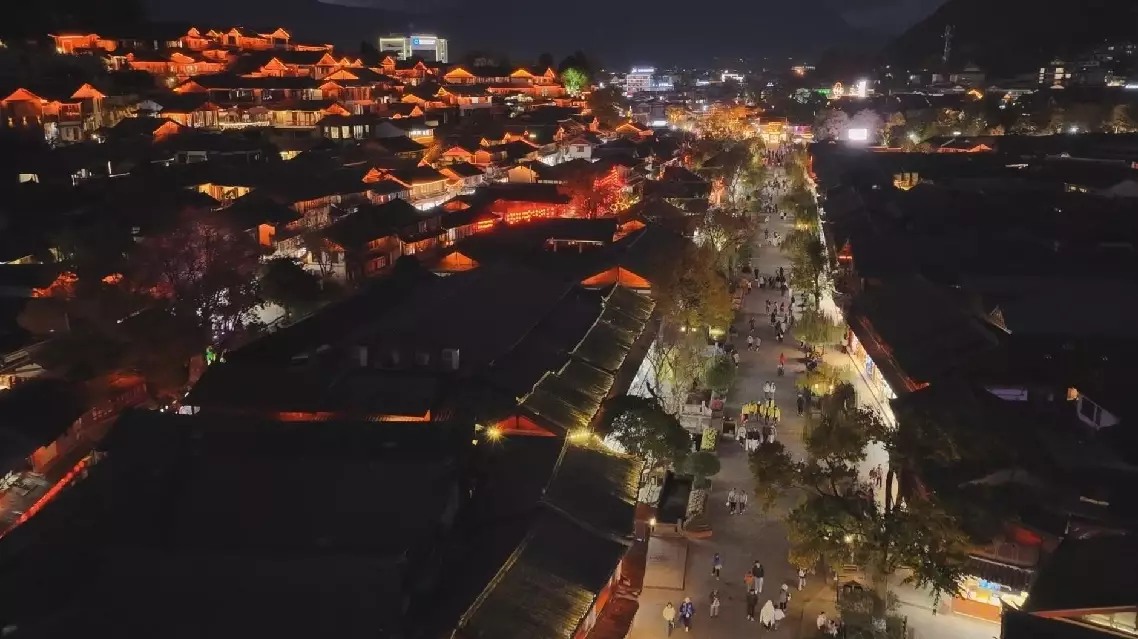
Various activities held across China to celebrate upcoming New Year
Seventy-two hours after Cambodia and Thailand signed a joint ceasefire declaration, situations along parts of the shared border have stabilized, though the impact of the fighting remains lingering in the affected villages in Cambodia.
On December 27, Cambodia and Thailand signed a joint ceasefire statement at a special meeting of the Joint Boundary Commission (JBC).
By midday on December 30, three days after the truce took effect, border villages on the Cambodian side showed no signs of renewed fighting.
Cambodia's National Road 58, which connects the border city of Poipet with nearby villages, was once a busy transport route but now sees only sparse traffic. Several villages along the road were heavily damaged during the conflict.
In Sela Khmer Village, small shops along the roadside remain closed, and this village of more than 2,000 residents was nearly empty.
Unexploded ordnance left behind during the fighting continues to pose a serious risk, requiring caution and protective measures for anyone moving through the area.
A local official said the border village was repeatedly shelled by Thai military forces during the 20-day conflict.
"The village still has no water and no electricity. It is very dangerous here, and no one dares to come to repair the facilities, so it is still uncertain when power will be restored," said Yern Pov, head of Sela Khmer Village.
As the situation calmed, some residents began returning from evacuation shelters. Near evening, a couple was seen making their way back to the village after spending 20 days at a shelter about 50 kilometers away.
"In the first two days of the conflict, we could hear the intermittent artillery shelling. Later, the shelling became more and more intense, and we had no choice but to evacuate. At the shelter, many people slept together on mats, and it was very crowded. Those who arrived later could hardly find a place to sleep," said Launh, a local resident.
Despite the ceasefire, large numbers of displaced people remain in shelters located dozens or more than 100 kilometers away from the border and are still unable to return home.
Local governments face mounting pressure to provide food and daily necessities, while charitable organizations have stepped up deliveries of relief supplies to affected populations.
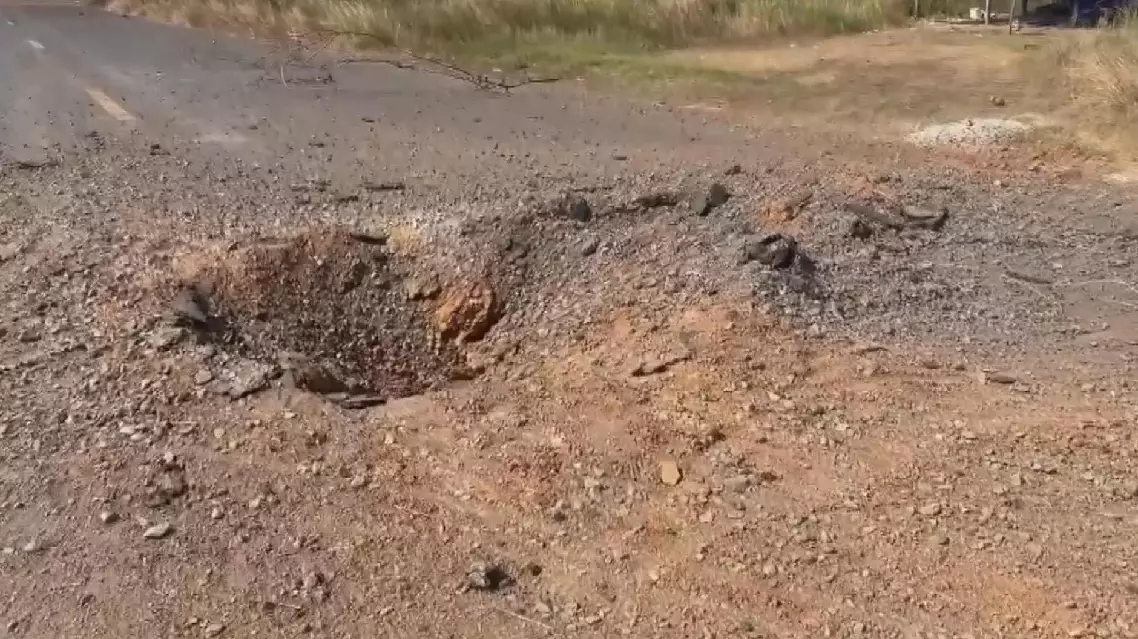
Cambodia border villages remain deserted despite ceasefire implementation