China has announced a detailed optimization plan for its large-scale equipment renewal and consumer goods trade-in programs for 2026, expanding subsidies to include new smart products while adjusting standards to enhance efficiency.
The National Development and Reform Commission (NDRC) and the Ministry of Finance issued a joint announcement on Tuesday, detailing policies and measures for the implementation of large-scale equipment renewal and consumer goods trade-in programs in 2026.
According to the announcement, consumers will continue to receive subsidies through trade-in programs for products ranging from automobiles to six types of home appliances: refrigerators, washing machines, televisions, air conditioners, computers and water heaters.
In one example, consumers can enjoy a 15-percent subsidy when purchasing a Grade-I energy-efficient home appliance product, to a maximum of 1,500 yuan of the sales price.
The consumer goods trade-in program for the purchase of new digital products will also be expanded to include smart products such as AI glasses and intelligent home products, including elderly-friendly home products.
"The 2026 consumer goods trade-in policy focuses on promoting new products, with the addition of subsidies for smart products. When consumers purchase intelligent items such as AI glasses, they can also benefit from the trade-in subsidy. This approach accelerates the adoption of advanced technologies like artificial intelligence in everyday life and makes high-quality, intelligent products more accessible to the general public," said Zou Yunhan, deputy director of the Macroeconomic Research Department at the State Information Center.
As for equipment renewals, subsidy programs will be expanded to include elevators for installation in old residential buildings, equipment used in elderly care homes, and equipment used for firefighting, rescue or testing purposes, according to the announcement.
To support the trade-in program for 2026, China has allocated 62.5 billion yuan (about 8.88 billion U.S. dollars) in ultra-long special treasury bond funds in advance, announced the NDRC on Tuesday.
The move aims to ensure policy continuity and meet surging consumption demand during the upcoming New Year and Spring Festival holidays, the NDRC said, noting that it will guide local authorities to leverage the funds and implement the consumer goods trade-in program in an improved, orderly manner.
The expansion of domestic demand is set to top China's major economic priorities in 2026, according to the recent Central Economic Work Conference, which also outlined plans to implement consumption-boosting campaigns, as well as plans to increase the incomes of urban and rural residents.
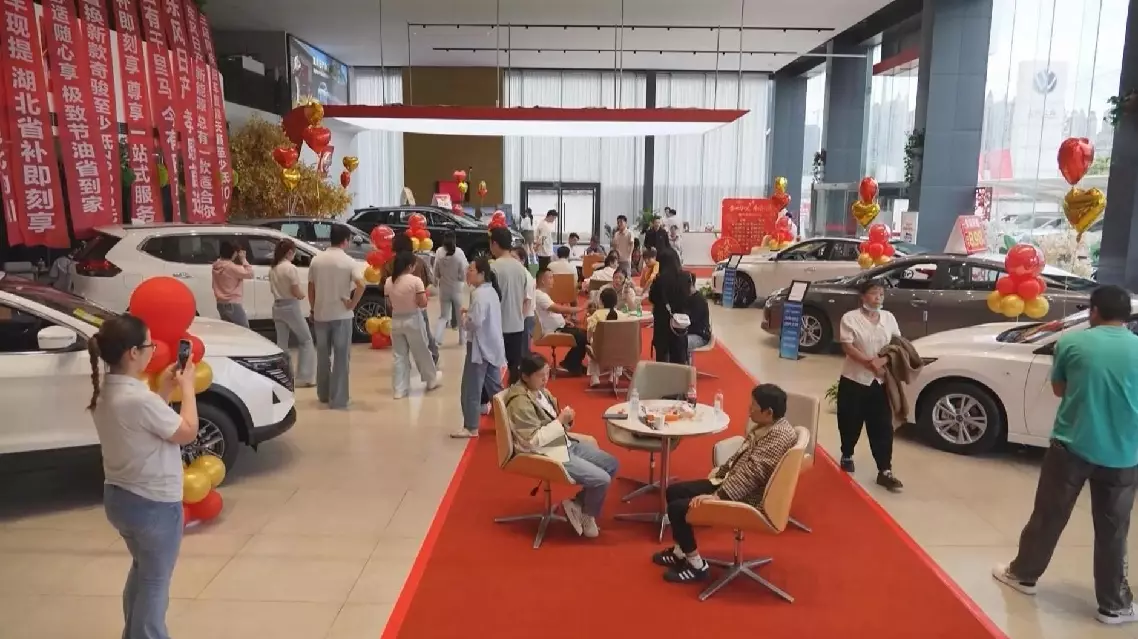
China optimizes 2026 trade-in policy, expanding scope to smart products