A Venezuelan expert has pointed out that the country possesses the technical capabilities to ensure oil production, and the political calculations behind the U.S. blockade are unlikely to succeed.
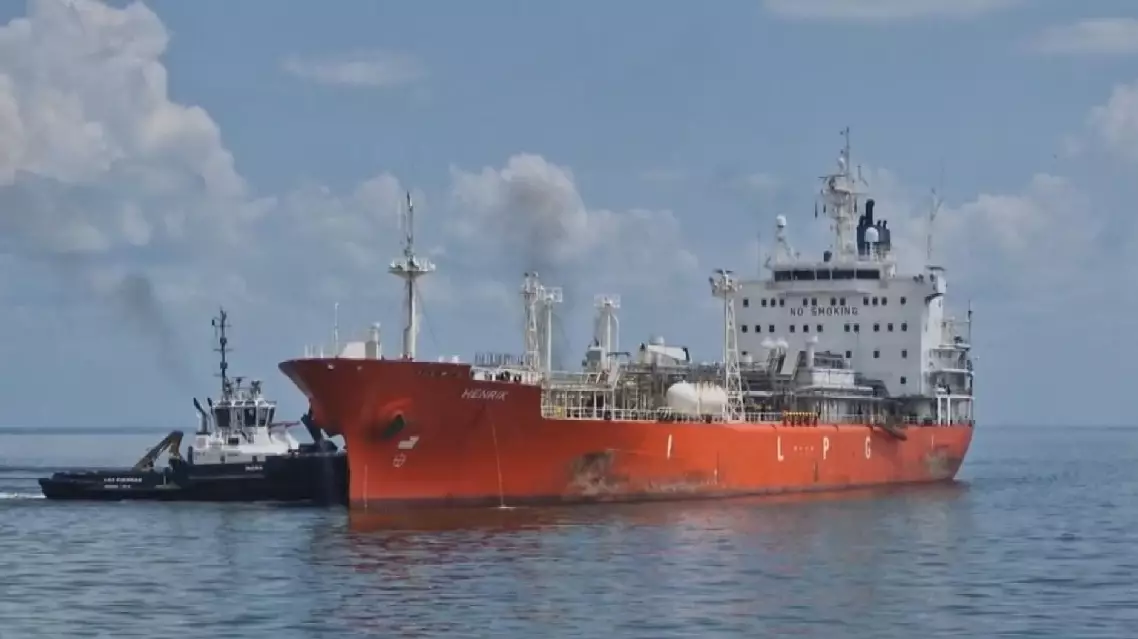
The United States recently announced a maritime blockade targeting sanctioned oil tankers entering or leaving Venezuela, attempting to sever the country's energy lifeline.
Currently, oil production and export activities continue uninterrupted in Maracaibo, Venezuela's western oil hub. However, widespread concerns persist that given that the South American country's production and processing of heavy crude oil highly rely on imported diluents from Iran and other sources, U.S. sanctions could potentially cripple oil production.
In an interview with China Global Television Network (CGTN), Oswaldo Felizzola, director of the International Center for Energy and Environment at the Instituto de Estudios Superiores de Administración (Institute of Higher Studies in Administration), said that the situation could be mitigated by either producing diluents domestically or purchasing light crude oil from abroad for blending.
"If the Petroleum of Venezuela allows domestic and foreign capital to enter and urgently repairs the infrastructure, our diluent production capacity can be restored within three to four months, which is sufficient to replace imported diluents. Another option is to purchase crude oil from other countries like Guyana or Brazil. They are relatively close to Venezuela and produce light or medium crude oil, which can be mixed with our heavy crude oil," he said.
Felizzola said he believes that the United States' recent extreme pressure on Venezuela and threats to block crude oil exports from the country are not only driven by coveting Venezuela's oil resources but also serve domestic political needs.
Currently, global oil prices hover around 60 U.S. dollars per barrel - a level that poses significant risks to U.S. shale oil companies, which are a major source of funding for President Donald Trump's campaign. The U.S. government is attempting to artificially create supply shortages to drive up global oil prices, said the expert.
"Because as long as the crude oil price drops to below 57 U.S. dollars per barrel, those U.S. shale oil companies will suffer losses. These firms account for the majority of the oil producers in the United States. The current U.S. decision to impose these restrictions essentially delivers an 'electric shock' to the market, creating supply disruptions to lift oil prices out of their current slump and restore them to levels where U.S. shale oil production becomes profitable," said Felizzola.
Expert says U.S. political scheme to blockade Venezuela unlikely to succeed