More than 26 million passenger trips have been handled through the "mini three links" since the route's operation began in January 2001, according to data from Xiamen Border Inspection.
The "mini three links" refer to direct trade, mail and transport services between east China's Fujian Province and the Taiwan region-administered Kinmen and Matsu islands.
Over the past 25 years, the "mini three links" have evolved from irregular passenger ferries in the early days to 36 "bus-like" sailings every day with an abundant supply of tickets. It has become an important channel for personnel exchanges across the Taiwan Strait.
Not long ago, Xiamen passenger terminal's smart clearance channel upgraded its facial recognition system, and expanded for the first time the scope of the smart application to Taiwan residents holding valid five-year mainland travel permit, further facilitating the travel of Taiwan compatriots.
"The smart facial recognition system is very convenient, fast, and easy to use. Previously, the queues were very long, but now it's very convenient for us," said Li Xinmei, a traveler from Taiwan.
"I find this very convenient because I can check in fast through such channels when there are many passengers, and have my procedures handled quickly," said Du Yujie, another Taiwan resident.
In less than two months since the smart customs clearance system was launched, more than 50,000 Taiwan compatriots have experienced the convenience of facial recognition for direct passage through Xiamen Port.
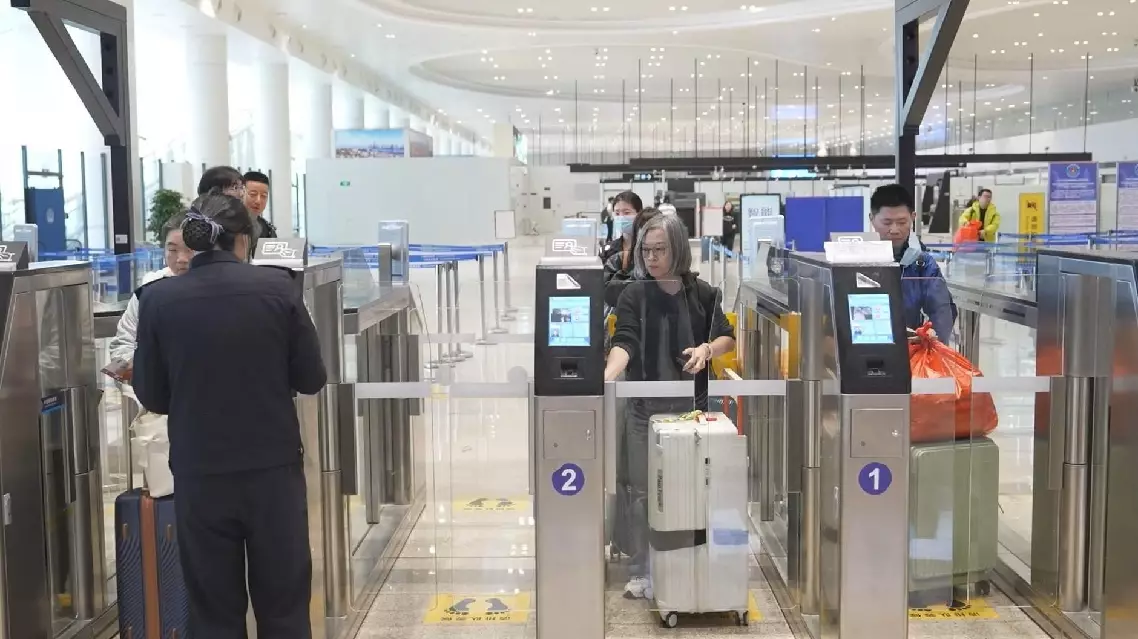
"Mini three links" handle over 26 million passenger trips in 25 years
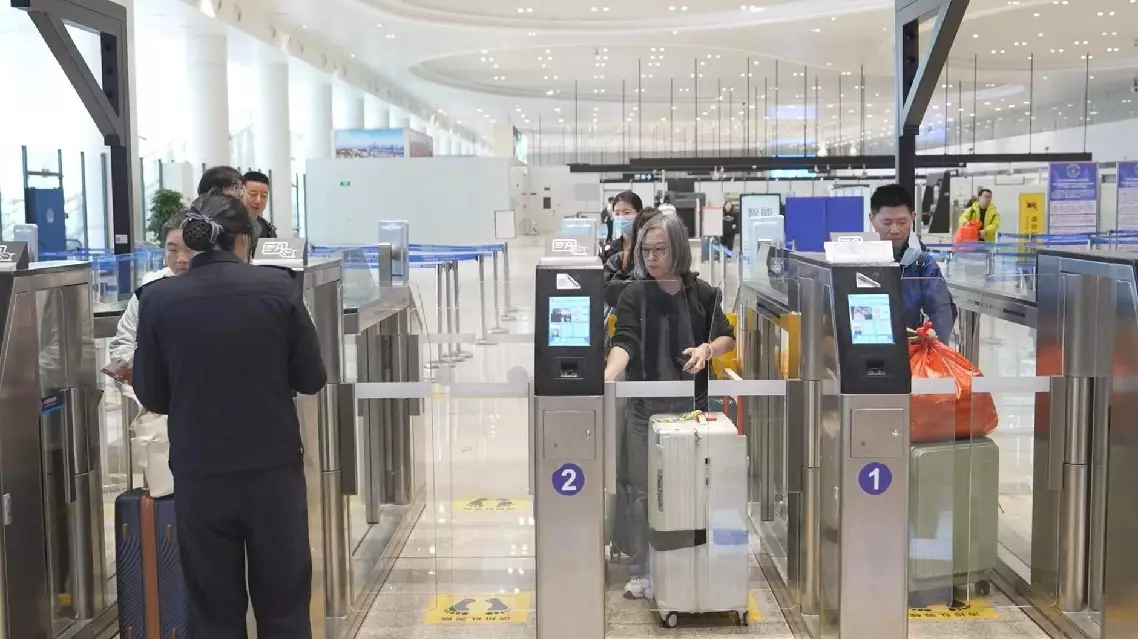
"Mini three links" handle over 26 million passenger trips in 25 years
Saudi Arabia and Pakistan have reaffirmed that they will not seek normalization of ties with Israel, rejecting U.S. President Donald Trump's call for the two countries to join the Abraham Accords.
Saudi Arabia's position on the Palestinian issue remains unchanged, a Saudi source told Al Arabiya TV on Monday.
The source affirmed the need for "an irreversible pathway to a Palestinian state".
The remarks came after U.S. President Donald Trump urged Muslim-majority and regional countries to normalize relations with Israel and join the Abraham Accords before the U.S. reaches a peace agreement with Iran.
Saudi Arabia has repeatedly said it would not normalize relations with Israel without the establishment of a Palestinian state.
Pakistani Defense Minister Khawaja Asif said on Tuesday that Pakistan will not join any agreement to normalize ties with Israel, adding that the country will not accept any deal that "conflicts with its fundamental ideologies".
Trump on Monday urged Saudi Arabia, Qatar, Egypt, Jordan, Turkey and Pakistan -- countries involved in mediating U.S.-Iran talks -- to immediately join the Abraham Accords, warning that otherwise they should not participate in the mediation.
He added that if a U.S.-Iran deal is reached, Iran should also join the agreement.
The Abraham Accords, brokered by the United States in 2020 during Trump's first term, were established between the Israeli government and Arab countries including the United Arab Emirates, Bahrain, Sudan and Morocco, aimed at rapidly advancing the normalization of relations between Israel and Arab countries.
Before the outbreak of the latest round of Israeli-Palestinian conflict in October 2023, the United States had been pushing for normalization between Saudi Arabia and Israel.
After the conflict erupted, Saudi Arabia suspended normalization talks with Israel.

Saudi Arabia, Pakistan reject Trump's Abraham Accords demand