China called on the United States to release Venezuelan President Nicolas Maduro and his wife at once, said a Chinese foreign ministry spokesperson on Sunday.
The spokesperson made the remarks in response to media reports that on Saturday, the United States sent forces to seize Maduro and his wife and took them out of the country, and that governments of multiple countries have voiced opposition.
Click to Gallery
China calls on U.S. to release Venezuelan President Nicolas Maduro, his wife at once
China calls on U.S. to release Venezuelan President Nicolas Maduro, his wife at once
China calls on U.S. to release Venezuelan President Nicolas Maduro, his wife at once
China calls on U.S. to release Venezuelan President Nicolas Maduro, his wife at once
China expressed grave concern over the U.S. forcibly seizing Maduro and his wife and taking them out of the country, said the spokesperson, adding that the U.S. move is in clear violation of international law, basic norms in international relations, and the purposes and principles of the UN Charter.
China called on the United States to ensure the personal safety of Maduro and his wife, release them at once, stop toppling the government of Venezuela, and resolve issues through dialogue and negotiation, said the spokesperson.
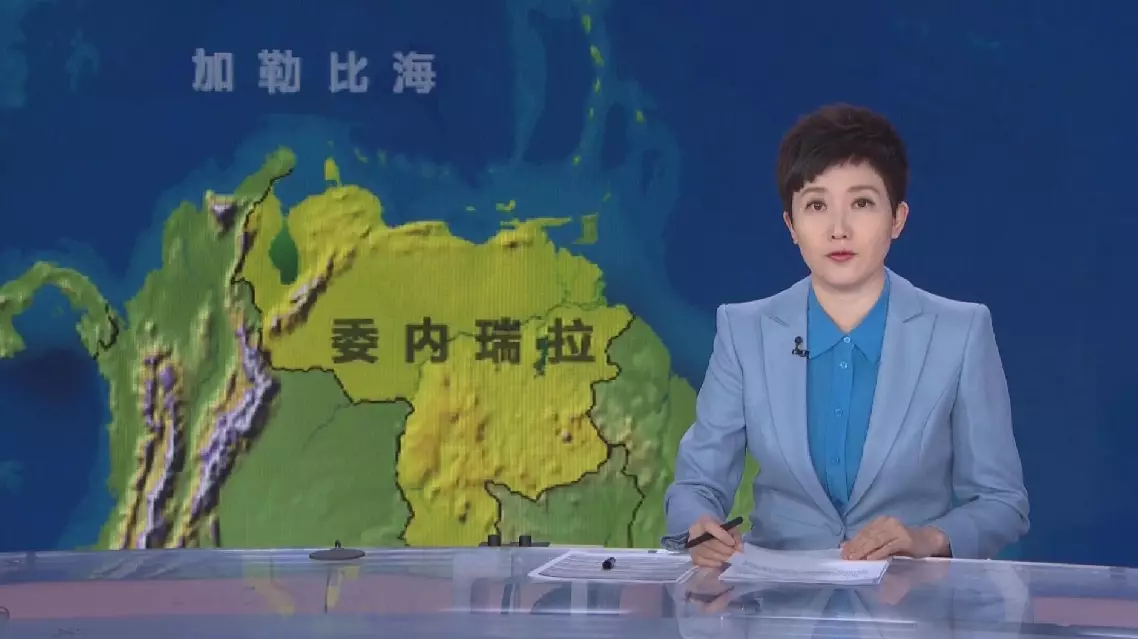
China calls on U.S. to release Venezuelan President Nicolas Maduro, his wife at once
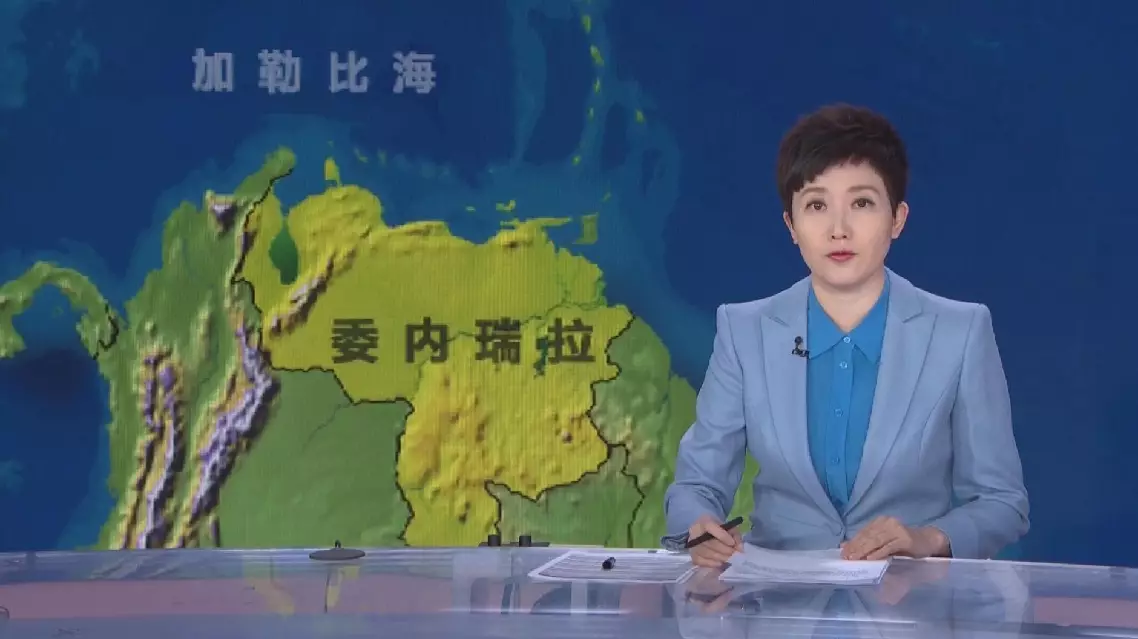
China calls on U.S. to release Venezuelan President Nicolas Maduro, his wife at once
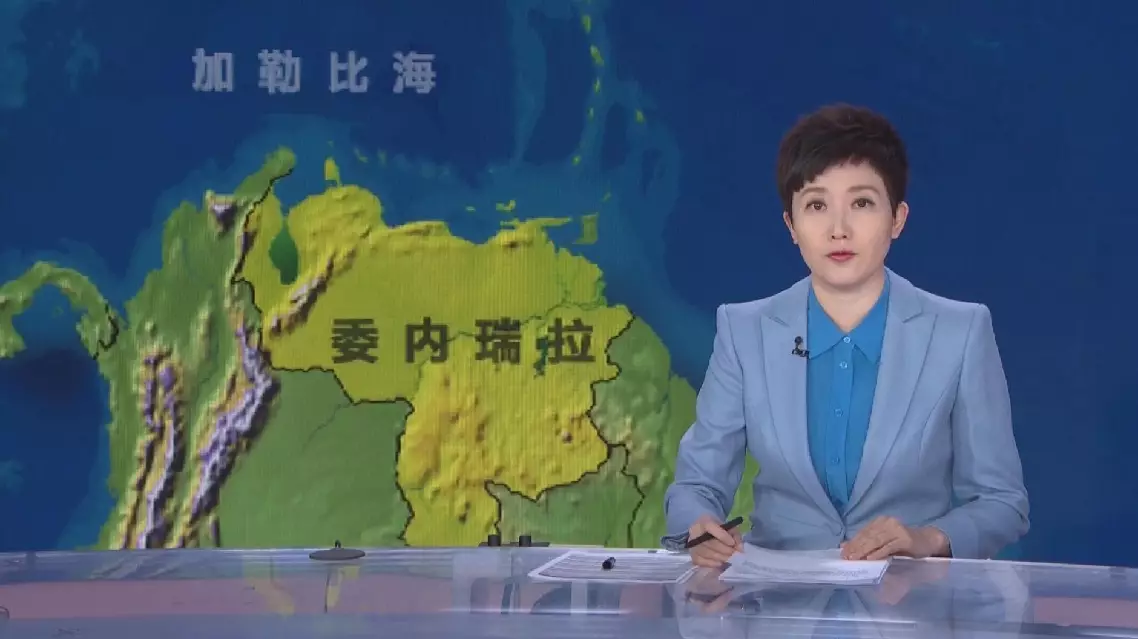
China calls on U.S. to release Venezuelan President Nicolas Maduro, his wife at once
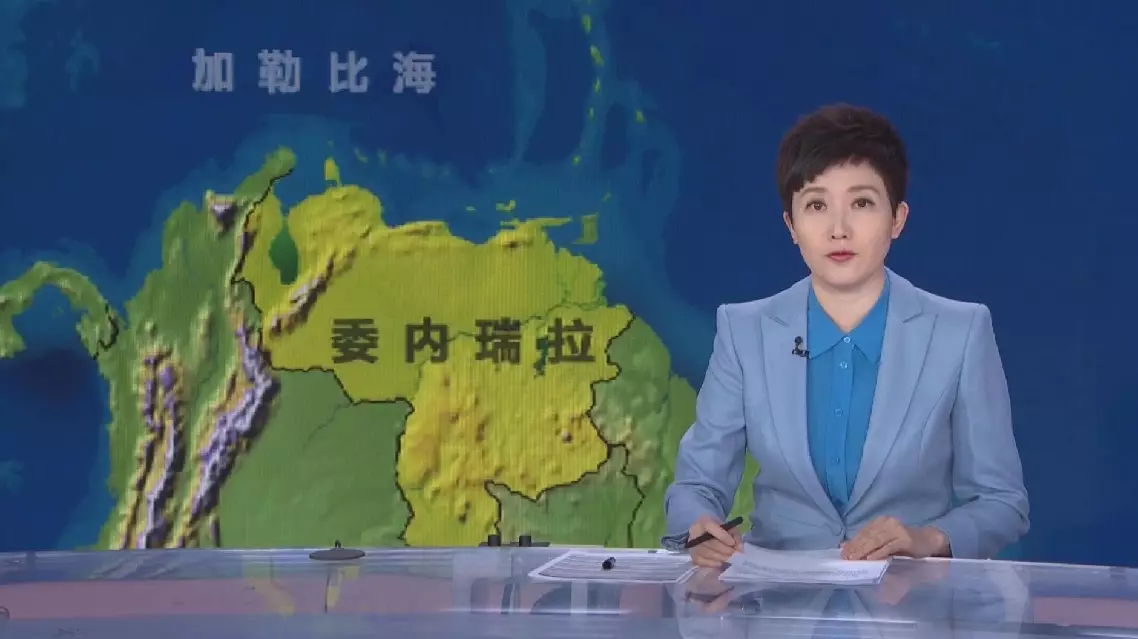
China calls on U.S. to release Venezuelan President Nicolas Maduro, his wife at once
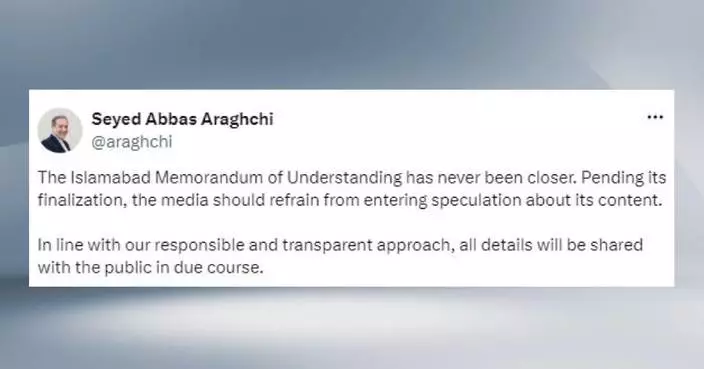
Iran's Foreign Minister Seyed Abbas Araghchi said Friday night that the signing of a memorandum of understanding (MoU) with the United States to end the war could take place within the next few days.
In an interview with state-run IRIB TV, Araghchi said that upon finalized, the MoU will be signed digitally by both sides in their respective countries and then announced. He added that following the potential signing, both parties will commit not to initiate any other war, and will begin the second stage of negotiations, scheduled within a 60-day period, to reach a final agreement, focusing mainly on Iran's nuclear program and sanctions removal.
He stressed that Tehran insists that the only acceptable way of dealing with its highly enriched uranium will be diluting it within Iranian territory.
Araghchi also said that the potential MoU would include provisions for ending the war on all fronts, including Lebanon, requiring Israel to withdraw from the occupied areas.
Other key issues in the MoU include the reopening of the Strait of Hormuz, the full lifting of the U.S. anti-Iran naval blockade, and the release of Iran's frozen assets, he noted.
On the Strait of Hormuz, Araghchi said its management will definitely not to return the pre-war era. While Iran will retain sovereignty and a military presence, a legal system consistent with international law will be established, he said.
He ruled out tolls for passage but noted that charging service fees will be reasonable.
U.S. President Donald Trump said Thursday that the United States had "just made a great settlement of the war with Iran," with an agreement expected "over the next few days."
Over recent weeks, Iran and the United States have exchanged several peace proposals through Pakistan's mediation, and have been working to finalize an MoU to end the war.
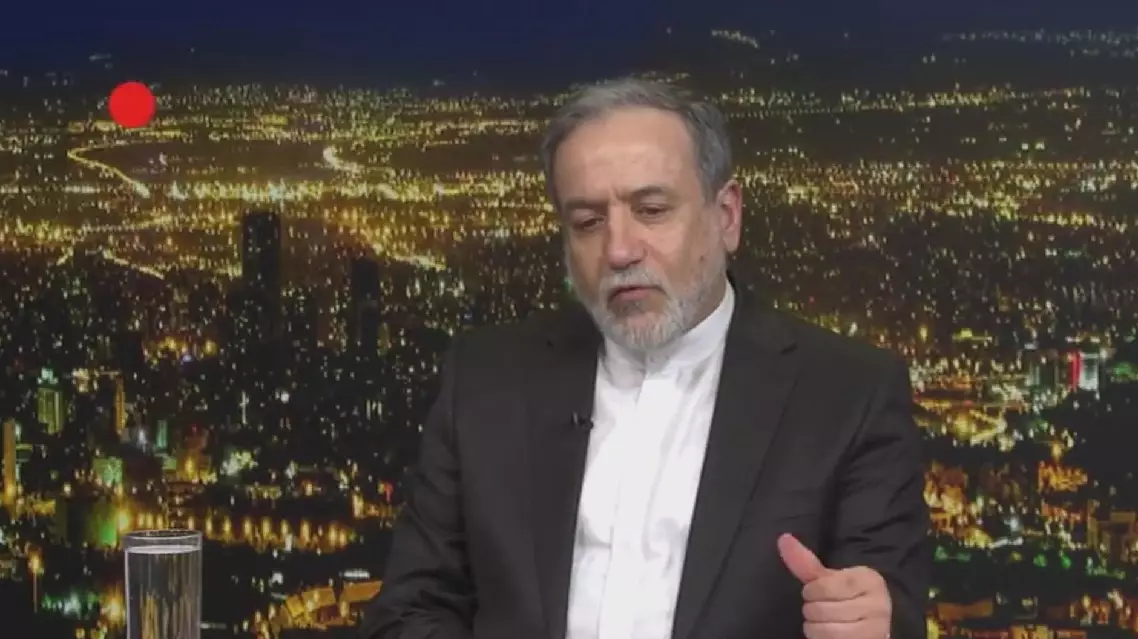
Iran's FM says signing of MoU with US possible within few days